Shuaib Lwasa – författare
Visar alla böcker från författaren Shuaib Lwasa. Handla med fri frakt och snabb leverans.
6 produkter
6 produkter
E-bok
PDF, Engelska, 2025268 kr
Läs direkt efter köp
E-bok
Engelska, 2025268 kr
Läs direkt efter köp
Häftad, Engelska, 2025
225 kr
Skickas inom 7-10 vardagar
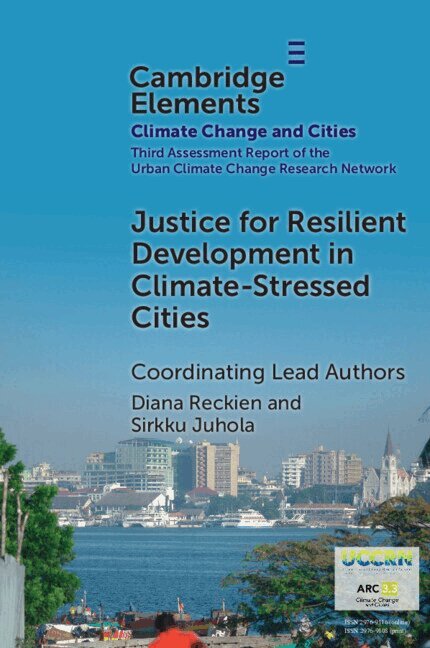
Climate impacts and risk, within and across cities, are distributed highly unequally. Cities located in low latitudes are more vulnerable to climate risk and impacts than in high latitudes, due to the large proportion of informal settlements relative to the housing stock and more frequent extremes. According to EM-DAT, about 60% of environmental disasters in cities relate to riverine floods. Riverine floods and heatwaves cause about 33% of deaths in cities. However, cold-waves and droughts impact most people in cities (42% and 39% of all people, respectively). Human vulnerability intersects with hazardous, underserved communities. Frequently affected groups include women, single parents, and low-income elderly. Responses to climatic events are conditioned by the informality of social fabric and institutions, and by inequitable distribution of impacts, decision-making, and outcomes. To ensure climate-resilient development, adaptation and mitigation actions must include the broader urban context of informality and equity and justice principles. This title is also available as open access on Cambridge Core.
Inbunden, Engelska, 2025
695 kr
Skickas inom 7-10 vardagar
Climate impacts and risk, within and across cities, are distributed highly unequally. Cities located in low latitudes are more vulnerable to climate risk and impacts than in high latitudes, due to the large proportion of informal settlements relative to the housing stock and more frequent extremes. According to EM-DAT, about 60% of environmental disasters in cities relate to riverine floods. Riverine floods and heatwaves cause about 33% of deaths in cities. However, cold-waves and droughts impact most people in cities (42% and 39% of all people, respectively). Human vulnerability intersects with hazardous, underserved communities. Frequently affected groups include women, single parents, and low-income elderly. Responses to climatic events are conditioned by the informality of social fabric and institutions, and by inequitable distribution of impacts, decision-making, and outcomes. To ensure climate-resilient development, adaptation and mitigation actions must include the broader urban context of informality and equity and justice principles. This title is also available as open access on Cambridge Core.
Inbunden, Engelska, 2026
1 527 kr
Skickas inom 10-15 vardagar
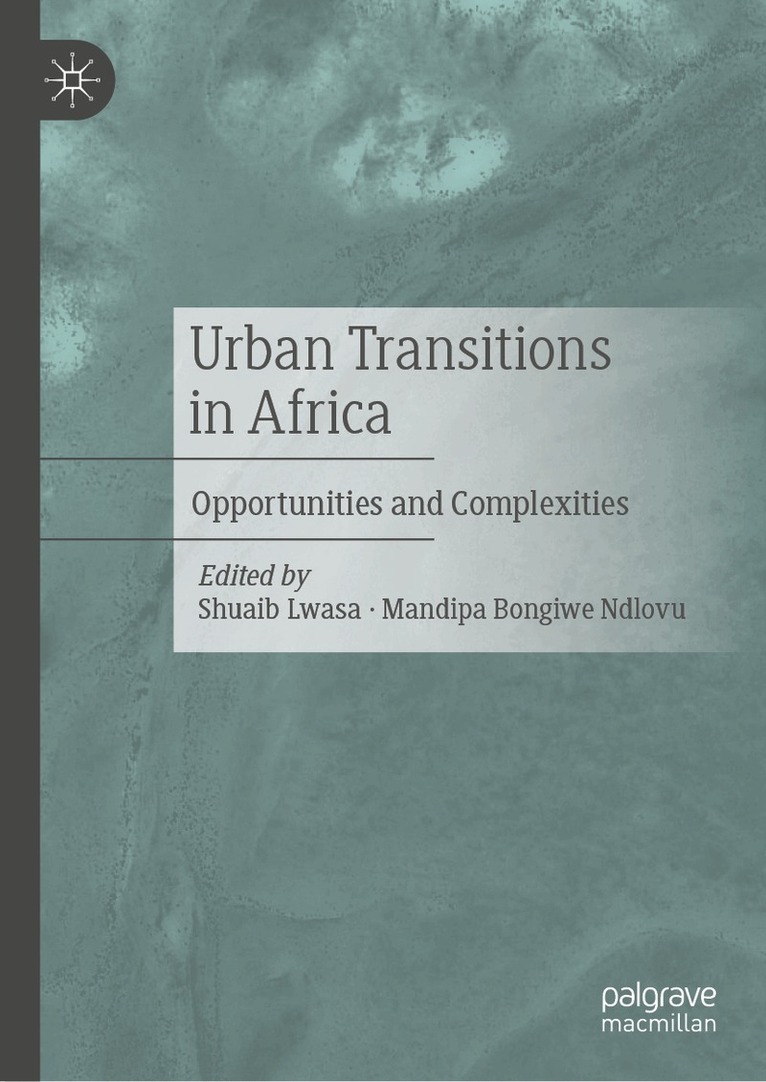
This book provides an invaluable overview of urban transitions in Africa with a focus on innovations that offer alternative development approaches of these areas. The key to a successful transition is the nature of system changes and the identification of what is needed to harness the potential and expand possibilities that will enhance equity, address climate change, create sustainable cities and build resilient urban systems. This book provides a comprehensive discussion of these issues and amplifies the conversation with a particular focus on the opportunities, possibilities and complexities of urban transitions in Africa today, in conversation with Africans, for Africa. Each chapter synthesises insights from academic research, policy reports, case studies, and first-hand accounts, providing a comprehensive exploration of urban transitions in Africa. This book will be an invaluable resource for scholars, urban planners, policy-makers, and anyone interested in understanding the complexities of urban transitions in Africa.
E-bok
Engelska, 20261 825 kr
Läs direkt efter köp
This book provides an invaluable overview of urban transitions in Africa with a focus on innovations that offer alternative development approaches of these areas. The key to a successful transition is the nature of system changes and the identification of what is needed to harness the potential and expand possibilities that will enhance equity, address climate change, create sustainable cities and build resilient urban systems. This book provides a comprehensive discussion of these issues and amplifies the conversation with a particular focus on the opportunities, possibilities and complexities of urban transitions in Africa today, in conversation with Africans, for Africa. Each chapter synthesises insights from academic research, policy reports, case studies, and first-hand accounts, providing a comprehensive exploration of urban transitions in Africa. This book will be an invaluable resource for scholars, urban planners, policy-makers, and anyone interested in understanding the complexities of urban transitions in Africa.