Shyamala Dakshinamurti - Böcker
Visar alla böcker från författaren Shyamala Dakshinamurti. Handla med fri frakt och snabb leverans.
4 produkter
4 produkter
953 kr
Skickas inom 10-15 vardagar
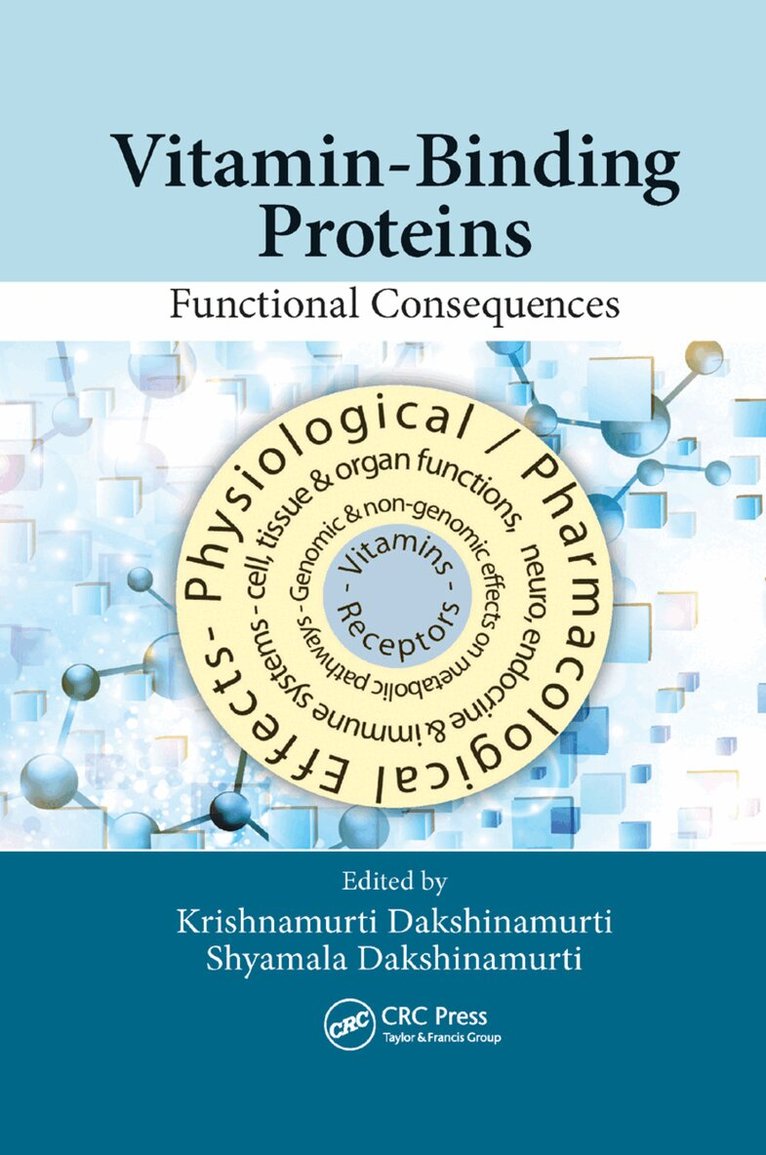
Diverse in chemical nature, water soluble and lipid soluble vitamins are essential micronutrients that react with specific protein entities and are transported to sites for participation in intracellular events, both at the genomic and non-genomic levels. Thus, metabolic pathways and intracellular signaling are influenced by vitamins or their derivatives through vitamin binding to specific proteins. Vitamin-Binding Proteins: Functional Consequences examines the function of various vitamins based on this binding, as well as their role as antioxidants, leading to effects on intracellular mechanisms. This book explores the resulting functional consequences at the level of cells, tissues, and organs as well as the neurological, endocrine, and immune systems.The text addresses the effects that lead to both normal physiological function and pharmacological activity with significant therapeutic potential in a wide spectrum of disease processes. Leading experts discuss various vitamins including the function of retinoids in development, immunity, and obesity; the role of vitamin D in the immune system, infectious processes, and cardiovascular disease; and the effects of vitamins E, C, and K on the vascular system.Chapters cover the therapeutic potential of the vitamin B6 vitamer pyridoxamine and the lipid-soluble B1analogue benfotiamine. They also describe various functions of biotin as well as gene transcriptional regulation through biotin and biotin-binding proteins. The text addresses folate receptor-mediated therapeutics, vitamin B12 derivatives in tumor targeting, and implication of ascorbic acid in different disorders. Expounding newer areas of vitamin function, this book explores the interface of physiological vitamin function and pharmacological vitamin action, offering a broad perspective of possible vitamin binding therapeutics.
Hypoxic Respiratory Failure in the Newborn
From Origins to Clinical Management
Inbunden, Engelska, 2021
2 023 kr
Skickas inom 10-15 vardagar
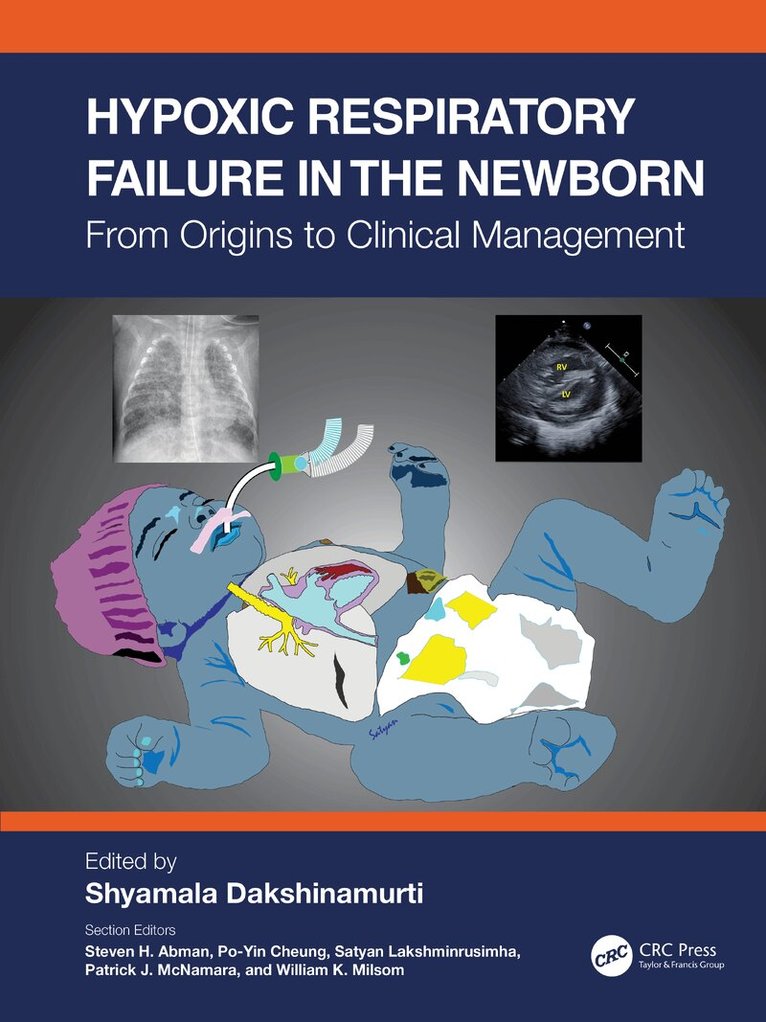
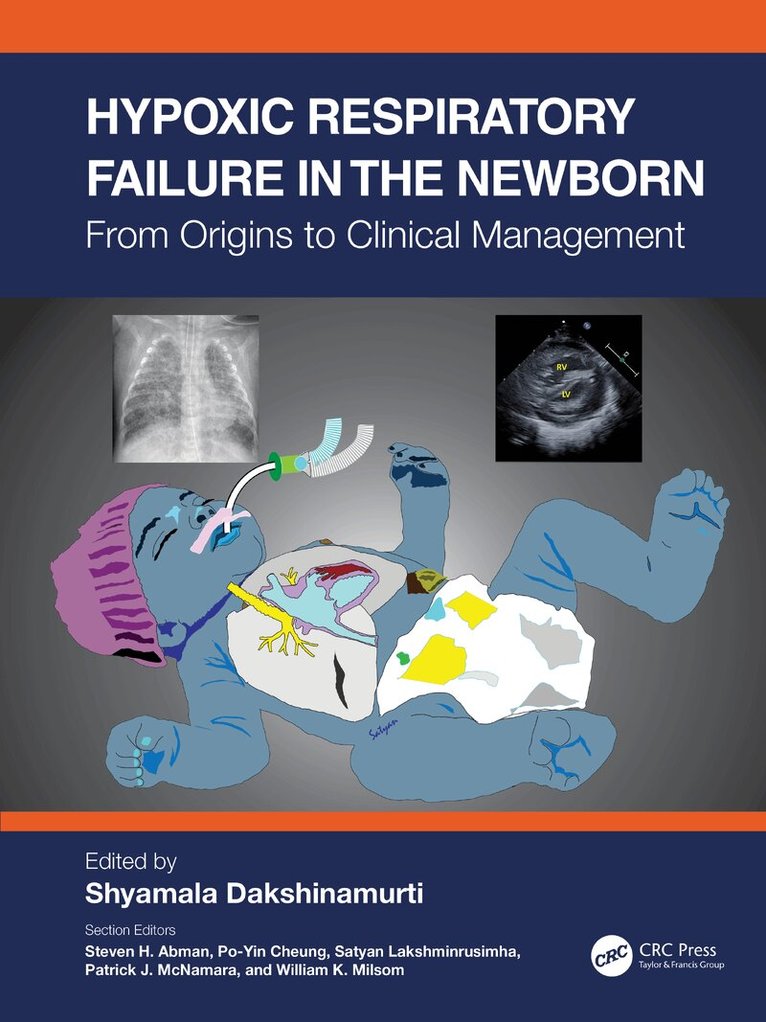
We have all been hypoxic. Fetal tolerance for intrauterine hypoxia arises from evolutionarily conserved physiological mechanisms, the antecedents of which can be learned from diving mammals or species at high altitudes. Understanding fetal hypoxia leads to understanding the huge physiological shifts of neonatal transition and the dangers of perinatal hypoxia.This comprehensive volume of topical review articles by expert authors addresses the origins of hypoxia tolerance, the impact of oxygen on circulatory transition at birth, and the biochemistry of hypoxia in the pulmonary circuit, as well as the classification, diagnosis, and clinical management of hypoxic respiratory failure and persistent pulmonary hypertension in the term neonate.The goal of Hypoxic Respiratory Failure in the Newborn is to connect our understanding of hypoxia from animals in extreme environments, with how the human fetus handles its hypoxic environment; and why the human newborn suddenly cannot. The book will educate health care professionals on how to care for newborns with hypoxic respiratory failure, including the use of up-to-date diagnostic tools and therapies. It also highlights areas of controversy and ongoing research in hypoxic respiratory failure and pulmonary hypertension of the newborn, including challenging case studies.Key Features Explores evolutionary context and comparative physiology of hypoxia tolerance in the fetus and neonate, from basic research to clinical scenarios Provides guidance to trainees, physicians, and allied health professionals engaged in NICU care; pediatricians, cardiologists, pulmonologists, anesthesiologists, neonatologists, and physiologists to effectively manage infants in hypoxic respiratory failure Includes case scenarios emphasizing current diagnostic and therapeutic controversies and algorithmic approaches to decipher difficult clinical cases
1 467 kr
Skickas inom 10-15 vardagar
We have all been hypoxic. Fetal tolerance for intrauterine hypoxia arises from evolutionarily conserved physiological mechanisms, the antecedents of which can be learned from diving mammals or species at high altitudes. Understanding fetal hypoxia leads to understanding the huge physiological shifts of neonatal transition and the dangers of perinatal hypoxia.This comprehensive volume of topical review articles by expert authors addresses the origins of hypoxia tolerance, the impact of oxygen on circulatory transition at birth, and the biochemistry of hypoxia in the pulmonary circuit, as well as the classification, diagnosis, and clinical management of hypoxic respiratory failure and persistent pulmonary hypertension in the term neonate.The goal of Hypoxic Respiratory Failure in the Newborn is to connect our understanding of hypoxia from animals in extreme environments, with how the human fetus handles its hypoxic environment; and why the human newborn suddenly cannot. The book will educate health care professionals on how to care for newborns with hypoxic respiratory failure, including the use of up-to-date diagnostic tools and therapies. It also highlights areas of controversy and ongoing research in hypoxic respiratory failure and pulmonary hypertension of the newborn, including challenging case studies.Key Features Explores evolutionary context and comparative physiology of hypoxia tolerance in the fetus and neonate, from basic research to clinical scenarios Provides guidance to trainees, physicians, and allied health professionals engaged in NICU care; pediatricians, cardiologists, pulmonologists, anesthesiologists, neonatologists, and physiologists to effectively manage infants in hypoxic respiratory failure Includes case scenarios emphasizing current diagnostic and therapeutic controversies and algorithmic approaches to decipher difficult clinical cases
2 649 kr
Skickas inom 10-15 vardagar
Diverse in chemical nature, water soluble and lipid soluble vitamins are essential micronutrients that react with specific protein entities and are transported to sites for participation in intracellular events, both at the genomic and non-genomic levels. Thus, metabolic pathways and intracellular signaling are influenced by vitamins or their derivatives through vitamin binding to specific proteins. Vitamin-Binding Proteins: Functional Consequences examines the function of various vitamins based on this binding, as well as their role as antioxidants, leading to effects on intracellular mechanisms. This book explores the resulting functional consequences at the level of cells, tissues, and organs as well as the neurological, endocrine, and immune systems.The text addresses the effects that lead to both normal physiological function and pharmacological activity with significant therapeutic potential in a wide spectrum of disease processes. Leading experts discuss various vitamins including the function of retinoids in development, immunity, and obesity; the role of vitamin D in the immune system, infectious processes, and cardiovascular disease; and the effects of vitamins E, C, and K on the vascular system.Chapters cover the therapeutic potential of the vitamin B6 vitamer pyridoxamine and the lipid-soluble B1analogue benfotiamine. They also describe various functions of biotin as well as gene transcriptional regulation through biotin and biotin-binding proteins. The text addresses folate receptor-mediated therapeutics, vitamin B12 derivatives in tumor targeting, and implication of ascorbic acid in different disorders. Expounding newer areas of vitamin function, this book explores the interface of physiological vitamin function and pharmacological vitamin action, offering a broad perspective of possible vitamin binding therapeutics.