Sidney A. Rothstein – författare
Visar alla böcker från författaren Sidney A. Rothstein. Handla med fri frakt och snabb leverans.
7 produkter
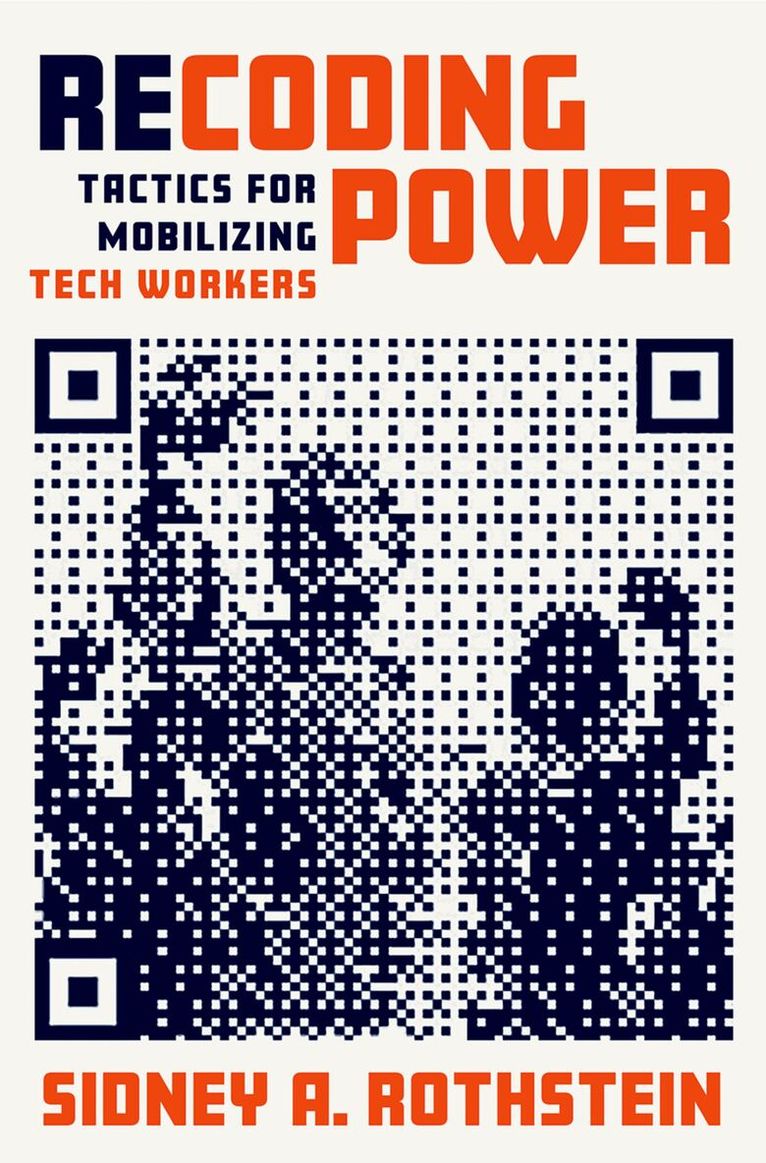
Recoding Power
Tactics for Mobilizing Tech Workers
Inbunden, 2023
834 kr
Lägg i varukorg
Does digital transformation make worker power impossible? Many seem to think so, especially those who see the Silicon Valley model as the best chance for economic growth in the twenty-first century. If economic growth requires deregulating markets for labor and finance capital, then labor's …
Recoding Power
Tactics for Mobilizing Tech Workers
E-bok, 2022
752 kr
Lägg i varukorg
Does digital transformation make worker power impossible? Many seem to think so, especially those who see the Silicon Valley model as the best chance for economic growth in the twenty-first century. If economic growth requires deregulating markets for labor and finance capital, then labor''s …
Recoding Power
Tactics for Mobilizing Tech Workers
E-bok, 2022
752 kr
Lägg i varukorg
Does digital transformation make worker power impossible? Many seem to think so, especially those who see the Silicon Valley model as the best chance for economic growth in the twenty-first century. If economic growth requires deregulating markets for labor and finance capital, then labor''s …
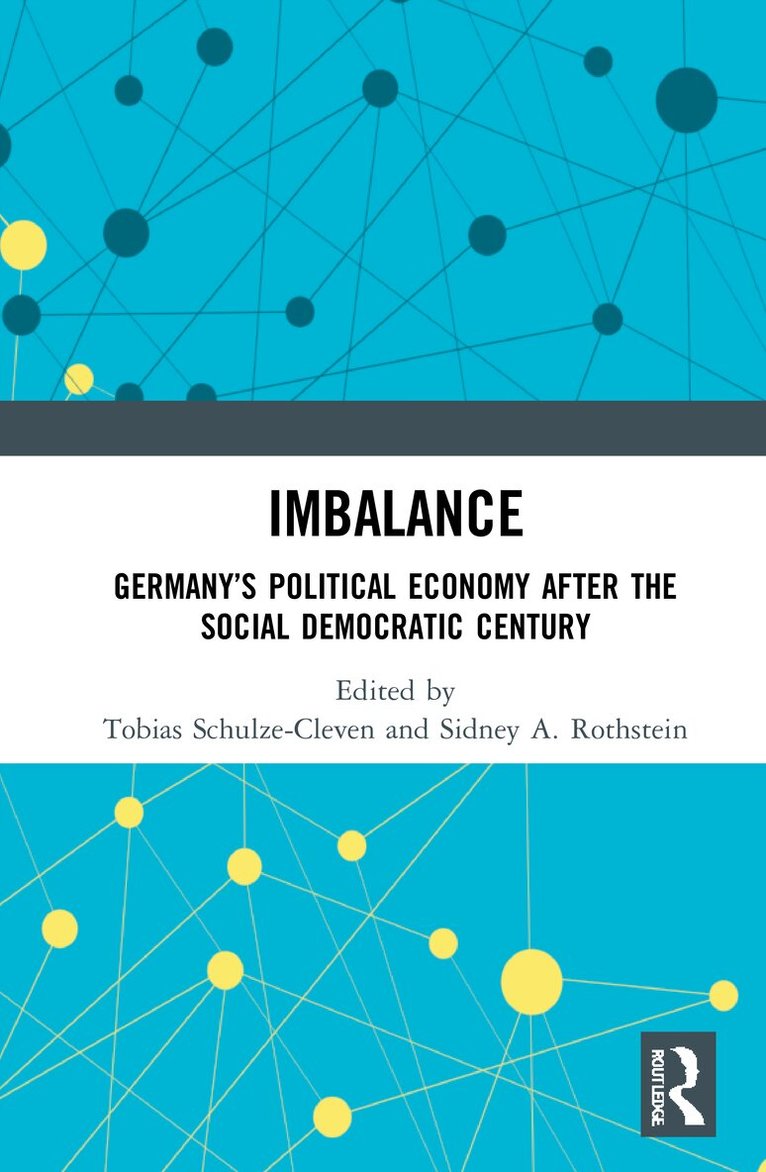
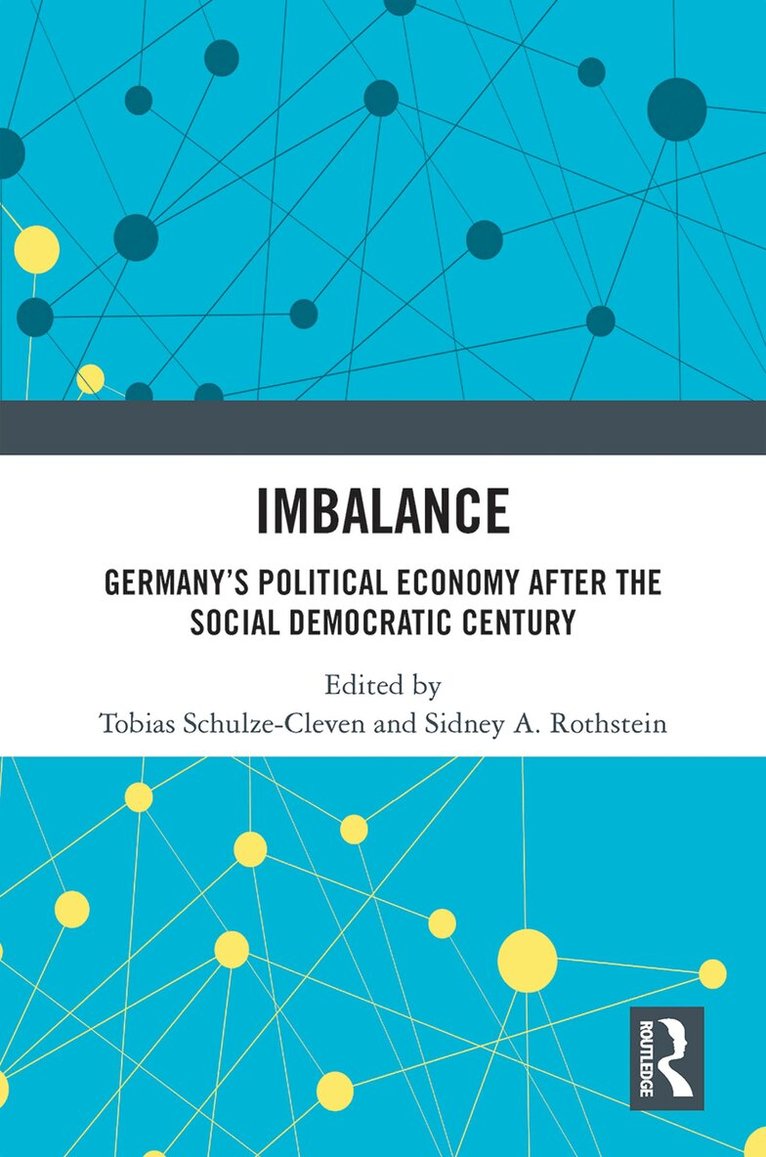
Imbalance
Germany’s Political Economy after the Social Democratic Century
Av Tobias Schulze-Cleven, Sidney A. Rothstein
Inbunden, 2021
2504 kr
Lägg i varukorg
Germany is a central case for research on comparative political economy, which has inspired theorizing on national differences and historical trajectories. This book assesses Germany’s political economy after the end of the "social democratic" 20th century to rethink its dominant properties and …
Imbalance
Germany’s Political Economy after the Social Democratic Century
Av Tobias Schulze-Cleven, Sidney A. Rothstein
Häftad, 2023
689 kr
Lägg i varukorg
Germany is a central case for research on comparative political economy, which has inspired theorizing on national differences and historical trajectories. This book assesses Germany’s political economy after the end of the "social democratic" 20th century to rethink its dominant properties and …
Imbalance
Germany's Political Economy after the Social Democratic Century
Av Sidney A. Rothstein, Tobias Schulze-Cleven
E-bok, 2021
814 kr
Lägg i varukorg
Germany is a central case for research on comparative political economy, which has inspired theorizing on national differences and historical trajectories. This book assesses Germany’s political economy after the end of the "social democratic" 20th century to rethink its dominant properties and …
Imbalance
Germany's Political Economy after the Social Democratic Century
Av Sidney A. Rothstein, Tobias Schulze-Cleven
E-bok, 2021
814 kr
Lägg i varukorg
Germany is a central case for research on comparative political economy, which has inspired theorizing on national differences and historical trajectories. This book assesses Germany’s political economy after the end of the "social democratic" 20th century to rethink its dominant properties and …