Silvia Pasquetti - Böcker
Visar alla böcker från författaren Silvia Pasquetti. Handla med fri frakt och snabb leverans.
4 produkter
4 produkter
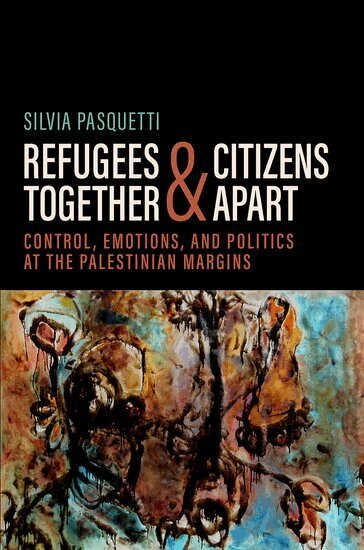
Refugees Together and Citizens Apart
Control, Emotions, and Politics at the Palestinian Margins
Inbunden, Engelska, 2026
929 kr
Kommande
Grounded in long-term ethnography, Refugees Together and Citizens Apart examines how dispossessed Palestinians experience and seek to resist Israeli coercive differentiation through the study of two areas with intertwined histories of forced displacement: the segregated Palestinian districts of Lyd (renamed Lod), and the Jalazone refugee camp in the West Bank. This book brings together the securitized policing that Palestinians experience today in Lyd and the layers of militarism, humanitarianism, and Palestinian Authority rule that Palestinians are forced to negotiate in Jalazone. Melding Palestine Studies and Bourdieusian sociology of settler colonialism, the book connects coercive control, collective emotions, and political life, and argues that how coercive control is exercised, by whom, and against whom matters for how dispossessed Palestinians strive to (re)build affective and political worlds locally and globally.Refugees Together and Citizens Apart compares the emotional climate of fear, distrust, stigma, and frustration at communal frailty in Lyd's segregated Palestinian districts with the defiant defensive togetherness in Jalazone, examining how these two emotional climates are conducive to different forms of political life. The book supplements the comparative lens with a cross-border perspective attentive not only to the historical but also familial and social ties between the two localities. Crossing Israeli borders of coercive control, this book highlights the role of legal status, place, and class in structures, experiences, and refusals of coercive differentiation. Along the way, it illuminates how the violent dismemberment of the Palestinian body politic is reproduced and the collective struggle for liberation articulated at the Palestinian margins.
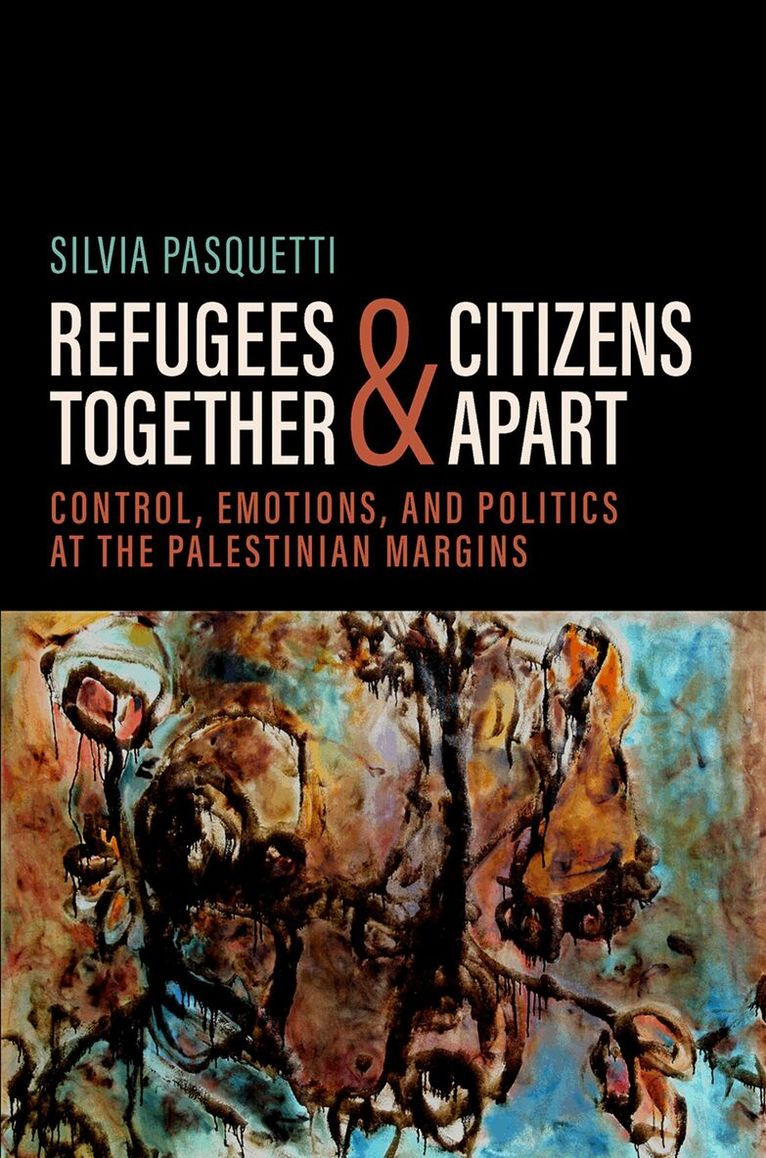
Refugees Together and Citizens Apart
Control, Emotions, and Politics at the Palestinian Margins
Häftad, Engelska, 2026
265 kr
Kommande
Grounded in long-term ethnography, Refugees Together and Citizens Apart examines how dispossessed Palestinians experience and seek to resist Israeli coercive differentiation through the study of two areas with intertwined histories of forced displacement: the segregated Palestinian districts of Lyd (renamed Lod), and the Jalazone refugee camp in the West Bank. This book brings together the securitized policing that Palestinians experience today in Lyd and the layers of militarism, humanitarianism, and Palestinian Authority rule that Palestinians are forced to negotiate in Jalazone. Melding Palestine Studies and Bourdieusian sociology of settler colonialism, the book connects coercive control, collective emotions, and political life, and argues that how coercive control is exercised, by whom, and against whom matters for how dispossessed Palestinians strive to (re)build affective and political worlds locally and globally.Refugees Together and Citizens Apart compares the emotional climate of fear, distrust, stigma, and frustration at communal frailty in Lyd's segregated Palestinian districts with the defiant defensive togetherness in Jalazone, examining how these two emotional climates are conducive to different forms of political life. The book supplements the comparative lens with a cross-border perspective attentive not only to the historical but also familial and social ties between the two localities. Crossing Israeli borders of coercive control, this book highlights the role of legal status, place, and class in structures, experiences, and refusals of coercive differentiation. Along the way, it illuminates how the violent dismemberment of the Palestinian body politic is reproduced and the collective struggle for liberation articulated at the Palestinian margins.
1 167 kr
Skickas inom 5-8 vardagar
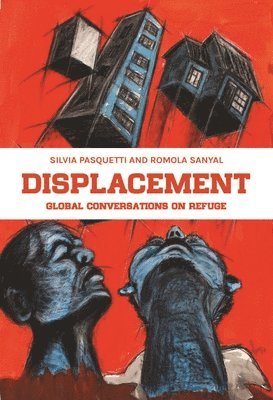
As an unprecedented number of people are displaced around the world, scholars continue to strive to make sense of what appear to be a series of constantly unfolding ‘crises.’Drawing on research in a range of regions – from Latin America, to Europe, sub-Saharan Africa, North America, post-Soviet regions, and South and South-East Asia – Displacement offers an interdisciplinary and transnational approach to thinking about structures, spaces, and lived experiences of displacement. The contributors engage in a historical, transnational, interdisciplinary dialogue to offer different ways of theorizing about refugees, internally displaced persons, stateless people and others that have been forcibly displaced.Representing a collective effort by sociologists, geographers, anthropologists, political scientists, historians and migration studies scholars, this volume develops new cross-regional conversations and theoretically innovative vocabularies in the work on forced displacement. It also draws forced displacement together with other contemporary issues across different disciplines such as urbanisation, race, and imperialism.
344 kr
Skickas
Drawing on research in a range of regions – from Latin America, to Europe, sub-Saharan Africa, North America, post-Soviet regions, and South and South-East Asia – Displacement offers an interdisciplinary and transnational approach to thinking about structures, spaces, and lived experiences of displacement. The contributors engage in a historical, transnational, interdisciplinary dialogue to offer different ways of theorizing about refugees, internally displaced persons, stateless people and others that have been forcibly displaced. Representing a collective effort by sociologists, geographers, anthropologists, political scientists, historians and migration studies scholars, this volume develops new cross-regional conversations and theoretically innovative vocabularies in the work on forced displacement. It also draws forced displacement together with other contemporary issues across different disciplines such as urbanisation, race, and imperialism.