Simon Avenell – författare
Visar alla böcker från författaren Simon Avenell. Handla med fri frakt och snabb leverans.
15 produkter
Transnational Civil Society in Asia
The Potential of Grassroots Regionalization
Av Simon Avenell, Akihiro Ogawa
Inbunden, 2021
2512 kr
Lägg i varukorg
This edited volume addresses how transnational interactions among civil society actors in Asia and its sub-regions are helping to strengthen common democratic values and transform dominant processes of policymaking and corporate capitalism in the region. The contributors conceive of transnational …
Transnational Civil Society in Asia
The Potential of Grassroots Regionalization
Av Simon Avenell, Akihiro Ogawa
Häftad, 2023
648 kr
Lägg i varukorg
This edited volume addresses how transnational interactions among civil society actors in Asia and its sub-regions are helping to strengthen common democratic values and transform dominant processes of policymaking and corporate capitalism in the region. The contributors conceive of transnational …
Asia and Postwar Japan
Deimperialization, Civic Activism, and National Identity
Inbunden, 2022
582 kr
Lägg i varukorg
War, defeat, and the collapse of empire in 1945 touched every aspect of postwar Japanese society, profoundly shaping how the Japanese would reconstruct national identity and reengage with the peoples of Asia. While “America” offered a vision of re-genesis after cataclysmic ruin, “Asia” exposed the …
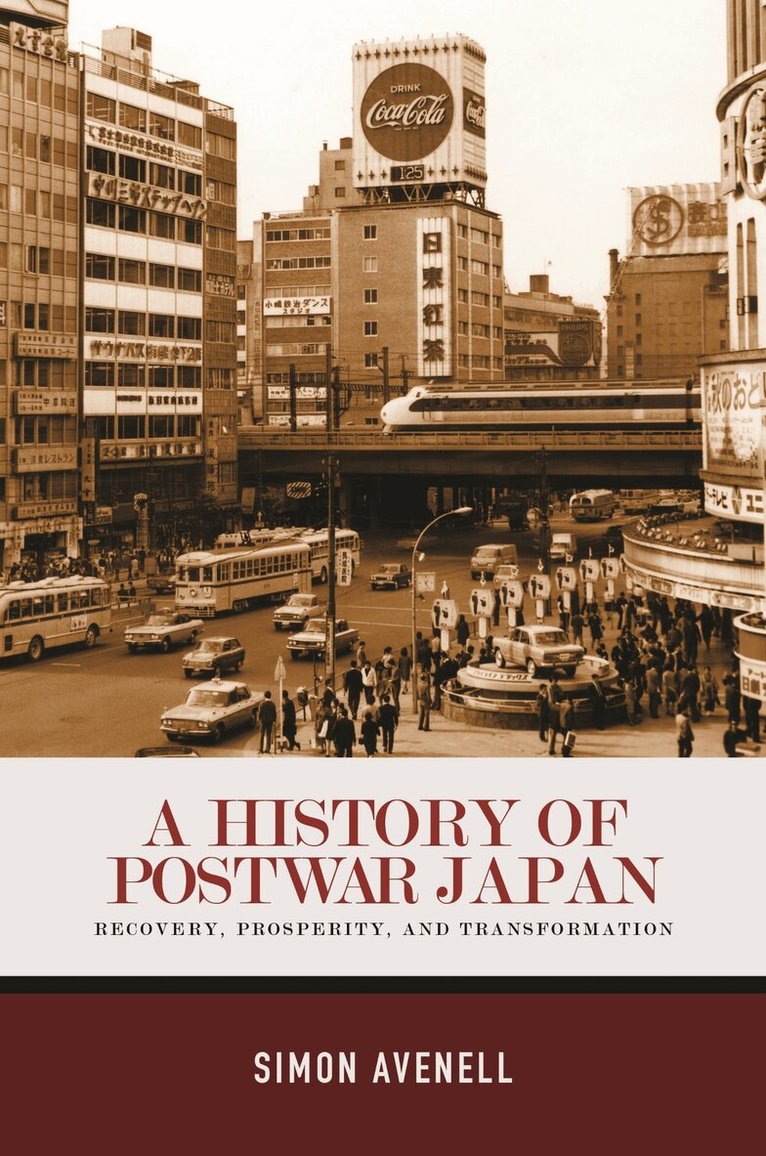
History of Postwar Japan
Recovery, Prosperity, and Transformation
Inbunden, 2025
997 kr
Lägg i varukorg
This sweeping history tells the story of contemporary Japan from its defeat in the Asia-Pacific War in 1945 until the early decades of the new millennium. How did the Japanese people deal with the collapse of its empire and the American-led occupation? What factors played into Japan’s remarkable …
History of Postwar Japan
Recovery, Prosperity, and Transformation
Häftad, 2025
400 kr
Lägg i varukorg
This sweeping history tells the story of contemporary Japan from its defeat in the Asia-Pacific War in 1945 until the early decades of the new millennium. How did the Japanese people deal with the collapse of its empire and the American-led occupation? What factors played into Japan’s remarkable …
Transnational Civil Society in Asia
The Potential of Grassroots Regionalization
Av Akihiro Ogawa, Simon Avenell
E-bok, 2021
762 kr
Lägg i varukorg
This edited volume addresses how transnational interactions among civil society actors in Asia and its sub-regions are helping to strengthen common democratic values and transform dominant processes of policymaking and corporate capitalism in the region. The contributors conceive of transnational …
Transnational Civil Society in Asia
The Potential of Grassroots Regionalization
Av Akihiro Ogawa, Simon Avenell
E-bok, 2021
762 kr
Lägg i varukorg
This edited volume addresses how transnational interactions among civil society actors in Asia and its sub-regions are helping to strengthen common democratic values and transform dominant processes of policymaking and corporate capitalism in the region. The contributors conceive of transnational …
Handbook of Civil Society in Japan
Av Akihiro Ogawa, Simon Avenell
E-bok, 2025
813 kr
Lägg i varukorg
Civil society in Japan is a large and multifaceted sphere with a diversity of actors pursuing various social, political, and economic objectives. The sphere has experienced major waves of transformation in the post-1945 era, especially in the 1990s when volunteering and nonprofit activities came to …
Handbook of Civil Society in Japan
Av Akihiro Ogawa, Simon Avenell
E-bok, 2025
831 kr
Lägg i varukorg
Civil society in Japan is a large and multifaceted sphere with a diversity of actors pursuing various social, political, and economic objectives. The sphere has experienced major waves of transformation in the post-1945 era, especially in the 1990s when volunteering and nonprofit activities came to …
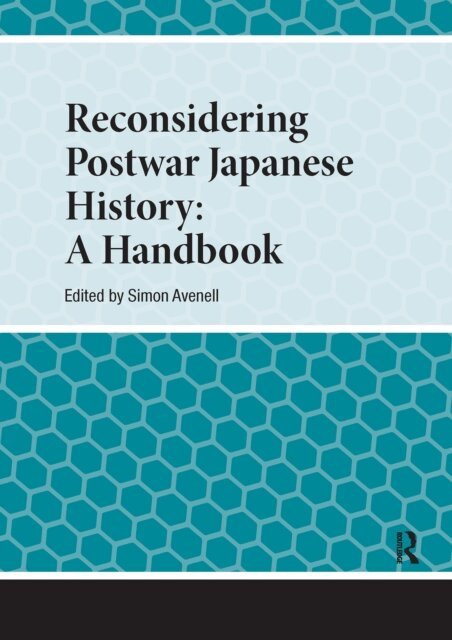
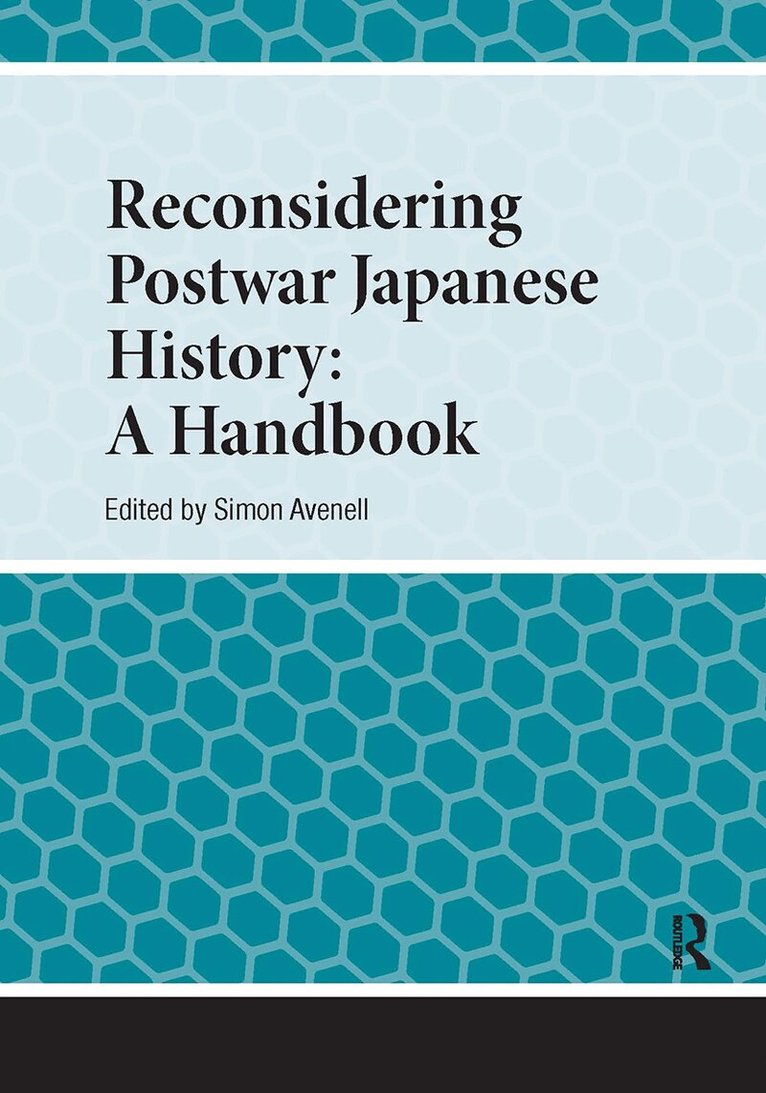
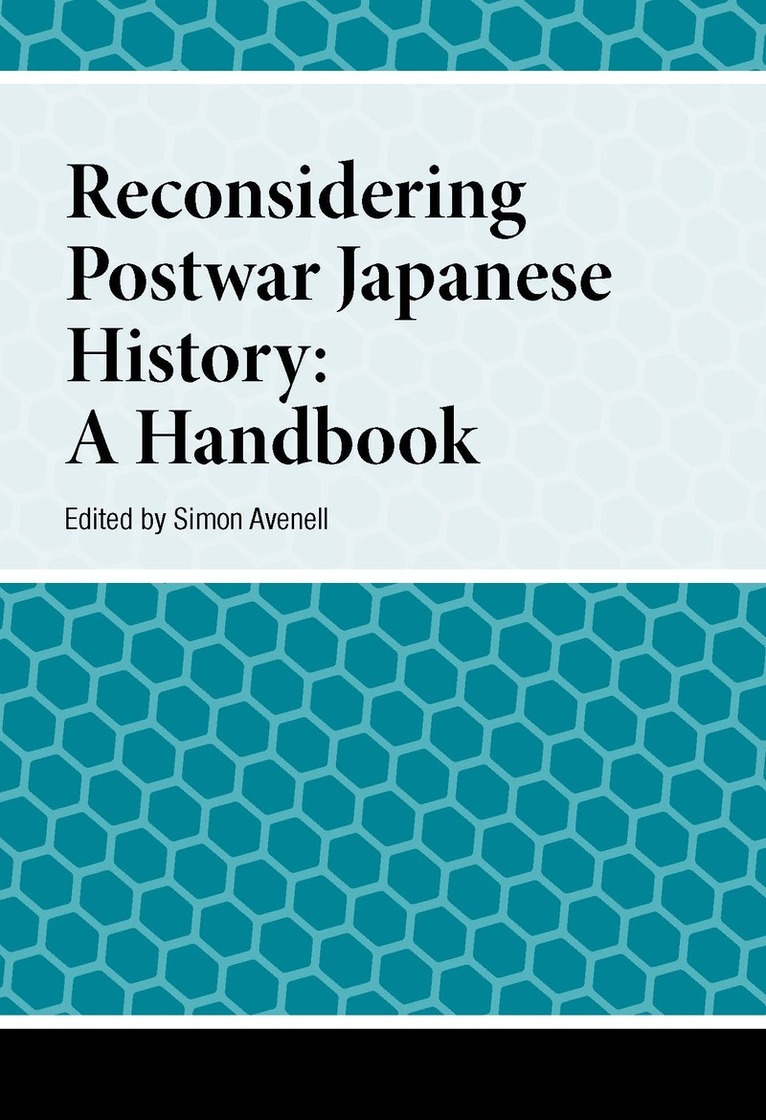
Reconsidering Postwar Japanese History
A Handbook
E-bok, 2025
838 kr
Lägg i varukorg
After war defeat in 1945, Japan underwent historic political, economic and social transformations resulting in the country's rebirth as an economic powerhouse and exemplar of liberal democracy in East Asia. This handbook expands and enriches our understanding of this tumultuous contemporary era in …
Reconsidering Postwar Japanese History
A Handbook
E-bok, 2025
838 kr
Lägg i varukorg
After war defeat in 1945, Japan underwent historic political, economic and social transformations resulting in the country's rebirth as an economic powerhouse and exemplar of liberal democracy in East Asia. This handbook expands and enriches our understanding of this tumultuous contemporary era in …
Handbook of Civil Society in Japan
Av Simon Avenell, Akihiro Ogawa
Häftad, 2026
793 kr
Lägg i varukorg
Civil society in Japan is a large and multifaceted sphere with a diversity of actors pursuing various social, political, and economic objectives. The sphere has experienced major waves of transformation in the post-1945 era, especially in the 1990s when volunteering and nonprofit activities came to …
Reconsidering Postwar Japanese History
A Handbook
Häftad, 2025
727 kr
Lägg i varukorg
After war defeat in 1945, Japan underwent historic political, economic and social transformations resulting in the country’s rebirth as an economic powerhouse and exemplar of liberal democracy in East Asia. This handbook expands and enriches our understanding of this tumultuous contemporary era in …
Reconsidering Postwar Japanese History
A Handbook
Inbunden, 2023
3156 kr
Lägg i varukorg
After war defeat in 1945, Japan underwent historic political, economic and social transformations resulting in the country's rebirth as an economic powerhouse and exemplar of liberal democracy in East Asia. This handbook expands and enriches our understanding of this tumultuous contemporary era in …
Handbook of Civil Society in Japan
Av Simon Avenell, Akihiro Ogawa
Inbunden, 2025
2820 kr
Lägg i varukorg
Civil society in Japan is a large and multifaceted sphere with a diversity of actors pursuing various social, political, and economic objectives. This handbook brings together twenty-one leading experts to provide comprehensive and up-to-date analyses of civil society in Japan.