Simon C. Smith – författare
Visar alla böcker från författaren Simon C. Smith. Handla med fri frakt och snabb leverans.
20 produkter
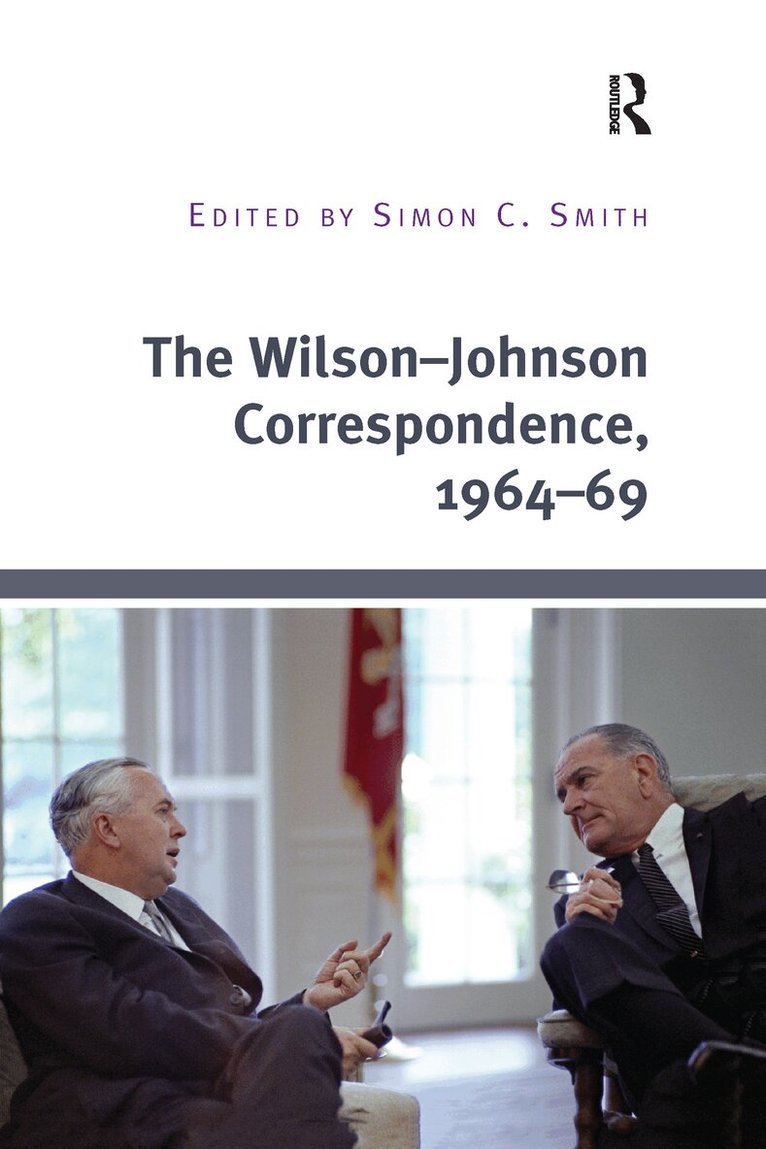
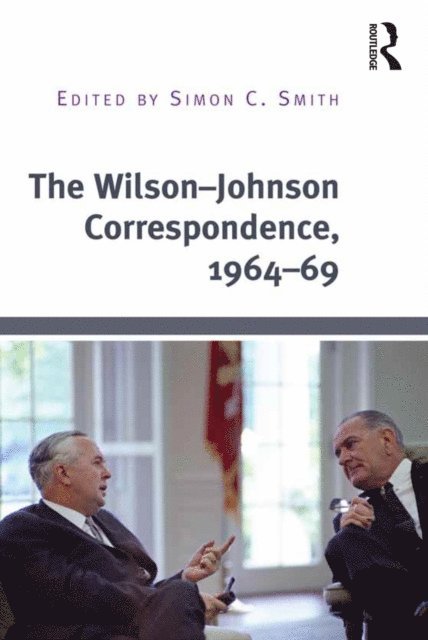
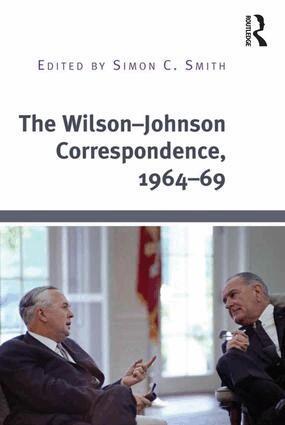
Wilson–Johnson Correspondence, 1964–69
Häftad, 2020
747 kr
Lägg i varukorg
Less than a year after the assassination of President Kennedy brought Lyndon B. Johnson to the White House, Harold Wilson became British Prime Minister. Over the next four years, the two men governed their countries through unprecedented crises, both domestic and international. To provide a better …
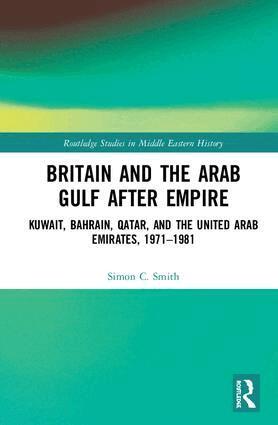
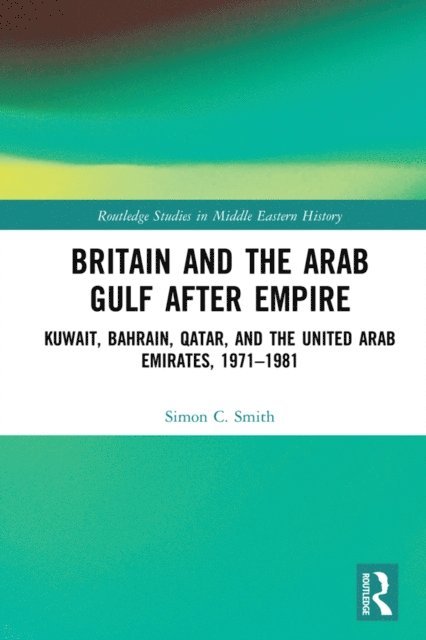
Britain and the Arab Gulf after Empire
Kuwait, Bahrain, Qatar, and the United Arab Emirates, 1971-1981
Häftad, 2020
740 kr
Lägg i varukorg
Although Britain’s formal imperial role in the smaller, oil-rich Sheikhdoms of the Arab Gulf – Kuwait, Bahrain, Qatar, and the United Arab Emirates – ended in 1971, Britain continued to have a strong interest and continuing presence in the region. This book explores the nature of Britain’s role …
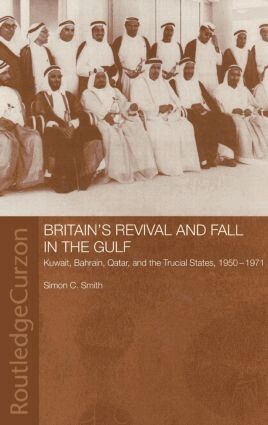
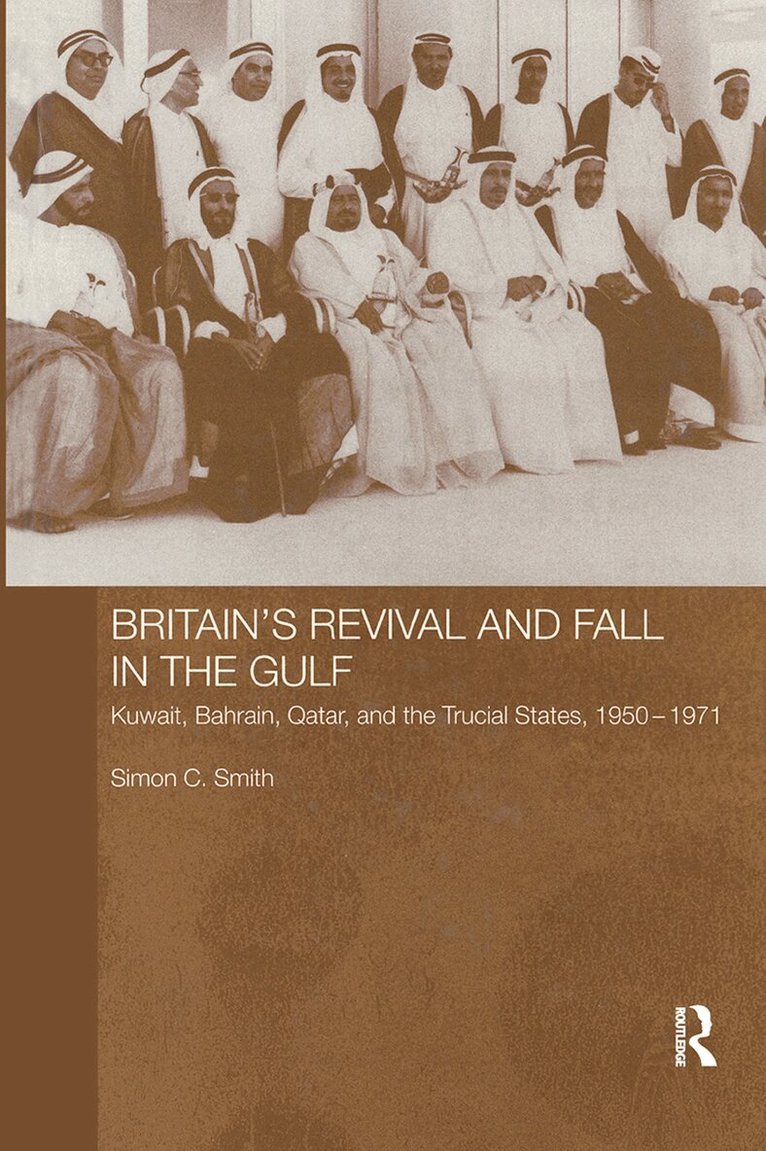
Britain's Revival and Fall in the Gulf
Kuwait, Bahrain, Qatar, and the Trucial States, 1950-71
Inbunden, 2004
2578 kr
Lägg i varukorg
Britain's relationship with the Gulf region remains one of the few unexplored episodes in the study of British decolonization. The decision, announced in 1968, to leave the Gulf within three years represented an explicit recognition by Britain that its 'East of Suez' role was at an end. This book …
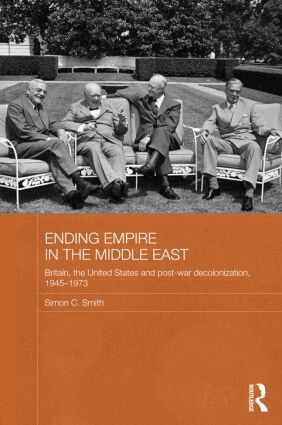
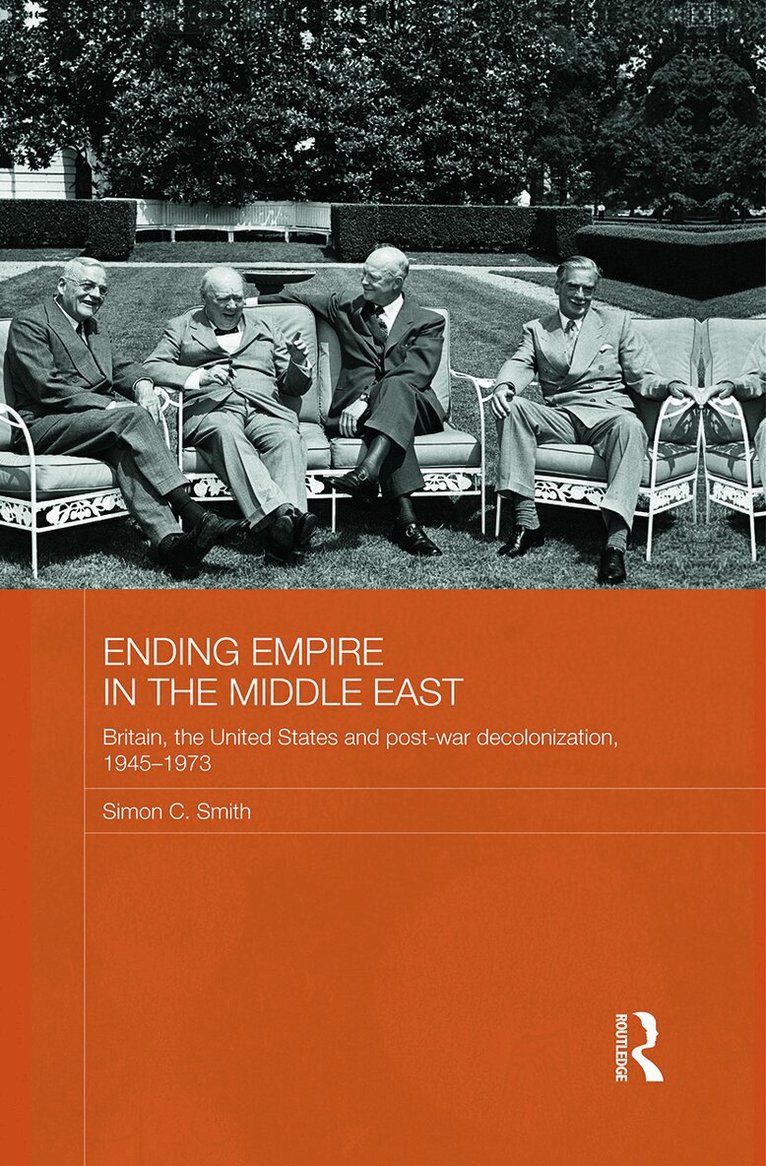
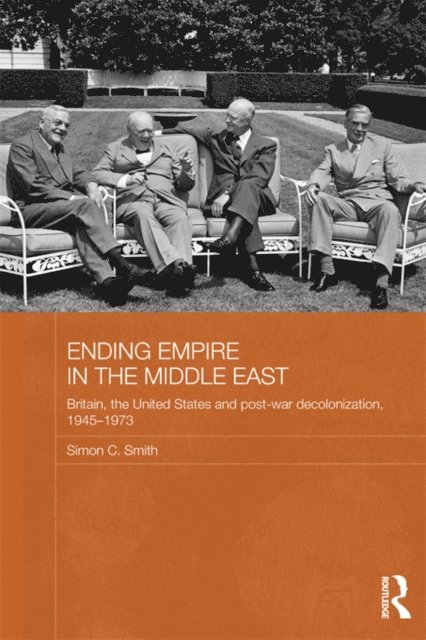
Ending Empire in the Middle East
Britain, the United States and Post-war Decolonization, 1945-1973
Inbunden, 2012
2586 kr
Lägg i varukorg
This book is a major and wide-ranging re-assessment of Anglo-American relations in the Middle Eastern context. It analyses the process of ending of empire in the Middle East from 1945 to the Yom Kippur War of 1973. Based on original research into both British and American archival sources, it …
Britain's Revival and Fall in the Gulf
Kuwait, Bahrain, Qatar, and the Trucial States, 1950-71
Häftad, 2013
934 kr
Lägg i varukorg
Britain's relationship with the Gulf region remains one of the few unexplored episodes in the study of British decolonization. The decision, announced in 1968, to leave the Gulf within three years represented an explicit recognition by Britain that its 'East of Suez' role was at an end. This book …
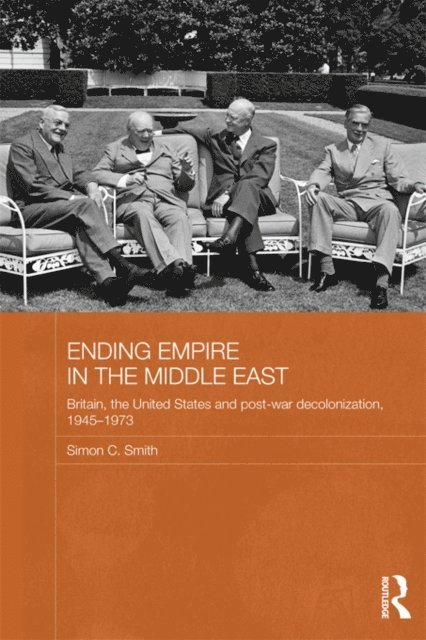
Ending Empire in the Middle East
Britain, the United States and Post-war Decolonization, 1945-1973
Häftad, 2013
934 kr
Lägg i varukorg
This book is a major and wide-ranging re-assessment of Anglo-American relations in the Middle Eastern context. It analyses the process of ending of empire in the Middle East from 1945 to the Yom Kippur War of 1973. Based on original research into both British and American archival sources, it …
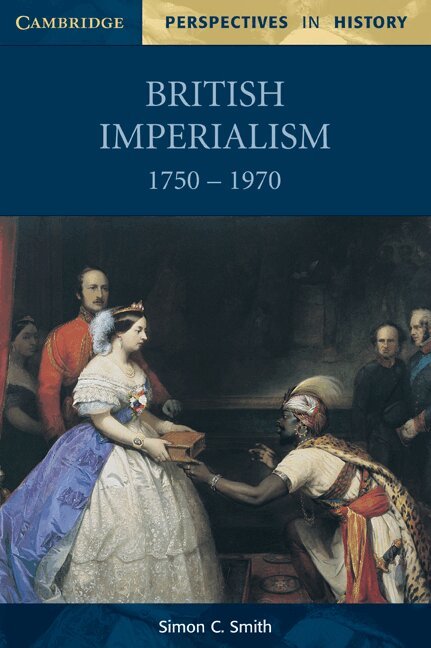
British Imperialism 1750-1970
Av Simon C. Smith, Richard Brown m. fl.
Häftad, 1998
269 kr
Lägg i varukorg
Cambridge Perspectives in History provides a range of textbooks and advanced history courses, focusing on key periods and themes in British and European history.
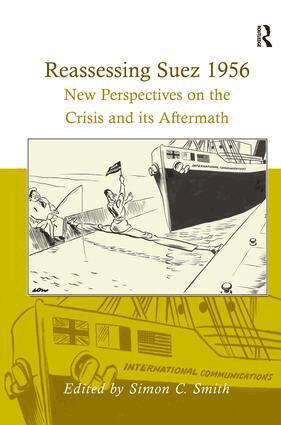
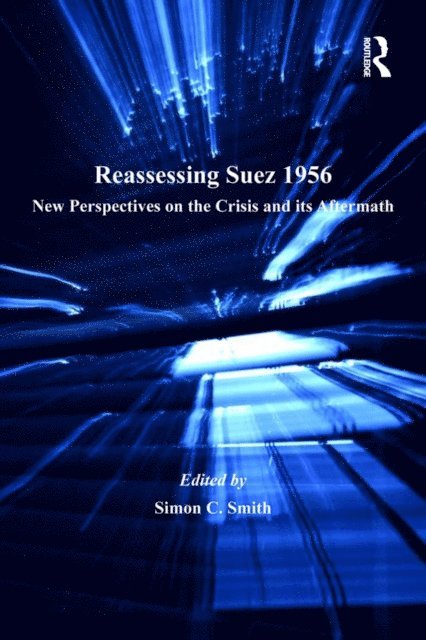
Reassessing Suez 1956
New Perspectives on the Crisis and its Aftermath
Inbunden, 2008
2578 kr
Lägg i varukorg
The nationalization of the Suez Canal in 1956 triggered one of the gravest international crises since the Second World War. The fiftieth anniversary of the Suez crisis in 2006 presented an ideal opportunity to re-visit and reassess this seminal episode in post-war history. Although much has been …
Britain's Revival and Fall in the Gulf
Kuwait, Bahrain, Qatar, and the Trucial States, 1950-71
E-bok, 2004
1071 kr
Lägg i varukorg
Britain''s relationship with the Gulf region remains one of the few unexplored episodes in the study of British decolonization. The decision, announced in 1968, to leave the Gulf within three years represented an explicit recognition by Britain that its ''East of Suez'' role was at an end. This …
Britain's Revival and Fall in the Gulf
Kuwait, Bahrain, Qatar, and the Trucial States, 1950-71
E-bok, 2004
1106 kr
Lägg i varukorg
Britain''s relationship with the Gulf region remains one of the few unexplored episodes in the study of British decolonization. The decision, announced in 1968, to leave the Gulf within three years represented an explicit recognition by Britain that its ''East of Suez'' role was at an end. This …
Ending Empire in the Middle East
Britain, the United States and Post-war Decolonization, 1945-1973
E-bok, 2013
1074 kr
Lägg i varukorg
This book is a major and wide-ranging re-assessment of Anglo-American relations in the Middle Eastern context. It analyses the process of ending of empire in the Middle East from 1945 to the Yom Kippur War of 1973. Based on original research into both British and American archival sources, it …
Ending Empire in the Middle East
Britain, the United States and Post-war Decolonization, 1945-1973
E-bok, 2013
1074 kr
Lägg i varukorg
This book is a major and wide-ranging re-assessment of Anglo-American relations in the Middle Eastern context. It analyses the process of ending of empire in the Middle East from 1945 to the Yom Kippur War of 1973. Based on original research into both British and American archival sources, it …
Britain and the Arab Gulf after Empire
Kuwait, Bahrain, Qatar, and the United Arab Emirates, 1971-1981
Inbunden, 2019
2586 kr
Lägg i varukorg
Although Britain’s formal imperial role in the smaller, oil-rich Sheikhdoms of the Arab Gulf – Kuwait, Bahrain, Qatar, and the United Arab Emirates – ended in 1971, Britain continued to have a strong interest and continuing presence in the region. This book explores the nature of Britain’s role …
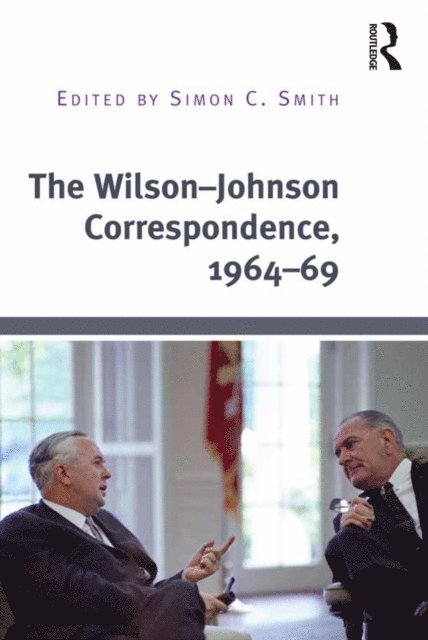
Wilson-Johnson Correspondence, 1964-69
E-bok, 2016
882 kr
Lägg i varukorg
Less than a year after the assassination of President Kennedy brought Lyndon B. Johnson to the White House, Harold Wilson became British Prime Minister. Over the next four years, the two men governed their countries through unprecedented crises, both domestic and international. To provide a better …
Wilson-Johnson Correspondence, 1964-69
E-bok, 2016
863 kr
Lägg i varukorg
Less than a year after the assassination of President Kennedy brought Lyndon B. Johnson to the White House, Harold Wilson became British Prime Minister. Over the next four years, the two men governed their countries through unprecedented crises, both domestic and international. To provide a better …
Reassessing Suez 1956
New Perspectives on the Crisis and its Aftermath
E-bok, 2016
856 kr
Lägg i varukorg
The nationalization of the Suez Canal in 1956 triggered one of the gravest international crises since the Second World War. The fiftieth anniversary of the Suez crisis in 2006 presented an ideal opportunity to re-visit and reassess this seminal episode in post-war history. Although much has been …
Reassessing Suez 1956
New Perspectives on the Crisis and its Aftermath
E-bok, 2016
831 kr
Lägg i varukorg
The nationalization of the Suez Canal in 1956 triggered one of the gravest international crises since the Second World War. The fiftieth anniversary of the Suez crisis in 2006 presented an ideal opportunity to re-visit and reassess this seminal episode in post-war history. Although much has been …
Britain and the Arab Gulf after Empire
Kuwait, Bahrain, Qatar, and the United Arab Emirates, 1971-1981
E-bok, 2019
849 kr
Lägg i varukorg
Although Britain’s formal imperial role in the smaller, oil-rich sheikdoms of the Arab Gulf – Kuwait, Bahrain, Qatar and the United Arab Emirates – ended in 1971, Britain continued to have a strong interest and continuing presence in the region. This book explores the nature of Britain’s …
Britain and the Arab Gulf after Empire
Kuwait, Bahrain, Qatar, and the United Arab Emirates, 1971-1981
E-bok, 2019
874 kr
Lägg i varukorg
Although Britain’s formal imperial role in the smaller, oil-rich sheikdoms of the Arab Gulf – Kuwait, Bahrain, Qatar and the United Arab Emirates – ended in 1971, Britain continued to have a strong interest and continuing presence in the region. This book explores the nature of Britain’s …
Wilson–Johnson Correspondence, 1964–69
Inbunden, 2015
2658 kr
Lägg i varukorg
Less than a year after the assassination of President Kennedy brought Lyndon B. Johnson to the White House, Harold Wilson became British Prime Minister. Over the next four years, the two men governed their countries through unprecedented crises, both domestic and international. To provide a better …