Simon Cavicchia – författare
2 010 kr
Skickas inom 10-15 vardagar
473 kr
Skickas inom 10-15 vardagar
523 kr
Läs direkt efter köp
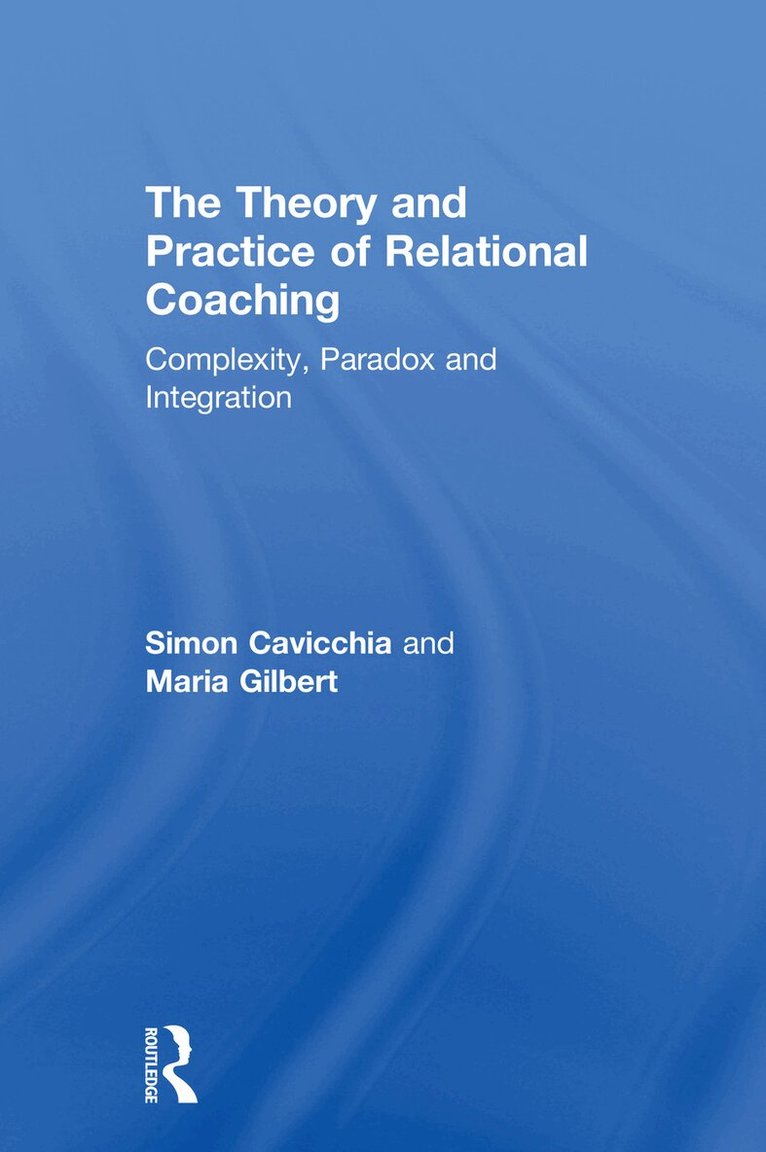
The ''relational turn'' is a movement affecting a range of disciplines including neuroscience, psychoanalysis, psychotherapy, organisational consulting and, more recently, coaching. Its primary focus is on the centrality of human relating in determining how individuals develop, make meaning and function individually and collectively.
In The Theory and Practice of Relational Coaching: Complexity, Paradox and Integration, Simon Cavicchia and Maria Gilbert expand existing coaching theory and practice to focus on the implications of the relational turn for how coaches and clients think about the nature of identity, the self, change, learning, and individual and organisational development. Drawing on perspectives as varied as relational neuroscience, the relational foundations of personality development, psychoanalysis, psychotherapy, shame, vulnerability, complexity and systems ideas, the authors shed light on many of the paradoxes and challenges facing coaches and their clients in today’s fast-paced, volatile and uncertain organisational environments. These include holding tensions such as the uniqueness of individual needs with the requirements of organisational contexts, managing multiple stakeholder expectations and networks and balancing linear approaches to change with adjusting to emerging and unpredictable events.
Given the ever-increasing volatility, complexity and uncertainty that coaches and their clients face, The Theory and Practice of Relational Coaching guides the reader through a series of illuminating perspectives, examples and practical suggestions. These will enable coaches to integrate a more relational orientation in their work and extend their range and that of their clients for responding creatively to the challenges of modern organisational life. The book will appeal to coaches and coaching psychologists in practice and training, as well as counsellors and psychotherapists retraining as coaches.
535 kr
Läs direkt efter köp
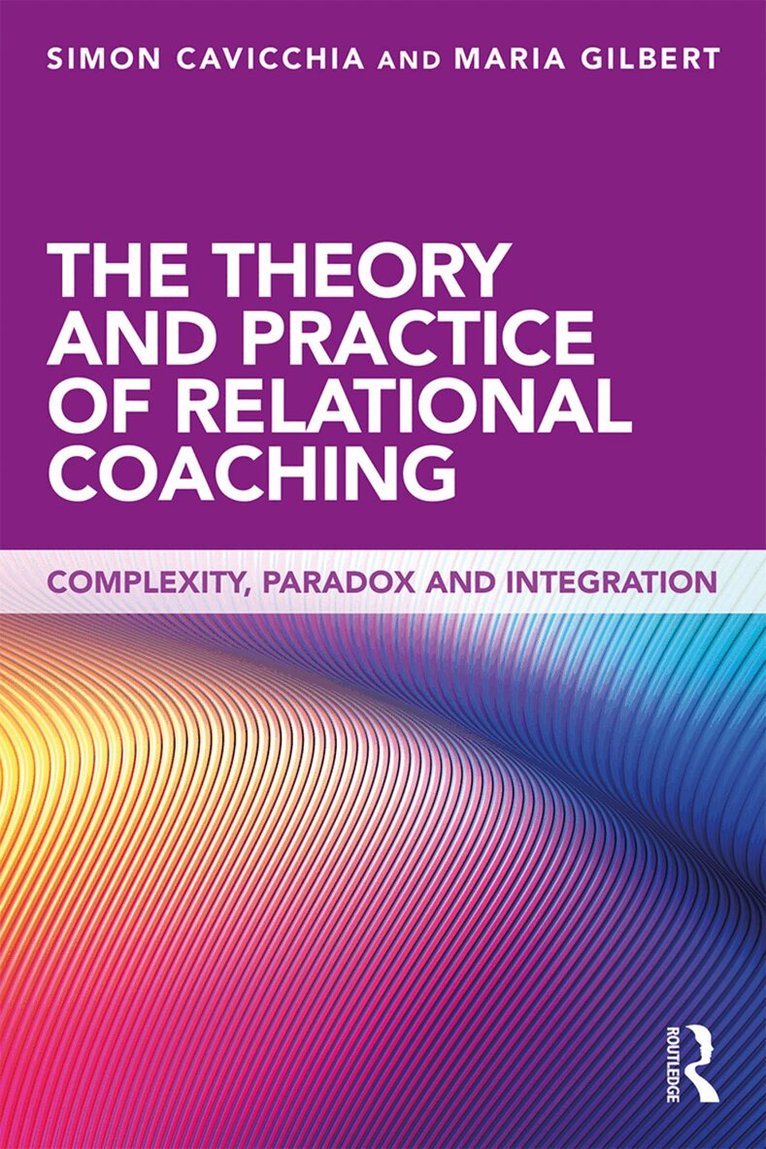
The ''relational turn'' is a movement affecting a range of disciplines including neuroscience, psychoanalysis, psychotherapy, organisational consulting and, more recently, coaching. Its primary focus is on the centrality of human relating in determining how individuals develop, make meaning and function individually and collectively.
In The Theory and Practice of Relational Coaching: Complexity, Paradox and Integration, Simon Cavicchia and Maria Gilbert expand existing coaching theory and practice to focus on the implications of the relational turn for how coaches and clients think about the nature of identity, the self, change, learning, and individual and organisational development. Drawing on perspectives as varied as relational neuroscience, the relational foundations of personality development, psychoanalysis, psychotherapy, shame, vulnerability, complexity and systems ideas, the authors shed light on many of the paradoxes and challenges facing coaches and their clients in today’s fast-paced, volatile and uncertain organisational environments. These include holding tensions such as the uniqueness of individual needs with the requirements of organisational contexts, managing multiple stakeholder expectations and networks and balancing linear approaches to change with adjusting to emerging and unpredictable events.
Given the ever-increasing volatility, complexity and uncertainty that coaches and their clients face, The Theory and Practice of Relational Coaching guides the reader through a series of illuminating perspectives, examples and practical suggestions. These will enable coaches to integrate a more relational orientation in their work and extend their range and that of their clients for responding creatively to the challenges of modern organisational life. The book will appeal to coaches and coaching psychologists in practice and training, as well as counsellors and psychotherapists retraining as coaches.
2 261 kr
Skickas inom 11-20 vardagar
Simon Cavicchia has oriented Clarkson’s seminal work of Gestalt Counselling in Action within a more contemporary context, adding voices of significant and divergent thinkers as counter-point and extensions of the author’s work. Michael Clemmens, Gestalt Institute of Cleveland, USA
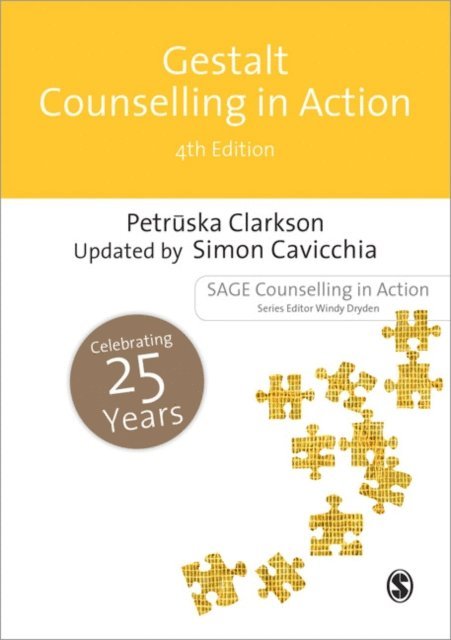
This popular and well written book which is now in its 4th edition provides an accessible and thorough introduction to the Gestalt approach. Danny Porter, Manchester Gestalt Centre Now 24 years old with over 40,000 copies sold worldwide, Petruska Clarkson’s classic text is the definitive introduction to Gestalt therapy. This fourth edition, updated by Simon Cavicchia, covers the latest in Gestalt theory, research and practice. It includes:
An extended case study running through the book to help you understand the process of therapy and the techniques used in each of the phases. Learning features and case examples translating theory into practice. New ‘reflection sections’ showing you the most recent developments in the field. New material on the relational turn and research.As a student of Gestalt therapy, this is the one book you need to buy; it offers a uniquely practical and accessible approach to an often complex topic.
Petruska Clarkson was a professor and fellow of the British Association for Counselling and Fellow of the British Psychological Society. Petruska sadly passed away in 2006.
Simon Cavicchia is a primary tutor on the MSc in Gestalt Psychotherapy and Joint Programme Leader of the MSc in Coaching Psychology/MA in Psychological Coaching, both at Metanoia Institute, London.
616 kr
Skickas inom 5-8 vardagar
Simon Cavicchia has oriented Clarkson’s seminal work of Gestalt Counselling in Action within a more contemporary context, adding voices of significant and divergent thinkers as counter-point and extensions of the author’s work. Michael Clemmens, Gestalt Institute of Cleveland, USA
This popular and well written book which is now in its 4th edition provides an accessible and thorough introduction to the Gestalt approach. Danny Porter, Manchester Gestalt Centre Now 24 years old with over 40,000 copies sold worldwide, Petruska Clarkson’s classic text is the definitive introduction to Gestalt therapy. This fourth edition, updated by Simon Cavicchia, covers the latest in Gestalt theory, research and practice. It includes:
An extended case study running through the book to help you understand the process of therapy and the techniques used in each of the phases. Learning features and case examples translating theory into practice. New ‘reflection sections’ showing you the most recent developments in the field. New material on the relational turn and research.As a student of Gestalt therapy, this is the one book you need to buy; it offers a uniquely practical and accessible approach to an often complex topic.
Petruska Clarkson was a professor and fellow of the British Association for Counselling and Fellow of the British Psychological Society. Petruska sadly passed away in 2006.
Simon Cavicchia is a primary tutor on the MSc in Gestalt Psychotherapy and Joint Programme Leader of the MSc in Coaching Psychology/MA in Psychological Coaching, both at Metanoia Institute, London.
571 kr
Läs direkt efter köp
Simon Cavicchia has oriented Clarkson’s seminal work of Gestalt Counselling in Action within a more contemporary context, adding voices of significant and divergent thinkers as counter-point and extensions of the author’s work. Michael Clemmens, Gestalt Institute of Cleveland, USA
This popular and well written book which is now in its 4th edition provides an accessible and thorough introduction to the Gestalt approach. Danny Porter, Manchester Gestalt Centre Now 24 years old with over 40,000 copies sold worldwide, Petruska Clarkson’s classic text is the definitive introduction to Gestalt therapy. This fourth edition, updated by Simon Cavicchia, covers the latest in Gestalt theory, research and practice. It includes:
An extended case study running through the book to help you understand the process of therapy and the techniques used in each of the phases. Learning features and case examples translating theory into practice. New ‘reflection sections’ showing you the most recent developments in the field. New material on the relational turn and research.As a student of Gestalt therapy, this is the one book you need to buy; it offers a uniquely practical and accessible approach to an often complex topic.
Petruska Clarkson was a professor and fellow of the British Association for Counselling and Fellow of the British Psychological Society. Petruska sadly passed away in 2006.
Simon Cavicchia is a primary tutor on the MSc in Gestalt Psychotherapy and Joint Programme Leader of the MSc in Coaching Psychology/MA in Psychological Coaching, both at Metanoia Institute, London.
375 kr
Läs direkt efter köp
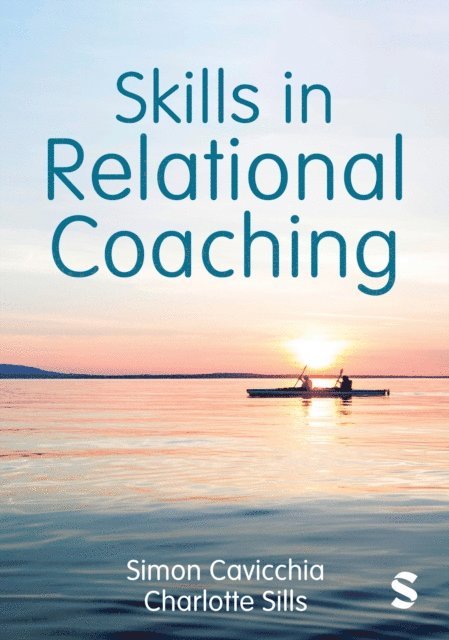
This illuminating guide to the core skills and techniques of the relational approach to coaching brings the intersubjective, collaborative relationship between coach and client into focus. The authors use key case examples from a variety of settings to illustrate the skills needed at different stages of the coaching relationship, including chapters on:
· Establishing the Working Alliance
· Inquiring Collaboratively
· Use of Self
· The Presenting Past
· Enactments, Games, Ruptures and Repairs
· Endings in Coaching
Filled with a variety of exercises and reflective questions, this will be an invaluable resource for trainee coaches or those already practicing wishing to refine their skills.
365 kr
Skickas inom 5-8 vardagar
This illuminating guide to the core skills and techniques of the relational approach to coaching brings the intersubjective, collaborative relationship between coach and client into focus. The authors use key case examples from a variety of settings to illustrate the skills needed at different stages of the coaching relationship, including chapters on:
· Establishing the Working Alliance
· Inquiring Collaboratively
· Use of Self
· The Presenting Past
· Enactments, Games, Ruptures and Repairs
· Endings in Coaching
Filled with a variety of exercises and reflective questions, this will be an invaluable resource for trainee coaches or those already practicing wishing to refine their skills.
1 027 kr
Skickas inom 5-8 vardagar
This illuminating guide to the core skills and techniques of the relational approach to coaching brings the intersubjective, collaborative relationship between coach and client into focus. The authors use key case examples from a variety of settings to illustrate the skills needed at different stages of the coaching relationship, including chapters on:
· Establishing the Working Alliance
· Inquiring Collaboratively
· Use of Self
· The Presenting Past
· Enactments, Games, Ruptures and Repairs
· Endings in Coaching
Filled with a variety of exercises and reflective questions, this will be an invaluable resource for trainee coaches or those already practicing wishing to refine their skills.