Simon Constantine – författare
Visar alla böcker från författaren Simon Constantine. Handla med fri frakt och snabb leverans.
8 produkter
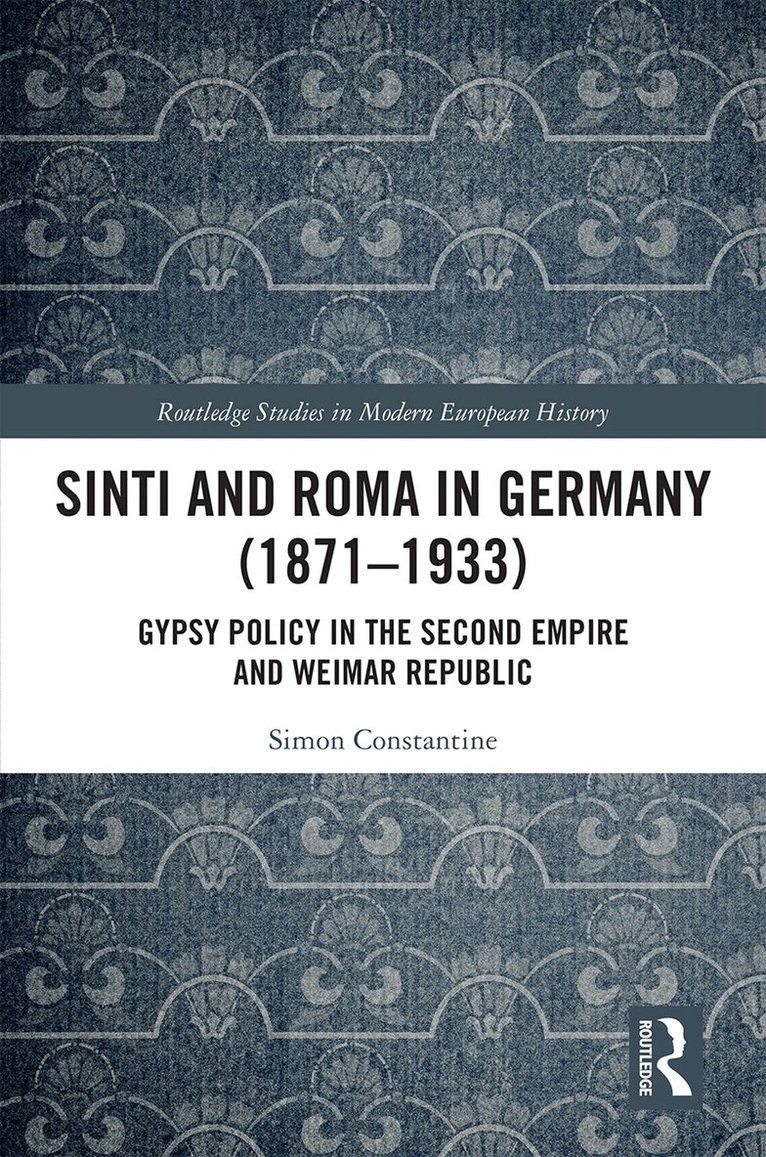
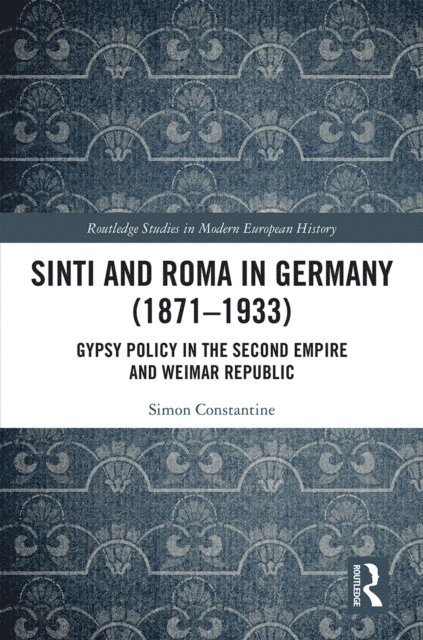
Sinti and Roma in Germany (1871-1933)
Gypsy Policy in the Second Empire and Weimar Republic
Häftad, 2022
727 kr
Lägg i varukorg
This book concerns the persecution of the Sinti and Roma in Germany during the Second Empire (1871–1918) and Weimar Republic (1919–1933). It traces the ways in which discriminatory treatment towards 'Gypsies' developed in a state ostensibly committed to individual liberty and equal treatment under …
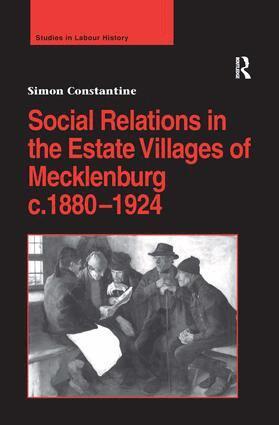
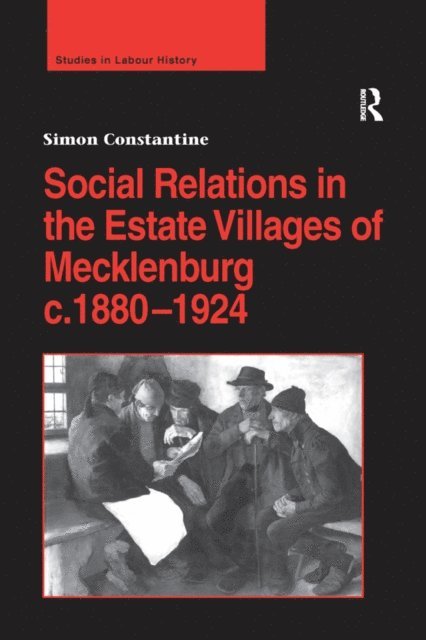
Social Relations in the Estate Villages of Mecklenburg c.1880–1924
Inbunden, 2007
3262 kr
Lägg i varukorg
Research on late nineteenth and early twentieth century German society has concentrated overwhelmingly on life in the cities. By contrast, and despite the fact that almost one third of Germans were still working in agriculture as late as 1914, Germany's rural society remains relatively unexplored. …
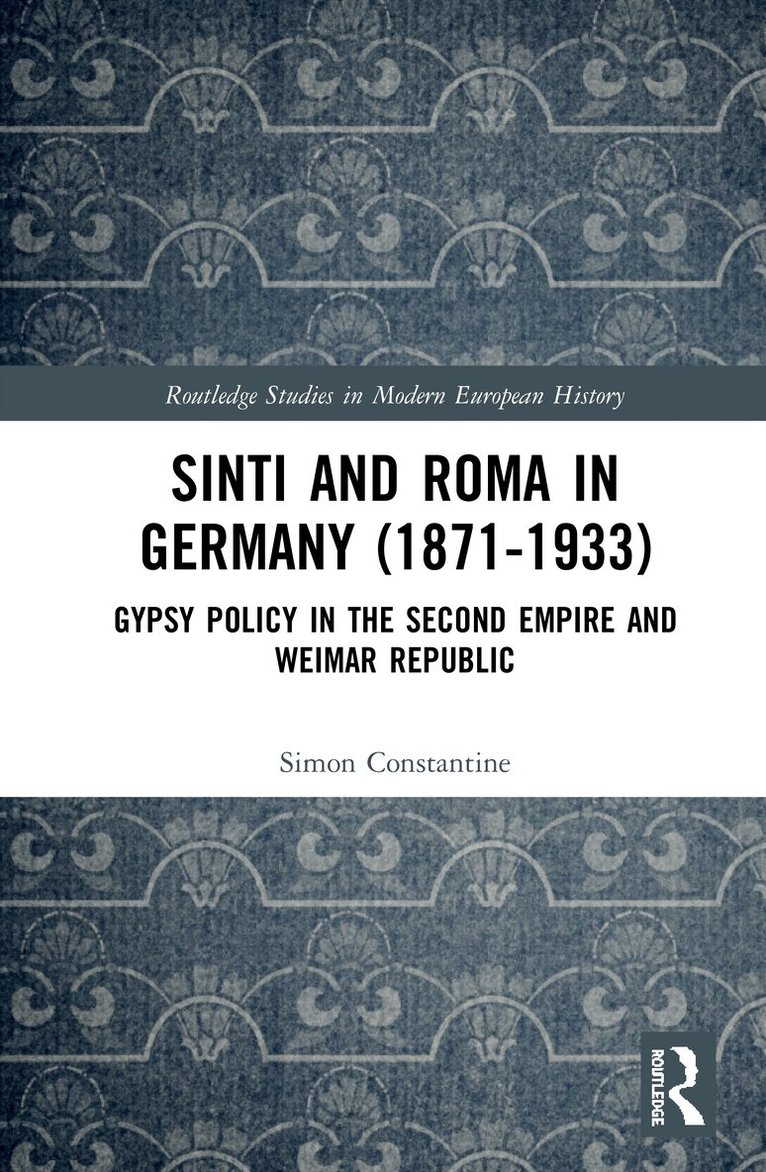
Sinti and Roma in Germany (1871-1933)
Gypsy Policy in the Second Empire and Weimar Republic
Inbunden, 2020
2588 kr
Lägg i varukorg
This book concerns the persecution of the Sinti and Roma in Germany during the Second Empire (1871–1918) and Weimar Republic (1919–1933). It traces the ways in which discriminatory treatment towards 'Gypsies' developed in a state ostensibly committed to individual liberty and equal treatment under …
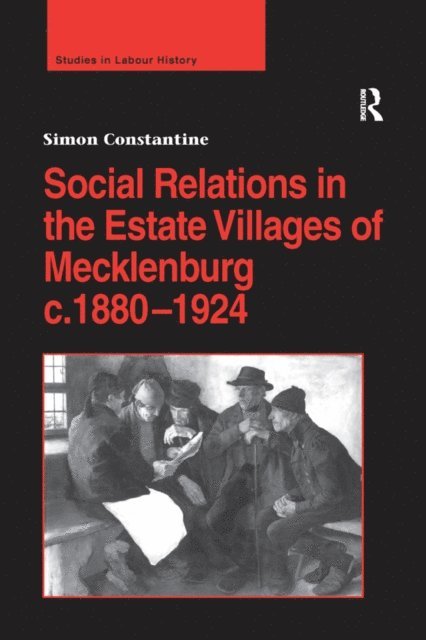
Social Relations in the Estate Villages of Mecklenburg c.1880–1924
Häftad, 2016
832 kr
Lägg i varukorg
Research on late nineteenth and early twentieth century German society has concentrated overwhelmingly on life in the cities. By contrast, and despite the fact that almost one third of Germans were still working in agriculture as late as 1914, Germany's rural society remains relatively unexplored. …
Sinti and Roma in Germany (1871-1933)
Gypsy Policy in the Second Empire and Weimar Republic
E-bok, 2020
856 kr
Lägg i varukorg
This book concerns the persecution of the Sinti and Roma in Germany during the Second Empire (1871–1918) and Weimar Republic (1919–1933). It traces the ways in which discriminatory treatment towards ''Gypsies'' developed in a state ostensibly committed to individual liberty and equal treatment …
Sinti and Roma in Germany (1871-1933)
Gypsy Policy in the Second Empire and Weimar Republic
E-bok, 2020
856 kr
Lägg i varukorg
This book concerns the persecution of the Sinti and Roma in Germany during the Second Empire (1871–1918) and Weimar Republic (1919–1933). It traces the ways in which discriminatory treatment towards ''Gypsies'' developed in a state ostensibly committed to individual liberty and equal treatment …
Social Relations in the Estate Villages of Mecklenburg c.1880-1924
E-bok, 2016
981 kr
Lägg i varukorg
Research on late nineteenth and early twentieth century German society has concentrated overwhelmingly on life in the cities. By contrast, and despite the fact that almost one third of Germans were still working in agriculture as late as 1914, Germany''s rural society remains relatively unexplored. …
Social Relations in the Estate Villages of Mecklenburg c.1880-1924
E-bok, 2016
981 kr
Lägg i varukorg
Research on late nineteenth and early twentieth century German society has concentrated overwhelmingly on life in the cities. By contrast, and despite the fact that almost one third of Germans were still working in agriculture as late as 1914, Germany''s rural society remains relatively unexplored. …