Simon Cotton – författare
Visar alla böcker från författaren Simon Cotton. Handla med fri frakt och snabb leverans.
14 produkter
14 produkter
698 kr
Skickas inom 10-15 vardagar
From cooking to medicine, from engineering to art, chemistry—the science of molecules—is everywhere.A celebration of the molecules of chemistry, Every Molecule Tells a Story celebrates the molecules responsible for the experiences of everyday life: the air we breathe; the water we drink; the chemicals that fuel our living; the steroids that give us sex; the colours of the seasons; the drugs that heal us; and the scented molecules that enrich our diet and our encounters with each other. You can’t see them, but you know that they are there.Unveiling the structures of poisonous "natural" substances and beneficial man-made molecules, this book brushes away any preconceived notions about chemistry to demonstrate why and how molecules matter.
2 390 kr
Tillfälligt slut
578 kr
Tillfälligt slut
1 705 kr
Skickas inom 5-8 vardagar
Every Molecule Tells a Story, Second Edition continues the celebration of molecules responsible for the experiences of everyday life: the air we breathe, the water we drink, the chemicals that fuel our living, the steroids that give us sex, the colours of the seasons, the drugs that heal us, and the scented molecules that enrich our diet and our encounters with each other. You can’t see them, but you know that they are there. This latest edition presents new sections, including odorants, including their potential in the diagnosis of diseases and the possibility that they may improve our memory. Environmental issues appear, such as air pollution – both outdoors and indoor – and the need for recycling of plastics. It does not pass over the dangers of some chemicals, whether abused drugs, for example oxycodone and the fentanyls, or nerve agents, notably the Novichoks. Based on the highly successful first edition, this book brushes away any preconceived notions about chemistry to demonstrate its importance.Key FeaturesThe author introduces his molecular collection by explaining the relevance of chemistry in our everyday lives.New discoveries are reflected in existing chapters.The chemicals are frequently put in context of their human associations, so that the book goes beyond just ‘the chemistry’.A celebration of the molecules of chemistry.
772 kr
Skickas
Every Molecule Tells a Story, Second Edition continues the celebration of molecules responsible for the experiences of everyday life: the air we breathe, the water we drink, the chemicals that fuel our living, the steroids that give us sex, the colours of the seasons, the drugs that heal us, and the scented molecules that enrich our diet and our encounters with each other. You can’t see them, but you know that they are there. This latest edition presents new sections, including odorants, including their potential in the diagnosis of diseases and the possibility that they may improve our memory. Environmental issues appear, such as air pollution – both outdoors and indoor – and the need for recycling of plastics. It does not pass over the dangers of some chemicals, whether abused drugs, for example oxycodone and the fentanyls, or nerve agents, notably the Novichoks. Based on the highly successful first edition, this book brushes away any preconceived notions about chemistry to demonstrate its importance.Key FeaturesThe author introduces his molecular collection by explaining the relevance of chemistry in our everyday lives.New discoveries are reflected in existing chapters.The chemicals are frequently put in context of their human associations, so that the book goes beyond just ‘the chemistry’.A celebration of the molecules of chemistry.
197 kr
Skickas inom 5-8 vardagar
655 kr
Skickas inom 10-15 vardagar
Every Molecule Matters is a successor to the author’s earlier Every Molecule Tells a Story and tells the story of a wide range of molecules.These range from the familiar odours that enhance the pleasure of eating (and the spices that add piquancy) to the vitamins vital to our survival, as well as the ways in which insects and plants use chemicals to protect themselves. There’s controversy surrounding the compounds of chlorine, which encompass life‑supporting anaesthetics and natural antibiotics, as well as insecticides like DDT, which saved innumerable lives but became an environmental cause célèbre. Through the addictive power of nicotine, smoking tobacco transformed from a curiosity imported from the Americas into a megapound industry that has caused significant human illness and death. And how safe is vaping? Discover the painkillers that have become drugs of abuse, and smile at the smelly sulfur compounds that serve as unpleasant human odorants (and defence molecules for skunks), control natural cycles in the environment or act as flavourings in wine. You will discover them all here.This book showcases the structures of hundreds of compounds used by humans, animals and plants. Some are beneficial; some are not. Find out here why you should be better informed about them.This collection of molecules includes human issues, such as the chemistry of vaping, and drugs of abuse, including ‘spice’, nitazenes and fentanyl‘Chemistry of Everyday’ includes vitamins and the molecules that give foods their aromas and appetizing appealThe chemistry of nature ‑ how plants and insects use chemicals to defend themselves against potential predators, whether humans, birds, animals or other insectsOrganohalogen compounds, encompassing the atmosphere-damaging CFCs and their replacements, and the chlorine compounds that are important medicines (e.g. vancomycin)Using isotopes, from archaeologists faced by mysteries of ancient Rome and silver from Spanish conquistadors, to tracking down the origin of South American cocaine and solving the ‘Scissor Sister’ murder case
1 376 kr
Skickas inom 10-15 vardagar
Every Molecule Matters is a successor to the author’s earlier Every Molecule Tells a Story and tells the story of a wide range of molecules.These range from the familiar odours that enhance the pleasure of eating (and the spices that add piquancy) to the vitamins vital to our survival, as well as the ways in which insects and plants use chemicals to protect themselves. There’s controversy surrounding the compounds of chlorine, which encompass life‑supporting anaesthetics and natural antibiotics, as well as insecticides like DDT, which saved innumerable lives but became an environmental cause célèbre. Through the addictive power of nicotine, smoking tobacco transformed from a curiosity imported from the Americas into a megapound industry that has caused significant human illness and death. And how safe is vaping? Discover the painkillers that have become drugs of abuse, and smile at the smelly sulfur compounds that serve as unpleasant human odorants (and defence molecules for skunks), control natural cycles in the environment or act as flavourings in wine. You will discover them all here.This book showcases the structures of hundreds of compounds used by humans, animals and plants. Some are beneficial; some are not. Find out here why you should be better informed about them.This collection of molecules includes human issues, such as the chemistry of vaping, and drugs of abuse, including ‘spice’, nitazenes and fentanyl‘Chemistry of Everyday’ includes vitamins and the molecules that give foods their aromas and appetizing appealThe chemistry of nature ‑ how plants and insects use chemicals to defend themselves against potential predators, whether humans, birds, animals or other insectsOrganohalogen compounds, encompassing the atmosphere-damaging CFCs and their replacements, and the chlorine compounds that are important medicines (e.g. vancomycin)Using isotopes, from archaeologists faced by mysteries of ancient Rome and silver from Spanish conquistadors, to tracking down the origin of South American cocaine and solving the ‘Scissor Sister’ murder case
800 kr
Kommande
Fifty Fascinating Molecules From A to Z, Volume 1 follows on from the author’s earlier Every Molecule Tells a Story and Every Molecule Matters, and also relate the stories of a wide range of molecules.They encompass familiar names - medicines including aspirin, cisplatin and morphine; flavourings such as menthol and vanilla; and substances of abuse like cocaine and methamphetamine. But there are the unexpected, like the poisons that crop in the stories of James Bond and Dr Crippen; the molecules that give chillies and mustard their particular charm; the polymers that the 20th century made a part of everyday life – polythene, nylon and terylene; and other everyday molecules, such as hexenal, with a role in the smell of a summer’s day; dimethyl sulphide, which will takes you to the seaside, and water, a substance that so many take for granted. It is not just about molecules. Chemicals like the medicines that we rely on were brought to use by scientists. Read about these molecules and their creators here.Key FeaturesMany important medicinal molecules are featured, including Artemisinin; Aspirin; Atropine; Cisplatin; Codeine; Ivermectin; Mefloquine; Morphine; Paracetamol; Penicillin; Quinine; Streptomycin; Sulfanilamide; Taxol; Tetracycline; and Thalidomide. Numerous abused drugs of importance are featured, including Cathinones & Khat; Cocaine; Desomorphine; Fentanyl; Heroin (Morphine); LSD; Methamphetamine; and Oxycodone; ‘Spice’. Several important polymers are discussed, including Nylon; Polythene; and Terylene. Several molecules important in the environment are included, such as Dichlorodifluoromethae (CF2Cl2); Chloromethane; Dimethylsulfide; Octane (and isooctane); Water. The text also covers a number of molecules with particular smells and/or flavours, such as 2-acetylpyrroline; Capsaicin; Chanel No. 5; Cinnamaldehyde; Limonene; Menthol; and Vanillin. The book is complemented by a widely encompassing bibliography of approaching 1000 references from the original literature, which supply all the background you could reasonably expect for each one of the molecules detailed in all the chapters.
1 450 kr
Kommande
Fifty Fascinating Molecules From A to Z, Volume 1 follows on from the author’s earlier Every Molecule Tells a Story and Every Molecule Matters, and also relate the stories of a wide range of molecules.They encompass familiar names - medicines including aspirin, cisplatin and morphine; flavourings such as menthol and vanilla; and substances of abuse like cocaine and methamphetamine. But there are the unexpected, like the poisons that crop in the stories of James Bond and Dr Crippen; the molecules that give chillies and mustard their particular charm; the polymers that the 20th century made a part of everyday life – polythene, nylon and terylene; and other everyday molecules, such as hexenal, with a role in the smell of a summer’s day; dimethyl sulphide, which will takes you to the seaside, and water, a substance that so many take for granted. It is not just about molecules. Chemicals like the medicines that we rely on were brought to use by scientists. Read about these molecules and their creators here.Key FeaturesMany important medicinal molecules are featured, including Artemisinin; Aspirin; Atropine; Cisplatin; Codeine; Ivermectin; Mefloquine; Morphine; Paracetamol; Penicillin; Quinine; Streptomycin; Sulfanilamide; Taxol; Tetracycline; and Thalidomide. Numerous abused drugs of importance are featured, including Cathinones & Khat; Cocaine; Desomorphine; Fentanyl; Heroin (Morphine); LSD; Methamphetamine; and Oxycodone; ‘Spice’. Several important polymers are discussed, including Nylon; Polythene; and Terylene. Several molecules important in the environment are included, such as Dichlorodifluoromethae (CF2Cl2); Chloromethane; Dimethylsulfide; Octane (and isooctane); Water. The text also covers a number of molecules with particular smells and/or flavours, such as 2-acetylpyrroline; Capsaicin; Chanel No. 5; Cinnamaldehyde; Limonene; Menthol; and Vanillin. The book is complemented by a widely encompassing bibliography of approaching 1000 references from the original literature, which supply all the background you could reasonably expect for each one of the molecules detailed in all the chapters.
951 kr
Skickas
LANTHANIDE AND ACTINIDE CHEMISTRY Lanthanides and actinides, also known as “f elements,” are a group of metals which share certain important properties and aspects of electronic structure. They have a huge range of applications in the production of electronic devices, magnets, superconductors, fuel cells, sensors, and more. The cursory treatment of these important metals in most inorganic chemistry textbooks makes a book-length treatment essential. Since 2006, Lanthanide and Actinide Chemistry has met this need with a thorough, accessible overview. With in-depth accounts of the lanthanides, actinides, and transactinides, this book is ideal for both undergraduate and postgraduate students in inorganic chemistry or chemical engineering courses. Now updated to reflect groundbreaking recent research, this promises to continue as the essential introductory volume on the subject. Readers of the second edition of Lanthanide and Actinide Chemistry will also find: New and expanded subject areas including lanthanide enzymes, single-molecule magnets, luminescence and upconversion, organometallic and coordination chemistry; and many more.Up-to-date information on the myriad modern applications of f-elementsLists of objectives and learning goals at the start of each chapterLanthanide and Actinide Chemistry is ideal for advanced undergraduates and graduate students in f-element chemistry, inorganic chemistry, or any related field. INORGANIC CHEMISTRY ADVANCED TEXTBOOK This series reflects the pivotal role of modern inorganic and physical chemistry in a whole range of emerging areas, such as materials chemistry, green chemistry and bioinorganic chemistry, as well as providing a solid grounding in established areas such as solid state chemistry, coordination chemistry, main group chemistry and physical inorganic chemistry.
2 747 kr
Skickas inom 10-15 vardagar
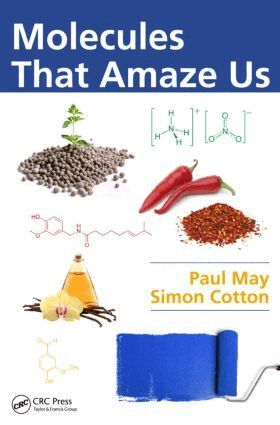
"This new book is by two knowledgeable and expert popularizers of chemistry and deals exclusively with molecules and compounds rather than with the simpler atoms and elements. It is based on the very successful �Molecule of the Month� website that was begun by Paul May fifteen years ago and to which his co-author Simon Cotton has been a frequent contributor. � The authors � strike an excellent balance between introducing the novice to the world of molecules while also keeping the expert chemist interested. � I highly recommend this book to all readers. It will vastly expand your knowledge and horizons of chemistry and the human ingenuity that surrounds it."�From the Foreword by Dr. Eric Scerri, UCLA, Los Angeles, website: www.ericscerri.com, Author of �The Periodic Table, Its Story and Its Significance� and several other books on the elements and the periodic table. The world is composed of molecules. Some are synthetic while many others are products of nature. Molecules That Amaze Us presents the stories behind many of the most famous and infamous molecules that make up our modern world. Examples include the molecule responsible for the spicy heat in chilies (capsaicin), the world�s first synthetic painkiller (aspirin), the pigment responsible for the color of autumn leaves (carotene), the explosive in dynamite (nitroglycerine), the antimalarial drug (quinine), the drug known as "speed" (methamphetamine), and many others. Other molecules discussed include caffeine, adrenaline, cholesterol, cocaine, digitalis, dopamine, glucose, insulin, methane, nicotine, oxytocin, penicillin, carbon dioxide, limonene, and testosterone. In all, the book includes 67 sections, each describing a different molecule, what it does, how it is made, and why it is so interesting.Written by experts in the field, the book is accessible and easy to read. It includes amusing anecdotes
1 700 kr
Skickas inom 10-15 vardagar
From cooking to medicine, from engineering to art, chemistry—the science of molecules—is everywhere.A celebration of the molecules of chemistry, Every Molecule Tells a Story celebrates the molecules responsible for the experiences of everyday life: the air we breathe; the water we drink; the chemicals that fuel our living; the steroids that give us sex; the colours of the seasons; the drugs that heal us; and the scented molecules that enrich our diet and our encounters with each other. You can’t see them, but you know that they are there.Unveiling the structures of poisonous "natural" substances and beneficial man-made molecules, this book brushes away any preconceived notions about chemistry to demonstrate why and how molecules matter.
911 kr
Skickas inom 10-15 vardagar
"This new book is by two knowledgeable and expert popularizers of chemistry and deals exclusively with molecules and compounds rather than with the simpler atoms and elements. It is based on the very successful ‘Molecule of the Month’ website that was begun by Paul May fifteen years ago and to which his co-author Simon Cotton has been a frequent contributor. … The authors … strike an excellent balance between introducing the novice to the world of molecules while also keeping the expert chemist interested. … I highly recommend this book to all readers. It will vastly expand your knowledge and horizons of chemistry and the human ingenuity that surrounds it."—From the Foreword by Dr. Eric Scerri, UCLA, Los Angeles, website: www.ericscerri.com, Author of ‘The Periodic Table, Its Story and Its Significance’ and several other books on the elements and the periodic table.The world is composed of molecules. Some are synthetic while many others are products of nature. Molecules That Amaze Us presents the stories behind many of the most famous and infamous molecules that make up our modern world. Examples include the molecule responsible for the spicy heat in chilies (capsaicin), the world’s first synthetic painkiller (aspirin), the pigment responsible for the color of autumn leaves (carotene), the explosive in dynamite (nitroglycerine), the antimalarial drug (quinine), the drug known as "speed" (methamphetamine), and many others. Other molecules discussed include caffeine, adrenaline, cholesterol, cocaine, digitalis, dopamine, glucose, insulin, methane, nicotine, oxytocin, penicillin, carbon dioxide, limonene, and testosterone. In all, the book includes 67 sections, each describing a different molecule, what it does, how it is made, and why it is so interesting.Written by experts in the field, the book is accessible and easy to read. It includes amusing anecdotes, historical curiosities, and entertaining facts about each molecule, thereby balancing educational content with entertainment. The book is heavily illustrated with relevant photographs, images, and cartoons—the aim being both to educate and entertain.