Simon du Plock – författare
Visar alla böcker från författaren Simon du Plock. Handla med fri frakt och snabb leverans.
5 produkter
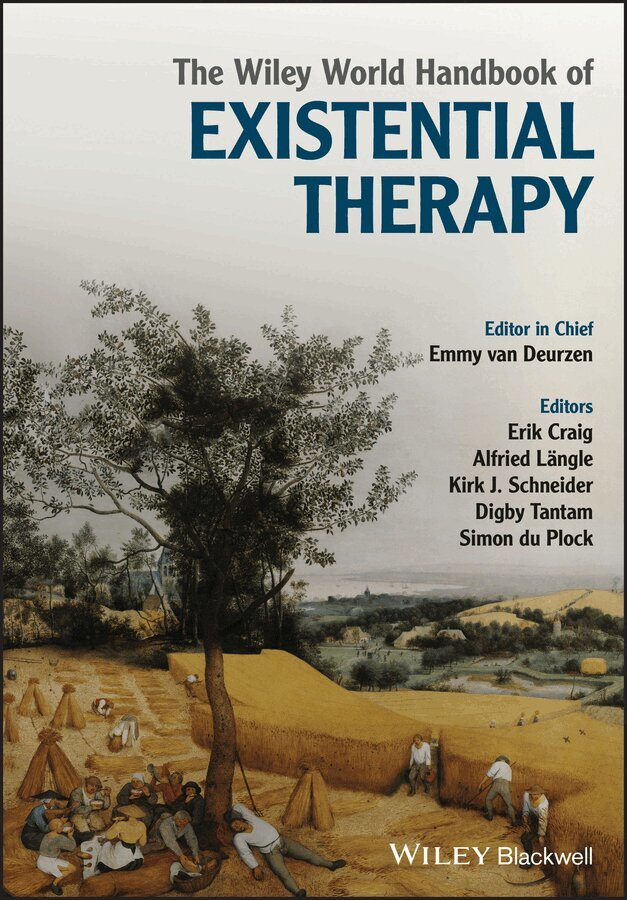
Wiley World Handbook of Existential Therapy
Av Erik Craig, Alfried Laengle m. fl.
Häftad, 2019
568 kr
Lägg i varukorg
An existential therapy handbook from those in the field, with its broad scope covering key texts, theories, practice, and researchThe Wiley World Handbook of Existential Therapy is a work representing the collaboration of existential psychotherapists, teachers, and researchers. It's a book to guide …
Wiley World Handbook of Existential Therapy
Av Simon du Plock, Digby Tantam m. fl.
E-bok, 2019
640 kr
Lägg i varukorg
An existential therapy handbook from those in the field, with its broad scope covering key texts, theories, practice, and research The Wiley World Handbook of Existential Therapy is a work representing the collaboration of existential psychotherapists, teachers, and researchers. It''s a book to …
Wiley World Handbook of Existential Therapy
Av Simon du Plock, Digby Tantam m. fl.
E-bok, 2019
640 kr
Lägg i varukorg
An existential therapy handbook from those in the field, with its broad scope covering key texts, theories, practice, and research The Wiley World Handbook of Existential Therapy is a work representing the collaboration of existential psychotherapists, teachers, and researchers. It''s a book to …
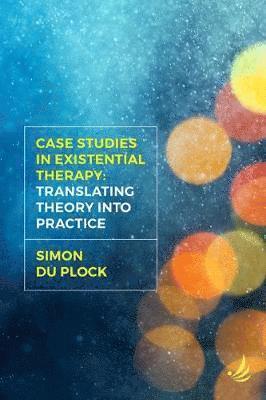
Case Studies in Existential Therapy: Translating Theory Into Practice
Av Simon Du Plock, Simon Du Plock
Häftad, 2018
346 kr
Lägg i varukorg
The ethos of existential therapy is that practitioners seek to co-create a therapeutic alliance with clients that emphasises being with rather than doing to. Trainees and practitioners alike are therefore eager to have access to accounts of what senior practitioners do in their day-to-day practice. …
Wiley World Handbook of Existential Therapy
Av Erik Craig, Alfried Laengle m. fl.
2019
670 kr
Tillfälligt slut