Simón Pachano – författare
Visar alla böcker från författaren Simón Pachano. Handla med fri frakt och snabb leverans.
3 produkter
3 produkter
Inbunden, Engelska, 2019
1 307 kr
Skickas inom 10-15 vardagar
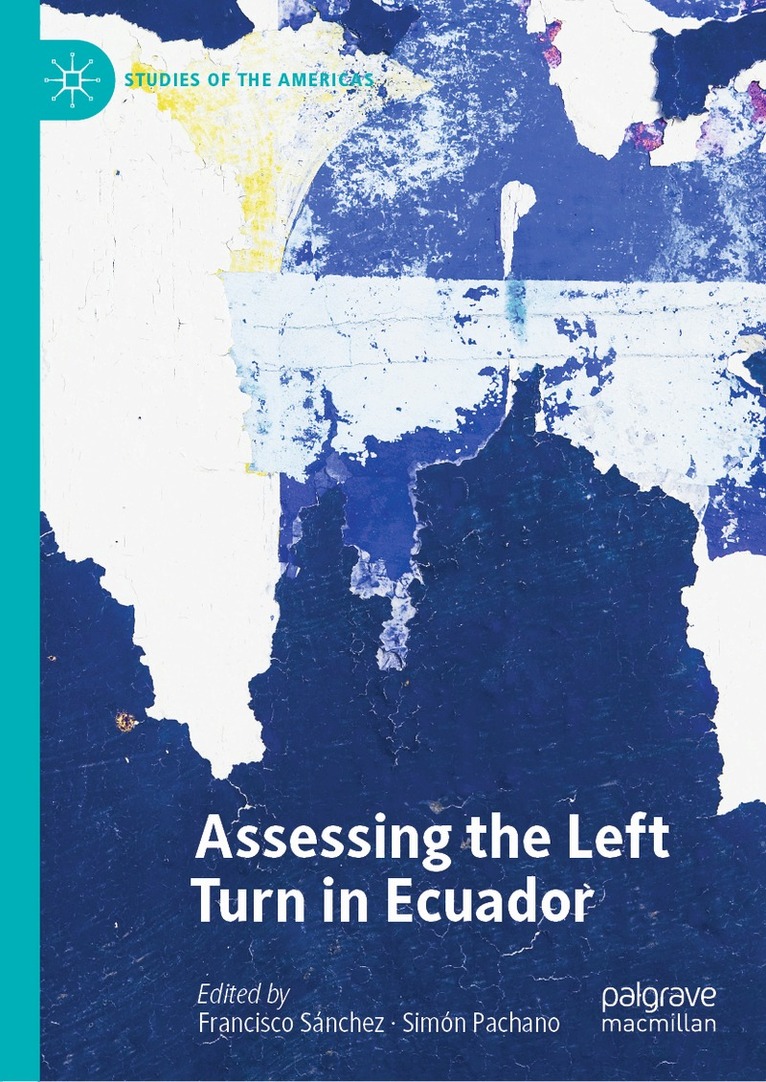
This book examines the “left turn” in Latin American politics, specifically through the lens of Ecuador and the effects of the Citizens’ Revolution’s actions and public policies on relevant actors and institutions. Through a comprehensive analysis of one country’s turn to the left and the outcomes generated by that process, the authors and editors provide a clearer understanding of the ways in which the popular desire for change (predominant through the region in recent times, as a response to late-twentieth-century neoliberalism) was realized—or not. The particular case of Ecuador further potentiates analysis of the entire region-wide process, considering that the “corrector” cycle is now at an end, and that the economic and international conditions that favored the return of left governments have also changed.
E-bok
Engelska, 20191 138 kr
Läs direkt efter köp
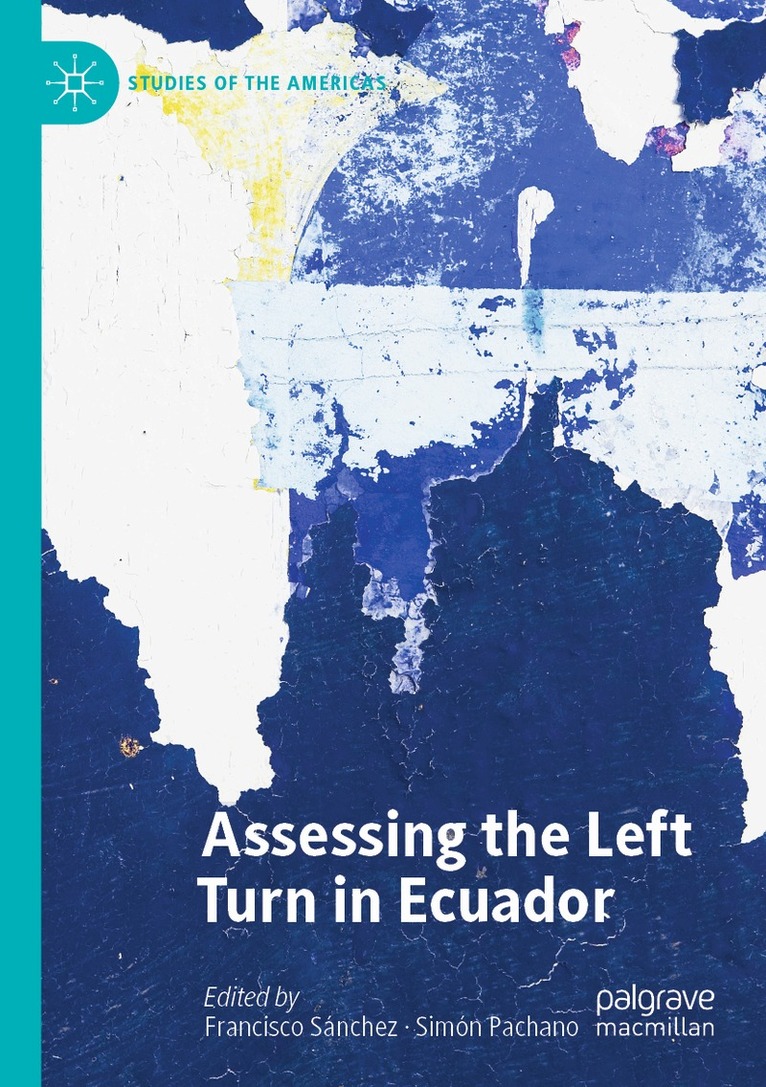
This book examines the “left turn” in Latin American politics, specifically through the lens of Ecuador and the effects of the Citizens’ Revolution’s actions and public policies on relevant actors and institutions. Through a comprehensive analysis of one country’s turn to the left and the outcomes generated by that process, the authors and editors provide a clearer understanding of the ways in which the popular desire for change (predominant through the region in recent times, as a response to late-twentieth-century neoliberalism) was realized—or not. The particular case of Ecuador further potentiates analysis of the entire region-wide process, considering that the “corrector” cycle is now at an end, and that the economic and international conditions that favored the return of left governments have also changed.
Häftad, Engelska, 2021
928 kr
Skickas inom 10-15 vardagar
This book examines the “left turn” in Latin American politics, specifically through the lens of Ecuador and the effects of the Citizens’ Revolution’s actions and public policies on relevant actors and institutions. Through a comprehensive analysis of one country’s turn to the left and the outcomes generated by that process, the authors and editors provide a clearer understanding of the ways in which the popular desire for change (predominant through the region in recent times, as a response to late-twentieth-century neoliberalism) was realized—or not. The particular case of Ecuador further potentiates analysis of the entire region-wide process, considering that the “corrector” cycle is now at an end, and that the economic and international conditions that favored the return of left governments have also changed.