
Simon Yarrow – författare
Visar alla böcker från författaren . Handla med fri frakt och snabb leverans.
6 produkter
6 produkter
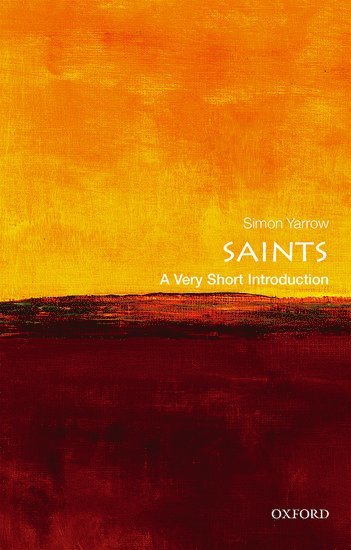
Häftad, Engelska, 2018
133 kr
The idea of saints and sainthood are familiar to all, irrelevant of religious faith. In this Very Short Introduction, Simon Yarrow looks at the origins, ideas, and definitions of sainthood, sanctity, and saints in the early Church, tracing their development in history and explaining the social roles saints played in the ancient, medieval, and modern worlds. Along the way Yarrow considers the treatment of saints as objects of literary and artistic expression and interpretation, and as examples of idealised male and female heroism, and compares Christian saints and holy figures to venerated figures in other religious cultures, including Islam, Buddhism, and Hinduism. He concludes by considering the experiences of devotees to saints, and looking at how saints continue to be a powerful presence in our modern world.ABOUT THE SERIES: The Very Short Introductions series from Oxford University Press contains hundreds of titles in almost every subject area. These pocket-sized books are the perfect way to get ahead in a new subject quickly. Our expert authors combine facts, analysis, perspective, new ideas, and enthusiasm to make interesting and challenging topics highly readable.
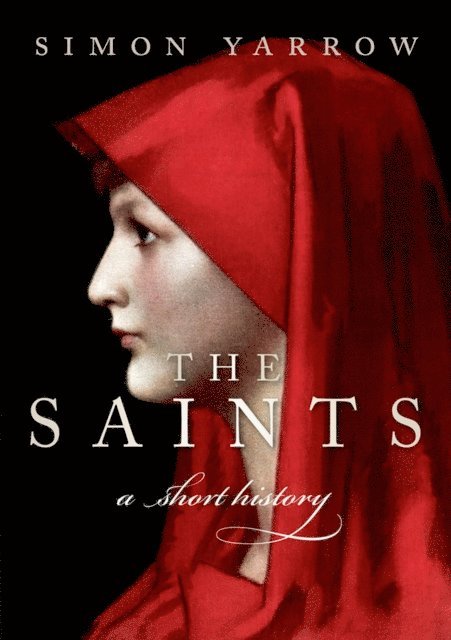
E-bok
PDF, Engelska, 2016107 kr
Läs direkt efter köp
The saints form a huge part of our world''s history, on both a religious and secular level. Their shrines have attracted millions of pilgrims throughout the centuries, and their relics continue to be venerated today. In North America even atheists and non-Christians know to bury a statue of St Joseph in their yards for a quick sale of their property. In England there is a tradition that the weather on St Swithun''s feast day (the 15th July) will continue for forty more days. On the 14th of February the love-struck and lonely-hearted of the world declare their crushes with a card or gifts to the object of their affections, signing in the name of St Valentine. But how did people become saints? What role does sainthood continue to play in our institutional beliefs and traditions? And how does their significance in the Christian ideology translate into other cultures and belief systems?Simon Yarrow introduces the origins of sainthood and sanctity, and examines the part the saints have played in our society and culture, from the ancient world to the modern day. Exploring the treatment of saints in literature and art, and the way they have been used in politics, he analyses them as examples of idealised male and female heroism. He concludes by considering the similarities between Christian Saints and holy figures in other religious cultures, including Islam, Buddhism and Hinduism.
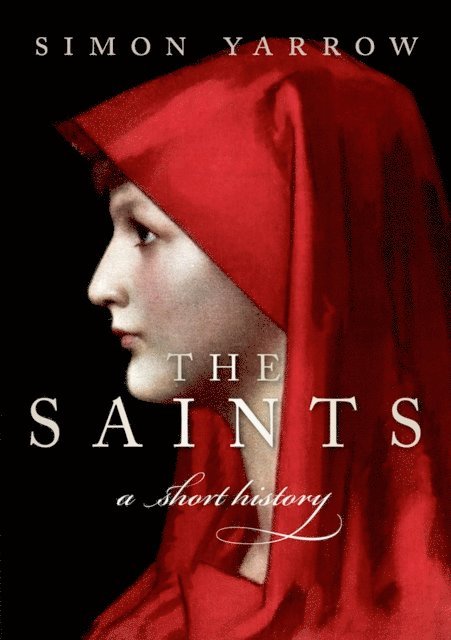
E-bok
Engelska, 2016107 kr
Läs direkt efter köp
The saints form a huge part of our world''s history, on both a religious and secular level. Their shrines have attracted millions of pilgrims throughout the centuries, and their relics continue to be venerated today. In North America even atheists and non-Christians know to bury a statue of St Joseph in their yards for a quick sale of their property. In England there is a tradition that the weather on St Swithun''s feast day (the 15th July) will continue for forty more days. On the 14th of February the love-struck and lonely-hearted of the world declare their crushes with a card or gifts to the object of their affections, signing in the name of St Valentine. But how did people become saints? What role does sainthood continue to play in our institutional beliefs and traditions? And how does their significance in the Christian ideology translate into other cultures and belief systems?Simon Yarrow introduces the origins of sainthood and sanctity, and examines the part the saints have played in our society and culture, from the ancient world to the modern day. Exploring the treatment of saints in literature and art, and the way they have been used in politics, he analyses them as examples of idealised male and female heroism. He concludes by considering the similarities between Christian Saints and holy figures in other religious cultures, including Islam, Buddhism and Hinduism.
E-bok
PDF, Engelska, 201889 kr
Läs direkt efter köp
The idea of saints and sainthood are familiar to all, irrelevant of religious faith. In this Very Short Introduction, Simon Yarrow looks at the origins, ideas, and definitions of sainthood, sanctity, and saints in the early Church, tracing their development in history and explaining the social roles saints played in the ancient, medieval, and modern worlds. Along the way Yarrow considers the treatment of saints as objects of literary and artistic expression and interpretation, and as examples of idealised male and female heroism, and compares Christian saints and holy figures to venerated figures in other religious cultures, including Islam, Buddhism, and Hinduism. He concludes by considering the experiences of devotees to saints, and looking at how saints continue to be a powerful presence in our modern world.ABOUT THE SERIES: The Very Short Introductions series from Oxford University Press contains hundreds of titles in almost every subject area. These pocket-sized books are the perfect way to get ahead in a new subject quickly. Our expert authors combine facts, analysis, perspective, new ideas, and enthusiasm to make interesting and challenging topics highly readable.
E-bok
Engelska, 201898 kr
Läs direkt efter köp
The idea of saints and sainthood are familiar to all, irrelevant of religious faith. In this Very Short Introduction, Simon Yarrow looks at the origins, ideas, and definitions of sainthood, sanctity, and saints in the early Church, tracing their development in history and explaining the social roles saints played in the ancient, medieval, and modern worlds. Along the way Yarrow considers the treatment of saints as objects of literary and artistic expression and interpretation, and as examples of idealised male and female heroism, and compares Christian saints and holy figures to venerated figures in other religious cultures, including Islam, Buddhism, and Hinduism. He concludes by considering the experiences of devotees to saints, and looking at how saints continue to be a powerful presence in our modern world.ABOUT THE SERIES: The Very Short Introductions series from Oxford University Press contains hundreds of titles in almost every subject area. These pocket-sized books are the perfect way to get ahead in a new subject quickly. Our expert authors combine facts, analysis, perspective, new ideas, and enthusiasm to make interesting and challenging topics highly readable.
Inbunden, Engelska, 2006
2 205 kr
Skickas inom 5-8 vardagar
Saints and their Communities offers a new approach to the study of lay religion as evidenced in collections of miracle narratives in twelfth-century England. There are a number of problems associated with the interpretation of this hagiographical genre and an extended introduction discusses these. The first issue is the tendency to read these narratives as transparent accounts of lay religion as if it were something susceptible to static, 'ethnographic' treatment in isolation from wider social and political activities. The second issue is the challenge of explaining the miraculous as a credible part of cultural experience, without appealing to reductionist notions of a 'medieval mindset'. The third issue is the problem of how to take full account of the fact that these sources are representations of lay experience by monastic authors. The author argues that miracle narratives were the product of and helped to foster lay notions of Christian practice and identity centred on the spiritual patronage of certain enshrined saints. The six main chapters provide fully contextualized studies of selected miracle collections. Yarrow looks at when these collections were made, who wrote them, the kinds of audiences they are likely to have reached, and the messages they were intended to convey. He shows how these texts served to represent specific cults in terms that articulated the values and interests of the institutions acting as custodians of the relics; and how alongside other programmes of textual production, these collections of stories can be linked to occasions of uncertainty or need in the life of these institutions. A concluding chapter argues the case for miracle collections as evidence of the attempt by traditional monasteries to reach out to the relatively affluent peasantry, and to urban communities in society, and their rural hinterlands with offers of protection and opportunities for them to express their social status with reference to tomb-centred sanctity.