Simona Forti – författare
Visar alla böcker från författaren Simona Forti. Handla med fri frakt och snabb leverans.
7 produkter
7 produkter
Häftad, Engelska, 2014
374 kr
Skickas inom 5-8 vardagar
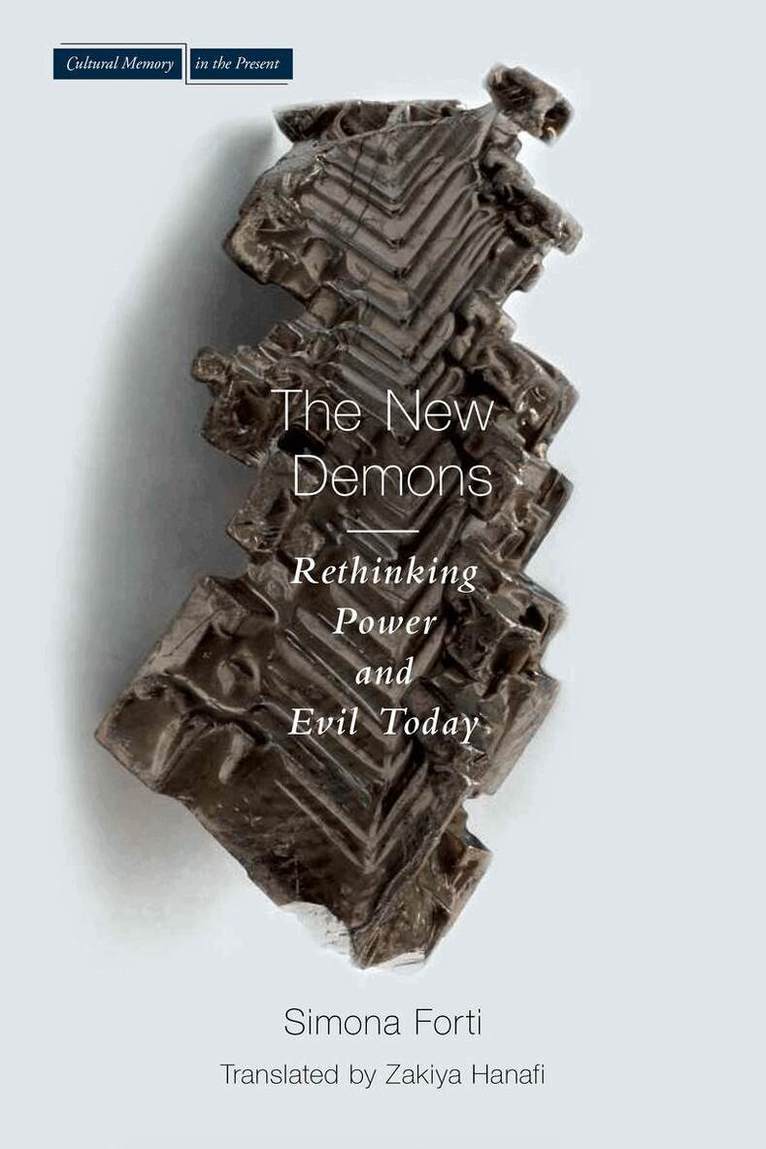
As long as we care about suffering in the world, says political philosopher Simona Forti, we are compelled to inquire into the question of evil. But is the concept of evil still useful in a postmodern landscape where absolute values have been leveled and relativized by a historicist perspective? Given our current unwillingness to judge others, what signposts remain to guide our ethical behavior?Surveying the nineteenth- and twentieth-century Western philosophical debates on evil, Forti concludes that it is time to leave behind what she calls "the Dostoevsky paradigm": the dualistic vision of an omnipotent monster pitted against absolute, helpless victims. No longer capable of grasping the normalization of evil in today's world—whose structures of power have been transformed—this paradigm has exhausted its explanatory force. In its place, Forti offers a different genealogy of the relationship between evil and power, one that finally calls into question power's recurrent link to transgression. At the center of contemporary evil she posits the passive attitude towards rule-following, the need for normalcy, and the desire for obedience nurtured by our contemporary mass democracies. In our times, she contends, evil must be explored in tandem with our stubborn desire to stay alive at all costs as much as with our deep need for recognition: the new modern absolutes. A courageous book, New Demons extends an original, inspiring call to ethical living in a biopolitical age.
Häftad, Engelska, 2024
255 kr
Skickas
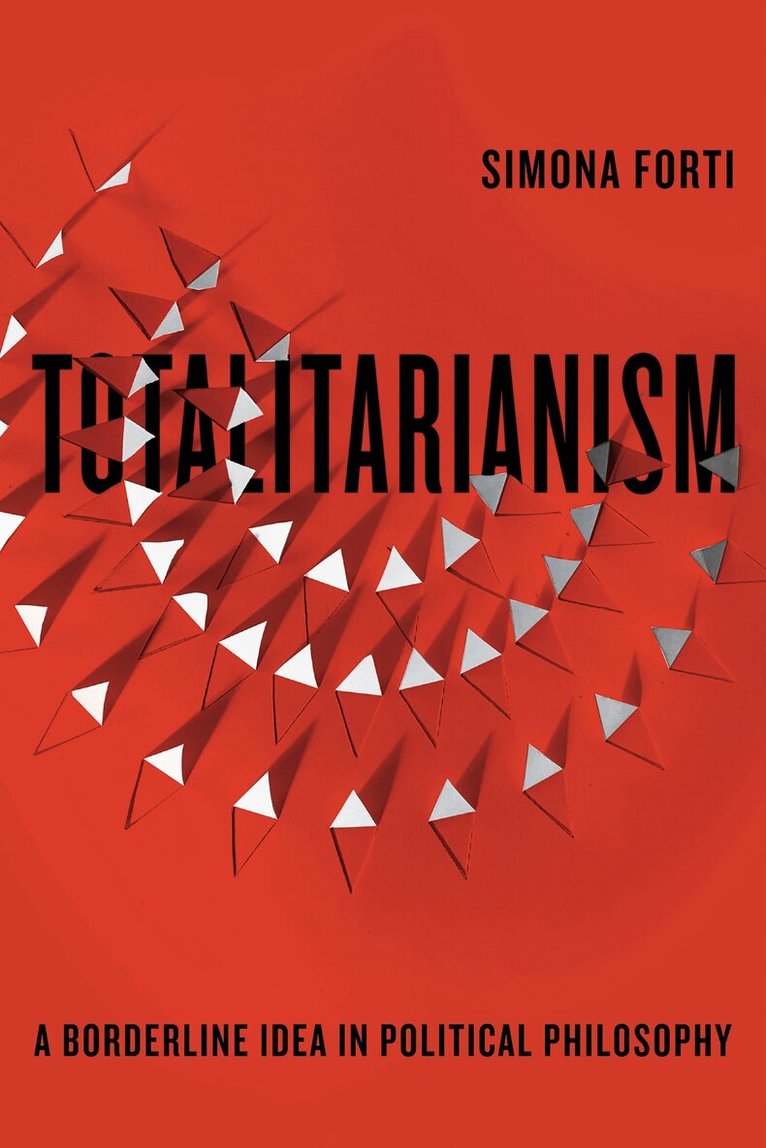
In the last decade, we have witnessed the return of one of the most controversial terms in the political lexicon: totalitarianism. What are we talking about when we define a totalitarian political and social situation? When did we start using the word as both adjective and noun? And, what totalitarian ghosts haunt the present? Philosopher Simona Forti seeks to answer these questions by reconstructing not only the genealogy of the concept, but also by clarifying its motives, misunderstandings, and the controversies that have animated its current resurgence. Taking into account political theories and historical discussions, Totalitarianism especially focuses on philosophical reflections, from the question of totalitarian biopolitics to the alleged totalitarian drifts of neoliberalism. The work invites the relentless formulation of a radical question about the democratic age: the possibilities it has opened up, the voids it leaves behind, the mechanisms it activates, and the "voluntary servitude" it produces. Forti argues that totalitarianism cannot be considered an external threat to democracy, but rather as one of the possible answers to those questions posed by modernity which democracies have not been able to solve. Her investigation of the uses and abuses of totalitarianism as one of the fundamental categories of the twentieth and twenty-first centuries promises to provoke much-needed discussion and debate among those in philosophy, politics, ethics, and beyond.
Inbunden, Engelska, 2014
1 528 kr
Skickas inom 5-8 vardagar
As long as we care about suffering in the world, says political philosopher Simona Forti, we are compelled to inquire into the question of evil. But is the concept of evil still useful in a postmodern landscape where absolute values have been leveled and relativized by a historicist perspective? Given our current unwillingness to judge others, what signposts remain to guide our ethical behavior?Surveying the nineteenth- and twentieth-century Western philosophical debates on evil, Forti concludes that it is time to leave behind what she calls "the Dostoevsky paradigm": the dualistic vision of an omnipotent monster pitted against absolute, helpless victims. No longer capable of grasping the normalization of evil in today's world—whose structures of power have been transformed—this paradigm has exhausted its explanatory force. In its place, Forti offers a different genealogy of the relationship between evil and power, one that finally calls into question power's recurrent link to transgression. At the center of contemporary evil she posits the passive attitude towards rule-following, the need for normalcy, and the desire for obedience nurtured by our contemporary mass democracies. In our times, she contends, evil must be explored in tandem with our stubborn desire to stay alive at all costs as much as with our deep need for recognition: the new modern absolutes. A courageous book, New Demons extends an original, inspiring call to ethical living in a biopolitical age.
E-bok
Engelska, 2014150 kr
Läs direkt efter köp
As long as we care about suffering in the world, says political philosopher Simona Forti, we are compelled to inquire into the question of evil. But is the concept of evil still useful in a postmodern landscape where absolute values have been leveled and relativized by a historicist perspective? Given our current unwillingness to judge others, what signposts remain to guide our ethical behavior?Surveying the nineteenth- and twentieth-century Western philosophical debates on evil, Forti concludes that it is time to leave behind what she calls "the Dostoevsky paradigm": the dualistic vision of an omnipotent monster pitted against absolute, helpless victims. No longer capable of grasping the normalization of evil in today's world—whose structures of power have been transformed—this paradigm has exhausted its explanatory force. In its place, Forti offers a different genealogy of the relationship between evil and power, one that finally calls into question power's recurrent link to transgression. At the center of contemporary evil she posits the passive attitude towards rule-following, the need for normalcy, and the desire for obedience nurtured by our contemporary mass democracies. In our times, she contends, evil must be explored in tandem with our stubborn desire to stay alive at all costs as much as with our deep need for recognition: the new modern absolutes. A courageous book, New Demons extends an original, inspiring call to ethical living in a biopolitical age.
Inbunden, Engelska, 2024
1 093 kr
Skickas inom 5-8 vardagar
In the last decade, we have witnessed the return of one of the most controversial terms in the political lexicon: totalitarianism. What are we talking about when we define a totalitarian political and social situation? When did we start using the word as both adjective and noun? And, what totalitarian ghosts haunt the present? Philosopher Simona Forti seeks to answer these questions by reconstructing not only the genealogy of the concept, but also by clarifying its motives, misunderstandings, and the controversies that have animated its current resurgence. Taking into account political theories and historical discussions, Totalitarianism especially focuses on philosophical reflections, from the question of totalitarian biopolitics to the alleged totalitarian drifts of neoliberalism. The work invites the relentless formulation of a radical question about the democratic age: the possibilities it has opened up, the voids it leaves behind, the mechanisms it activates, and the "voluntary servitude" it produces. Forti argues that totalitarianism cannot be considered an external threat to democracy, but rather as one of the possible answers to those questions posed by modernity which democracies have not been able to solve. Her investigation of the uses and abuses of totalitarianism as one of the fundamental categories of the twentieth and twenty-first centuries promises to provoke much-needed discussion and debate among those in philosophy, politics, ethics, and beyond.
E-bok
Engelska, 2024309 kr
Läs direkt efter köp
In the last decade, we have witnessed the return of one of the most controversial terms in the political lexicon: totalitarianism. What are we talking about when we define a totalitarian political and social situation? When did we start using the word as both adjective and noun? And, what totalitarian ghosts haunt the present? Philosopher Simona Forti seeks to answer these questions by reconstructing not only the genealogy of the concept, but also by clarifying its motives, misunderstandings, and the controversies that have animated its current resurgence. Taking into account political theories and historical discussions, Totalitarianism especially focuses on philosophical reflections, from the question of totalitarian biopolitics to the alleged totalitarian drifts of neoliberalism. The work invites the relentless formulation of a radical question about the democratic age: the possibilities it has opened up, the voids it leaves behind, the mechanisms it activates, and the "voluntary servitude" it produces. Forti argues that totalitarianism cannot be considered an external threat to democracy, but rather as one of the possible answers to those questions posed by modernity which democracies have not been able to solve. Her investigation of the uses and abuses of totalitarianism as one of the fundamental categories of the twentieth and twenty-first centuries promises to provoke much-needed discussion and debate among those in philosophy, politics, ethics, and beyond.
E-bok
Spanska, 2014102 kr
Läs direkt efter köp
¿Qué significa que un régimen político se vuelva totalitario? ¿Cuándo empieza a hablarse de totalitarismo, y por qué? ¿Podemos tratar el fenómeno totalitario como un trágico episodio del siglo que apenas acaba de terminar, o es algo más complejo que un simple paréntesis histórico? ¿Qué fantasmas totalitarios inquietan todavía nuestro tiempo?Este libro pretende dar respuesta a estas preguntas recuperando no sólo la historia del concepto, sino intentando esclarecer las razones, los enfrentamientos y las polémicas que han animado los debates sobre el totalitarismo. Además de tener en cuenta las teorías politológicas y las discusiones históricas, se concede una atención preferente a la reflexión filosófica. Pensar filosóficamente el concepto de totalitarismo ayuda a revisar algunas antítesis consolidadas que oponen frontalmente democracia y totalitarismo.Esta obra nos invita a formular un sinfín de preguntas sobre la época democrática: las posibilidades que ha abierto, los vacíos que deja, los mecanismos que activa, la "servidumbre voluntaria" que produce. Porque el totalitarismo no puede considerarse una amenaza que pesa desde el exterior sobre la democracia. Es, más bien, una de las posibles respuestas a aquellas cuestiones planteadas por la modernidad que las democracias no han conseguido solucionar.