Sisir Mitra - Böcker
Visar alla böcker från författaren Sisir Mitra. Handla med fri frakt och snabb leverans.
6 produkter
6 produkter
1 491 kr
Skickas
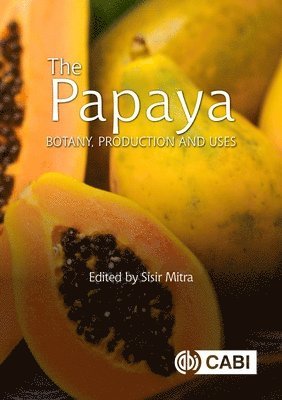
Papaya (Carica papaya) is an important and widely-cultivated tropical fruit, grown in more than 60 countries of the world. Global papaya production has grown significantly over the last few years, mainly as a result of increased production in India. Papaya has become an important agricultural export for developing countries where export revenues of the fruit provide a livelihood for thousands of people, especially in Asia and Latin America. This book includes coverage of recent research developments with the potential to improve crop yields and quality. New research has contributed to our understanding of the crop environment, plant growth and physiology of tree and fruit development with implications for both breeding and cultivation. It looks at how analysis of the papaya genome promises new, faster breeding techniques to improved cultivars and how these and other advances are helping to tackle disease like papaya ring spot viruses and major pests which cause significant losses. Key features include: updated information for sustainable papaya cultivation research developments in tackling the major production and post-harvest problems interdisciplinary and collaborative research With contributions from international experts, the book presents the current state of knowledge concerning the history, physiology, culture and marketing of papaya throughout the world. It is an essential resource for researchers, growers and all those involved in the papaya industry.
2 083 kr
Skickas inom 7-10 vardagar
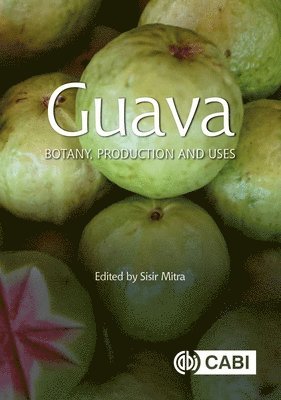
Guava (Psidium guajava L.) is an exquisite, nutritionally and economically valuable crop of tropical and subtropical regions of the world. It outshines other tropical fruits in productivity, hardiness, adaptability, nutritional value, and ensures higher economic returns to growers. Guava is commercially grown in over 70 countries, and is gaining in popularity as a 'super fruit' due to its nutritional and health benefits. Notable recent developments include the potential to improve crop yields and quality. New research has also contributed to better understanding of the crop environment, plant growth and physiology of tree and fruit development, with implications for both breeding and cultivation. Guava is one of the few tree fruits where round-the-year harvest is possible by crop regulation. Interspecific hybridization with wild Psidium species has yielded hybrids which are resistant to wilt (a major guava disease in many countries) and are graft compatible. This book: · is the only publication available in English covering sustainable guava cultivation; · presents the current state of knowledge on the origin, history, physiology, culture and trade of guava throughout the world; and · addresses the major production and post-harvest problems. With contributions from international experts, this is a valuable resource for researchers and students in horticulture, and guava-industry support personnel.
2 022 kr
Skickas inom 7-10 vardagar
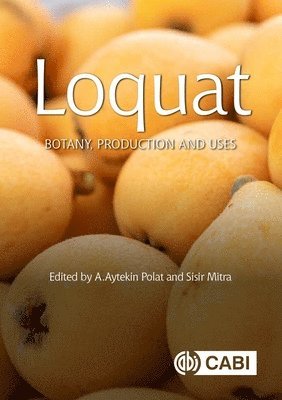
Loquat (Eriobotrya japonica Lindl.) is a subtropical evergreen fruit tree indigenous to China. Records show it has been cultivated in China for over 2000 years. From this beginning, loquat has spread to more than 30 countries around the world. Grown in various regions of Asia, the Mediterranean and across the Americas, loquats suit both temperate and subtropical areas, sharing the same environmental conditions as citrus. Loquat is an increasingly commercial crop in some Asian and European countries with a good amount of international trade. Recent research has focused on improving crop yields and quality. Over 100 different varieties have been developed to meet both growers' and consumers' demands. These developments have contributed to a better understanding of the crop environment, plant growth and physiology of tree and fruit development with implications for both breeding and cultivation. This book is to be the first to provide a comprehensive coverage of the history, physiology, culture and marketing of loquat throughout the world.
1 786 kr
Skickas
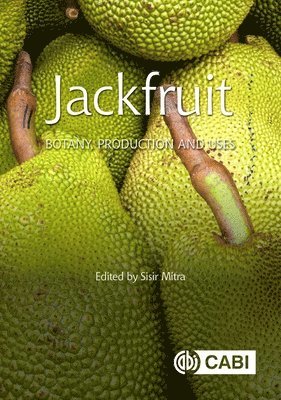
Jackfruit (Artocarpus heterophyllus), is a species of tree in the fig, mulberry, and breadfruit family (Moraceae) and is widely esteemed in tropical Asia. The jackfruit tree is well suited to tropical lowlands, and is widely cultivated throughout South and South-East Asia. It is also grown to a limited extent in Australia, USA, East Africa, as well as in Brazil, Mexico and the Caribbean. Producing giant fruits which can reach up to 80kg in size, jackfruit is the largest tree-borne fruit in the world. It is highly versatile, providing food, timber, fuel in addition to medicinal and industrial products. The ripe fruit is sweet and is more often used for desserts. Canned green jackfruit has a mild taste and meat-like texture that lends itself to being called a 'vegetable meat'. Hence, it is growing in popularity due to its use as a vegan meat alternative. The tree is a major component of subsistence and small-farming systems and the fruit often assumes the role of a secondary staple food as well as contributing to the livelihoods of the poor. Despite this, it is still an underutilized crop in many countries. Containing information on jackfruit production technology, postharvest management and processing, this is a valuable resource for researchers in horticulture, plant science, and those interested in sustainable food systems.
1 701 kr
Skickas
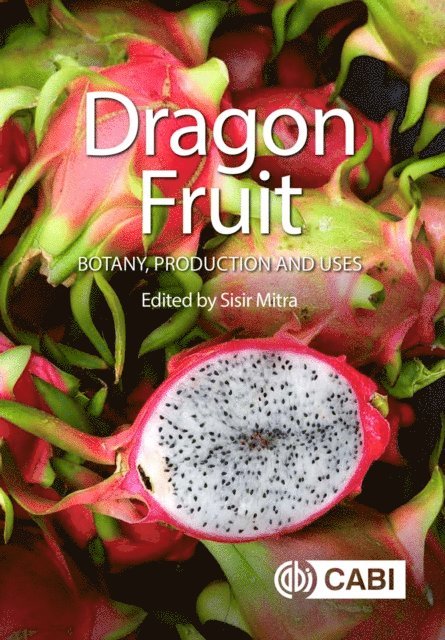
Dragon fruit (pitaya) is a perennial climbing cactus, native to the tropical areas of North, Central and South America. It is suited to tropical and subtropical regions and is commercially grown in an increasing number of countries, including Israel, Australia and the USA. Dragon fruit generates considerable consumer interest because of its exotic appearance and potential health benefits. The fruit is rich in nutrients and phytochemical compounds. It can be eaten fresh or used in the preparation of juices, jellies, jams, etc. The natural bioactive compounds in pitaya have the potential to be exploited in food, pharmaceutical and cosmetic industries. Increasingly cultivated worldwide, the plant is drought-resistant, easily adapts to light intensity and high temperatures, and has a tolerance to a wide range of soil salinities. With ongoing global warming, dragon fruit has great potential as a new crop for many more countries. This book is a compilation of the current state of knowledge on dragon fruit physiology, cultivation, production technology, postharvest management and processing, and is written by leading international authors.
1 765 kr
Skickas inom 7-10 vardagar
Annona is a genus of flowering plants in the Annonaceae family. They are trees, shrubs and vines (liana) growing in areas of warm climate in tropical and subtropical regions of the Americas, Africa and Asia. The edible fruits of several species have significant commercial value, and include the cherimoya, soursop (also known as the guanabana or graviola), sweetsop or sugar apple, custard apple, ilama and the hybrid atemoya. The fruits are normally consumed fresh, though their short postharvest life often limits their access to markets. The processed pulp is in high demand by the juice industry, as well as for use in jellies, ice creams, desserts and bakery products. The fruits have high nutritional value due to an abundance of carbohydrates and high concentrations of antioxidants, minerals and fibre. Interest in Annona species has flourished over the past two decades, due to their biology and ecology; applications in nutraceuticals and medicine; and prospects as an alternative crop in the climate change scenario. This book details the history, physiology, cultivation, postharvest management and value addition of Annona species and is aimed at researchers in horticulture and plant science, and industry practitioners.