Sivarama P. Dandamudi – författare
Visar alla böcker från författaren Sivarama P. Dandamudi. Handla med fri frakt och snabb leverans.
12 produkter
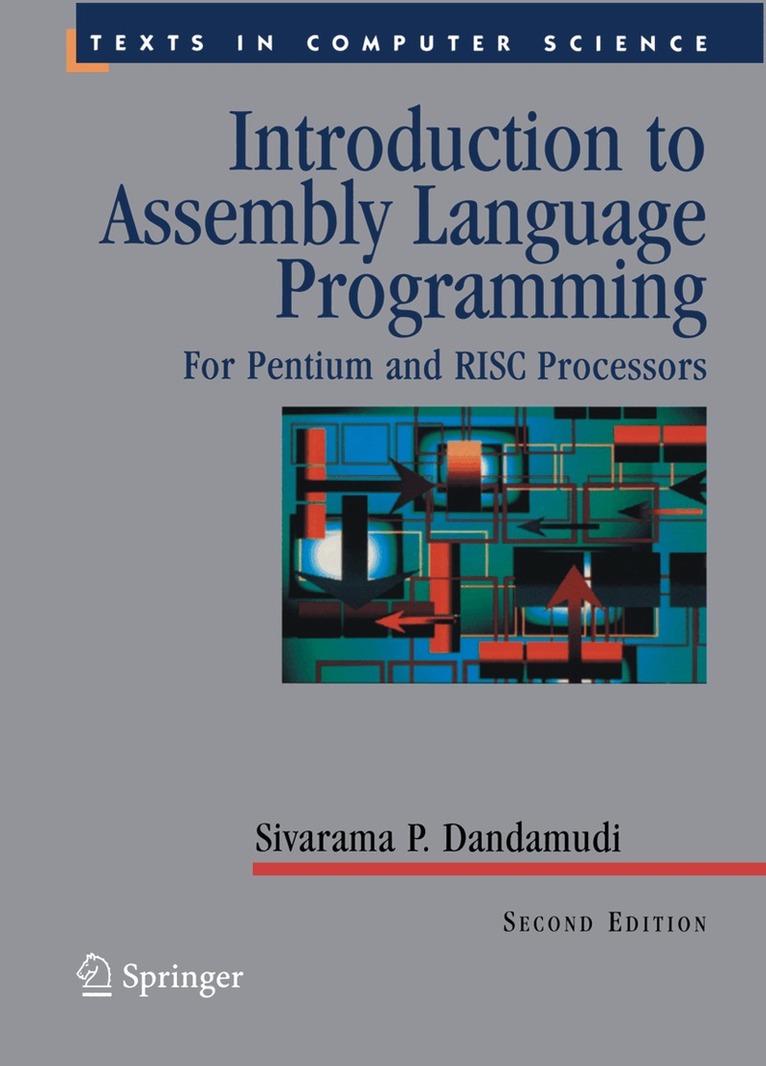
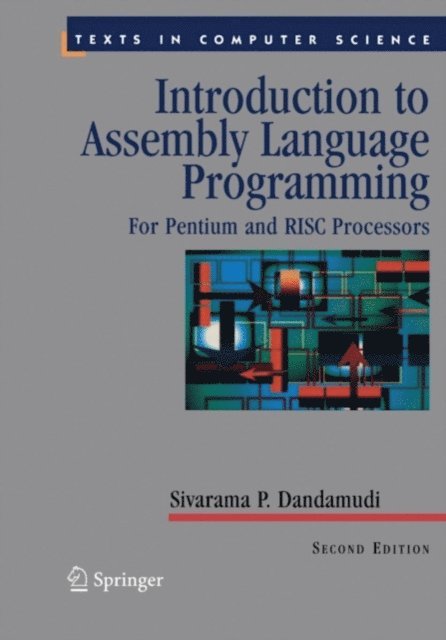
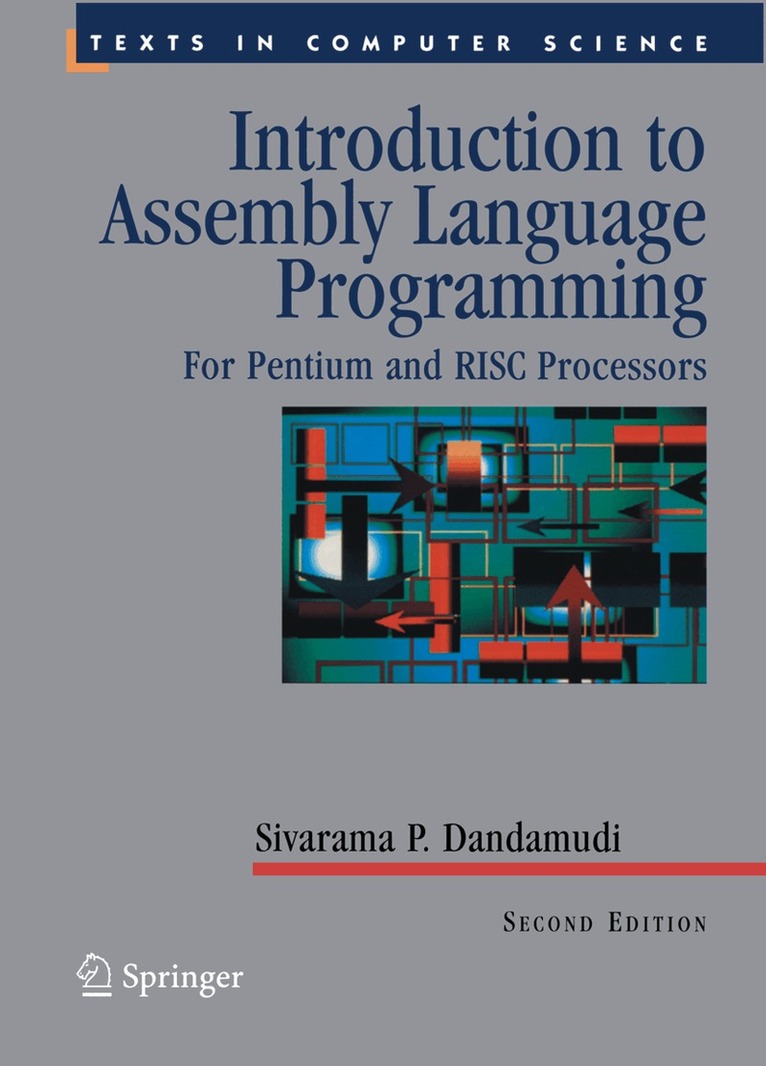
Introduction to Assembly Language Programming
For Pentium and RISC Processors
Inbunden, 2004
1015 kr
Lägg i varukorg
Assembly language continues to hold a core position in the programming world because of its similar structure to machine language and its very close links to underlying computer-processor architecture and design. These features allow for high processing speed, low memory demands, and the capacity …
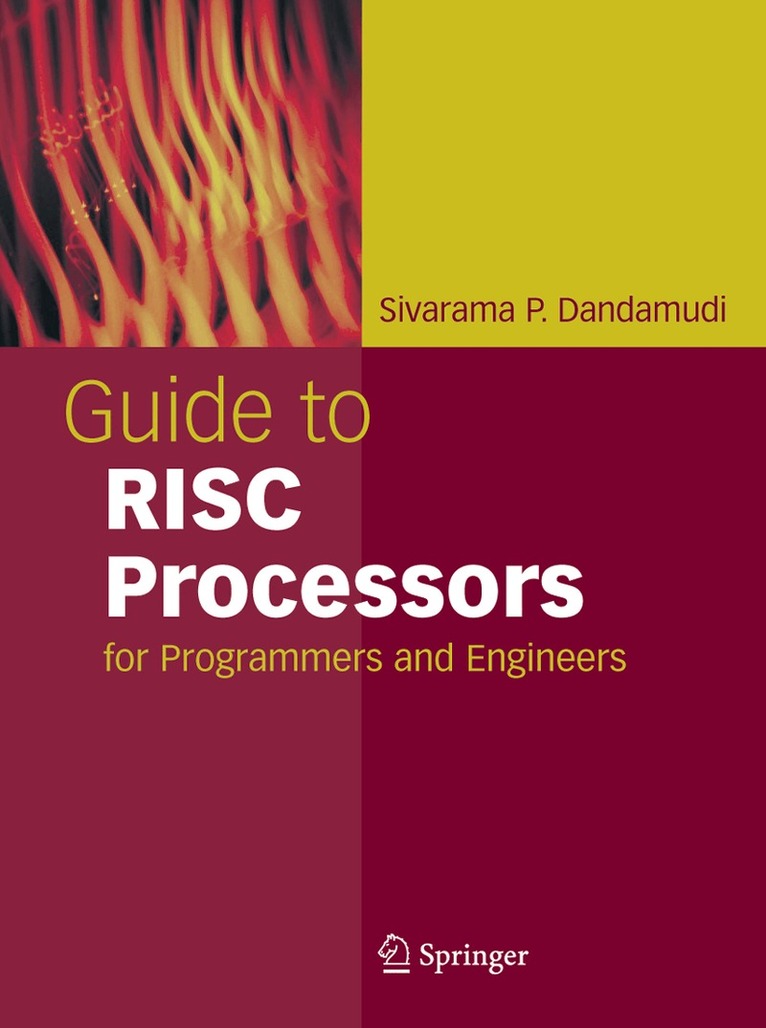
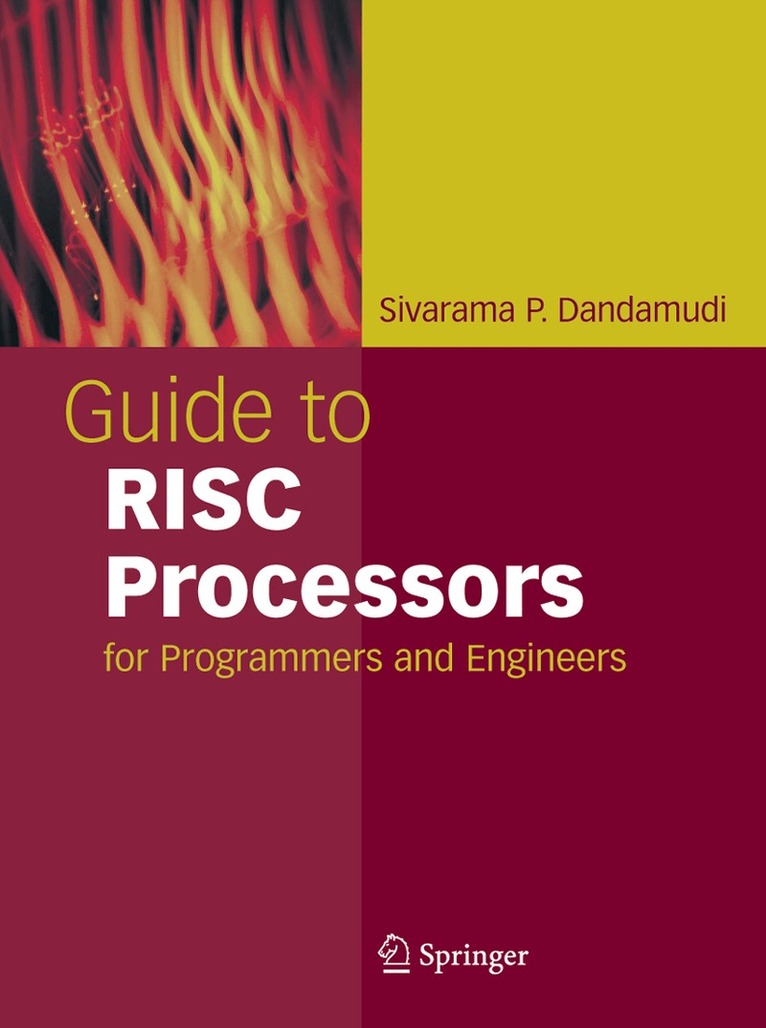
Guide to RISC Processors
for Programmers and Engineers
Inbunden, 2005
567 kr
Lägg i varukorg
Recently, there has been a trend toward processors based on the RISC (Reduced Instruction Set Computer) design. This is an accessible and all-encompassing compendium on RISC processors, introducing five of them: MIPS, SPARC, PowerPC, ARM, and Intel's 64-bit Itanium. Initial chapters explain …
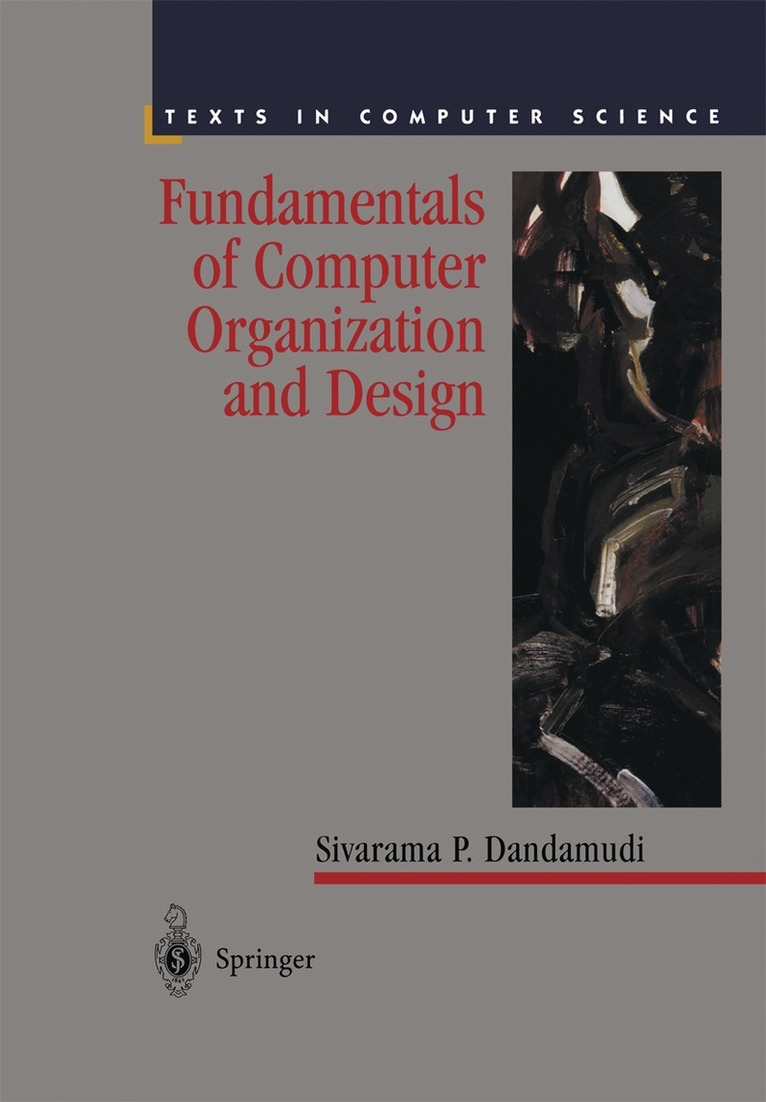
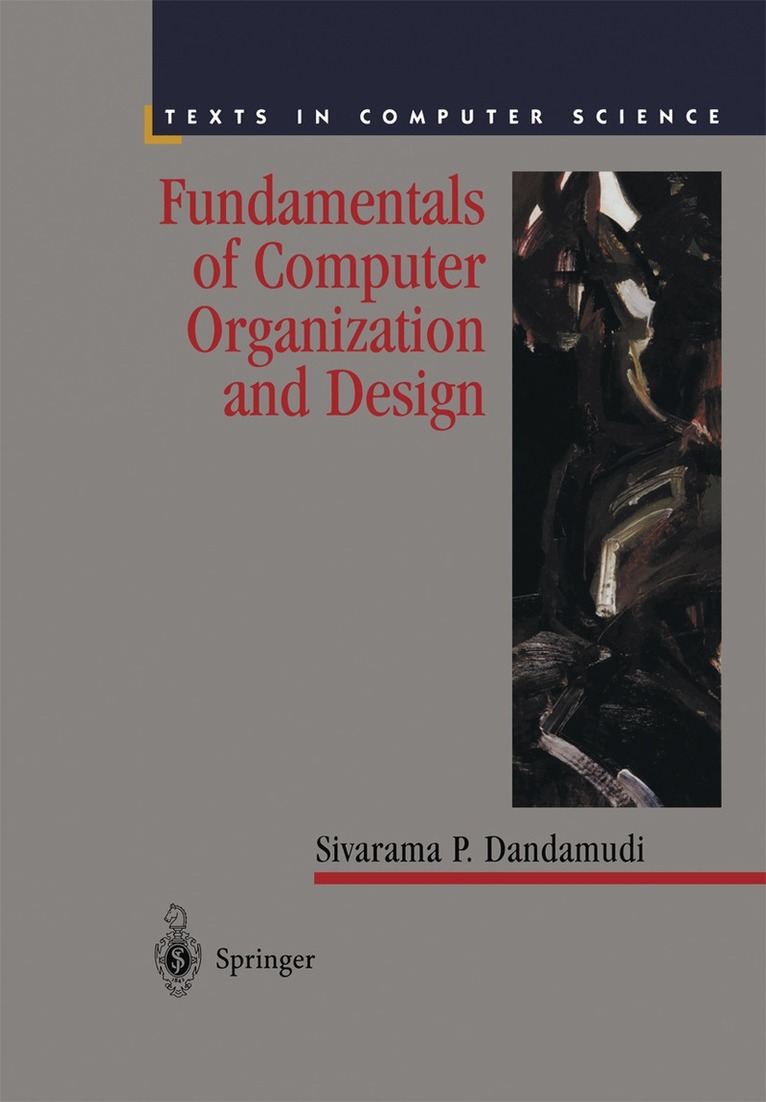
Fundamentals of Computer Organization and Design
E-bok, 2006
1427 kr
Lägg i varukorg
Computer science and engineering curricula have been evolving at a fast pace to keep up with the developments in the area. There are separate books available on assembly language programming and computer organization. There is a definite need to support the courses that combine assembly language …
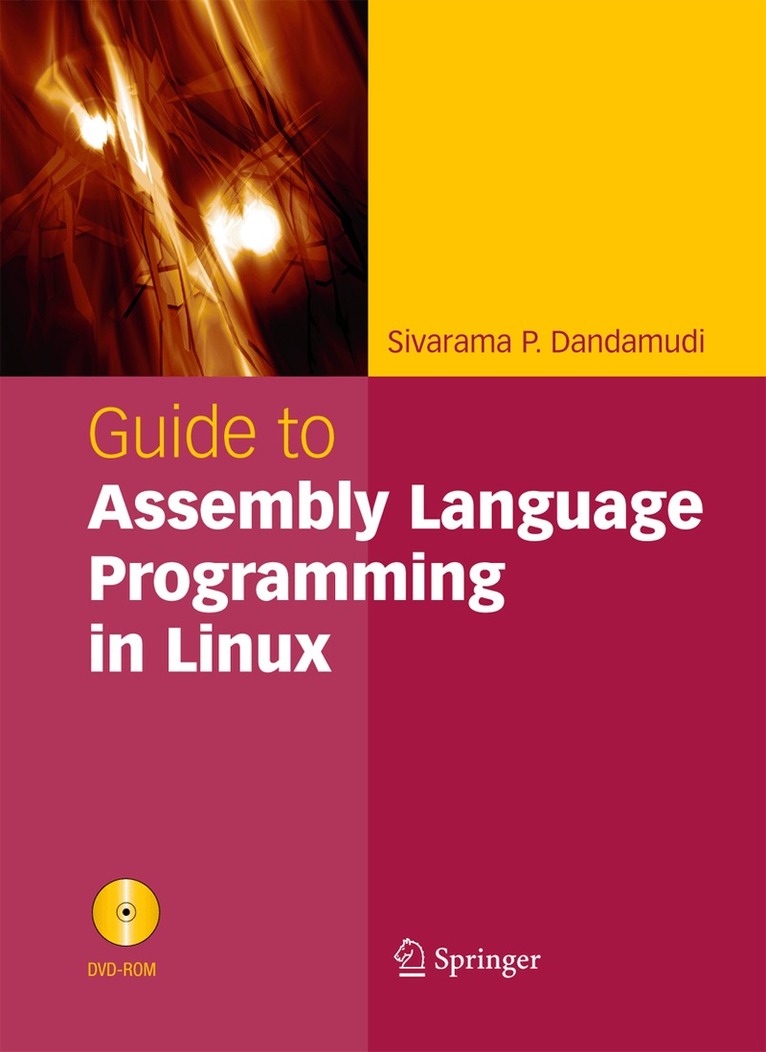
Guide to Assembly Language Programming in Linux
Häftad, 2005
1575 kr
Lägg i varukorg
Processor designs can be broadly divided into CISC (Complex Instruction Set Computers) and RISC (Reduced Instruction Set Computers). The dominant processor in the PC market, Pentium, belongs to the CISC category, and Linux is fast becoming the number one threat to Microsoft’s Windows in the server …
Guide to Assembly Language Programming in Linux
E-bok, 2005
2006 kr
Lägg i varukorg
Processor designs can be broadly divided into CISC (Complex Instruction Set Computers) and RISC (Reduced Instruction Set Computers). The dominant processor in the PC market, Pentium, belongs to the CISC category, and Linux is fast becoming the number one threat to Microsoft’s Windows in the server …
Introduction to Assembly Language Programming
For Pentium and RISC Processors
E-bok, 2005
1306 kr
Lägg i varukorg
Assembly language continues to hold a core position in the programming world because of its similar structure to machine language and its very close links to underlying computer-processor architecture and design. These features allow for high processing speed, low memory demands, and the capacity …
Guide to RISC Processors
for Programmers and Engineers
E-bok, 2005
755 kr
Lägg i varukorg
Recently, there has been a trend toward processors based on the RISC (Reduced Instruction Set Computer) design. This is an accessible and all-encompassing compendium on RISC processors, introducing five of them: MIPS, SPARC, PowerPC, ARM, and Intel''s 64-bit Itanium. Initial chapters explain …
Fundamentals of Computer Organization and Design
Inbunden, 2003
1127 kr
Lägg i varukorg
Computer science and engineering curricula have been evolving at a fast pace to keep up with the developments in the area. There are separate books available on assembly language programming and computer organization. There is a definite need to support the courses that combine assembly language …
Introduction to Assembly Language Programming
For Pentium and RISC Processors
Häftad, 2010
915 kr
Lägg i varukorg
Assembly language continues to hold a core position in the programming world because of its similar structure to machine language and its very close links to underlying computer-processor architecture and design. These features allow for high processing speed, low memory demands, and the capacity …
Guide to RISC Processors
for Programmers and Engineers
Häftad, 2010
568 kr
Lägg i varukorg
Recently, there has been a trend toward processors based on the RISC (Reduced Instruction Set Computer) design. This is an accessible and all-encompassing compendium on RISC processors, introducing five of them: MIPS, SPARC, PowerPC, ARM, and Intel's 64-bit Itanium. Initial chapters explain …
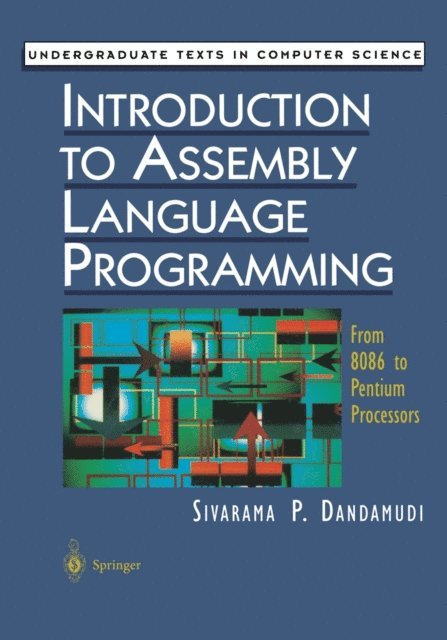
Introduction to Assembly Language Programming
From 8086 to Pentium Processors
E-bok, 2013
1209 kr
Lägg i varukorg
There are three main reasons for writing this book. While several assembly language books are on the market, almost all of them cover only the 8086 processor-a 16-bit processor Intel introduced in 1979. A modem computer organization or assembly language course requires treatment of a more recent …
Fundamentals of Computer Organization and Design
Häftad, 2013
1239 kr
Lägg i varukorg
Computer science and engineering curricula have been evolving at a fast pace to keep up with the developments in the area. There are separate books available on assembly language programming and computer organization. There is a definite need to support the courses that combine assembly language …