Sjoerd Van Tuinen - Böcker
Visar alla böcker från författaren Sjoerd Van Tuinen. Handla med fri frakt och snabb leverans.
11 produkter
11 produkter
249 kr
Skickas inom 5-8 vardagar
2 088 kr
Skickas inom 10-15 vardagar
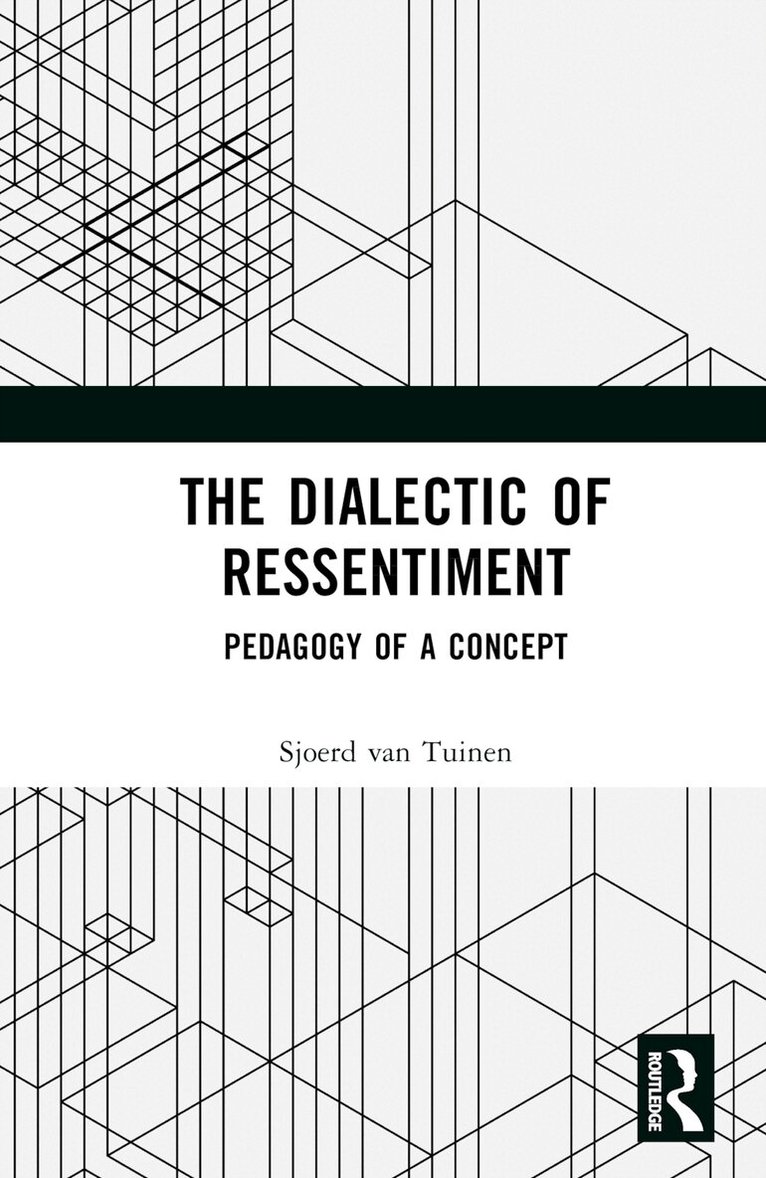
Drawing upon a wide variety of authors, approaches, and ideological contexts, this book offers a comprehensive and detailed critique of the distinct and polemical senses in which the concept of ressentiment (and its cognate 'resentment') is used today. It also proposes a new mode of addressing ressentiment in which critique and polemics no longer set the tone: care.Contemporary tendencies in political culture such as neoliberalism, nationalism, populism, identity politics, and large-scale conspiracy theories have led to the return of the concept of ressentiment in armchair political analysis. This book argues that, due to the tension between its enormous descriptive power and its mutually contradicting ideological performances, it is necessary to ‘redramatize’ the concept of ressentiment. By what right do we possess and use the concept of ressentiment, and what makes the phenomenon worth knowing? Inspired by Marxist political epistemology, affect theory, postcolonialism, and feminism, the book maps, delimits, and assesses four irreducible ways in which ressentiment can be articulated: the ways of the priest, the physician, the witness, and the diplomat. The first perspective is typically embodied by conservative (Scheler, Girard) and liberal (Smith, Rawls) political theory; the second, by Nietzsche, Deleuze and Foucault; whereas the standpoint of the witness is found in the writings of Améry, Fanon and Adorno; and the diplomat’s is the author’s own, albeit inspired by philosophers such as Ahmed, Stiegler, Stengers, and Sloterdijk. In producing a dialectical sequence between all four typical modes of enunciation, the book demonstrates how the first three reinterpretations of ressentiment are already implied in the theater set up in Nietzsche’s late polemical books, while the fourth proposes a line of flight out of it.The Dialectic of Ressentiment will be of interest to scholars and advanced students working in critical theory, social and political philosophy, cultural studies, sociology, history, literature, political science, anthropology, and Nietzsche scholarship. It will also appeal to anyone interested in the politics of anger, discourse ethics, trauma studies, and memory politics.The Open Access version of this book, available at www.taylorfrancis.com, has been made available under a Creative Commons Attribution-Non Commercial-No Derivatives 4.0 license.
576 kr
Skickas inom 10-15 vardagar
Drawing upon a wide variety of authors, approaches, and ideological contexts, this book offers a comprehensive and detailed critique of the distinct and polemical senses in which the concept of ressentiment (and its cognate 'resentment') is used today. It also proposes a new mode of addressing ressentiment in which critique and polemics no longer set the tone: care.Contemporary tendencies in political culture such as neoliberalism, nationalism, populism, identity politics, and large-scale conspiracy theories have led to the return of the concept of ressentiment in armchair political analysis. This book argues that, due to the tension between its enormous descriptive power and its mutually contradicting ideological performances, it is necessary to ‘redramatize’ the concept of ressentiment. By what right do we possess and use the concept of ressentiment, and what makes the phenomenon worth knowing? Inspired by Marxist political epistemology, affect theory, postcolonialism, and feminism, the book maps, delimits, and assesses four irreducible ways in which ressentiment can be articulated: the ways of the priest, the physician, the witness, and the diplomat. The first perspective is typically embodied by conservative (Scheler, Girard) and liberal (Smith, Rawls) political theory; the second, by Nietzsche, Deleuze and Foucault; whereas the standpoint of the witness is found in the writings of Améry, Fanon and Adorno; and the diplomat’s is the author’s own, albeit inspired by philosophers such as Ahmed, Stiegler, Stengers, and Sloterdijk. In producing a dialectical sequence between all four typical modes of enunciation, the book demonstrates how the first three reinterpretations of ressentiment are already implied in the theater set up in Nietzsche’s late polemical books, while the fourth proposes a line of flight out of it.The Dialectic of Ressentiment will be of interest to scholars and advanced students working in critical theory, social and political philosophy, cultural studies, sociology, history, literature, political science, anthropology, and Nietzsche scholarship. It will also appeal to anyone interested in the politics of anger, discourse ethics, trauma studies, and memory politics.The Open Access version of this book, available at www.taylorfrancis.com, has been made available under a Creative Commons Attribution-Non Commercial-No Derivatives 4.0 license.
1 703 kr
Skickas inom 10-15 vardagar
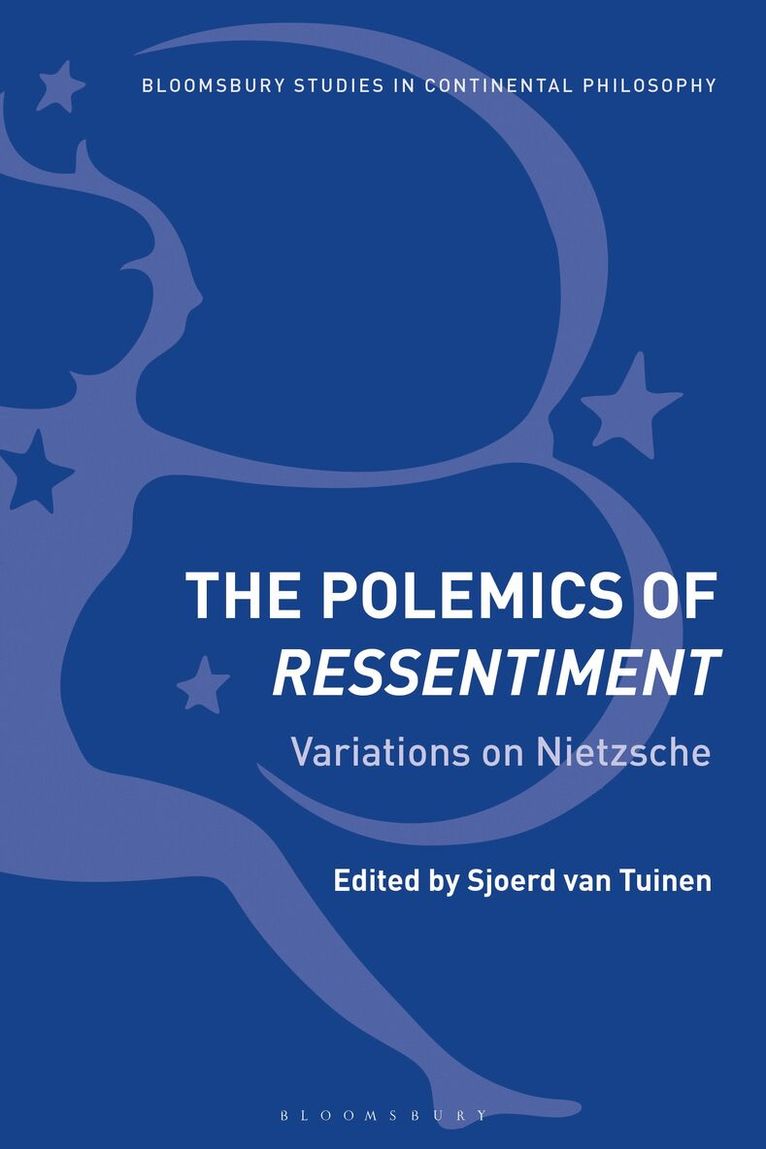
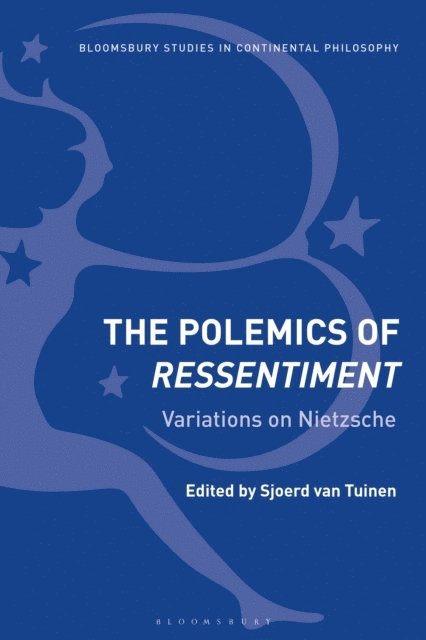
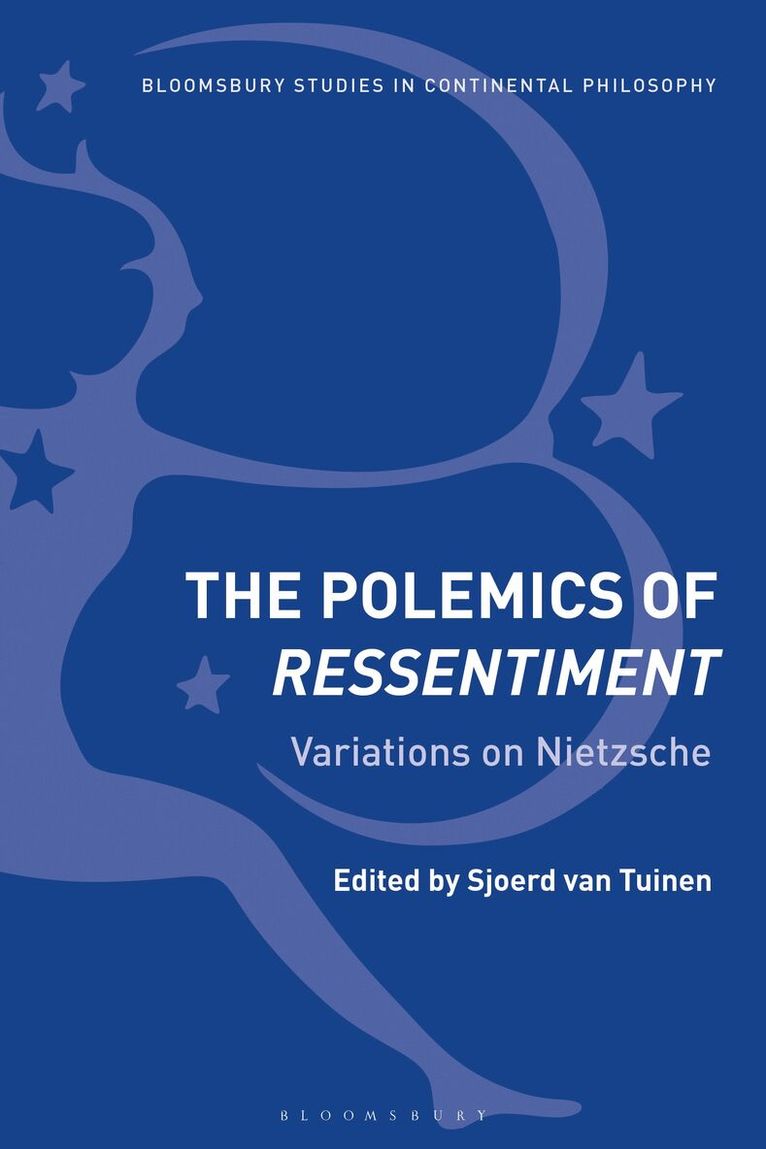
The rise of populism, cynicism, fanaticism and fundamentalism challenges us to reconsider the problem of ressentiment. Characterized by Nietzsche as the self-poisoning of the will through internalising trauma in the form of a postponed and imaginary revenge, the concept of ressentiment is making a comeback in politicaldiscourse.Unlike resentment, the feeling of injustice, ressentiment is an intrinsically polemical notion. It implies a political drama in which there is no inherent good sense in its application and no universal criterion. Drawing on psychoanalysis, political theory, media theory and philosophy, this book examines a wide variety of ideological contexts, offering an examination of the divergent senses in which the concept of ressentiment is used today.
474 kr
Skickas inom 10-15 vardagar
The rise of populism, cynicism, fanaticism and fundamentalism challenges us to reconsider the problem of ressentiment. Characterized by Nietzsche as the self-poisoning of the will through internalising trauma in the form of a postponed and imaginary revenge, the concept of ressentiment is making a comeback in politicaldiscourse.Unlike resentment, the feeling of injustice, ressentiment is an intrinsically polemical notion. It implies a political drama in which there is no inherent good sense in its application and no universal criterion. Drawing on psychoanalysis, political theory, media theory and philosophy, this book examines a wide variety of ideological contexts, offering an examination of the divergent senses in which the concept of ressentiment is used today.
1 209 kr
Skickas inom 10-15 vardagar
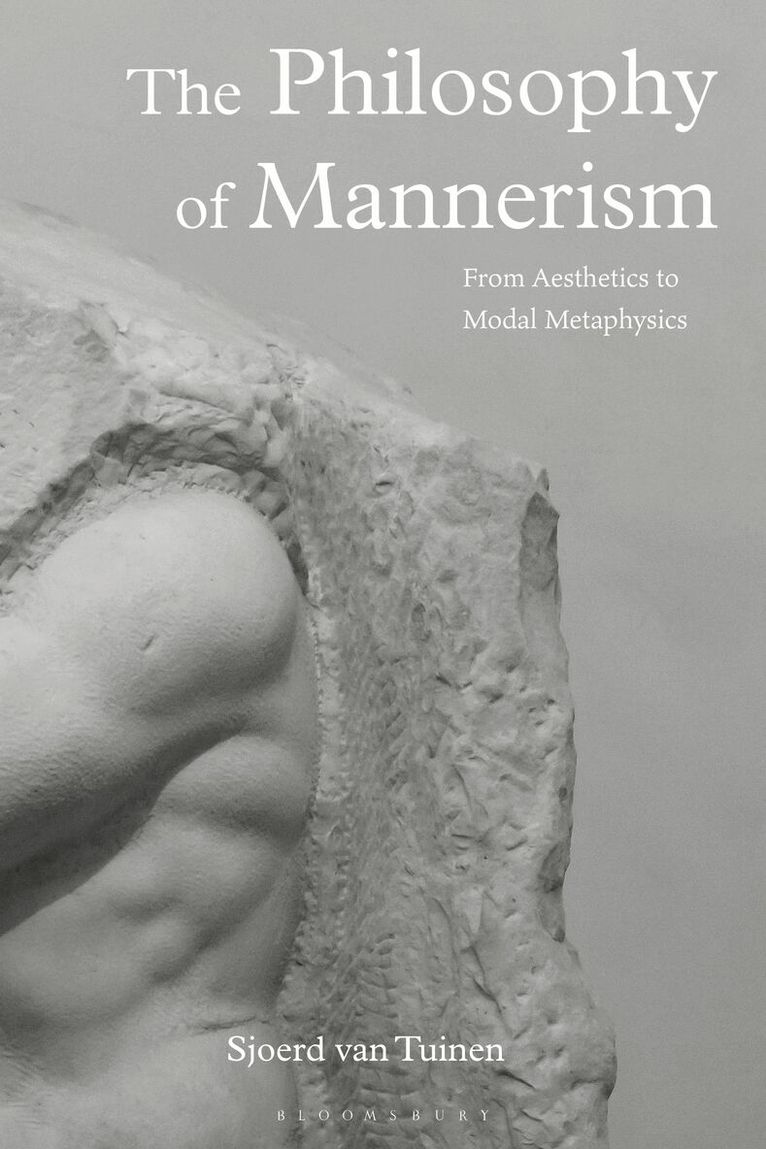
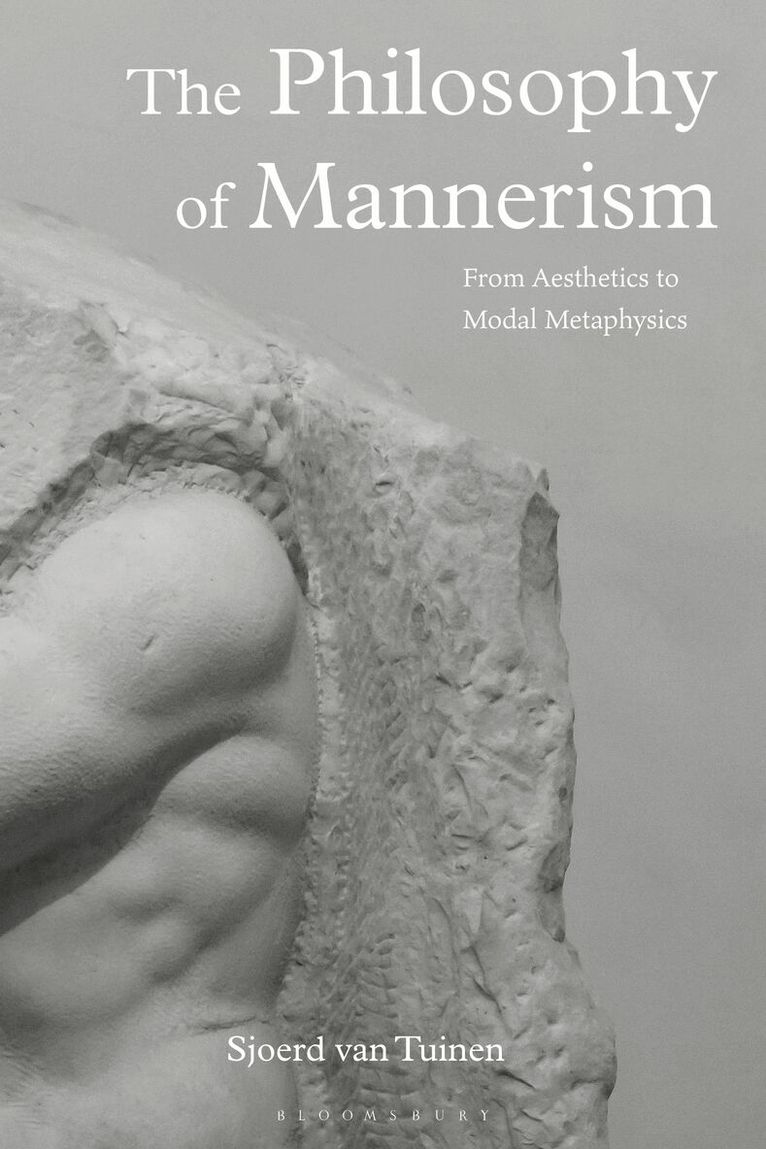
Sjoerd van Tuinen argues for the inseparability of matter and manner in the form of a group portrait of Leibniz, Bergson, Whitehead, Souriau, Simondon, Deleuze, Stengers, and Agamben. Examining afresh the 16th-century style of mannerism, this book synthesizes philosophy and aesthetics to demonstrate not only the contemporary relevance of artists such as Michelangelo or Arcimboldo but their broader significance as incorporating a form of modal thinking and perceiving.While looking at mannerism as a style that spurned the balance and proportion of earlier Renaissance models in favour of compositional instability and tension, this book also conceives of mannerism a-historically to investigate what it can tell us about continental modal metaphysics. Whereas analytical metaphysics privileges logical essence and asks whether something is possible, real, contingent, or necessary, continental philosophy privileges existence and counts as many modes as there are ways of coming-into-being.In three main parts, van Tuinen first explores the ontological, aesthetic, and ethical ramifications of this distinction. He then develops this through an extended study of Leibniz as a modal and indeed mannerist philosopher, before outlining in the final part a (neo)-mannerist aesthetics that incorporates diagrammatics, alchemy, and contemporary technologies of speculative design.
408 kr
Skickas inom 10-15 vardagar
Sjoerd van Tuinen argues for the inseparability of matter and manner in the form of a group portrait of Leibniz, Bergson, Whitehead, Souriau, Simondon, Deleuze, Stengers, and Agamben. Examining afresh the 16th-century style of mannerism, this book synthesizes philosophy and aesthetics to demonstrate not only the contemporary relevance of artists such as Michelangelo or Arcimboldo but their broader significance as incorporating a form of modal thinking and perceiving.While looking at mannerism as a style that spurned the balance and proportion of earlier Renaissance models in favour of compositional instability and tension, this book also conceives of mannerism a-historically to investigate what it can tell us about continental modal metaphysics. Whereas analytical metaphysics privileges logical essence and asks whether something is possible, real, contingent, or necessary, continental philosophy privileges existence and counts as many modes as there are ways of coming-into-being.In three main parts, van Tuinen first explores the ontological, aesthetic, and ethical ramifications of this distinction. He then develops this through an extended study of Leibniz as a modal and indeed mannerist philosopher, before outlining in the final part a (neo)-mannerist aesthetics that incorporates diagrammatics, alchemy, and contemporary technologies of speculative design.
1 454 kr
Skickas inom 7-10 vardagar
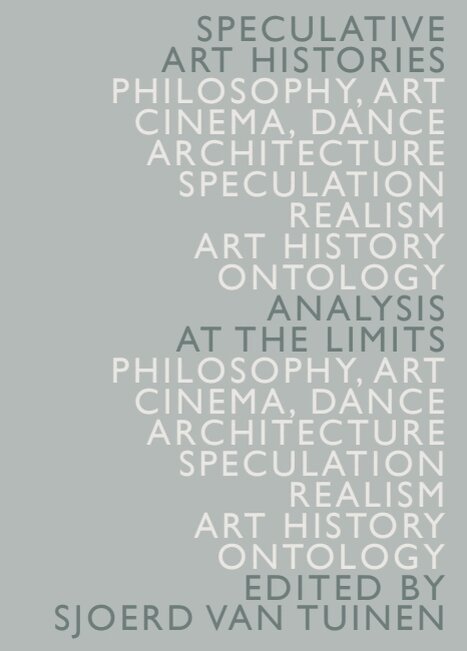
Situated at the interface of philosophy, aesthetics and art history, this collection brings together a series of creative responses to the recent speculative turn in Continental philosophy. It gives you both a genealogy of speculative art history and a provocatively experimental counter-discourse of new speculative art histories.The contributors include philosophers, art historians, architects and art practitioners who go beyond the mere complementarity of philosophy and art history. They are generous with the types of art they examine, including architecture, cinema, dance and new media, and the philosophical trajectories they engage with.Speculative Art Histories is published in association with Witte de With Center for Contemporary Art, Rotterdam.
334 kr
Skickas inom 7-10 vardagar
Situated at the interface of philosophy, aesthetics and art history, this collection brings together a series of creative responses to the recent speculative turn in Continental philosophy. It gives you both a genealogy of speculative art history and a provocatively experimental counter-discourse of new speculative art histories.The contributors include philosophers, art historians, architects and art practitioners who go beyond the mere complementarity of philosophy and art history. They are generous with the types of art they examine, including architecture, cinema, dance and new media, and the philosophical trajectories they engage with.Speculative Art Histories is published in association with Witte de With Center for Contemporary Art, Rotterdam.
133 kr
Skickas inom 7-10 vardagar
The Politics of Debt brings together philosophers, political scientists, and economists and sets them the task of reflecting on the political role played by debt. Focusing on the aftermath of the 2008 economic crisis, particularly in the United States and Europe, the book is split into groups. It contains six essays and five interviews that aim to fully comprehend the political consequences of the economic crisis and specifically of debt.
800 kr
Skickas
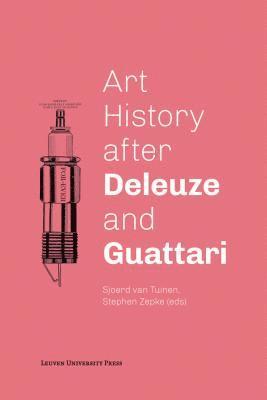
Though Gilles Deleuze and Felix Guattari were not strictly art historians, they reinvigorated ontological and formal approaches to art, and simultaneously borrowed art historical concepts for their own philosophical work. They were dedicated modernists, inspired by the German school of expressionist art historians such as Riegl, Woelfflin, and Worringer and the great modernist art critics such as Rosenberg, Steinberg, Greenberg, and Fried. The work of Deleuze and Guattari on mannerism and Baroque art has led to new approaches to these artistic periods, and their radical transdisciplinarity has influenced contemporary art like no other philosophy before it. Their work therefore raises important methodological questions on the differences and relations among philosophy, artistic practice, and art history. In Art History after Deleuze and Guattari international scholars from all three fields explore what a `Deleuzo-Guattarian art history' could be today.ContributorsEric Alliez (Kingston University, Universite Paris VIII), Claudia Blumle (Humboldt Universitat zu Berlin), Jean-Claude Bonne (Ecole des Hautes Etudes en Sciences Sociales), Ann-Cathrin Drews (Humboldt Universitat zu Berlin), James Elkins (School of the Art Institute of Chicago), Sascha Freyberg (Max Planck Institute for the History of Science), Antoine l'Heureux (independent researcher), Vlad Ionescu (Hasselt University), Juan Fernando Mejia Mosquera (Pontificia Universidad Javeriana), Gustavo Chirolla Ospina (Pontificia Universidad Javeriana), Bertrand Prevost (Universite Bordeaux Montaigne), Elisabeth von Samsonow (Akademie fur bildende Kunste Wien), Sjoerd van Tuinen (Erasmus University Rotterdam), Kamini Vellodi (Edinburgh College of Art), Stephen Zepke (independent researcher)