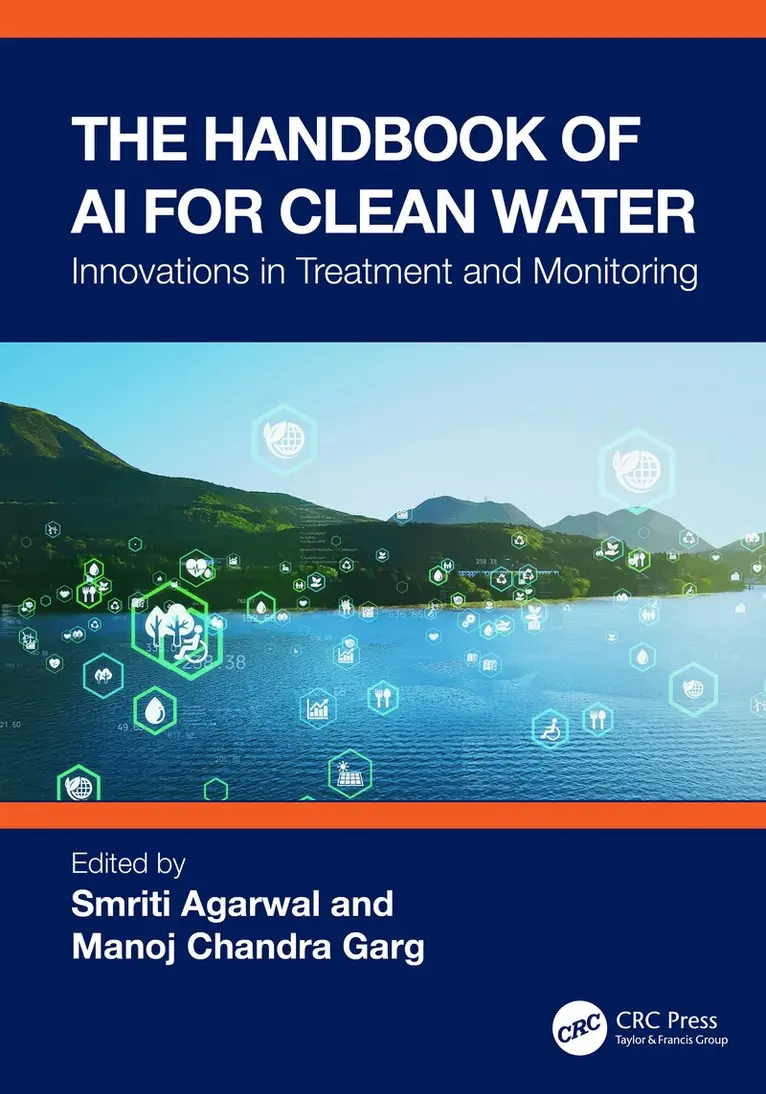
The Handbook of AI for Clean Water: Innovations in Treatment and Monitoring is a comprehensive guide that delves into the transformative role of artificial intelligence (AI) in addressing the global water crisis through advanced treatment, monitoring, and management technologies. Divided into nine thematic parts and spanning 21 chapters, this volume provides a structured and interdisciplinary examination of how AI can revolutionize clean water access, treatment efficiency, contamination control, and policymaking.The book offers in-depth insights into AI applications across water quality monitoring, predictive maintenance, microbial detection, desalination, and governance. With a technical emphasis on AI–Internet of Things (IoT) integration, machine learning algorithms, data-driven decision-making, and sustainable water management, it explores case studies, technical models, and futuristic solutions aimed at reducing environmental impact and enhancing system efficiency. This handbook empowers readers with knowledge of both foundational principles and cutting-edge innovations.This is an ideal resource for researchers, environmental scientists, policymakers, engineers, graduate students, and professionals in water resource management. It is also intended for AI developers and decision-makers seeking to implement data-driven strategies for clean water access and sustainability.
The Handbook of AI for Clean Water: Innovations in Treatment and Monitoring is a comprehensive guide that delves into the transformative role of artificial intelligence (AI) in addressing the global water crisis through advanced treatment, monitoring, and management technologies. Divided into nine thematic parts and spanning 21 chapters, this volume provides a structured and interdisciplinary examination of how AI can revolutionize clean water access, treatment efficiency, contamination control, and policymaking.The book offers in-depth insights into AI applications across water quality monitoring, predictive maintenance, microbial detection, desalination, and governance. With a technical emphasis on AI-Internet of Things (IoT) integration, machine learning algorithms, data-driven decision-making, and sustainable water management, it explores case studies, technical models, and futuristic solutions aimed at reducing environmental impact and enhancing system efficiency. This handbook empowers readers with knowledge of both foundational principles and cutting-edge innovations.This is an ideal resource for researchers, environmental scientists, policymakers, engineers, graduate students, and professionals in water resource management. It is also intended for AI developers and decision-makers seeking to implement data-driven strategies for clean water access and sustainability.
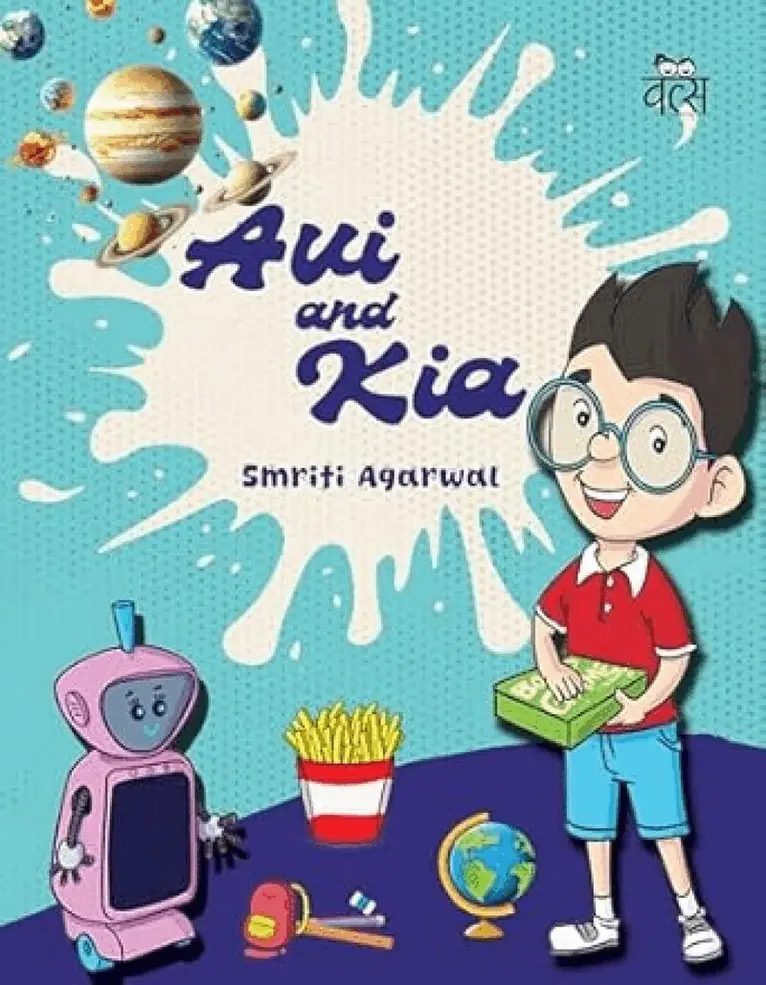
Ever wondered what happens to trash once it leaves the bin? Or what’s inside a pencil? Or how your favourite crispy treat came to be? Join Avi, an inquisitive boy with a never-ending set of questions, as KIA, his witty, know-it-all robot friend reveals some of the fascinating stories behind the things we see and use every day. Together, they dive into exciting adventures that turn ordinary topics into extraordinary discoveries. When Avi asks about the National Anthem, KIA takes him back in time to learn about Rabindranath Tagore and the unifying magic of his words.
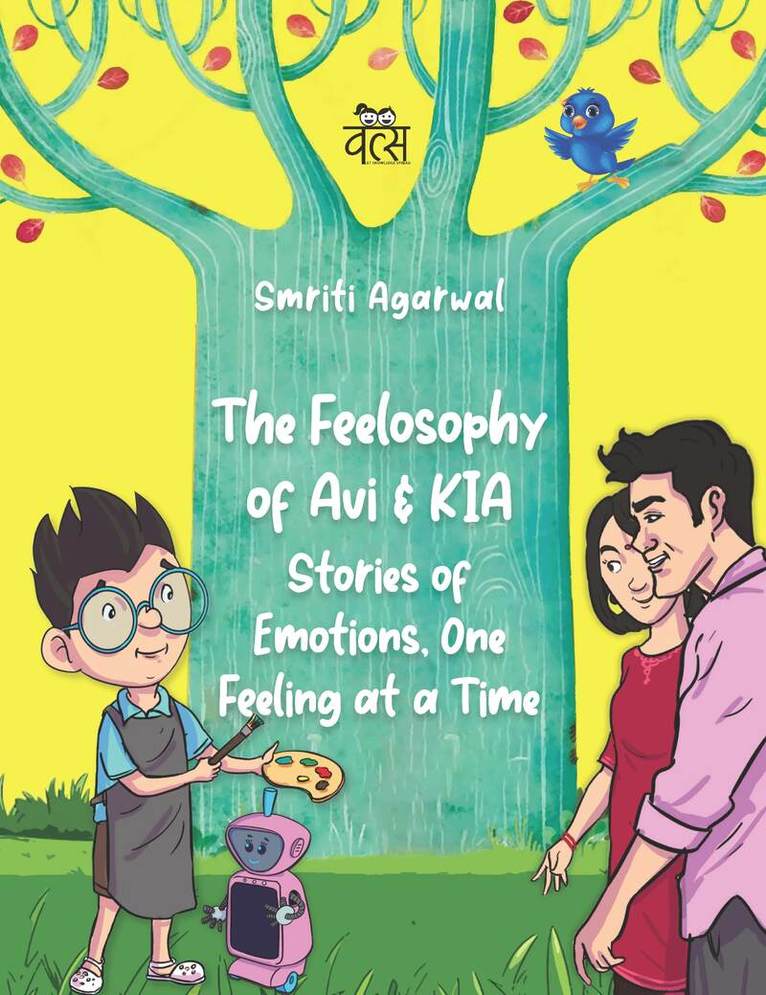
In this delightful sequel to Avi and KIA, the roles are reversed—Avi, a curious eight-year-old, now becomes the teacher, guiding his ‘Know It All’ robot friend through the fascinating world of human emotions.Each story explores a different feeling—from joy and kindness to anger and fear—helping children understand and express their emotions with confidence and care.
This book provides a forward-looking and practical examination of how Artificial Intelligence (AI) is reshaping wastewater treatment and advancing sustainable environmental management. Organized into four thematic parts, it bridges foundational knowledge with cutting-edge innovations, offering an integrated view of the future of water technologies.The book begins with the fundamentals of AI and machine learning as applied to core wastewater processes. Readers learn how intelligent algorithmsranging from neural networks to optimization modelsenable accurate forecasting, dynamic control, and enhanced biological treatment efficiency. The second part highlights AI-driven monitoring and automation, including smart sensors, SCADA-enabled systems, and real-time process adjustments that improve operational stability and regulatory compliance.Decision-support tools and emerging technologies form the focus of Part III. This section explores multi-criteria evaluation frameworks, IoT-connected smart plants, predictive analytics, and next-generation advancements such as explainable AI. The final part addresses sustainability and specialized applications, detailing AI-driven strategies for sludge valorization, zero-waste initiatives, high-salinity wastewater treatment, and optimized water reuse.Combining scientific depth with practical insights, this book serves as an essential resource for researchers, engineers, utility managers, environmental consultants, and policymakers committed to building smarter, more resilient, and sustainable wastewater management systems.