Sofia Donoso – författare
Visar alla böcker från författaren Sofia Donoso. Handla med fri frakt och snabb leverans.
3 produkter
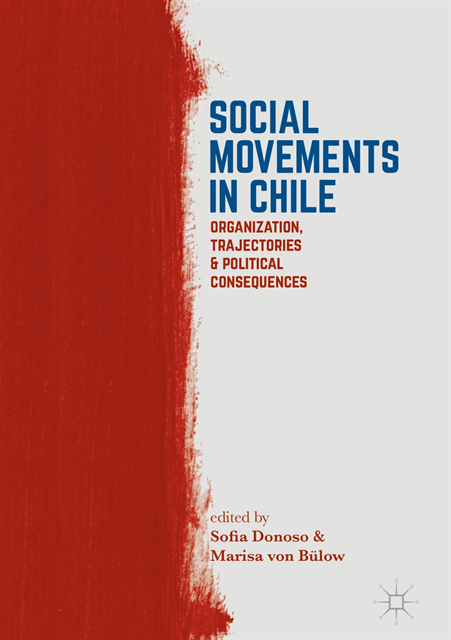
Social Movements in Chile
Organization, Trajectories, and Political Consequences
Av Marisa von Bulow, Sofia Donoso
E-bok, 2017
2069 kr
Lägg i varukorg
This book presents rich empirical analyses of the most important movements in Chile’s post-transition era: the Student Movement, the Mapuche Movement, the Labor Movement, the Feminist Movement, and the Environmental Movement. The chapters illuminate the processes that led to their emergence, and …
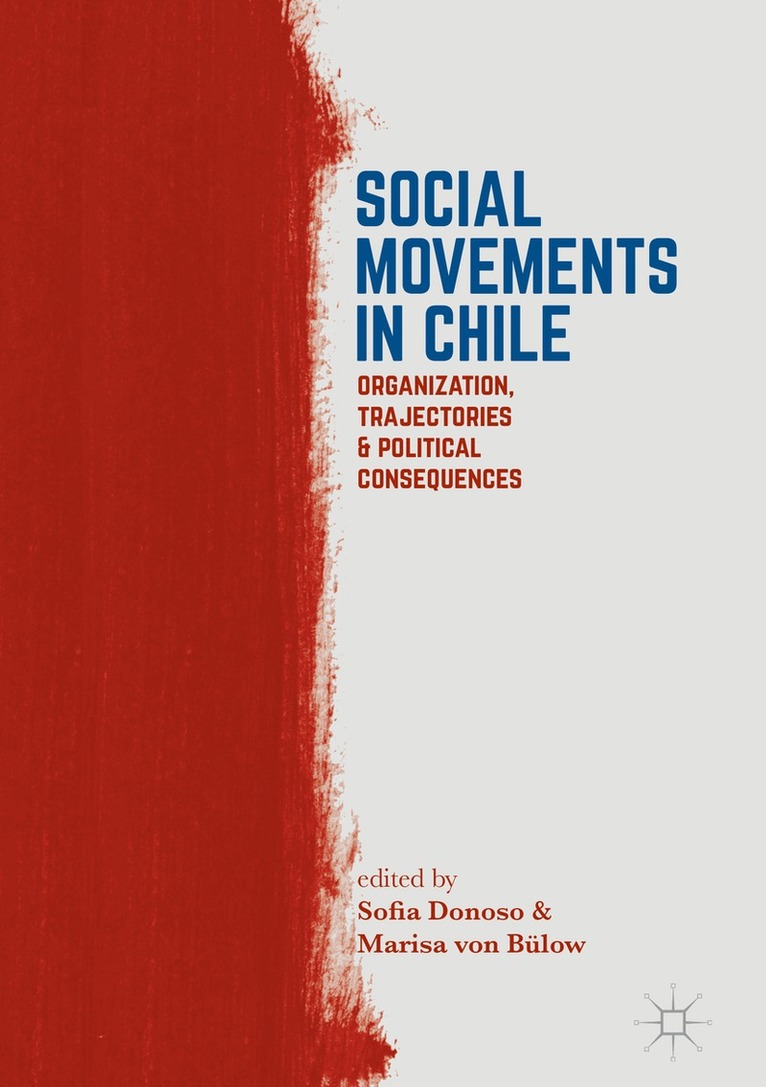
Social Movements in Chile
Organization, Trajectories, and Political Consequences
Av Sofia Donoso, Marisa von Bülow
Inbunden, 2017
1580 kr
Lägg i varukorg
This book presents rich empirical analyses of the most important movements in Chile’s post-transition era: the Student Movement, the Mapuche Movement, the Labor Movement, the Feminist Movement, and the Environmental Movement. The chapters illuminate the processes that led to their emergence, and …
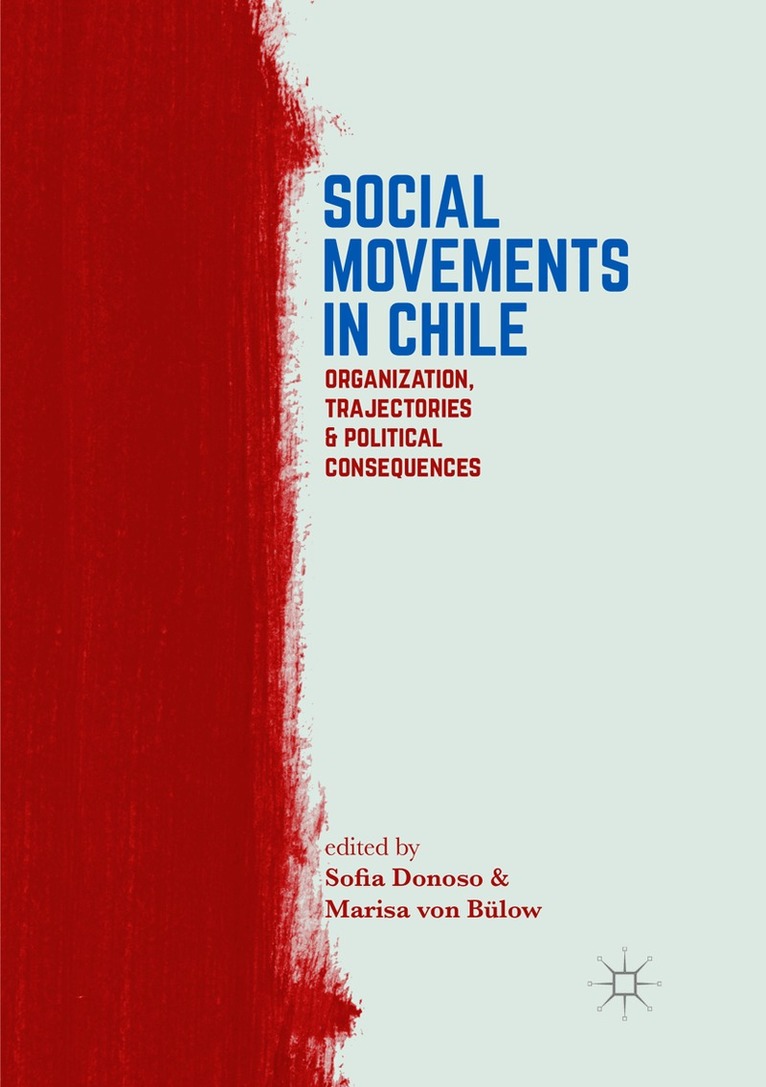
Social Movements in Chile
Organization, Trajectories, and Political Consequences
Av Sofia Donoso, Marisa von Bülow
Häftad, 2018
1534 kr
Lägg i varukorg
This book presents rich empirical analyses of the most important movements in Chile’s post-transition era: the Student Movement, the Mapuche Movement, the Labor Movement, the Feminist Movement, and the Environmental Movement. The chapters illuminate the processes that led to their emergence, and …