Sonia O'Connor – författare
Visar alla böcker från författaren Sonia O'Connor. Handla med fri frakt och snabb leverans.
5 produkter
5 produkter
Häftad, Engelska, 2020
575 kr
Skickas inom 10-15 vardagar
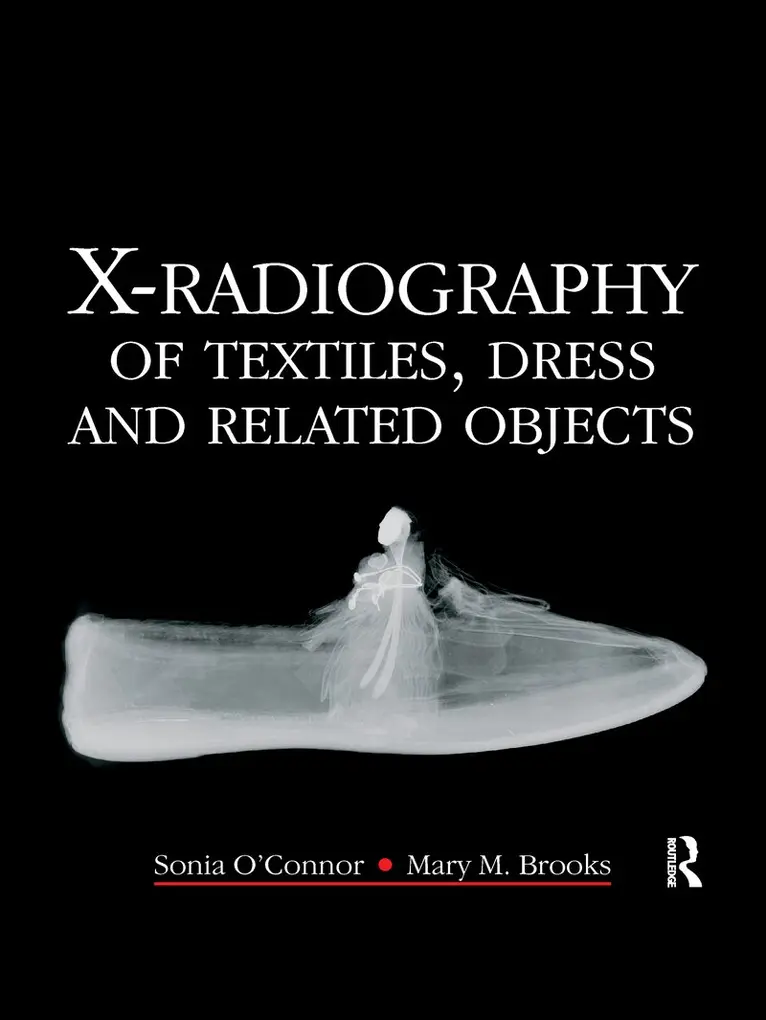
X-radiography of textile objects reveals hidden features as well as unexpected components and materials. This non-destructive technique throws light on construction, manufacturing techniques, use, wear, repair, patterns of decay and dating. X-radiography improves artefact documentation and interpretation as well as guiding conservation approaches by enhancing understanding.This book explores techniques for X-raying textiles. It describes approaches to image interpretation and explains how, through digitisation and digital image manipulation, maximum information can be realised. Case studies include archaeological, ecclesiastical and ethnographic textiles, items of dress and accessories, upholstery, quilts, embroideries, dolls and toys. Museum professionals will find this stimulating book an essential guide for developing their own practice or commissioning textile X-radiographs.
Inbunden, Engelska, 2007
2 511 kr
Skickas inom 10-15 vardagar
X-radiography of textile objects reveals hidden features as well as unexpected components and materials. This non-destructive technique throws light on construction, manufacturing techniques, use, wear, repair, patterns of decay and dating. X-radiography improves artefact documentation and interpretation as well as guiding conservation approaches by enhancing understanding.This book explores techniques for X-raying textiles. It describes approaches to image interpretation and explains how, through digitisation and digital image manipulation, maximum information can be realised. Case studies include archaeological, ecclesiastical and ethnographic textiles, items of dress and accessories, upholstery, quilts, embroideries, dolls and toys. Museum professionals will find this stimulating book an essential guide for developing their own practice or commissioning textile X-radiographs.
E-bok
Engelska, 2007641 kr
Läs direkt efter köp
X-radiography of textile objects reveals hidden features as well as unexpected components and materials. This non-destructive technique throws light on construction, manufacturing techniques, use, wear, repair, patterns of decay and dating. X-radiography improves artefact documentation and interpretation as well as guiding conservation approaches by enhancing understanding.This book explores techniques for X-raying textiles. It describes approaches to image interpretation and explains how, through digitisation and digital image manipulation, maximum information can be realised. Case studies include archaeological, ecclesiastical and ethnographic textiles, items of dress and accessories, upholstery, quilts, embroideries, dolls and toys. Museum professionals will find this stimulating book an essential guide for developing their own practice or commissioning textile X-radiographs.
E-bok
PDF, Engelska, 2007641 kr
Läs direkt efter köp
X-radiography of textile objects reveals hidden features as well as unexpected components and materials. This non-destructive technique throws light on construction, manufacturing techniques, use, wear, repair, patterns of decay and dating. X-radiography improves artefact documentation and interpretation as well as guiding conservation approaches by enhancing understanding.This book explores techniques for X-raying textiles. It describes approaches to image interpretation and explains how, through digitisation and digital image manipulation, maximum information can be realised. Case studies include archaeological, ecclesiastical and ethnographic textiles, items of dress and accessories, upholstery, quilts, embroideries, dolls and toys. Museum professionals will find this stimulating book an essential guide for developing their own practice or commissioning textile X-radiographs.
E-bok
Engelska, 2021123 kr
Läs direkt efter köp
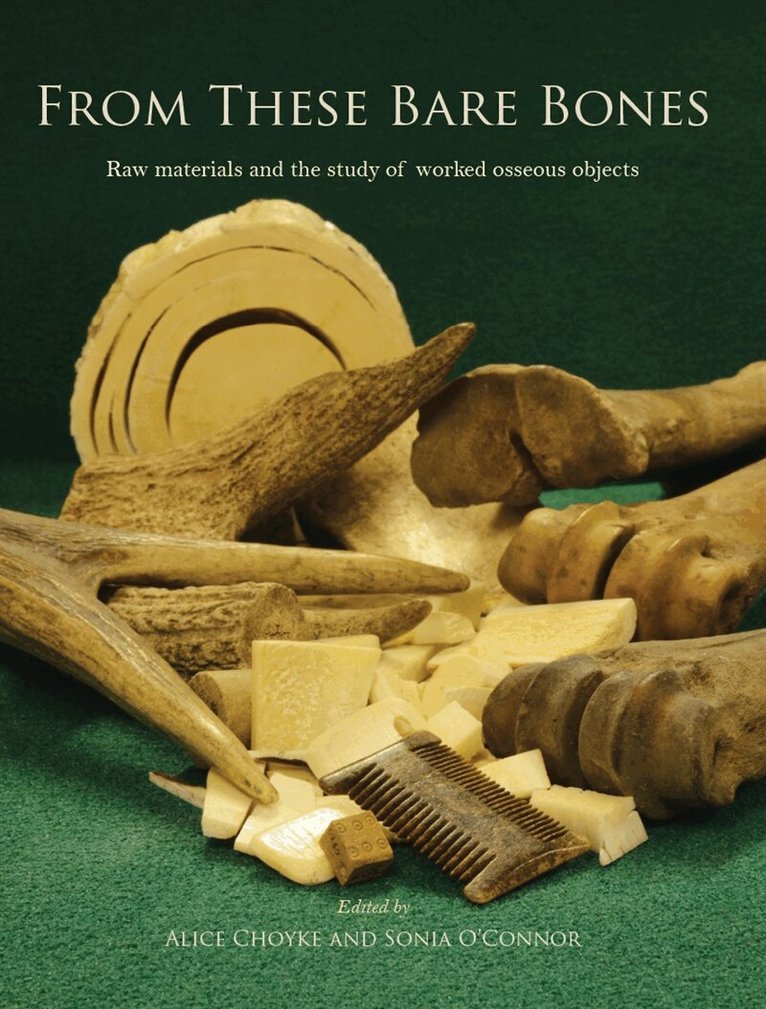
A fundamental component of the study of worked osseous objects is the identification of the raw materials chosen to make them. In archaeological contexts many objects become degraded to the point where identification is very difficult and the way in which these materials decay during burial and upon excavation can vary greatly. Correct identification is crucial to the investigation of objects, their conservation and future curation. Above all, understanding raw material selection aids our understanding of human-animal interaction in the past both on pragmatic and symbolic levels since the choices made by artisans vary by cultural tradition as well as availability.The 20 papers presented here explore a wealth of information pertaining to the use of osseous materials over the long period of human craftsmanship and tool manufacture by exploring several key themes:· Raw material selection and curation within tool types· Social aspects of raw material selection· New methods of materials identificationIt is demonstrated that the issue of raw material identification has numerous implications for conservation work, reproduction of objects, the physical characteristics of the tool or ornament, availability of raw materials, the materials chosen for procurement and the cultural reasons that lie behind the choice of raw materials from particular species and skeletal elements to produce planned tool and ornament types. Together, these papers emphasize the need for confident and correct materials identification and demonstrate that functionality is by no means the only, nor necessarily the most important, factor in the selection of osseous raw materials for the fabrication of tools and other cultural objects.