Sonia R. García - Böcker
Visar alla böcker från författaren Sonia R. García. Handla med fri frakt och snabb leverans.
2 produkter
2 produkter
207 kr
Skickas inom 10-15 vardagar
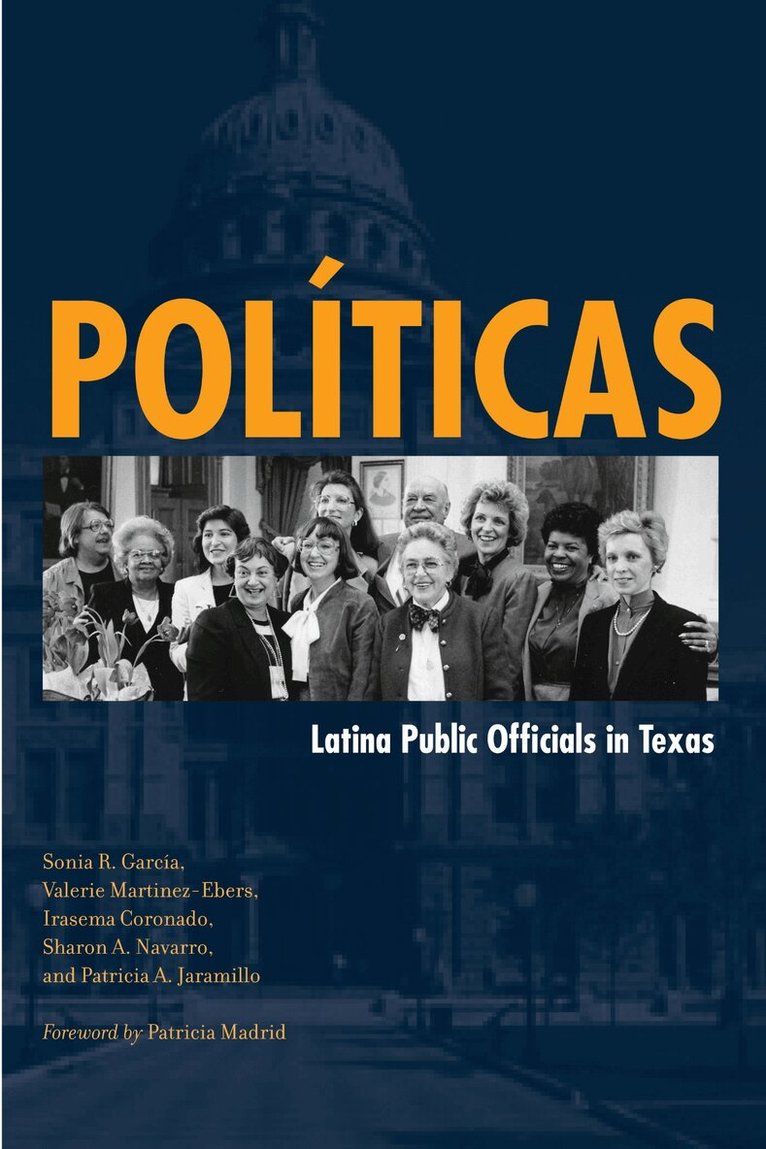
In the decades since Latinas began to hold public office in the United States in the late 1950s, they have blazed new trails in public life, bringing fresh perspectives, leadership styles, and policy agendas to the business of governing cities, counties, states, and the nation. As of 2004, Latinas occupied 27.4 percent of the more than 6,000 elected and appointed local, state, and national positions filled by Hispanic officeholders. The greatest number of these Latina officeholders reside in Texas, where nearly six hundred women occupy posts from municipal offices, school boards, and county offices to seats in the Texas House and Senate. In this book, five Latina political scientists profile the women who have been the first Latinas to hold key elected and appointed positions in Texas government. Through interviews with each woman or her associates, the authors explore and theorize about Latina officeholders' political socialization, decision to run for office and obstacles overcome, leadership style, and representational roles and advocacy. The profiles begin with Irma Rangel, the first Latina elected to the Texas House of Representatives, and Judith Zaffirini and Leticia Van de Putte, the only two Latinas to serve in the Texas Senate. The authors also interview Lena Guerrero, the first and only Latina to serve in a statewide office; judges Linda Yanes, Alma Lopez, Elma Salinas Ender, Mary Roman, and Alicia ChacÓn; mayors Blanca Sanchez Vela (Brownsville), Betty Flores (Laredo), and Olivia Serna (Crystal City); and Latina city councilwomen from San Antonio, El Paso, Dallas, Houston, and Laredo.
342 kr
Skickas inom 3-6 vardagar
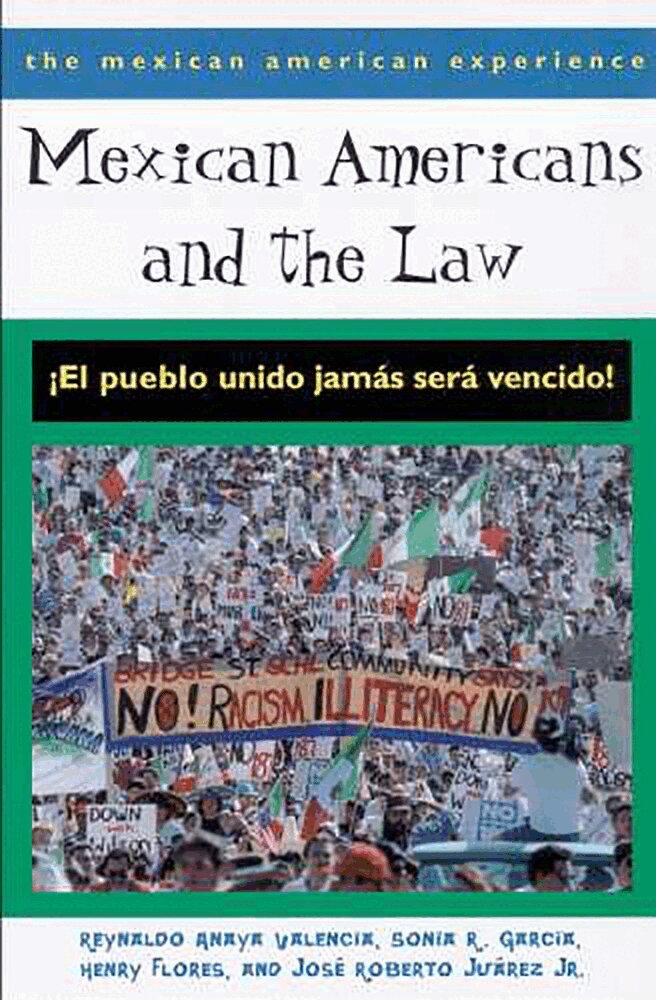
The experience of Mexican Americans in the United States has been marked by oppression at the hands of the legal system but it has also benefited from successful appeals to the same system. Mexican Americans and the Law illustrates how Mexican Americans have played crucial roles in mounting legal challenges regarding issues that directly affect their political, educational, and socioeconomic status. Each chapter highlights historical contexts, relevant laws, and policy concerns for a specific issue and features abridged versions of significant state and federal cases involving Mexican Americans. Beginning with People v. Zammora (1940), the trial that was a precursor to the Zoot Suit Riots in Los Angeles during World War II, the authors lead students through some of the most important and precedent-setting cases in American law: - Educational equality: from segregation concerns in Mendez v. Westminster (1946) to unequal funding in San Antonio Independent School District vs. Rodriguez (1973) - Gender issues: reproductive rights in Madrigal v. Quilligan (1981), workplace discrimination in EEOC v. Hacienda Hotel (1989), sexual violence in Aguirre-Cervantes v.INS (2001) - Language rights: Yniguez v. Arizonans for Official English (1995), Garcia v. Gloor (1980), Serna v. Portales Municipal Schools (1974) - Immigration-: search and seizure questions in U.S. v. Brignoni-Ponce (1975) and U.S. v. Martinez-Fuerte (1976); public benefits issues in Plyler v. Doe (1982) and League of United Latin American Citizens v. Wilson (1997) - Voting rights: redistricting in White v. Regester (1973) and Bush v. Vera (1996) - Affirmative action: Hopwood v. State of Texas (1996) and Coalition for Economic Equity v. Wilson (1997) - Criminal justice issues: equal protection in Hernandez v. Texas (1954); jury service in Hernandez v. New York (1991); self incrimination in Miranda v. Arizona (1966); access to legal counsel in Escobedo v. Illinois (1964) With coverage as timely as the 2003 Supreme Court decision on affirmative action, Mexican Americans and the Law offers invaluable insight into legal issues that have impacted Mexican Americans, other Latinos, other racial minorities, and all Americans. Discussion questions, suggested readings, and Internet sources help students better comprehend the intricacies of law.