677 kr
Skickas inom 10-15 vardagar
677 kr
Skickas inom 10-15 vardagar
2 466 kr
Skickas inom 10-15 vardagar
2 269 kr
Skickas inom 10-15 vardagar
625 kr
Skickas inom 10-15 vardagar
733 kr
Läs direkt efter köp
733 kr
Läs direkt efter köp
733 kr
Läs direkt efter köp
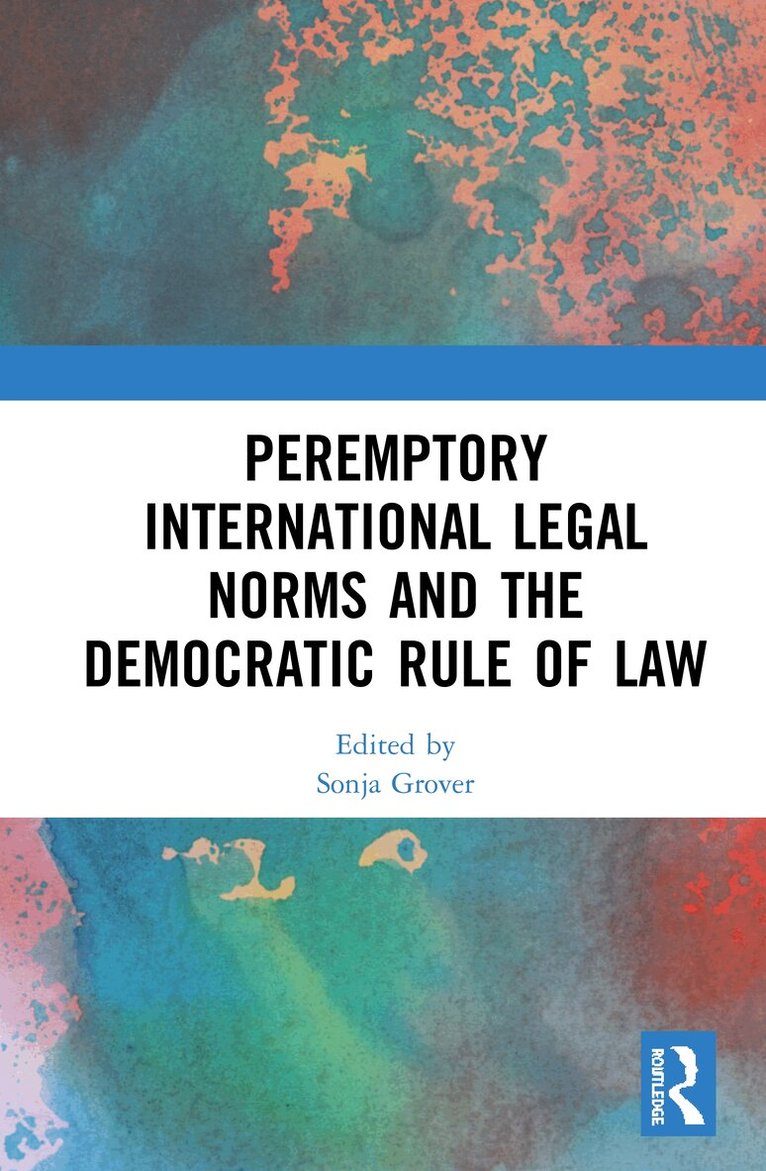
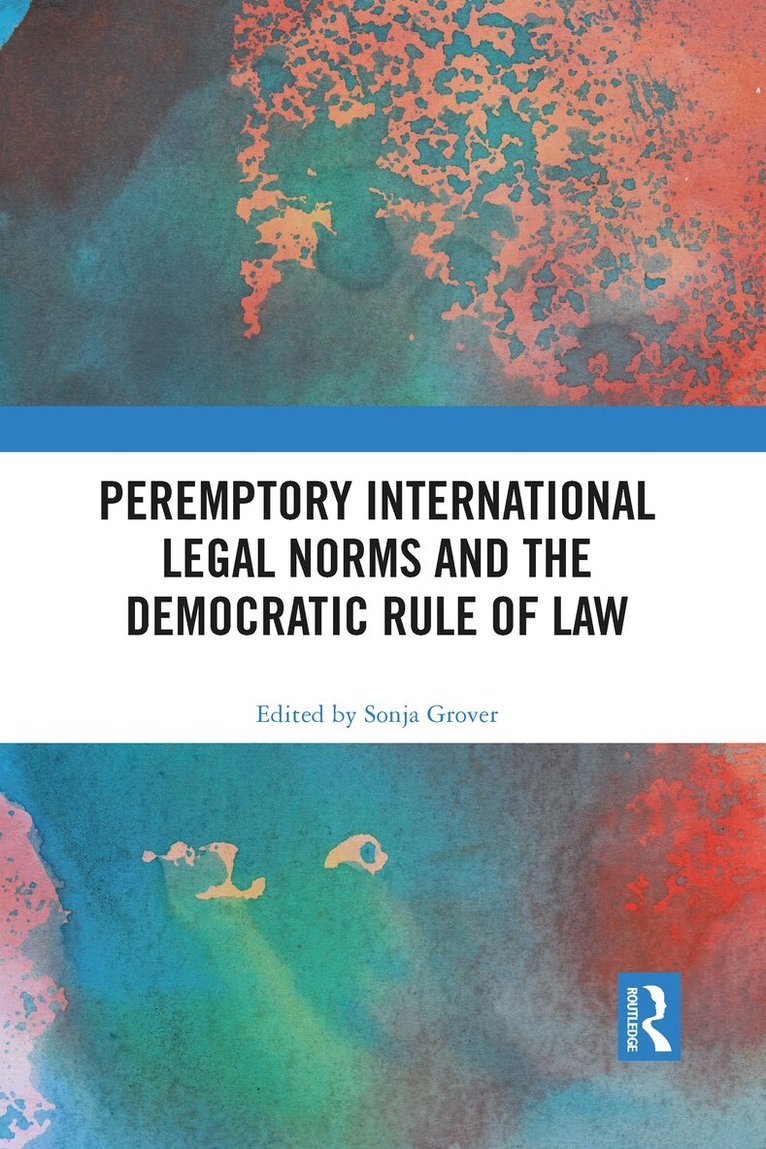
Peremptory International Legal Norms and the Democratic Rule of Law explores the risks to the democratic State inherent in the attempt to divorce the notion of democratic rule of law from respect for and adherence to peremptory international legal norms which allow for no derogation therefrom such as the prohibition of torture and inhumane treatment or punishment by the State.
The chapters address, with specific current case examples, in what ways the democratic rule of law within certain democratic States risks being undermined through those States acquiescing to the erosion of peremptory international law norms in the domestic and international context. The book therefore explores the question of in what ways such democratic State acquiescence in effect may ultimately disrupt the investment within the State in the shared culture of core human rights values that underlies democratic rule of law itself and highlights the fragility of that shared culture. The contributors argue for a renewed commitment in principle and practice to the democratic rule of law and to its human rights international normative underpinnings.
Peremptory International Legal Norms and the Democratic Rule of Law will be of great interest to scholars of international law, human rights and democracy. The chapters originally published as a special issue of The International Journal of Human Rights.
733 kr
Läs direkt efter köp
Peremptory International Legal Norms and the Democratic Rule of Law explores the risks to the democratic State inherent in the attempt to divorce the notion of democratic rule of law from respect for and adherence to peremptory international legal norms which allow for no derogation therefrom such as the prohibition of torture and inhumane treatment or punishment by the State.
The chapters address, with specific current case examples, in what ways the democratic rule of law within certain democratic States risks being undermined through those States acquiescing to the erosion of peremptory international law norms in the domestic and international context. The book therefore explores the question of in what ways such democratic State acquiescence in effect may ultimately disrupt the investment within the State in the shared culture of core human rights values that underlies democratic rule of law itself and highlights the fragility of that shared culture. The contributors argue for a renewed commitment in principle and practice to the democratic rule of law and to its human rights international normative underpinnings.
Peremptory International Legal Norms and the Democratic Rule of Law will be of great interest to scholars of international law, human rights and democracy. The chapters originally published as a special issue of The International Journal of Human Rights.
670 kr
Läs direkt efter köp
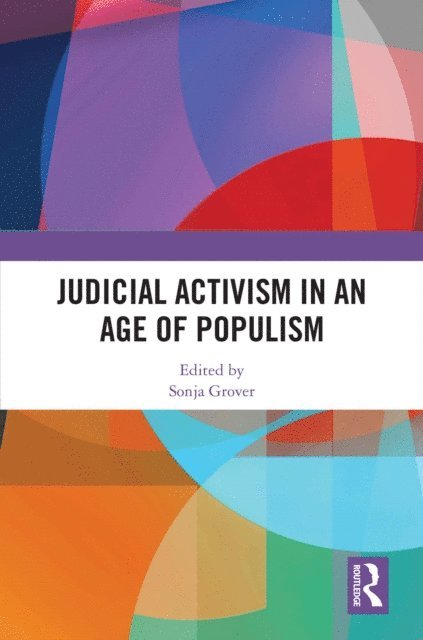
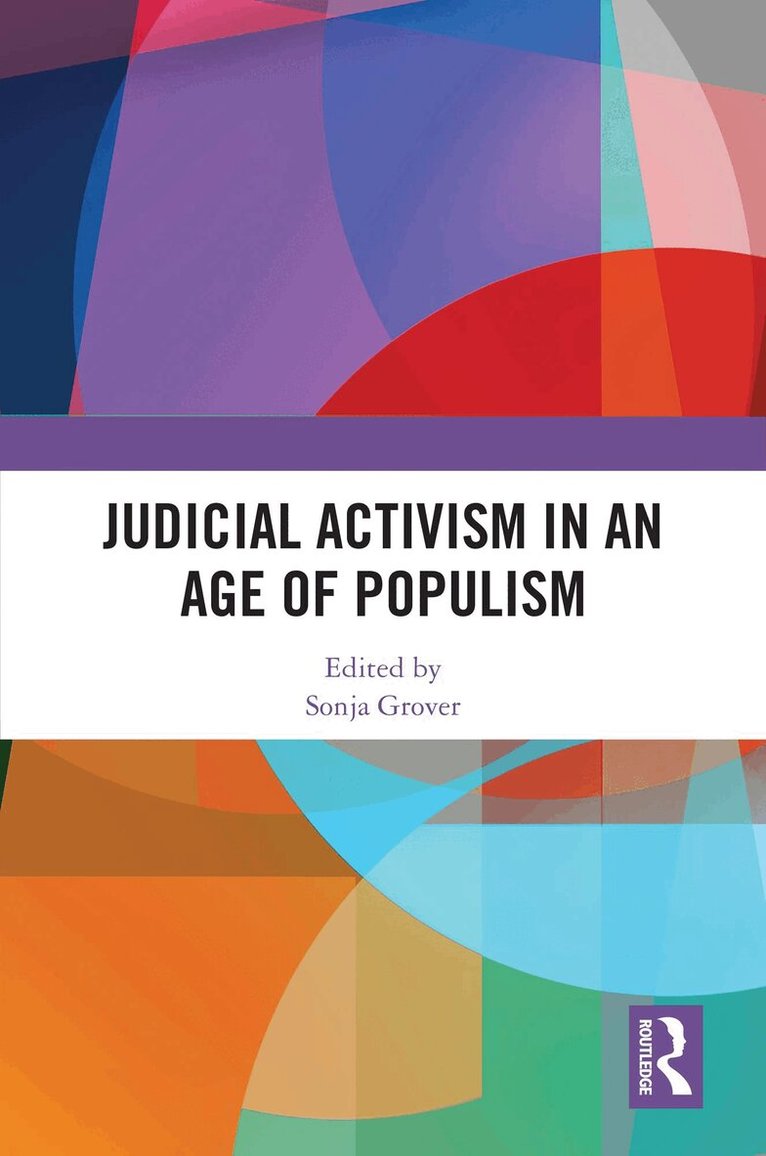
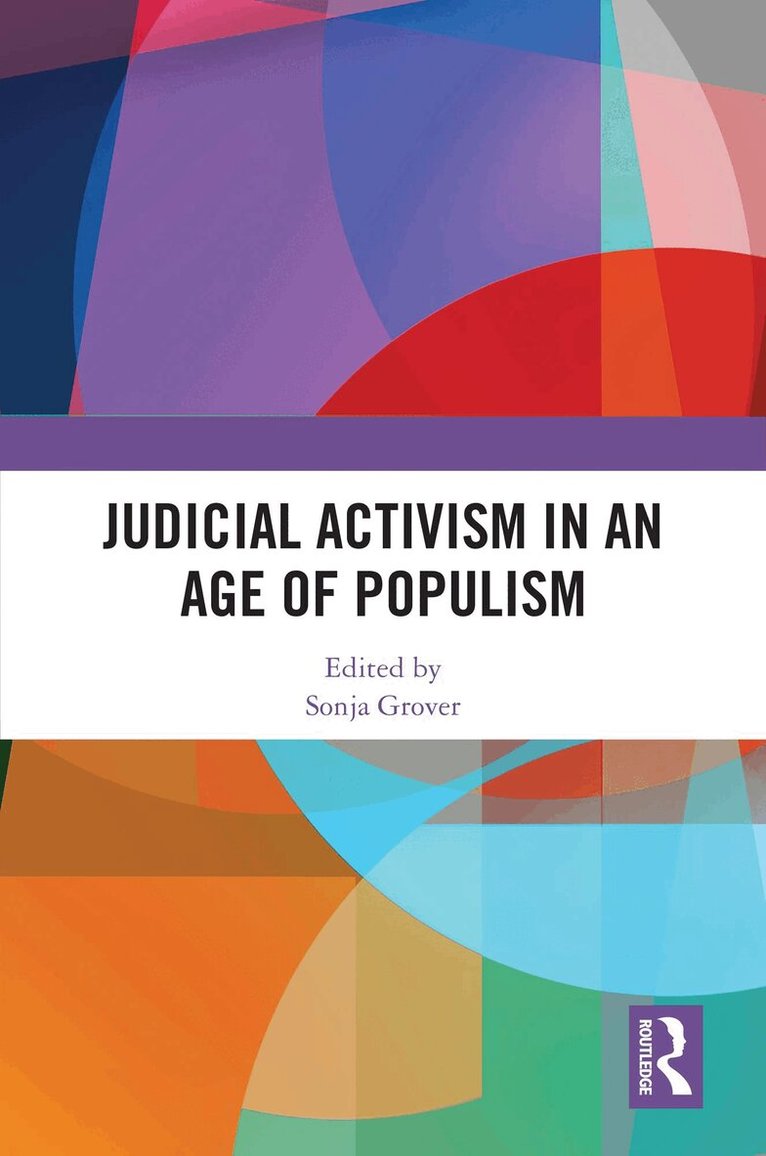
This book explores the range of meanings attributed to the terms ‘judicial activism’ and ‘populism’ in contemporary times and examines the potential interplay between these two phenomena. Drawing upon various political examples, it discusses the implication of populist movements for democratic institutions, policies, and processes.
The chapters in this volume examine the impact of populism on judicial decision-making in various socio-cultural contexts. The contributing authors explore the implications of populist beliefs, including those which promote anti-democratic perspectives, on the integrity, independence, and the role of the judiciary in a democratic society. This volume offers unique international perspectives on the concern that populist initiatives may be and continue to be a threat to democratic foundational values and principles.
Judicial Activism in an Age of Populism will be a beneficial read for students of Politics, Sociology, Public Administration and Management, and Law and Society. It was originally published as a special issue of The International Journal of Human Rights.
670 kr
Läs direkt efter köp
This book explores the range of meanings attributed to the terms ‘judicial activism’ and ‘populism’ in contemporary times and examines the potential interplay between these two phenomena. Drawing upon various political examples, it discusses the implication of populist movements for democratic institutions, policies, and processes.
The chapters in this volume examine the impact of populism on judicial decision-making in various socio-cultural contexts. The contributing authors explore the implications of populist beliefs, including those which promote anti-democratic perspectives, on the integrity, independence, and the role of the judiciary in a democratic society. This volume offers unique international perspectives on the concern that populist initiatives may be and continue to be a threat to democratic foundational values and principles.
Judicial Activism in an Age of Populism will be a beneficial read for students of Politics, Sociology, Public Administration and Management, and Law and Society. It was originally published as a special issue of The International Journal of Human Rights.
679 kr
Skickas inom 10-15 vardagar
1 927 kr
Skickas inom 10-15 vardagar
572 kr
Skickas inom 10-15 vardagar
2 269 kr
Skickas inom 10-15 vardagar
638 kr
Skickas inom 10-15 vardagar
920 kr
Läs direkt efter köp
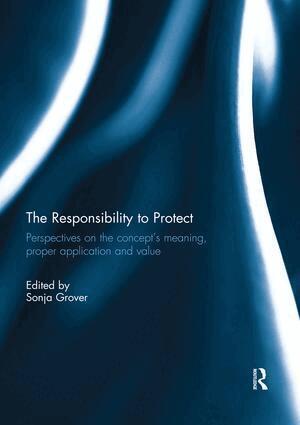
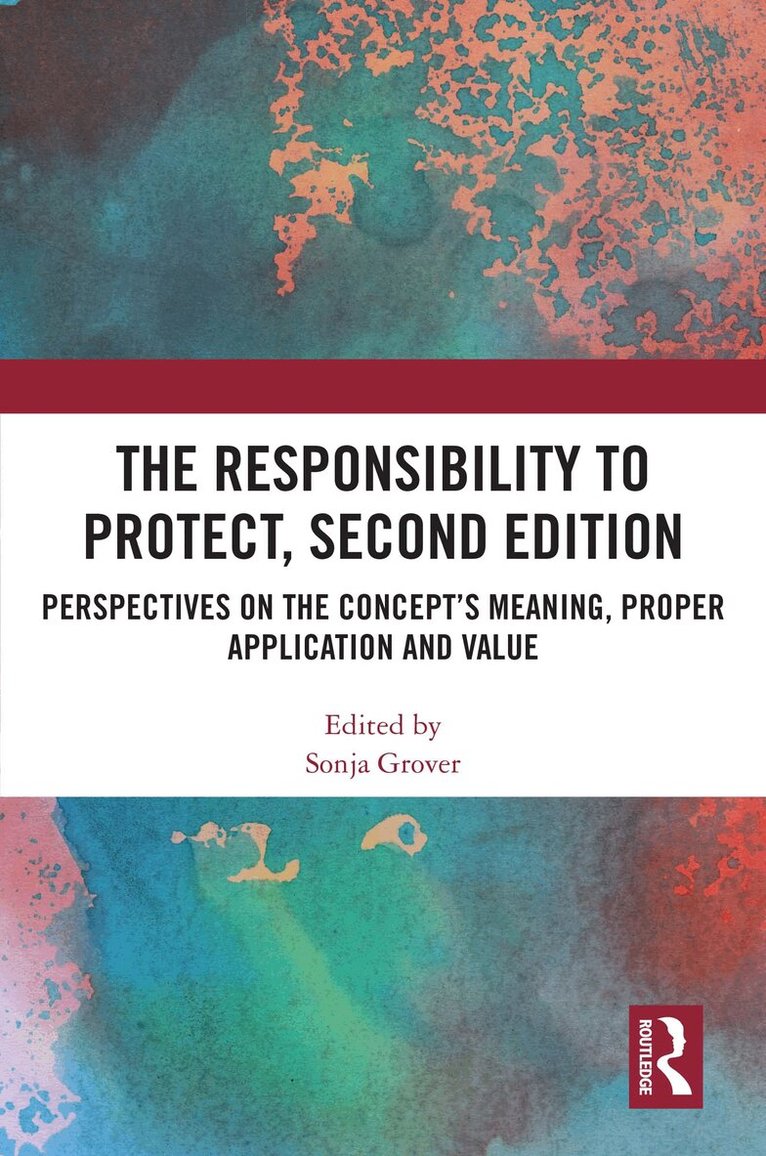
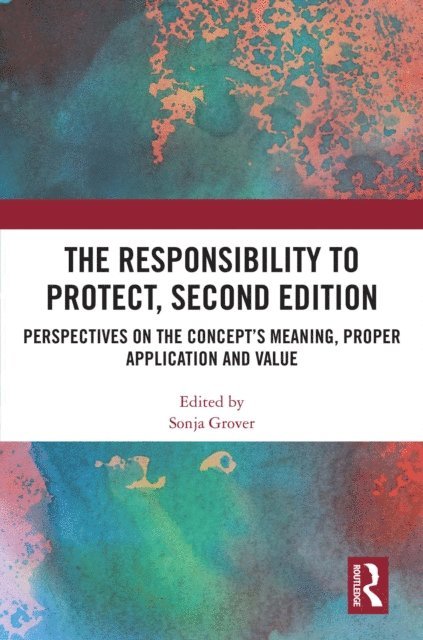
This book presents the views of various international law and human rights experts on the contested meaning, scope of application, value and viability of R2P; the principle of the Responsibility to Protect (R2P). R2P refers to the notion that the international community has a legal responsibility to protect civilians against the potential or ongoing occurrence of the mass atrocity crimes of genocide, large scale war crimes, ethnic cleansing and crimes against humanity. R2P allows for intervention where the individual State is unable or unwilling to so protect its people or is in fact a perpetrator.
The book also addresses the controversial issue of whether intervention by States implementing R2P with or without the endorsement of the United Nations Security Council constitutes a State act of aggression or instead is legally justified and not an infringement on the offending State’s sovereign jurisdiction. The adverse impact on global peace and security of the failure to protect civilians from mass atrocity crimes has put in stark relief the need to address anew the principle of ‘responsibility to protect’ and the feasibility and wisdom of its application and this book is a significant contribution to that effort.
This second edition comes with an updated Introduction and a new Afterword, making it an invaluable resource for scholars, policymakers, human rights advocates, and students of law and international relations, seeking to deepen their understanding of a principle that is vital to safeguarding human rights in our world today.
This book was originally published as a special issue of the International Journal of Human Rights.
920 kr
Läs direkt efter köp
This book presents the views of various international law and human rights experts on the contested meaning, scope of application, value and viability of R2P; the principle of the Responsibility to Protect (R2P). R2P refers to the notion that the international community has a legal responsibility to protect civilians against the potential or ongoing occurrence of the mass atrocity crimes of genocide, large scale war crimes, ethnic cleansing and crimes against humanity. R2P allows for intervention where the individual State is unable or unwilling to so protect its people or is in fact a perpetrator.
The book also addresses the controversial issue of whether intervention by States implementing R2P with or without the endorsement of the United Nations Security Council constitutes a State act of aggression or instead is legally justified and not an infringement on the offending State’s sovereign jurisdiction. The adverse impact on global peace and security of the failure to protect civilians from mass atrocity crimes has put in stark relief the need to address anew the principle of ‘responsibility to protect’ and the feasibility and wisdom of its application and this book is a significant contribution to that effort.
This second edition comes with an updated Introduction and a new Afterword, making it an invaluable resource for scholars, policymakers, human rights advocates, and students of law and international relations, seeking to deepen their understanding of a principle that is vital to safeguarding human rights in our world today.
This book was originally published as a special issue of the International Journal of Human Rights.
858 kr
Läs direkt efter köp
This book presents the views of various international law and human rights experts on the contested meaning, scope of application, value and viability of R2P; the principle of the Responsibility to Protect . R2P refers to the notion that the international community has a legal responsibility to protect civilians against the potential or ongoing occurrence of the mass atrocity crimes of genocide, large scale war crimes, ethnic cleansing and crimes against humanity. R2P allows for intervention where the individual State is unable or unwilling to so protect its people or is in fact a perpetrator. The book addresses also the controversial issue of whether intervention by States implementing R2P with or without the endorsement of the United Nations Security Council constitutes a State act of aggression or instead is legally justified and not an infringement on the offending State’s sovereign jurisdiction. The adverse impact on global peace and security of the failure to protect civilians from mass atrocity crimes has put in stark relief the need to address anew the principle of ‘responsibility to protect’ and the feasibility and wisdom of its application and this book is a significant contribution to that effort. This book was originally published as a special issue of the International Journal of Human Rights.
864 kr
Läs direkt efter köp
This book presents the views of various international law and human rights experts on the contested meaning, scope of application, value and viability of R2P; the principle of the Responsibility to Protect . R2P refers to the notion that the international community has a legal responsibility to protect civilians against the potential or ongoing occurrence of the mass atrocity crimes of genocide, large scale war crimes, ethnic cleansing and crimes against humanity. R2P allows for intervention where the individual State is unable or unwilling to so protect its people or is in fact a perpetrator. The book addresses also the controversial issue of whether intervention by States implementing R2P with or without the endorsement of the United Nations Security Council constitutes a State act of aggression or instead is legally justified and not an infringement on the offending State’s sovereign jurisdiction. The adverse impact on global peace and security of the failure to protect civilians from mass atrocity crimes has put in stark relief the need to address anew the principle of ‘responsibility to protect’ and the feasibility and wisdom of its application and this book is a significant contribution to that effort. This book was originally published as a special issue of the International Journal of Human Rights.
2 269 kr
Skickas inom 10-15 vardagar
1 215 kr
Skickas inom 10-15 vardagar
1 606 kr
Läs direkt efter köp
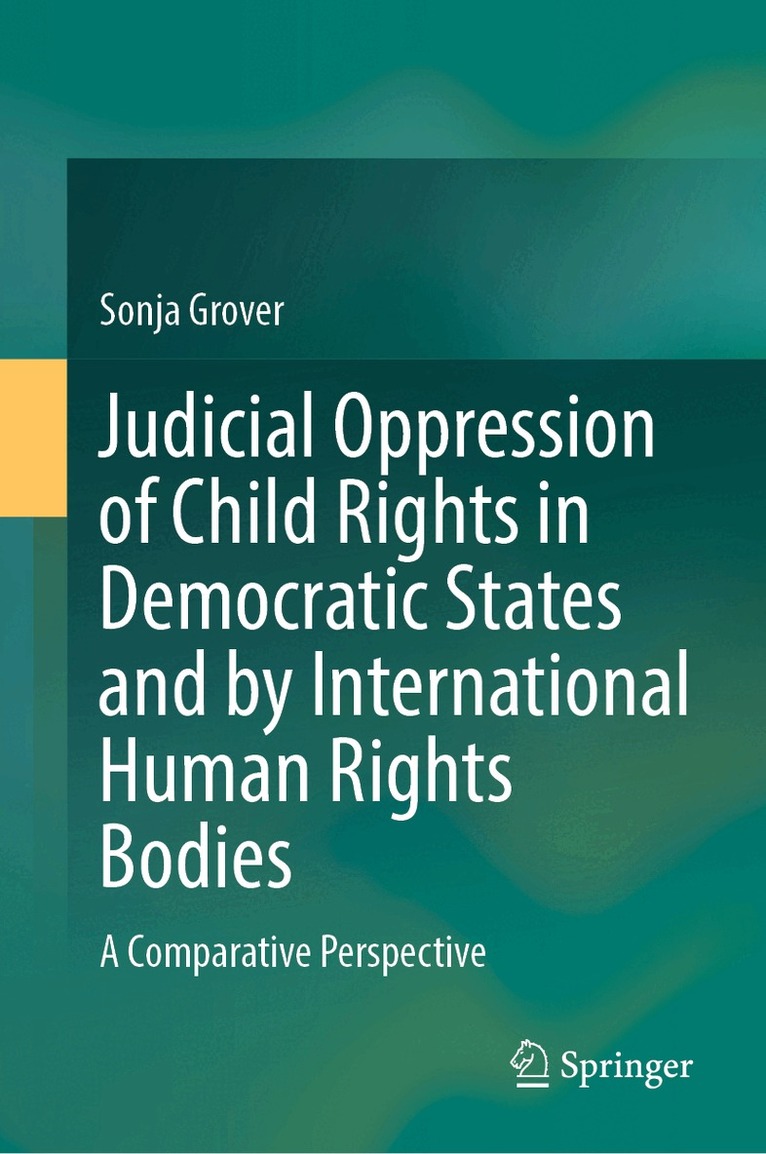
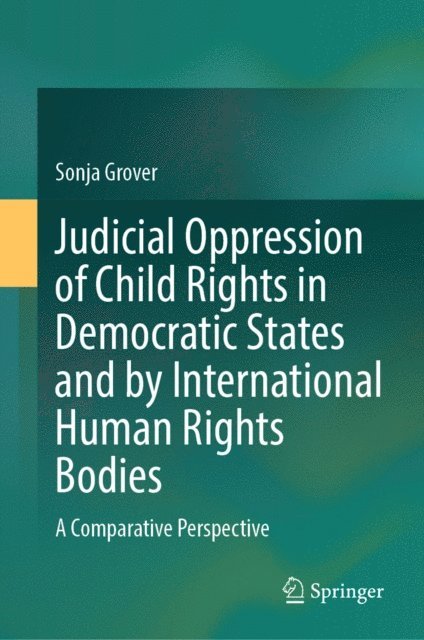
The book analyzes in depth selected contemporary U.S., Canadian and European landmark and other cases illustrating the nature and impact of the legal regime that undermines child human rights empowerment in many Westerm democracies. The objectives in writing this book are to (i) encourage a re-evaluation of the legal regime that fosters the erosion of the notion of children as autonomous holders of fundamental human rights and not but subjects with weak derivative rights stemming from parental or family rights; (ii) highlight the courts‘ proper role in a democracy of protecting child and youth human rights empowerment and to (iii) contribute to fostering an evolution in the historical notion of the court’s patris patriae doctrine as including the protection and strengthening of child autonomous fundamental human rights and child empowerment. Ultimately then the book highlights through the child rights domain the significant role the courts must and should play in strengthening democratic values and principles.
1 215 kr
Skickas inom 10-15 vardagar
1 461 kr
Kommande
677 kr
Skickas inom 10-15 vardagar
2 466 kr
Skickas inom 10-15 vardagar
2 269 kr
Skickas inom 10-15 vardagar
625 kr
Skickas inom 10-15 vardagar
733 kr
Läs direkt efter köp
733 kr
Läs direkt efter köp
733 kr
Läs direkt efter köp
Peremptory International Legal Norms and the Democratic Rule of Law explores the risks to the democratic State inherent in the attempt to divorce the notion of democratic rule of law from respect for and adherence to peremptory international legal norms which allow for no derogation therefrom such as the prohibition of torture and inhumane treatment or punishment by the State.
The chapters address, with specific current case examples, in what ways the democratic rule of law within certain democratic States risks being undermined through those States acquiescing to the erosion of peremptory international law norms in the domestic and international context. The book therefore explores the question of in what ways such democratic State acquiescence in effect may ultimately disrupt the investment within the State in the shared culture of core human rights values that underlies democratic rule of law itself and highlights the fragility of that shared culture. The contributors argue for a renewed commitment in principle and practice to the democratic rule of law and to its human rights international normative underpinnings.
Peremptory International Legal Norms and the Democratic Rule of Law will be of great interest to scholars of international law, human rights and democracy. The chapters originally published as a special issue of The International Journal of Human Rights.
733 kr
Läs direkt efter köp
Peremptory International Legal Norms and the Democratic Rule of Law explores the risks to the democratic State inherent in the attempt to divorce the notion of democratic rule of law from respect for and adherence to peremptory international legal norms which allow for no derogation therefrom such as the prohibition of torture and inhumane treatment or punishment by the State.
The chapters address, with specific current case examples, in what ways the democratic rule of law within certain democratic States risks being undermined through those States acquiescing to the erosion of peremptory international law norms in the domestic and international context. The book therefore explores the question of in what ways such democratic State acquiescence in effect may ultimately disrupt the investment within the State in the shared culture of core human rights values that underlies democratic rule of law itself and highlights the fragility of that shared culture. The contributors argue for a renewed commitment in principle and practice to the democratic rule of law and to its human rights international normative underpinnings.
Peremptory International Legal Norms and the Democratic Rule of Law will be of great interest to scholars of international law, human rights and democracy. The chapters originally published as a special issue of The International Journal of Human Rights.
670 kr
Läs direkt efter köp
This book explores the range of meanings attributed to the terms ‘judicial activism’ and ‘populism’ in contemporary times and examines the potential interplay between these two phenomena. Drawing upon various political examples, it discusses the implication of populist movements for democratic institutions, policies, and processes.
The chapters in this volume examine the impact of populism on judicial decision-making in various socio-cultural contexts. The contributing authors explore the implications of populist beliefs, including those which promote anti-democratic perspectives, on the integrity, independence, and the role of the judiciary in a democratic society. This volume offers unique international perspectives on the concern that populist initiatives may be and continue to be a threat to democratic foundational values and principles.
Judicial Activism in an Age of Populism will be a beneficial read for students of Politics, Sociology, Public Administration and Management, and Law and Society. It was originally published as a special issue of The International Journal of Human Rights.
670 kr
Läs direkt efter köp
This book explores the range of meanings attributed to the terms ‘judicial activism’ and ‘populism’ in contemporary times and examines the potential interplay between these two phenomena. Drawing upon various political examples, it discusses the implication of populist movements for democratic institutions, policies, and processes.
The chapters in this volume examine the impact of populism on judicial decision-making in various socio-cultural contexts. The contributing authors explore the implications of populist beliefs, including those which promote anti-democratic perspectives, on the integrity, independence, and the role of the judiciary in a democratic society. This volume offers unique international perspectives on the concern that populist initiatives may be and continue to be a threat to democratic foundational values and principles.
Judicial Activism in an Age of Populism will be a beneficial read for students of Politics, Sociology, Public Administration and Management, and Law and Society. It was originally published as a special issue of The International Journal of Human Rights.
679 kr
Skickas inom 10-15 vardagar
1 927 kr
Skickas inom 10-15 vardagar
572 kr
Skickas inom 10-15 vardagar
2 269 kr
Skickas inom 10-15 vardagar
638 kr
Skickas inom 10-15 vardagar
920 kr
Läs direkt efter köp
This book presents the views of various international law and human rights experts on the contested meaning, scope of application, value and viability of R2P; the principle of the Responsibility to Protect (R2P). R2P refers to the notion that the international community has a legal responsibility to protect civilians against the potential or ongoing occurrence of the mass atrocity crimes of genocide, large scale war crimes, ethnic cleansing and crimes against humanity. R2P allows for intervention where the individual State is unable or unwilling to so protect its people or is in fact a perpetrator.
The book also addresses the controversial issue of whether intervention by States implementing R2P with or without the endorsement of the United Nations Security Council constitutes a State act of aggression or instead is legally justified and not an infringement on the offending State’s sovereign jurisdiction. The adverse impact on global peace and security of the failure to protect civilians from mass atrocity crimes has put in stark relief the need to address anew the principle of ‘responsibility to protect’ and the feasibility and wisdom of its application and this book is a significant contribution to that effort.
This second edition comes with an updated Introduction and a new Afterword, making it an invaluable resource for scholars, policymakers, human rights advocates, and students of law and international relations, seeking to deepen their understanding of a principle that is vital to safeguarding human rights in our world today.
This book was originally published as a special issue of the International Journal of Human Rights.
920 kr
Läs direkt efter köp
This book presents the views of various international law and human rights experts on the contested meaning, scope of application, value and viability of R2P; the principle of the Responsibility to Protect (R2P). R2P refers to the notion that the international community has a legal responsibility to protect civilians against the potential or ongoing occurrence of the mass atrocity crimes of genocide, large scale war crimes, ethnic cleansing and crimes against humanity. R2P allows for intervention where the individual State is unable or unwilling to so protect its people or is in fact a perpetrator.
The book also addresses the controversial issue of whether intervention by States implementing R2P with or without the endorsement of the United Nations Security Council constitutes a State act of aggression or instead is legally justified and not an infringement on the offending State’s sovereign jurisdiction. The adverse impact on global peace and security of the failure to protect civilians from mass atrocity crimes has put in stark relief the need to address anew the principle of ‘responsibility to protect’ and the feasibility and wisdom of its application and this book is a significant contribution to that effort.
This second edition comes with an updated Introduction and a new Afterword, making it an invaluable resource for scholars, policymakers, human rights advocates, and students of law and international relations, seeking to deepen their understanding of a principle that is vital to safeguarding human rights in our world today.
This book was originally published as a special issue of the International Journal of Human Rights.
858 kr
Läs direkt efter köp
This book presents the views of various international law and human rights experts on the contested meaning, scope of application, value and viability of R2P; the principle of the Responsibility to Protect . R2P refers to the notion that the international community has a legal responsibility to protect civilians against the potential or ongoing occurrence of the mass atrocity crimes of genocide, large scale war crimes, ethnic cleansing and crimes against humanity. R2P allows for intervention where the individual State is unable or unwilling to so protect its people or is in fact a perpetrator. The book addresses also the controversial issue of whether intervention by States implementing R2P with or without the endorsement of the United Nations Security Council constitutes a State act of aggression or instead is legally justified and not an infringement on the offending State’s sovereign jurisdiction. The adverse impact on global peace and security of the failure to protect civilians from mass atrocity crimes has put in stark relief the need to address anew the principle of ‘responsibility to protect’ and the feasibility and wisdom of its application and this book is a significant contribution to that effort. This book was originally published as a special issue of the International Journal of Human Rights.
864 kr
Läs direkt efter köp
This book presents the views of various international law and human rights experts on the contested meaning, scope of application, value and viability of R2P; the principle of the Responsibility to Protect . R2P refers to the notion that the international community has a legal responsibility to protect civilians against the potential or ongoing occurrence of the mass atrocity crimes of genocide, large scale war crimes, ethnic cleansing and crimes against humanity. R2P allows for intervention where the individual State is unable or unwilling to so protect its people or is in fact a perpetrator. The book addresses also the controversial issue of whether intervention by States implementing R2P with or without the endorsement of the United Nations Security Council constitutes a State act of aggression or instead is legally justified and not an infringement on the offending State’s sovereign jurisdiction. The adverse impact on global peace and security of the failure to protect civilians from mass atrocity crimes has put in stark relief the need to address anew the principle of ‘responsibility to protect’ and the feasibility and wisdom of its application and this book is a significant contribution to that effort. This book was originally published as a special issue of the International Journal of Human Rights.
2 269 kr
Skickas inom 10-15 vardagar
1 215 kr
Skickas inom 10-15 vardagar
1 606 kr
Läs direkt efter köp
The book analyzes in depth selected contemporary U.S., Canadian and European landmark and other cases illustrating the nature and impact of the legal regime that undermines child human rights empowerment in many Westerm democracies. The objectives in writing this book are to (i) encourage a re-evaluation of the legal regime that fosters the erosion of the notion of children as autonomous holders of fundamental human rights and not but subjects with weak derivative rights stemming from parental or family rights; (ii) highlight the courts‘ proper role in a democracy of protecting child and youth human rights empowerment and to (iii) contribute to fostering an evolution in the historical notion of the court’s patris patriae doctrine as including the protection and strengthening of child autonomous fundamental human rights and child empowerment. Ultimately then the book highlights through the child rights domain the significant role the courts must and should play in strengthening democratic values and principles.
1 215 kr
Skickas inom 10-15 vardagar
1 461 kr
Kommande