Sophia Rose Arjana – författare
Visar alla böcker från författaren Sophia Rose Arjana. Handla med fri frakt och snabb leverans.
13 produkter
13 produkter
Inbunden, Engelska, 2026
521 kr
Skickas inom 5-8 vardagar
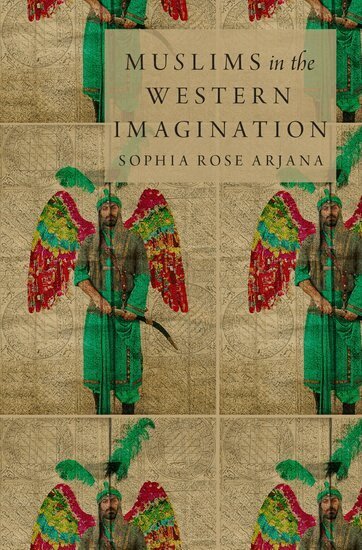
Muslims in the Western Imagination explores the ways in which Muslim men are depicted as monsters throughout history. Monsters help a society delineate who belongs in a social group and who, or what, is excluded. Even when Muslim monsters are symbolic, as in post-9/11 zombie films, they still function to define Muslims as non-human entities. These are not portrayals of Muslim men as malevolent human characters, but rather as creatures that occupy the imagination--non-humans that exhibit their wickedness outwardly on the skin. They populate medieval tales, Renaissance paintings, Shakespearean dramas, Gothic horror novels, and Hollywood films. Through an exhaustive survey of medieval, early modern, and contemporary literature, art, and cinema, Sophia Rose Arjana examines the dehumanizing ways in which Muslim men have been constructed and represented as monsters, and the impact such representations have on perceptions of Muslims. The study is the first to present a Foucauldian genealogy of these creatures, from the demons and giants of the Middle Ages to the hunchbacks with filed teeth that appeared in the 2006 film 300. The book argues that constructions of Muslim monsters constitute a recurring theme, first formulated in medieval Christian anti-Semitism. Arjana shows how Muslim monsters are often related to Jewish monsters, and more broadly to Christian anti-Semitism, which involves both religious bigotry and fears surrounding bodily differences. Like the Jewish monster, the Muslim monster is not simply a product of religious bigotry, but of anxiety surrounding bodily difference. Overall, Arjana argues persuasively, these dehumanizing constructions deeply embedded in Western consciousness are internalized beliefs and practices that contribute to the culture of violence--both rhetorical and bodily- against Muslims.
E-bok
PDF, Engelska, 2015516 kr
Läs direkt efter köp
A Choice 2015 Outstanding Academic TitleThroughout history, Muslim men have been depicted as monsters. The portrayal of humans as monsters helps a society delineate who belongs and who, or what, is excluded. Even when symbolic, as in post-9/11 zombie films, Muslim monsters still function to define Muslims as non-human entities. These are not depictions of Muslim men as malevolent human characters, but rather as creatures that occupy the imagination -- non-humans that exhibit their wickedness outwardly on the skin. They populate medieval tales, Renaissance paintings, Shakespearean dramas, Gothic horror novels, and Hollywood films. Through an exhaustive survey of medieval, early modern, and contemporary literature, art, and cinema, Muslims in the Western Imagination examines the dehumanizing ways in which Muslim men have been constructed and represented as monsters, and the impact such representations have on perceptions of Muslims today.The study is the first to present a genealogy of these creatures, from the demons and giants of the Middle Ages to the hunchbacks with filed teeth that are featured in the 2007 film 300, arguing that constructions of Muslim monsters constitute a recurring theme, first formulated in medieval Christian thought. Sophia Rose Arjana shows how Muslim monsters are often related to Jewish monsters, and more broadly to Christian anti-Semitism and anxieties surrounding African and other foreign bodies, which involves both religious bigotry and fears surrounding bodily difference. Arjana argues persuasively that these dehumanizing constructions are deeply embedded in Western consciousness, existing today as internalized beliefs and practices that contribute to the culture of violence--both rhetorical and physical--against Muslims.
E-bok
Engelska, 2015516 kr
Läs direkt efter köp
A Choice 2015 Outstanding Academic TitleThroughout history, Muslim men have been depicted as monsters. The portrayal of humans as monsters helps a society delineate who belongs and who, or what, is excluded. Even when symbolic, as in post-9/11 zombie films, Muslim monsters still function to define Muslims as non-human entities. These are not depictions of Muslim men as malevolent human characters, but rather as creatures that occupy the imagination -- non-humans that exhibit their wickedness outwardly on the skin. They populate medieval tales, Renaissance paintings, Shakespearean dramas, Gothic horror novels, and Hollywood films. Through an exhaustive survey of medieval, early modern, and contemporary literature, art, and cinema, Muslims in the Western Imagination examines the dehumanizing ways in which Muslim men have been constructed and represented as monsters, and the impact such representations have on perceptions of Muslims today.The study is the first to present a genealogy of these creatures, from the demons and giants of the Middle Ages to the hunchbacks with filed teeth that are featured in the 2007 film 300, arguing that constructions of Muslim monsters constitute a recurring theme, first formulated in medieval Christian thought. Sophia Rose Arjana shows how Muslim monsters are often related to Jewish monsters, and more broadly to Christian anti-Semitism and anxieties surrounding African and other foreign bodies, which involves both religious bigotry and fears surrounding bodily difference. Arjana argues persuasively that these dehumanizing constructions are deeply embedded in Western consciousness, existing today as internalized beliefs and practices that contribute to the culture of violence--both rhetorical and physical--against Muslims.
Häftad, Engelska, 2025
525 kr
Skickas inom 10-15 vardagar
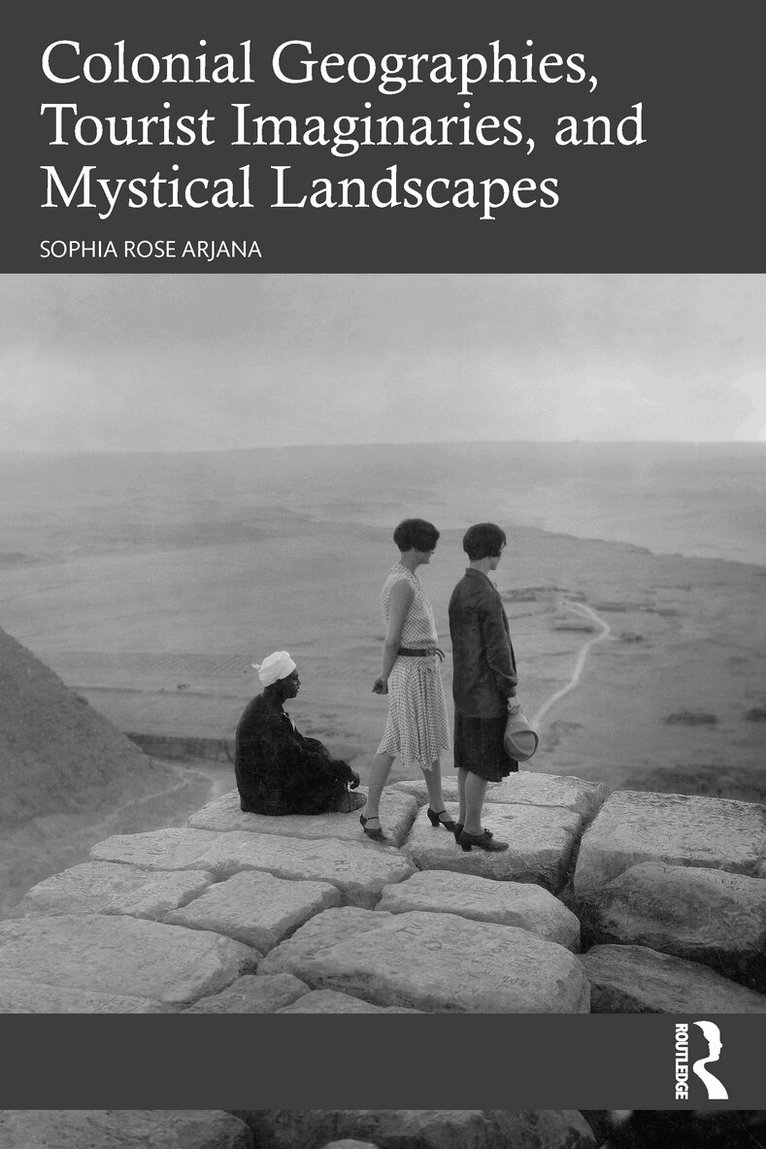
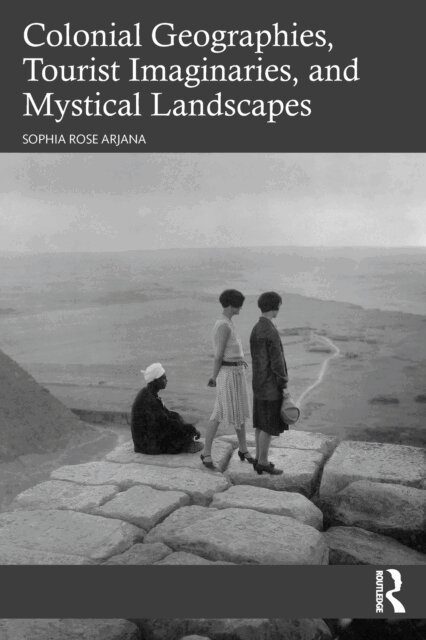
The first study to examine the intersection between imaginative geographies and mystical tourism, this book presents a detailed discussion of how tourism is linked to mystical experiences, consumer products, and wellness resorts.The many forms of colonialism have enabled governments, colonial agents, settlers, writers, and artists to reorder the world as a new space that mystifies invasion, occupation, and reterritorialization as it reestablishes a new binary of what is natural and what is unnatural. Colonial Geographies, Tourist Imaginaries, and Mystical Landscapes provides an account of this colonial practice and its influence on the creation of mystical landscapes in modern tourism. Including case studies on more familiar cases of colonialism, such as Kenya and Algeria, which are known as Europe’s "classic colonies," as well as settler colonies, including the United States of America, its Pacific colony in the Hawaiian Islands, and Israel, this book examines how colonial culture inserted itself into these spaces and looks to anti-colonial and indigenous voices to help us understand and counter this mystification.This engaging and accessible work bridges cultural theory, sociology of religion, and human geography and tourism studies through an examination of film, television, theme parks, travel, and leisure activities focused on the wellness industry to illustrate how imaginative geographies function in European and American colonial and imperial projects.
Inbunden, Engelska, 2025
2 176 kr
Skickas inom 10-15 vardagar
The first study to examine the intersection between imaginative geographies and mystical tourism, this book presents a detailed discussion of how tourism is linked to mystical experiences, consumer products, and wellness resorts.The many forms of colonialism have enabled governments, colonial agents, settlers, writers, and artists to reorder the world as a new space that mystifies invasion, occupation, and reterritorialization as it reestablishes a new binary of what is natural and what is unnatural. Colonial Geographies, Tourist Imaginaries, and Mystical Landscapes provides an account of this colonial practice and its influence on the creation of mystical landscapes in modern tourism. Including case studies on more familiar cases of colonialism, such as Kenya and Algeria, which are known as Europe’s "classic colonies," as well as settler colonies, including the United States of America, its Pacific colony in the Hawaiian Islands, and Israel, this book examines how colonial culture inserted itself into these spaces and looks to anti-colonial and indigenous voices to help us understand and counter this mystification.This engaging and accessible work bridges cultural theory, sociology of religion, and human geography and tourism studies through an examination of film, television, theme parks, travel, and leisure activities focused on the wellness industry to illustrate how imaginative geographies function in European and American colonial and imperial projects.
E-bok
PDF, Engelska, 2025600 kr
Läs direkt efter köp
The first study to examine the intersection between imaginative geographies and mystical tourism, this book presents a detailed discussion of how tourism is linked to mystical experiences, consumer products, and wellness resorts.The many forms of colonialism have enabled governments, colonial agents, settlers, writers, and artists to reorder the world as a new space that mystifies invasion, occupation, and reterritorialization as it reestablishes a new binary of what is natural and what is unnatural. Colonial Geographies, Tourist Imaginaries, and Mystical Landscapes provides an account of this colonial practice and its influence on the creation of mystical landscapes in modern tourism. Including case studies on more familiar cases of colonialism, such as Kenya and Algeria, which are known as Europe's "e;classic colonies,"e; as well as settler colonies, including the United States of America, its Pacific colony in the Hawaiian Islands, and Israel, this book examines how colonial culture inserted itself into these spaces and looks to anti-colonial and indigenous voices to help us understand and counter this mystification.This engaging and accessible work bridges cultural theory, sociology of religion, and human geography and tourism studies through an examination of film, television, theme parks, travel, and leisure activities focused on the wellness industry to illustrate how imaginative geographies function in European and American colonial and imperial projects.
E-bok
Engelska, 2025600 kr
Läs direkt efter köp
The first study to examine the intersection between imaginative geographies and mystical tourism, this book presents a detailed discussion of how tourism is linked to mystical experiences, consumer products, and wellness resorts.The many forms of colonialism have enabled governments, colonial agents, settlers, writers, and artists to reorder the world as a new space that mystifies invasion, occupation, and reterritorialization as it reestablishes a new binary of what is natural and what is unnatural. Colonial Geographies, Tourist Imaginaries, and Mystical Landscapes provides an account of this colonial practice and its influence on the creation of mystical landscapes in modern tourism. Including case studies on more familiar cases of colonialism, such as Kenya and Algeria, which are known as Europe's "e;classic colonies,"e; as well as settler colonies, including the United States of America, its Pacific colony in the Hawaiian Islands, and Israel, this book examines how colonial culture inserted itself into these spaces and looks to anti-colonial and indigenous voices to help us understand and counter this mystification.This engaging and accessible work bridges cultural theory, sociology of religion, and human geography and tourism studies through an examination of film, television, theme parks, travel, and leisure activities focused on the wellness industry to illustrate how imaginative geographies function in European and American colonial and imperial projects.
Häftad, Engelska, 2019
360 kr
Skickas
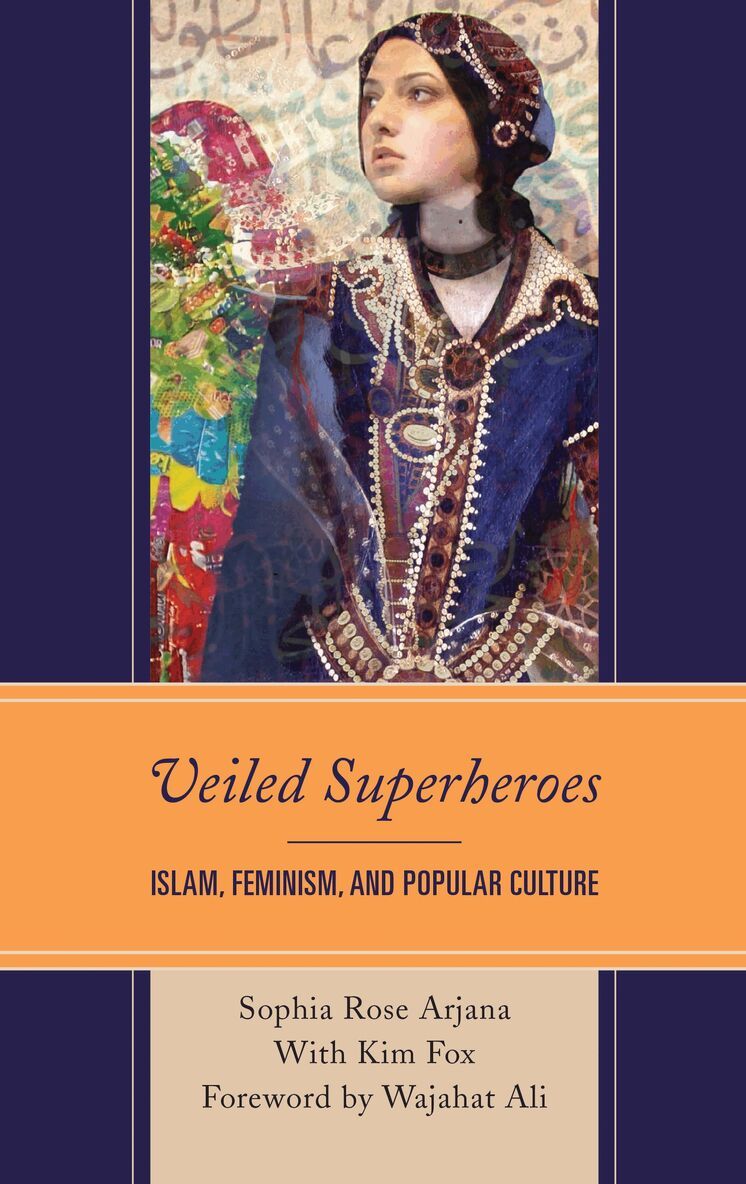
This groundbreaking study examines Muslim female superheroes within a matrix of Islamic theology, feminism, and contemporary political discourse. Through a close reading of texts including Ms. Marvel, Qahera, and The 99, Sophia Rose Arjana argues that these powerful and iconic characters reflect independence and agency, reflecting the diverse lives of Muslim girls and women in the world today.
Ljudbok
2020349 kr
Lyssna direkt efter köp
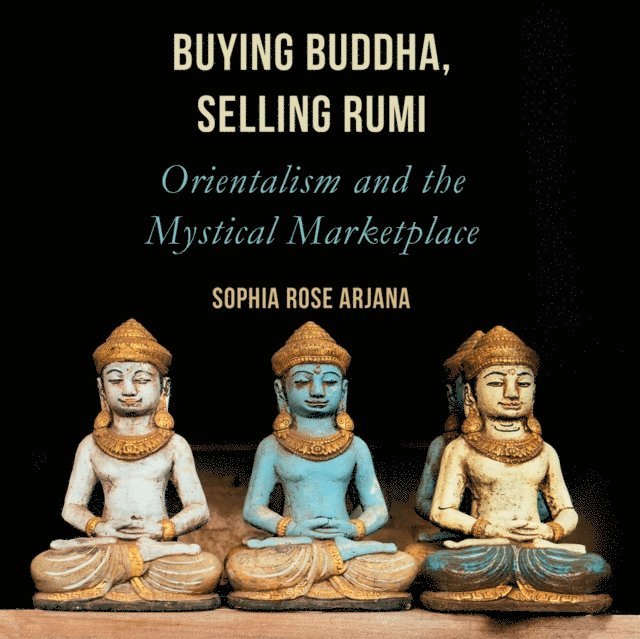
From jewelry to meditation pillows to tourist retreats, religious traditions-especially those of the East-are being commodified as never before. Imitated and rebranded as "e;new age"e; or "e;spiritual,"e; they are marketed to secular Westerners as an answer to suffering in the modern world, the "e;mystical"e; and "e;exotic"e; East promising a path to enlightenment and inner peace.In Buying Buddha, Selling Rumi, Sophia Rose Arjana examines the appropriation and sale of Buddhism, Hinduism, and Islam in the West today, the role of mysticism and Orientalism in the religious marketplace, and how the commodification of religion impacts people's lives.
Häftad, Engelska, 2017
282 kr
Skickas inom 7-10 vardagar
It is not only the holy cities of Mecca and Karbala to which Muslim pilgrims travel, but a wide variety of sacred sites around the world. Journeys are undertaken to visit graves of important historical and religious individuals, the tombs of saints, and natural sites such as mountaintops and springs.Exploring the richness and diversity of traditions practiced by the 1.5 billion Muslims across the world, Sophia Rose Arjana provides a rigorous theoretical discussion of pilgrimage, ritual practice and the nature of sacred space in Islam, both historically and in the present day. This all-encompassing survey covers issues such as time, space, tourism, virtual pilgrimages and the use of computers and smartphone apps. Lucidly written, informative and accessible, it is perfectly suited to students, scholars and the general reader seeking a comprehensive picture of the defining ritual of religious pilgrimage in Islam.
E-bok
Engelska, 2017184 kr
Läs direkt efter köp
It is not only the holy cities of Mecca and Karbala to which Muslim pilgrims travel, but a wide variety of sacred sites around the world. Journeys are undertaken to visit graves of important historical and religious individuals, the tombs of saints, and natural sites such as mountaintops and springs. Exploring the richness and diversity of traditions practiced by the 1.5 billion Muslims across the world, Sophia Rose Arjana provides a rigorous theoretical discussion of pilgrimage, ritual practice and the nature of sacred space in Islam, both historically and in the present day. This all-encompassing survey covers issues such as time, space, tourism, virtual pilgrimages and the use of computers and smartphone apps. Lucidly written, informative and accessible, it is perfectly suited to students, scholars and the general reader seeking a comprehensive picture of the defining ritual of religious pilgrimage in Islam.
Häftad, Engelska, 2020
274 kr
Skickas
How Eastern religions are commodified in the modern world, and why it matters‘An expansive book, covering the intersection of mysticism and capitalism… illuminating.’ Politics, Religion & IdeologyFrom jewellery to meditation pillows to tourist retreats, religious traditions – especially those of the East – are being commodified as never before. Imitated and rebranded as ‘New Age’ or ‘spiritual’, they are marketed to secular Westerners as an answer to suffering in the modern world, the ‘mystical’ and ‘exotic’ East promising a path to enlightenment and inner peace.In Buying Buddha, Selling Rumi, Sophia Rose Arjana examines the appropriation and sale of Buddhism, Hinduism and Islam in the West today, the role of mysticism and Orientalism in the religious marketplace, and how the commodification of religion impacts people’s lives.
E-bok
Engelska, 2020198 kr
Läs direkt efter köp
From jewellery to meditation pillows to tourist retreats, religious traditions – especially those of the East – are being commodified as never before. Imitated and rebranded as ‘New Age’ or ‘spiritual’, they are marketed to secular Westerners as an answer to suffering in the modern world, the ‘mystical’ and ‘exotic’ East promising a path to enlightenment and inner peace. In Buying Buddha, Selling Rumi, Sophia Rose Arjana examines the appropriation and sale of Buddhism, Hinduism and Islam in the West today, the role of mysticism and Orientalism in the religious marketplace, and how the commodification of religion impacts people’s lives.