Sophia Rosenfeld - Böcker
Visar alla böcker från författaren Sophia Rosenfeld. Handla med fri frakt och snabb leverans.
6 produkter
6 produkter
274 kr
Skickas inom 10-15 vardagar
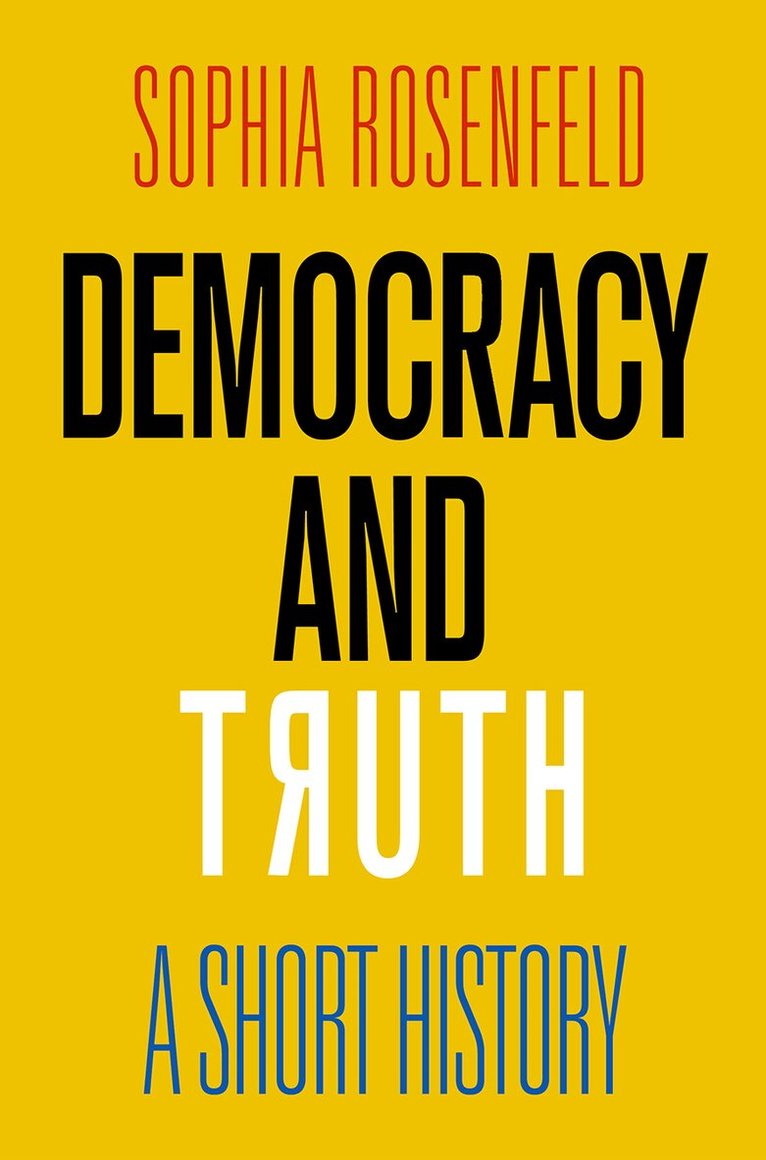
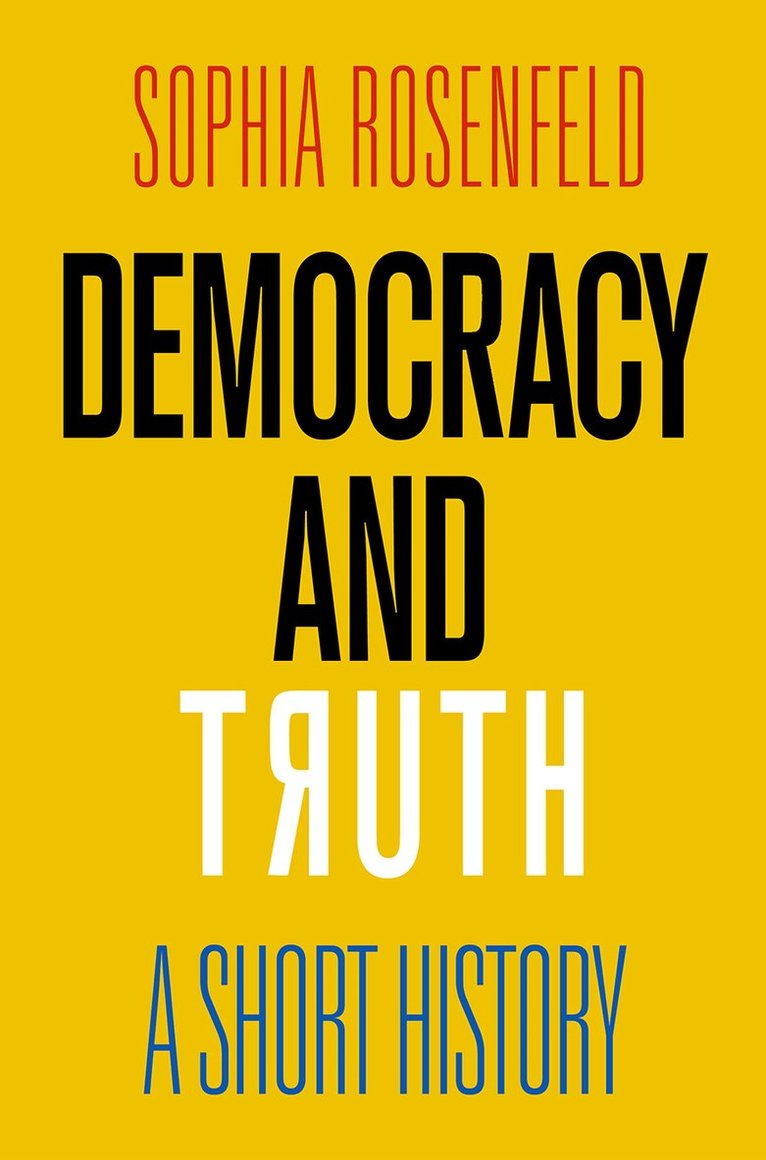
"Fake news," wild conspiracy theories, misleading claims, doctored photos, lies peddled as facts, facts dismissed as lies-citizens of democracies increasingly inhabit a public sphere teeming with competing claims and counterclaims, with no institution or person possessing the authority to settle basic disputes in a definitive way.The problem may be novel in some of its details-including the role of today's political leaders, along with broadcast and digital media, in intensifying the epistemic anarchy-but the challenge of determining truth in a democratic world has a backstory. In this lively and illuminating book, historian Sophia Rosenfeld explores a longstanding and largely unspoken tension at the heart of democracy between the supposed wisdom of the crowd and the need for information to be vetted and evaluated by a learned elite made up of trusted experts. What we are witnessing now is the unraveling of the dÉtente between these competing aspects of democratic culture.In four bracing chapters, Rosenfeld substantiates her claim by tracing the history of the vexed relationship between democracy and truth. She begins with an examination of the period prior to the eighteenth-century Age of Revolutions, where she uncovers the political and epistemological foundations of our democratic world. Subsequent chapters move from the Enlightenment to the rise of both populist and technocratic notions of democracy between the nineteenth and twentieth centuries to the troubling trends-including the collapse of social trust-that have led to the rise of our "post-truth" public life. Rosenfeld concludes by offering suggestions for how to defend the idea of truth against the forces that would undermine it.
268 kr
Skickas inom 7-10 vardagar
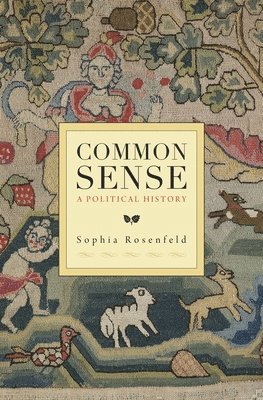
Common sense has always been a cornerstone of American politics. In 1776, Tom Paine’s vital pamphlet with that title sparked the American Revolution. And today, common sense—the wisdom of ordinary people, knowledge so self-evident that it is beyond debate—remains a powerful political ideal, utilized alike by George W. Bush’s aw-shucks articulations and Barack Obama’s down-to-earth reasonableness. But far from self-evident is where our faith in common sense comes from and how its populist logic has shaped modern democracy. Common Sense: A Political History is the first book to explore this essential political phenomenon.The story begins in the aftermath of England’s Glorious Revolution, when common sense first became a political ideal worth struggling over. Sophia Rosenfeld’s accessible and insightful account then wends its way across two continents and multiple centuries, revealing the remarkable individuals who appropriated the old, seemingly universal idea of common sense and the new strategic uses they made of it. Paine may have boasted that common sense is always on the side of the people and opposed to the rule of kings, but Rosenfeld demonstrates that common sense has been used to foster demagoguery and exclusivity as well as popular sovereignty. She provides a new account of the transatlantic Enlightenment and the Age of Revolutions, and offers a fresh reading on what the eighteenth century bequeathed to the political ferment of our own time. Far from commonsensical, the history of common sense turns out to be rife with paradox and surprise.
388 kr
Skickas inom 7-10 vardagar
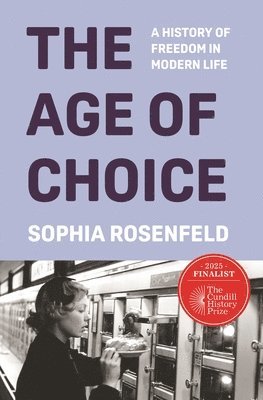
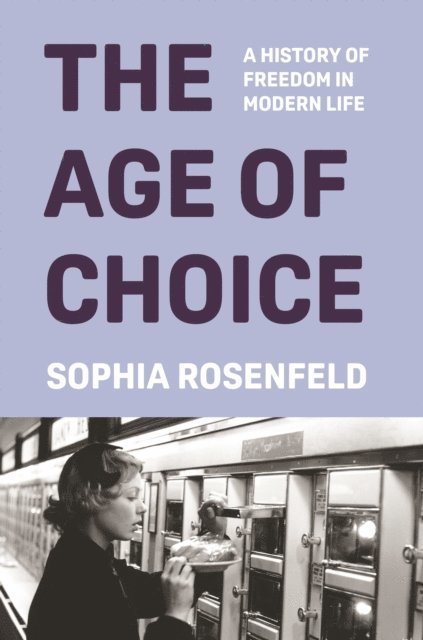
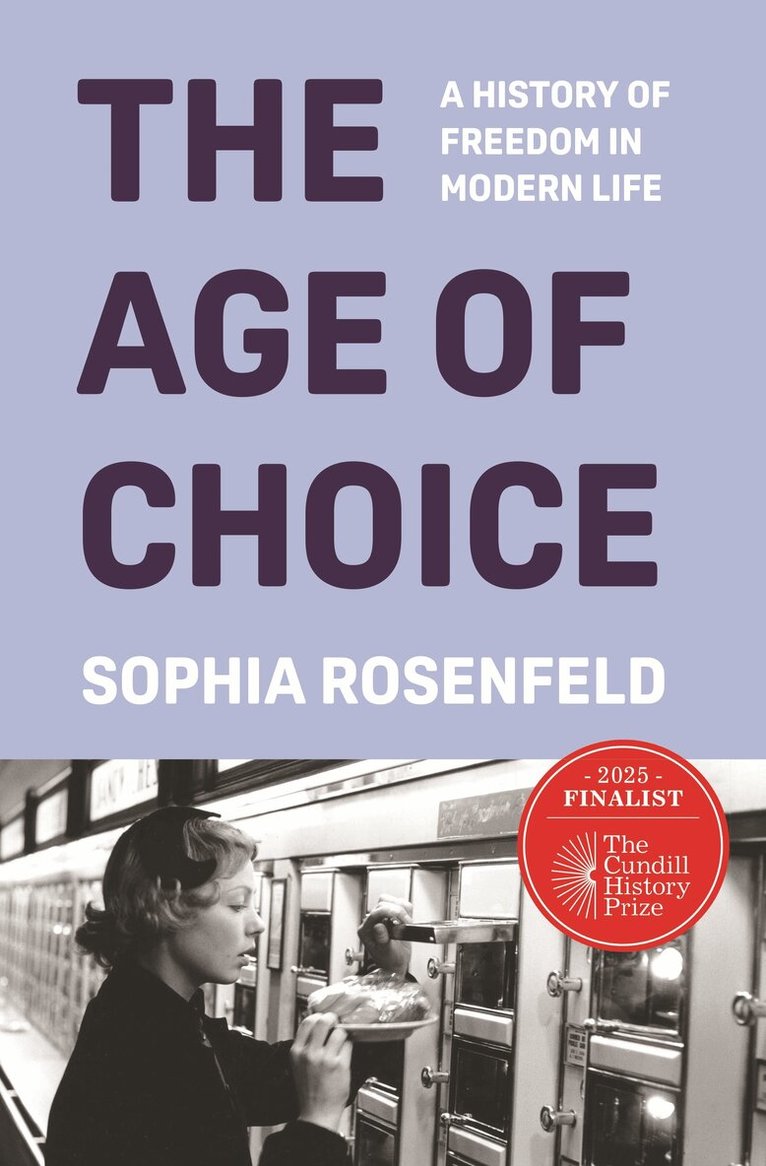
Winner of the István Hont Book Prize, Institute of Intellectual HistoryFinalist for the Cundill History PrizeA New York Times Notable Book of the YearA sweeping history of the rise of personal choice in the modern world and how it became equated with freedomChoice touches virtually every aspect of our lives, from what to buy and where to live to whom to love, what profession to practice, and even what to believe. But the option to choose in such matters was not something we always possessed or even aspired to. At the same time, we have been warned by everybody from marketing gurus to psychologists about the negative consequences stemming from our current obsession with choice. It turns out that not only are we not very good at realizing our personal desires, we are also overwhelmed with too many possibilities and anxious about what best to select. There are social costs too. How did all this happen? The Age of Choice tells the long history of the invention of choice as the defining feature of modern freedom.Taking readers from the seventeenth century to today, Sophia Rosenfeld describes how the early modern world witnessed the simultaneous rise of shopping as an activity and religious freedom as a matter of being able to pick one’s convictions. Similarly, she traces the history of choice in romantic life, politics, and the ideals of human rights. Throughout, she pays particular attention to the lives of women, those often with the fewest choices, who have frequently been the drivers of this change. She concludes with an exploration of how reproductive rights have become a symbolic flashpoint in our contemporary struggles over the association of liberty with choice.Drawing on a wealth of sources ranging from novels and restaurant menus to the latest scientific findings about choice in psychology and economics, The Age of Choice urges us to rethink the meaning of choice and its promise and limitations in modern life.
202 kr
Kommande
Winner of the István Hont Book Prize, Institute of Intellectual HistoryFinalist for the Cundill History PrizeA New York Times Notable Book of the YearA sweeping history of the rise of personal choice in the modern world and how it became equated with freedomChoice touches virtually every aspect of our lives, from what to buy and where to live to whom to love, what profession to practice, and even what to believe. But the option to choose in such matters was not something we always possessed or even aspired to. At the same time, we have been warned by everybody from marketing gurus to psychologists about the negative consequences stemming from our current obsession with choice. It turns out that not only are we not very good at realizing our personal desires, we are also overwhelmed with too many possibilities and anxious about what best to select. There are social costs too. How did all this happen? The Age of Choice tells the long history of the invention of choice as the defining feature of modern freedom.Taking readers from the seventeenth century to today, Sophia Rosenfeld describes how the early modern world witnessed the simultaneous rise of shopping as an activity and religious freedom as a matter of being able to pick one’s convictions. Similarly, she traces the history of choice in romantic life, politics, and the ideals of human rights. Throughout, she pays particular attention to the lives of women, those often with the fewest choices, who have frequently been the drivers of this change. She concludes with an exploration of how reproductive rights have become a symbolic flashpoint in our contemporary struggles over the association of liberty with choice.Drawing on a wealth of sources ranging from novels and restaurant menus to the latest scientific findings about choice in psychology and economics, The Age of Choice urges us to rethink the meaning of choice and its promise and limitations in modern life.
406 kr
Skickas inom 10-15 vardagar
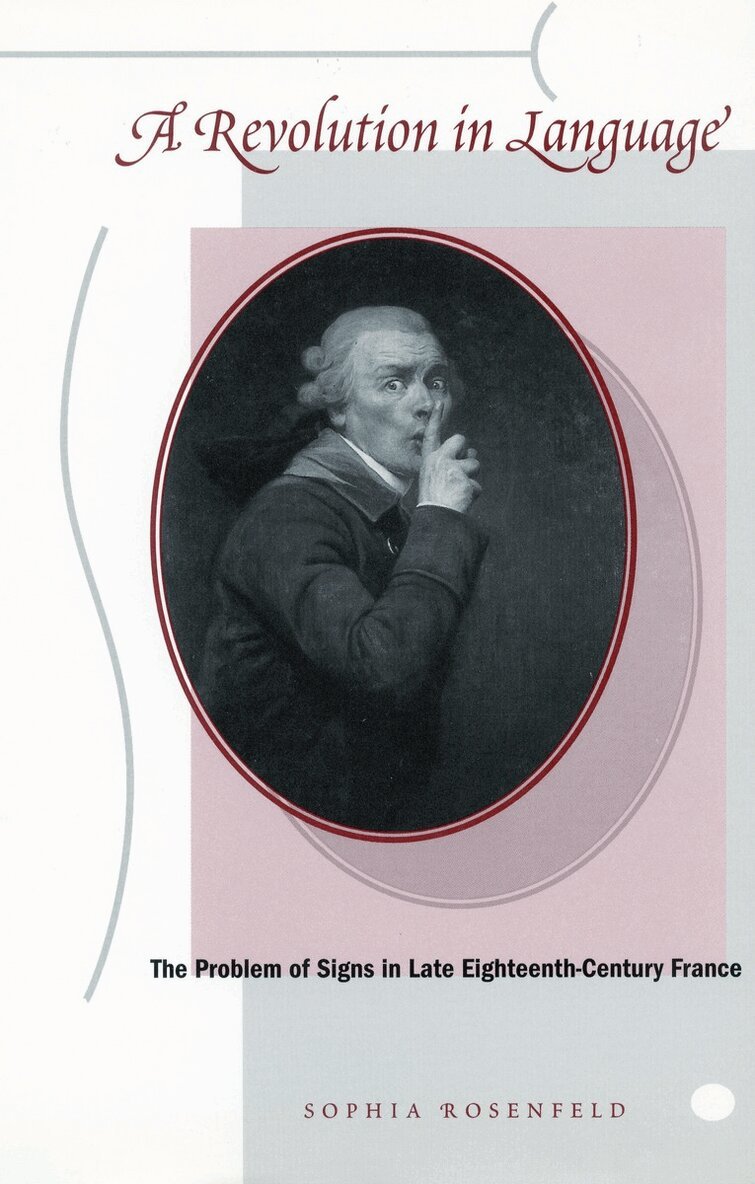
What is the relationship between the ideas of the Enlightenment and the culture and ideology of the French Revolution? This book takes up that classic question by concentrating on changing conceptions of language and, especially, signs during the second half of the eighteenth century.The author traces, first, the emergence of a new interest in the possibility of gestural communication within the philosophy, theater, and pedagogy of the last decades of the Old Regime. She then explores the varied uses and significance of a variety of semiotic experiments, including the development of a sign language for the deaf, within the language politics of the Revolution.A Revolution in Language shows not only that many key revolutionary thinkers were unusually preoccupied by questions of language, but also that prevailing assumptions about words and other signs profoundly shaped revolutionaries' efforts to imagine and to institute an ideal polity between 1789 and the start of the new century. This book reveals the links between Enlightenment epistemology and the development of modern French political culture.
7 612 kr
Skickas inom 7-10 vardagar
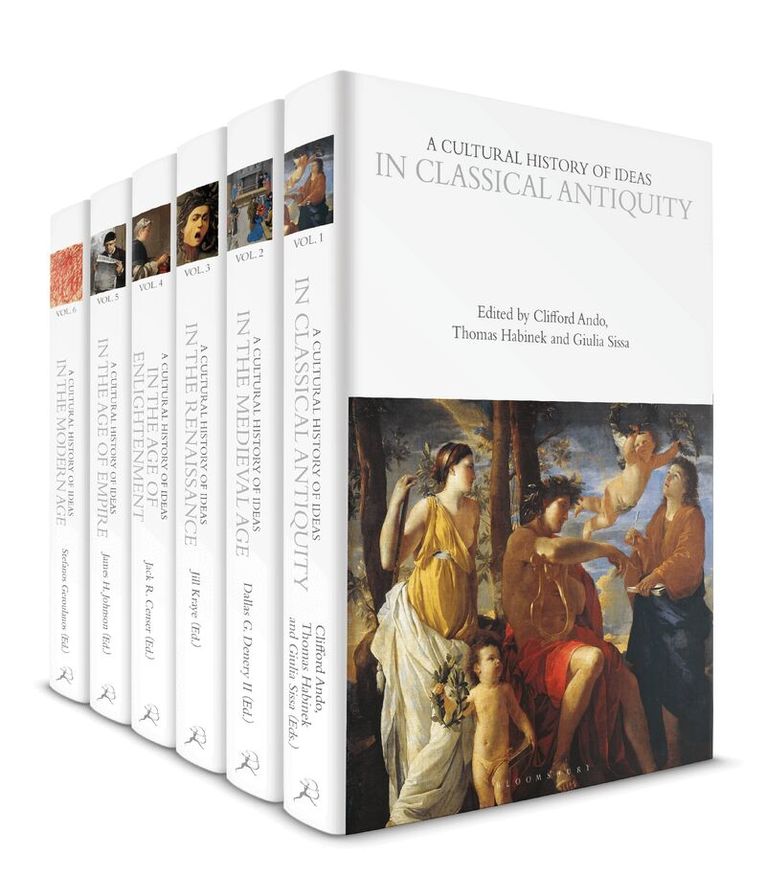
A 2024 CHOICE OUTSTANDING ACADEMIC TITLE2023 AAP PROSE AWARDS WINNER: BEST HUMANITIES REFERENCE WORKHow has the nature of ideas evolved over time? How have ideas been shaped, employed and received in different social and cultural contexts?In a work that spans 2,800 years, these ambitious questions are addressed by 62 experts, each contributing an overview of a particular theme in a specific period in history. The volumes explore the development of ideas , primarily in the West, from a range of disciplinary angles.Individual volume editors ensure the cohesion of the whole and, for ease of navigation, chapter titles are identical across each of the volumes. This schema offers the reader the choice of reading about a specific period in one of the volumes or following one theme across history by reading the relevant chapter in each of the 6.The 6 volumes cover: 1. – Classical Antiquity (800 BCE - 500 CE); 2. – Medieval Age (500 - 1450); 3. – Renaissance (1450 - 1650) ; 4. – Age of Enlightenment (1650 - 1800); 5. – Age of Empire (1800 - 1920); 6. – Modern Age (1920 – 2000+).Themes (and chapter titles) are: Knowledge; The Human Self; Ethics and Social Relations; Politics and Economies; Nature; Religion and the Divine; Language, Poetry and Rhetoric; The Arts; History.The page extent is approximately 1,728pp with c. 240 illustrations. Each volume opens with Notes on Contributors, Series Preface and Introduction, and concludes with Notes, Bibliography and an Index.A Cultural History of Ideas is part of The Cultural Histories Series. Titles are available as hardcover sets for libraries needing just one subject or preferring a tangible reference for their shelves or as part of a fully-searchable digital library. The digital product is available to institutions by annual subscription or on perpetual access via www.bloomsburyculturalhistory.com . Individual volumes for academics and researchers interested in specific historical periods are also available in print or digitally via www.bloomsburycollections.com .