Sora Park – författare
Visar alla böcker från författaren Sora Park. Handla med fri frakt och snabb leverans.
4 produkter
4 produkter
Inbunden, Engelska, 2026
809 kr
Kommande
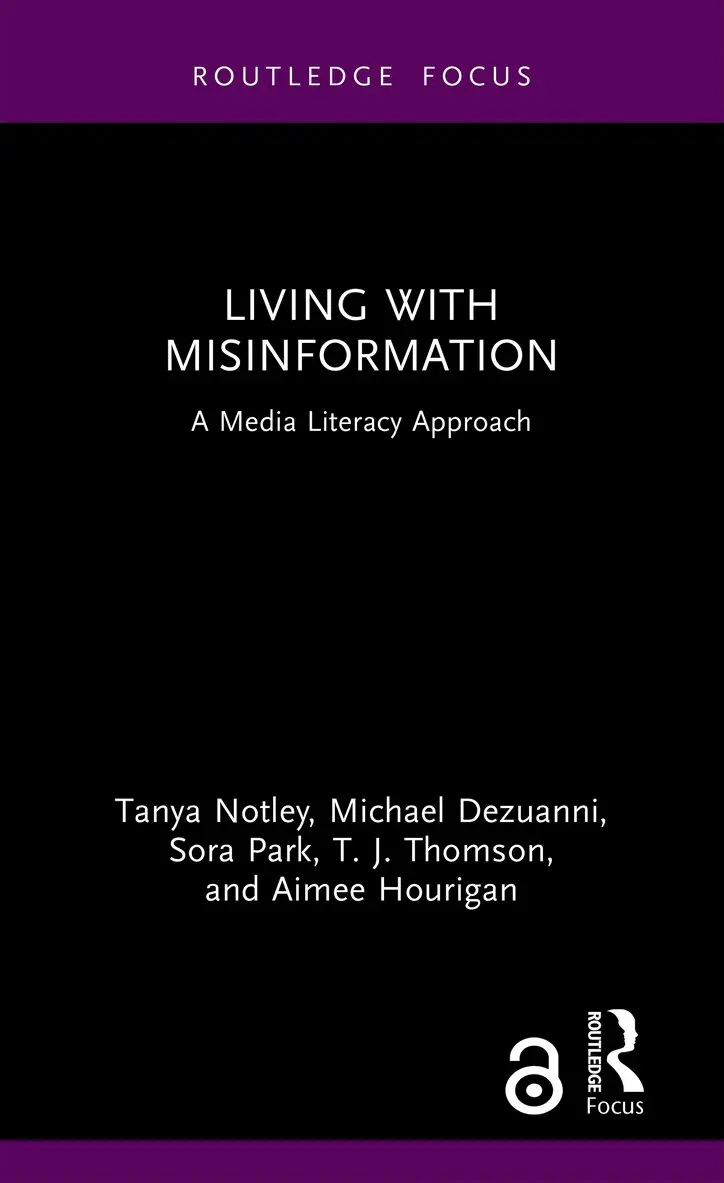
This book investigates how media literacy can be used to help people understand, identify, and respond to online misinformation. Drawing on a 3-year research study that examined the everyday media experiences and abilities of more than 4,400 adults, the book presents an in-depth look at how individuals experience and interpret misinformation across a range of topics. It argues that we need to learn to “live with” misinformation, and outlines the skills, knowledge and critical thinking required for people to make informed decisions about their media use. The book uniquely integrates contemporary challenges such as generative AI and long-standing concerns about information integrity, presenting both the problem and actionable educational responses.Living with misinformation: A media literacy approach is essential reading for scholars and students in media, education, and communication studies, as well as educators, librarians, journalists, parents, and community workers seeking to foster media literacy in varied populations. Its global relevance is reinforced by comparative insights from international studies, making it a valuable resource for anyone seeking to address the many challenges associated with misinformation.
Inbunden, Engelska, 2017
1 306 kr
Skickas inom 10-15 vardagar
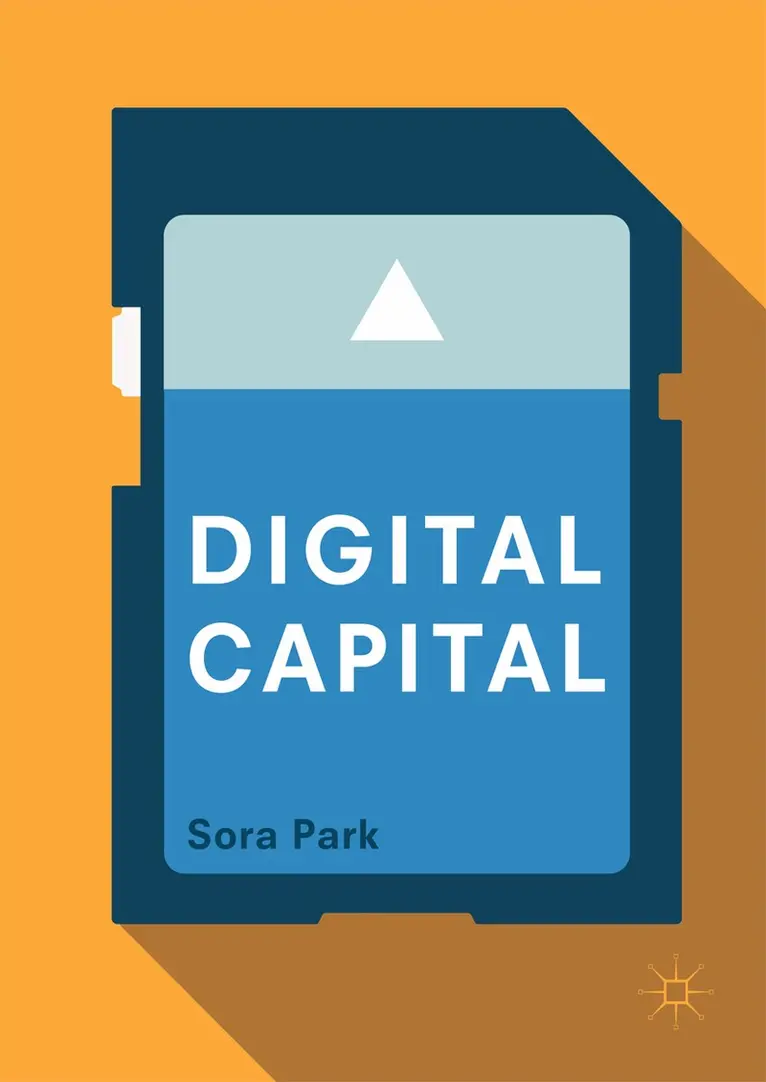
This book describes and understands the many factors that influence a person’s behavior towards digital technologies, and how that affects the person’s potential to benefit from digital society. The ability to adapt to these new technological environments - and the extent to which an individual embraces them - has become critical to an individual’s well-being and quality of life, the underlying assumption being that only by effectively engaging with digital technologies can the user accrue benefits from the experience. By introducing the concept “digital capital,” which refers to the conditions that determine how people access, use, and engage with digital technology, Park examines how the digital ecosystem of the user lead to new forms of digital inequality. Using numerous empirical studies on internet users and non-users, as well as recommending small localized solutions to the big global problem, a critical and alternative perspective of the digital divide is provided.
E-bok
Engelska, 20171 672 kr
Läs direkt efter köp
This book describes and understands the many factors that influence a person’s behavior towards digital technologies, and how that affects the person’s potential to benefit from digital society. The ability to adapt to these new technological environments - and the extent to which an individual embraces them - has become critical to an individual’s well-being and quality of life, the underlying assumption being that only by effectively engaging with digital technologies can the user accrue benefits from the experience. By introducing the concept “digital capital,” which refers to the conditions that determine how people access, use, and engage with digital technology, Park examines how the digital ecosystem of the user lead to new forms of digital inequality. Using numerous empirical studies on internet users and non-users, as well as recommending small localized solutions to the big global problem, a critical and alternative perspective of the digital divide is provided.
Häftad, Engelska, 2018
1 306 kr
Skickas inom 10-15 vardagar
This book describes and understands the many factors that influence a person’s behavior towards digital technologies, and how that affects the person’s potential to benefit from digital society. The ability to adapt to these new technological environments - and the extent to which an individual embraces them - has become critical to an individual’s well-being and quality of life, the underlying assumption being that only by effectively engaging with digital technologies can the user accrue benefits from the experience. By introducing the concept “digital capital,” which refers to the conditions that determine how people access, use, and engage with digital technology, Park examines how the digital ecosystem of the user lead to new forms of digital inequality. Using numerous empirical studies on internet users and non-users, as well as recommending small localized solutions to the big global problem, a critical and alternative perspective of the digital divide is provided.