Sri M – författare
210 kr
Skickas inom 3-6 vardagar
193 kr
Skickas inom 3-6 vardagar
199 kr
Skickas inom 11-20 vardagar
222 kr
Skickas inom 5-8 vardagar
291 kr
Skickas inom 5-8 vardagar
252 kr
Skickas inom 5-8 vardagar
252 kr
Skickas inom 5-8 vardagar
95 kr
Läs direkt efter köp
Antes de llevarlo a este viaje de aventuras, desde la costa sur de la India hasta los picos nevados del legendario Himalaya en el norte y viceversa, en el que conoceremos a personas extraordinarias y tendremos experiencias inusuales, a menudo increíbles, me gustaría abordar algunas cosas, hasta ahora me he guardado la mayoría de las experiencias que describo en este libro, y no he dejado que mis mejores amigos me convenzan para hacer más que comentarios vagos sobre lo que se esconde en las profundidades de mi conciencia. ¿Estaba tan abotonado en este asunto, y por qué estoy ''desempacando'' como dicen? Quiero responder las preguntas aquí, a pesar de que mi Maestro Babaji había indicado que iba hasta cierto punto cuando estaba a punto de escribir un autobiografía, sólo dio luz verde hace dos años [2008]. E incluso después de eso, continué consultando conmigo mismo durante seis meses antes de comenzar a escribir vacilante. Había principalmente dos razones para la vacilación: en primer lugar, temía que el buscador espiritual sincero pudiera perder de vista los prerrequisitos específicos del viaje espiritual que debe cumplirse, ya sea el mundo fantásticamente fascinante descrito aquí; en segundo lugar, pensé que el uno crítico Los lectores podían descartar todo el libro como un cuento de esposas solo porque algunos pasajes de la historia parecían increíbles y absurdos, pero las siguientes consideraciones finalmente me impulsaron a escribir la autobiografía: Me di cuenta de que mi trabajo es compartir mis experiencias describir , y que tengo que dejarlo en manos de una pequeña minoría de lectores escépticos si lo aceptan o lo rechazan. Me parecía que si evitaba contar mi historia por miedo a la minoría, sería injusto con la mayoría de los lectores. En segundo lugar, después de la publicación de la autobiografía de un yogui, han aparecido muy pocas biografías espirituales auténticas y sus autores ya no son vivos, por lo tanto, no están disponibles para discusión. Además, Paramahamsa Yogananda, por creíble que sea su autobiografía, no pasó personalmente mucho tiempo en el Himalaya. Por lo tanto, sentí que era importante que contara sobre mis experiencias, especialmente las del Himalaya, ahora mismo, mientras el lector aún pueda contactarme personalmente. En tercer lugar, quería mostrar que los grandes maestros como Babaji y Sri Guru son el proceso silenciosamente detrás de escena de la evolución espiritual, incluso si muy pocos saben de su existencia. Pido a los lectores que ignoren esas experiencias que les parecen demasiado fantásticas, demasiado irreales, si es necesario, pero dejen el resto para que lean para que al menos las profundas enseñanzas de Sri Guru y Babaji no se pierden. Todo lo que puedo decir sobre mi gurú es lo que Swami Vivekananda dijo sobre su propio gurú: "Una mota de polvo de sus pies bendecidos podría crear mil Vivekanandas". Reemplaza ''Vivekananda'' por ''M'' y comprenderás lo que quiero decir. ahora, querido lector, ven conmigo en este viaje de milagros y que las bendiciones de los Maestros te acompañen. Sri MSri M nació musulmán en Trivandrum, Kerala, India del Sur. A los 19 años, impulsado por un impulso irresistible, salió de casa y se dirigió al Himalaya, donde conoció a su maestro en una cueva en las profundidades del Himalaya, cuando estaba a punto de acabar con su vida. Vivió con él durante tres años y medio, y su conciencia se transformó por completo durante ese tiempo. En las décadas siguientes permaneció en conexión telepática con su maestro y, a menudo, pasó varias semanas con él nuevamente en las regiones del Himalaya.
95 kr
Läs direkt efter köp
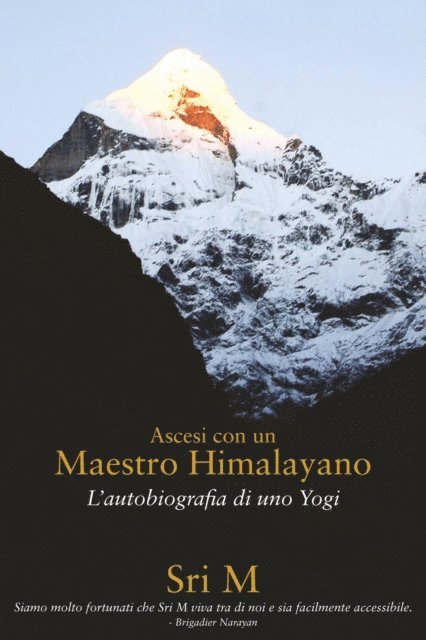
Prima di accompagnarvi in questo viaggio avventuroso, dalla costa meridionale dell''India alle vette innevate del leggendario Himalaya a nord e viceversa, in cui incontreremo persone straordinarie e faremo esperienze insolite, spesso incredibili, vorrei rivolgere una Poche cose Finora, ho tenuto per me la maggior parte delle esperienze che descrivo in questo libro e non ho lasciato che i miei migliori amici mi convincessero a fare commenti più che vaghi su ciò che si nasconde nel profondo della mia coscienza. Ero così impegnato su questa faccenda, e perché sto "disimballando" come si suol dire? Voglio rispondere alle domande qui, anche se il mio Maestro Babaji aveva indicato che stava andando così lontano quando stava per scrivere un''autobiografia, ha dato il via libera solo due anni fa [2008]. E anche dopo, ho continuato a consultarmi con me stesso per sei mesi prima di iniziare esitante a scrivere. C''erano principalmente due ragioni per l''esitazione: primo, temeva che il sincero ricercatore spirituale potesse perdere di vista i presupposti specifici del viaggio spirituale che deve essere soddisfatto, sia esso il mondo fantasticamente affascinante qui descritto; In secondo luogo, ho pensato che quello critico I lettori avrebbero potuto liquidare l''intero libro come il racconto di una moglie solo perché alcuni passaggi della storia sembravano incredibili e assurdi, ma le seguenti considerazioni alla fine mi hanno spinto a scrivere l''autobiografia: Ho capito che il mio lavoro è condividere le mie esperienze descrittive, e che devo lasciare a una piccola minoranza di lettori scettici se lo accettano o lo rifiutano. Mi sembrava che se avessi evitato di raccontare la mia storia per paura della minoranza, sarebbe stato ingiusto per la maggior parte dei lettori. In secondo luogo, dopo la pubblicazione dell''autobiografia di uno yogi, sono apparse pochissime biografie spirituali autentiche ei suoi autori non sono più in vita, quindi non sono disponibili per la discussione. Inoltre, Paramahamsa Yogananda, per quanto credibile possa essere la sua autobiografia, non trascorse personalmente molto tempo sull''Himalaya. Pertanto, ho sentito che era importante per me raccontare le mie esperienze, specialmente quelle dell''Himalaya, in questo momento, mentre il lettore può ancora contattarmi personalmente. Terzo, volevo mostrare che i grandi maestri come Babaji e Sri Guru sono il processo di evoluzione spirituale silenziosamente dietro le quinte, anche se pochissimi sanno della loro esistenza. Chiedo ai lettori di ignorare quelle esperienze che sembrano troppo fantastiche, troppo irreali, se necessario, ma di lasciare leggere il resto in modo che almeno i profondi insegnamenti di Sri Guru e Babaji non vadano perduti. Tutto quello che posso dire del mio guru è ciò che Swami Vivekananda ha detto del suo stesso guru: "Un granello di polvere dai suoi piedi benedetti potrebbe creare mille Vivekananda". Sostituisci ''Vivekananda'' con ''M'' e capirai cosa intendo. ora, caro lettore, vieni con me in questo viaggio di miracoli e che le benedizioni dei Maestri siano con te. Sri MSri M è nata musulmana a Trivandrum, Kerala, nel sud dell''India. A 19 anni, spinto da una voglia irresistibile, se ne andò di casa e si diresse verso l''Himalaya, dove incontrò il suo maestro in una grotta nel profondo dell''Himalaya, quando stava per porre fine alla sua vita. Ha vissuto con lui per tre anni e mezzo e la sua coscienza è stata completamente trasformata durante quel periodo. Nei decenni successivi rimase in connessione telepatica con il suo maestro e spesso trascorse diverse settimane con lui di nuovo nelle regioni himalayane.
205 kr
Skickas inom 5-8 vardagar
236 kr
Skickas inom 5-8 vardagar
249 kr
Skickas inom 5-8 vardagar
141 kr
Skickas inom 5-8 vardagar
205 kr
Skickas inom 5-8 vardagar
252 kr
Skickas inom 5-8 vardagar
79 kr
Läs direkt efter köp
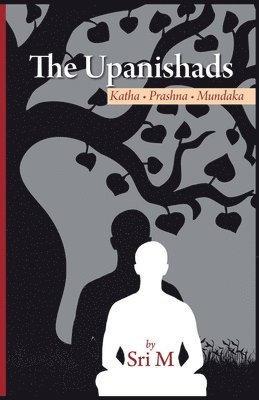
Katha Kathopanishad comes from the Yajurveda. It is the story of Nachiketas, son of Vajashravas, discussing the important question of Death and immortality with Yama the Lord of Death. This ancient story, mentioned in various other scriptures, is discussed in the Kathopanishad in detail. Kathopanishad is one of the ten principal Upanishads. Prashna As the name indicates, it is an Upanishad that questions everything including the concept of the Guru and Disciple. A great rishi proclaims to his students that if they abide with him for sometime, at the end of that period he would teach them the Truth if he himself has understood it. Adi Shankara has written an excellent commentary on Prashna which is again one of the principal Upanishads. Mundaka The Mundaka Upanishad too is one of the principal Upanishads and derives its name from the shaven head of the renunciant. Therefore the central theme of the Upanishad is the Brahman, the Supreme Truth and the only Reality, and how to understand it. Paraa vidya or the science of Reality is discussed in contrast to Aparaa vidya, knowledge of this illusory, material world. The path to the Truth is described to be akin to walking on the razor''s edge.
92 kr
Läs direkt efter köp
SRI M WAS BORN in Trivandrum Kerala in 1949. At the age of nine he had a strange encounter in the backyard of his house. Under the jackfruit tree he saw a matted-haired yogi. The yogi blessed him saying ''you will get to know our connection in time'' and walked away.
After this incident the mind of the young boy, born of Deccani Muslim parents, turned towards Vedanta and the great Indian tradition of yoga that led to deep contemplation. Meeting many known and unknown sages and yogis as if by design, Sri M at the age of 19 left home and went off to the Himalayas. There, at the Vyasa Guha beyond Badrinath, he met the great yogi Sri Maheshwaranath Babaji belonging to the Nath sampradaya.
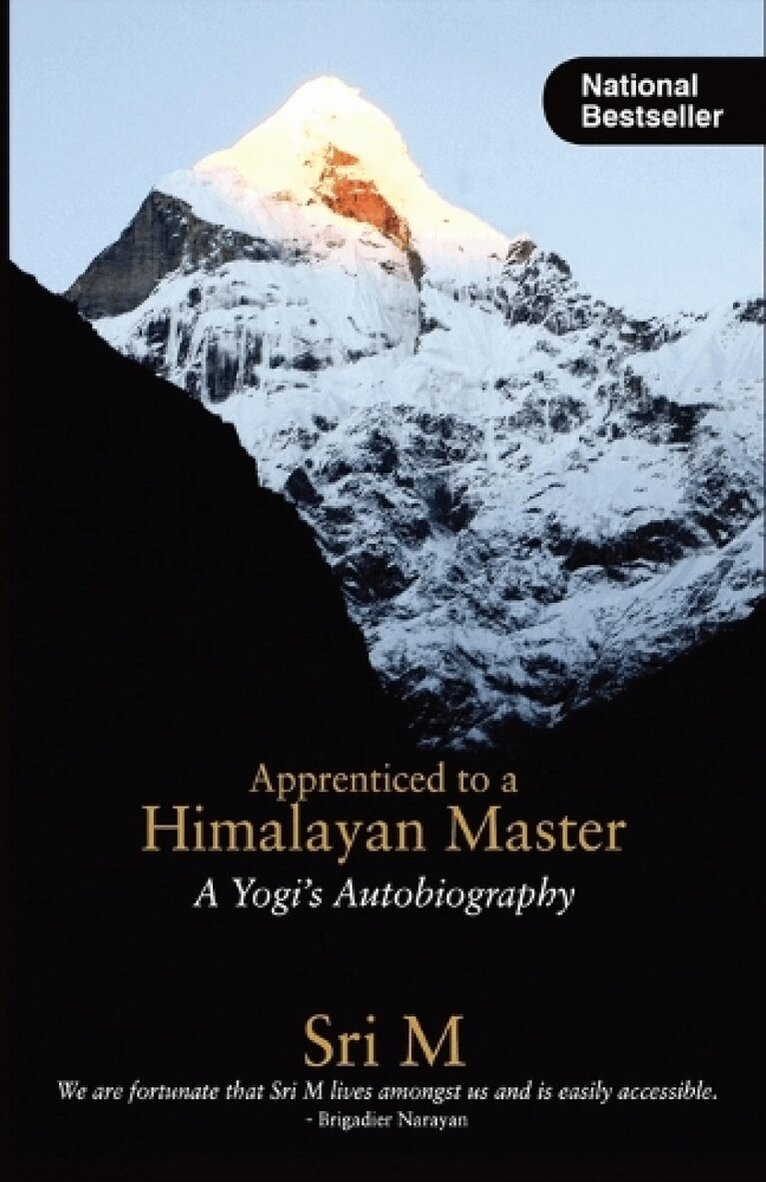
As an apprentice to this great being, his mind underwent a profound transformation. Travelling with this bare-footed yogi, he had many wonderful experiences. A detailed account of his almost unbelievable experiences from childhood to the present can be found in Sri M''s autobiography, Apprenticed to a Himalayan Master: A yogi''s Autobiography.
On the instructions of his master, he returned to the plains and lived incognito for a long time. Meanwhile, he got married and has two children who are themselves grownup and married now.
Sri M wears no grand robes, has no special hair style, is often found wearing jeans and T-shirt or dhothi and white shirt. He lives in Madanapalle, travels around the world conducting retreats and giving talks on yoga, Upanishads, Sufi teachings - in short, inner core of the religious traditions of most religions including the Jewish, the Christian, Buddhist and so on.
He calls himself a practising yogi.
Sri M heads the Satsang Foundation which runs the Satsang Vidyalaya - a free school for the underprivileged and an IIC-ICSC boarding school called Peepal Grove School, a rural school in a remote village 20 kms from Madanapalle and a Swasthya Kendra - a free medical service for the poor.
The Satsang Foundation has recently initiated the MYTHRI programme involving large scale re-forestation and is in the process of setting up a modern hospital to cater to the needy on the outskirts of Bangalore.
159 kr
Läs direkt efter köp
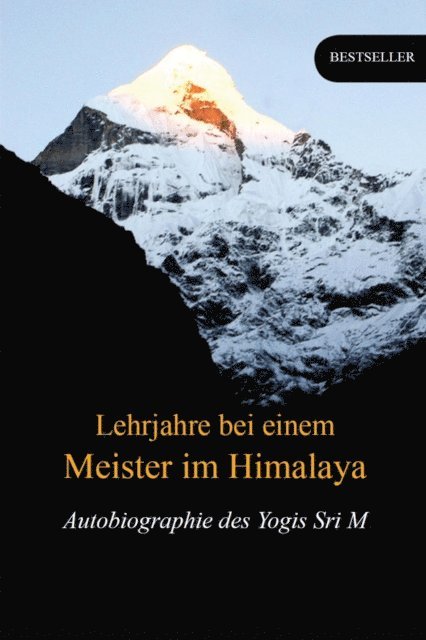
Ehe ich Sie auf diese abenteuerliche Reise mitnehme - von der Südküste Indiens bis zu den Schneegipfeln der sagenumwobenen Himalayas im Norden und wieder zurück -, auf der wir außergewöhnlichen Menschen begegnen und ungewöhnliche, oft unglaubliche Erfahrungen machen werden, möchte ich gern ein paar Dinge ansprechen, die alles in die rechte Perspektive rücken sollen.Bis jetzt habe ich die meisten Erfahrungen, die ich in diesem Buch beschreibe, für mich behalten, und ich ließ mich auch von meinen besten Freunden nicht dazu überreden, mehr als vage Bemerkungen darüber zu machen, was sich in den Tiefen meines Bewusstseins verbarg.Warum war ich in dieser Angelegenheit so zugeknöpft, und warum ‚packe ich jetzt aus'', wie man so sagt?Ich möchte die Fragen hier beantworten.Obwohl mein Meister Babaji angedeutet hatte, dass ich zu einem gewissen Zeitpunkt eine Autobiographie schreiben würde, gab er das grüne Licht dazu erst vor zwei Jahren [2008]. Und selbst danach ging ich noch sechs Monate lang mit mir zu Rate, ehe ich zögernd zu schreiben begann. Für das Zögern gab es hauptsächlich zwei Gründe:Erstens befürchtete ich, der aufrichtige spirituelle Sucher könnte die konkreten Vorbedingungen der spirituellen Reise, die es zu erfüllen gilt, ob der hier geschilderten fantastisch-faszinierenden Welt aus dem Auge verlieren.Zweitens dachte ich, der kritische Leser könnte das ganze Buch pauschal als Ammenmärchen abtun, nur weil ihm einige Passagen der Geschichte als unglaublich und abwegig erschienen.Die folgenden Erwägungen drängten mich aber schließlich doch zu einer Niederschrift der Autobiographie:Mir wurde klar, dass es meine Aufgabe ist, meine Erfahrungen zu beschreiben, und dass ich es der kleinen Minderheit skeptischer Leser überlassen muss, ob sie diese nun annimmt oder ablehnt. Mir schien, als wäre ich gegenüber der Lesermehrheit unfair, wenn ich aus Furcht vor der Minderheit es vermied, meine Geschichte zu erzählen.Zum zweiten erschienen nach der Veröffentlichung der Autobiographie eines Yogi sehr wenige authentische spirituelle Biographien, und deren Verfasser sind nicht mehr am Leben, stehen also für eine Diskussion nicht zur Verfügung. Außerdem hat Paramahamsa Yogananda, so glaubwürdig seine Selbstbiographie ist, persönlich nicht viel Zeit in den Himalayas verbracht. Deshalb meinte ich, es sei wichtig, dass ich über meine Erfahrungen, speziell über jene in den Himalayas, eben jetzt erzähle, solange ich noch für den Leser persönlich erreichbar bin.Drittens wollte ich darstellen, dass große Lehrer wie Babaji und Sri Guru den Prozess der spirituellen Evolution in aller Stille hinter den Kulissen beeinflussen, auch wenn nur sehr wenige von ihrer Existenz wissen.Ich bitte die Leser, jene Erfahrungen zu ignorieren, die ihnen zu fantastisch, zu irreal erscheinen - falls das nötig ist -, das Übrige jedoch zu lesen, so dass ihnen zumindest die tiefen Lehren von Sri Guru und Babaji nicht verloren gehen. Über meinen Guru kann ich nur das wiederholen, was Swami Vivekananda über seinen eigenen Gurugesagt hatte: „Ein Staubkorn von seinen gesegneten Füßen könnte tausend Vivekanandas erschaffen."Ersetzen Sie ‚Vivekananda'' mit ‚M'', und Sie werden verstehen, was ich meine.Nun also, lieber Leser, kommen Sie mit mir auf diese Reise voller Wunder, und möge der Segen der Meister mit Ihnen sein.Sri MSri M wurde in Trivandrum, Kerala, Südindien, als Muslim geboren. Mit 19 Jahren, getrieben von einem unwiderstehlichen Drang, verließ er das Elternhaus und machte sich auf zu den Himalayas.In einer Höhle in den tieferen Himalayas, als er schon im Begriff stand, sein Leben zu enden, traf er seinen Meister. Er lebte dreieinhalb Jahre mit ihm, und sein Bewusstsein wurde in dieser Zeit gänzlich transformiert. In den folgenden Jahrzehnten blieb er weiter in telepathischer Verbindung mit seinem Meister und verbrachte oft mehrere Wochen erneut in den Himalaya-Regionen mit ihm
46 kr
Läs direkt efter köp
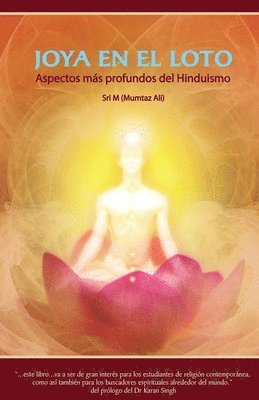
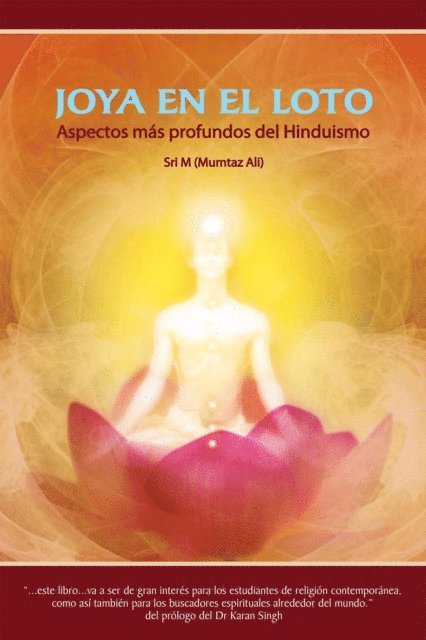
"Prueba tu fe tratando de obtener información y experiencia de primera mano," le dijo su Maestro en los Himalayas a Mumtaz Ali (popularmente conocido como M) cuando este era un jovencito, "verás que las dudas y el escepticismo gradualmente se desvanecen".
M nació en el sur de la India. Sus inquietudes espirituales lo llevaron a viajar a lo largo y ancho del país explorando en profundidad diferentes tradiciones, especialmente Yoga y Vedanta. A la luz de sus experiencias, M expone en esta obra algunos de los aspectos más profundos del Hinduismo. Bucea en sus milenarias verdades esenciales y las trae a la superficie en un idioma actual, práctico y relevante para el hombre del siglo XXI, que mientras está inmerso en la vorágine de vivir, busca un sentido para si mismo y el mundo que lo rodea.
M asegura que no hace falta huir del mundo material y recluirse en una cueva en las montañas para obtener los beneficios de una vida espiritual: "Si eres cuidadoso y sabes qué hacer", dice, "podrás beneficiarte de lo mejor de ambos mundos".
M viaja por el mundo compartiendo su sabiduría. Es un orador bienvenido en muchas Universidades y foros, tanto de la India como de Inglaterra, EEUU, Alemania y otros países. Fue uno de los delegados a La Cumbre de la Paz del Milenio de las Naciones Unidas en Nueva York en el año 2000. Vive con su esposa en el sur de la India y tiene dos hijos. Creó y preside la Fundación Satsang, punto de encuentro para buscadores espirituales y motor de proyectos educativos y sociales. También es un destacado artista autodidacta: pinta, canta y escribe.
El Hinduismo es un edificio esplendoroso y multifacético, que contiene y refleja un interminable despliegue de posibilidades para el crecimiento espiritual y para la integración. Basado esencialmente en las enseñanzas sublimes de los Upanishads, el secreto de la continua vitalidad del Hinduismo, a través de los largos y sinuosos corredores del tiempo, a pesar de las reiteradas invasiones y de la represión, yace en su capacidad para la reinterpretación creativa. De hecho, la historia completa del Hinduismo puede verse como una serie de desafíos y de respuestas creativas, como un proceso que continúa hasta el día de hoy. Es mi convicción que, en la emergente sociedad global, los principios universales del Hinduismo se están volviendo cada vez más relevantes mientras nos lanzamos precipitadamente al tercer milenio D.C., montados sobre la irreversible flecha del tiempo.
Dejando las formulaciones teóricas a un lado, el Hinduismo implica transitar un camino espiritual, y los hay muchos. Son estos senderos individuales, que implican una interacción creativa entre el gurú y el discípulo, los que proveen la circulación de la sangre vital del Hinduismo y lo hacen un vehículo poderoso para el crecimiento interior y para la realización espiritual. En este contexto, la experiencia de individuos que han surcado el camino es de gran valor.
El presente libro, Joya en el Loto, aspectos más profundos del Hinduismo, gira en torno a la experiencia de vida y a las enseñanzas de Mumtaz Ali, mejor conocido como M. Algunos pueden encontrar sorprendente que una persona nacida en una familia Musulmana llegue a tener una comprensión y una experiencia tan profundas en la tradición hindú, pero el camino espiritual real no conoce fronteras de raza o religión, sexo o credo, idioma o nacionalidad. Y los místicos de todas las grandes religiones del mundo -los Rishis, los Sidas, los Tirthankaras, los Bodhisattvas, los Sufis, los Gurús y los Santos, todos han iluminado una u otra faceta del inmensurable resplandor de lo Divino.
- Dr. Karan Singh
Vijaya Sashmi, 11 de Octubre de 1997
48 kr
Läs direkt efter köp
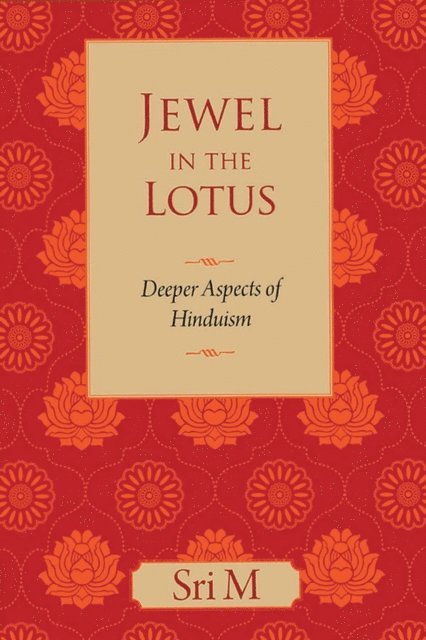
Like the lotus that grows in water whose leaves and petals remain dry, the yogi derives nourishment from the material world but remains undefiled and untouched by its seductions. In this way, one who wishes to lead a spiritual life can simultaneously perform the role of a responsible member of modern society neither necessarily compromises the other. With care, practice and knowledge one can reap the benefits of both worlds to be spiritual you do not have to run away from the world. This book examines the philosophy, spiritual teachings, metaphysics and cultural practices of Hinduism known collectively as the Sanatana Dharma and attempts to give one a grasp of its true essence.
What is Hinduism? What forms its essence and what are its teachings? How does one best practise its various cultural externals? With its vast, ancient literature and deep metaphysics, at the core of which lie the Vedanta Sutras of Vyasa, the Bhagavad Gita and the Upanishads known together as prasthana traya, Hinduism strives to explore truth and the true nature of reality. Yet the questions remain; how does one practise Hinduism today under the neon glare of modernity? And is there any contradiction in the practice of Hinduism and our roles in modern life? Like the lotus that grows in water whose leaves and petals remain dry, the yogi derives nourishment from the material world but remains undefiled and untouched by its seductions. In this way, one who wishes to lead a spiritual life can simultaneously perform the role of a responsible member of modern society; neither necessarily compromises the other. With care, practice and knowledge one can reap the benefits of both worlds - to be spiritual you do not have to run away from the world. This book examines the philosophy, spiritual teachings, metaphysics and cultural practices of Hinduism- known collectively as the Sanatana Dharma - and attempts to give one a grasp of its true essence.
61 kr
Läs direkt efter köp
The author Sri ''M'' is an extraordinary individual. His uniqueness lies not only in the fact that at the young age of 19 and a half, he travelled to snow clad Himalayas from Kerala, and there he met and lived for several years with a ''real-time'' yogi, Babaji, but also that he should undertake such an unusual and adventurous exploration, given his non-Hindu birth and antecedents.
The metamorphosis of Mumtaz Ali Khan into Sri ''M'', a yogi with profound knowledge of the Upanishads and deep personal insights, born of first hand experiences with higher levels of consciousness is indeed a fascinating story.
The bonus for those interested in the secrets of yoga, meditation and sankhyan metaphysics is that Sri ''M'' is still living and easily reachable. He leads a normal life, married with two children, wears no special robes and conducts himself without pomp or paraphernalia.
Someone who met him recently said, "I expected a flashy godman and instead I saw a jean clad gentleman with a smile of his face, ready to discuss my problems. In five minutes flat, I said to myself, this is no ordinary man. The peace and tranquility that enters your system is tangible".
127 kr
Läs direkt efter köp
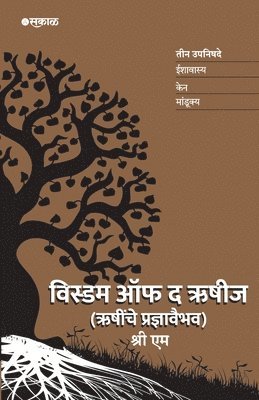
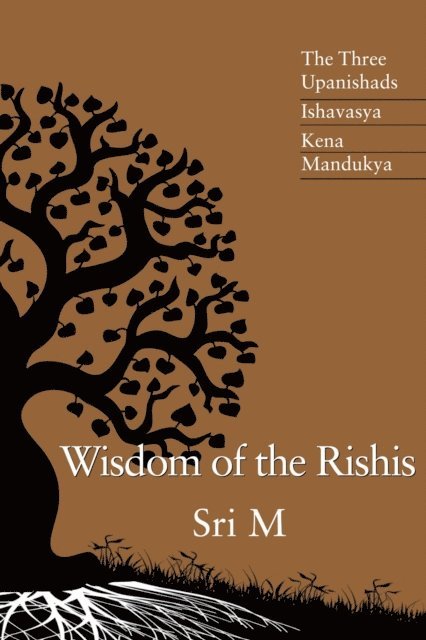
The Isavasya proclaims the all pervasiveness of the totality of consciousness which is here called Isha, the Lord and urges one to let go the narrow and self-centered identity we are caught up in and rejoice in the flow of the infinite wholeness of Life. The word Kena means who. This Upanishad concerns itself with the question of ones ID. Is there a separate I or is it merely a term used to describe the totality of cognizance. Is there an I beyond the limited, self-centered ID? The Mandukya examines the same idea but in a different way, exploring the states of consciousness all human beings experience namely, the waking state, the dream state and the deep sleep state and postulates that there is a common experiencer in all these states, a witness, not affected by the states.
The Upanishads do not concern themselves with mere theories. They raise direct questions regarding the source of thought, the essence of our being and are as relevant today as they were 2000 years ago. The Isavasya proclaims the all-pervasiveness of this totality of consciousness which is here called Isha, the Lord, and urges one to let go the narrow and self-centered identity we are caught up in and rejoice in the flow of the infinite wholeness of Life. The word Kena means Who. This Upanishad concerns itself with the question of ones ID. Is there a separate I or is it merely a term used to describe the totality of cognizance. Is there an I beyond the limited, self-centered ID? The Mandukya examines the same idea but in a different way, exploring the states of consciousness all human beings experience namely, the waking state, the dream state and the deep sleep state, and postulates that there is a common experiencer in all these states, a witness, not affected by the states and which is the totality of consciousness called Turiya represented by the Pranava, OM.
259 kr
Skickas inom 5-8 vardagar
259 kr
Skickas inom 5-8 vardagar
244 kr
Skickas inom 5-8 vardagar
210 kr
Tillfälligt slut
269 kr
Tillfälligt slut