Srirupa Roy – författare
Visar alla böcker från författaren Srirupa Roy. Handla med fri frakt och snabb leverans.
10 produkter
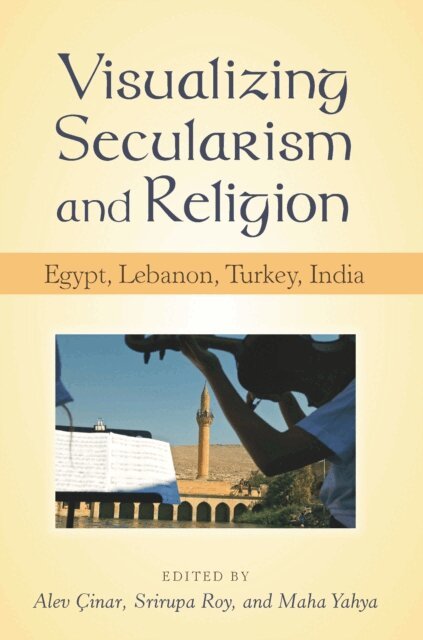
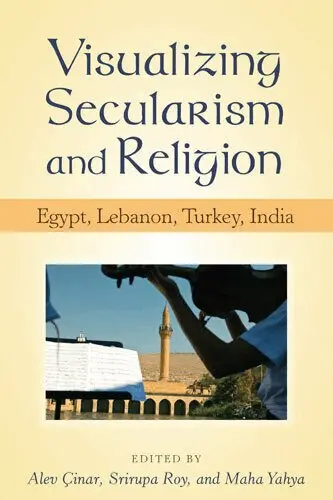
Visualizing Secularism and Religion
Egypt, Lebanon, Turkey, India
Av Maha Yahya, Srirupa Roy m. fl.
E-bok, 2012
1463 kr
Lägg i varukorg
Over the past two decades secular polities across the globe have witnessed an increasing turn to religion-based political movements, such as the rise of political Islam and Hindu nationalism, which have been fueling new and alternative notions of nationhood and national ideologies. The rise of such …
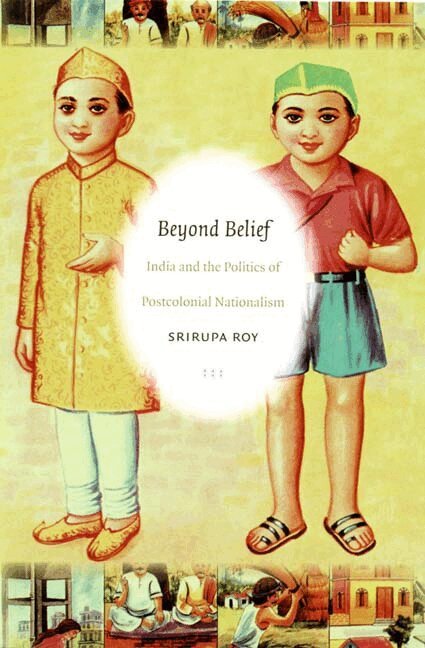
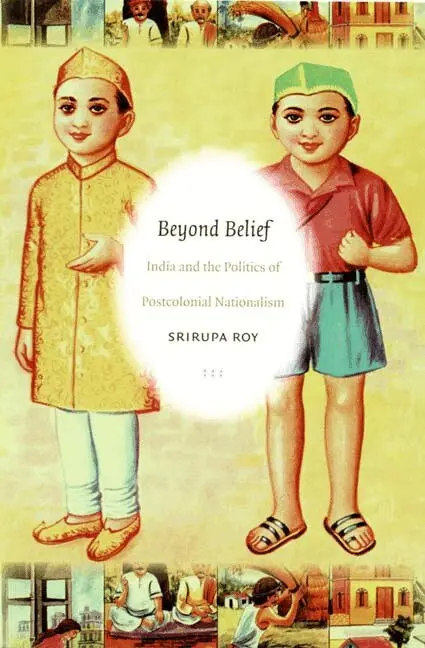
Beyond Belief
India and the Politics of Postcolonial Nationalism
Av Srirupa Roy
Häftad, 2007
385 kr
Lägg i varukorg
Beyond Belief is a bold rethinking of the formation and consolidation of nation-state ideologies. Analyzing India during the first two decades following its foundation as a sovereign nation-state in 1947, Srirupa Roy explores how nationalists are turned into nationals, subjects into citizens, and …
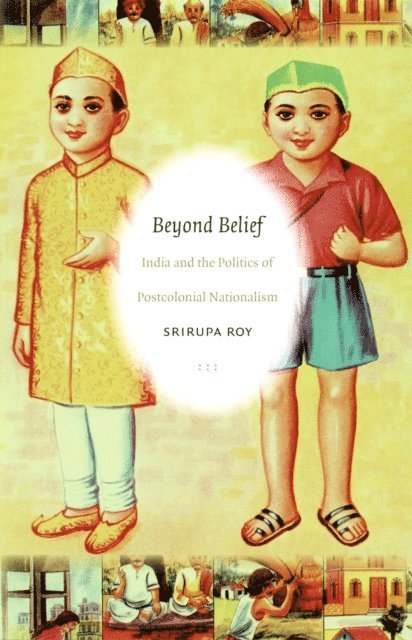
Beyond Belief
India and the Politics of Postcolonial Nationalism
Av Srirupa Roy
E-bok, 2007
558 kr
Lägg i varukorg
Beyond Belief is a bold rethinking of the formation and consolidation of nation-state ideologies. Analyzing India during the first two decades following its foundation as a sovereign nation-state in 1947, Srirupa Roy explores how nationalists are turned into nationals, subjects into citizens, and …
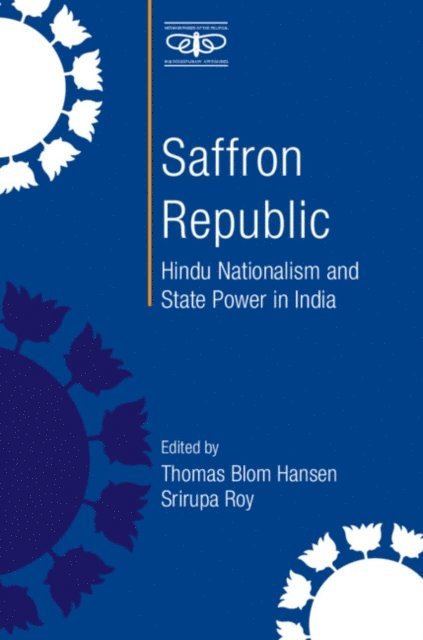
Saffron Republic
Hindu Nationalism and State Power in India
Av Srirupa Roy, Thomas Blom Hansen
E-bok, 2022
1337 kr
Lägg i varukorg
This volume examines the phenomenon of contemporary Hindu nationalism or ''new Hindutva'' that is presently the dominant ideological and political-electoral formation in India. There is a rich body of work on Hindu nationalism, but its main focus is on an earlier moment of insurgent movement …
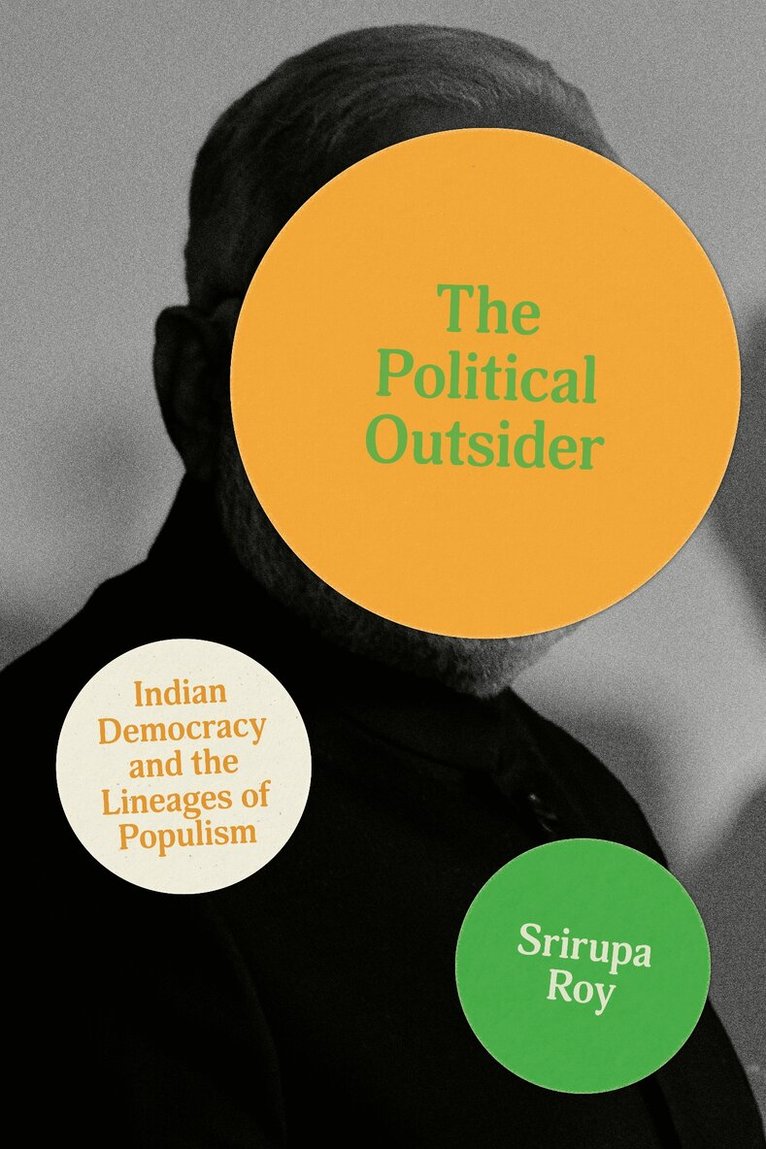
Political Outsider
Indian Democracy and the Lineages of Populism
Av Srirupa Roy
Inbunden, 2024
1624 kr
Lägg i varukorg
Defying the dire predictions that attended its birth as an independent nation-state in 1947, the Indian republic is more than seventy-five years old. And yet, it is a place where criticisms of actually existing democracy are intense and strident. In recent years, the trope of victimized people …
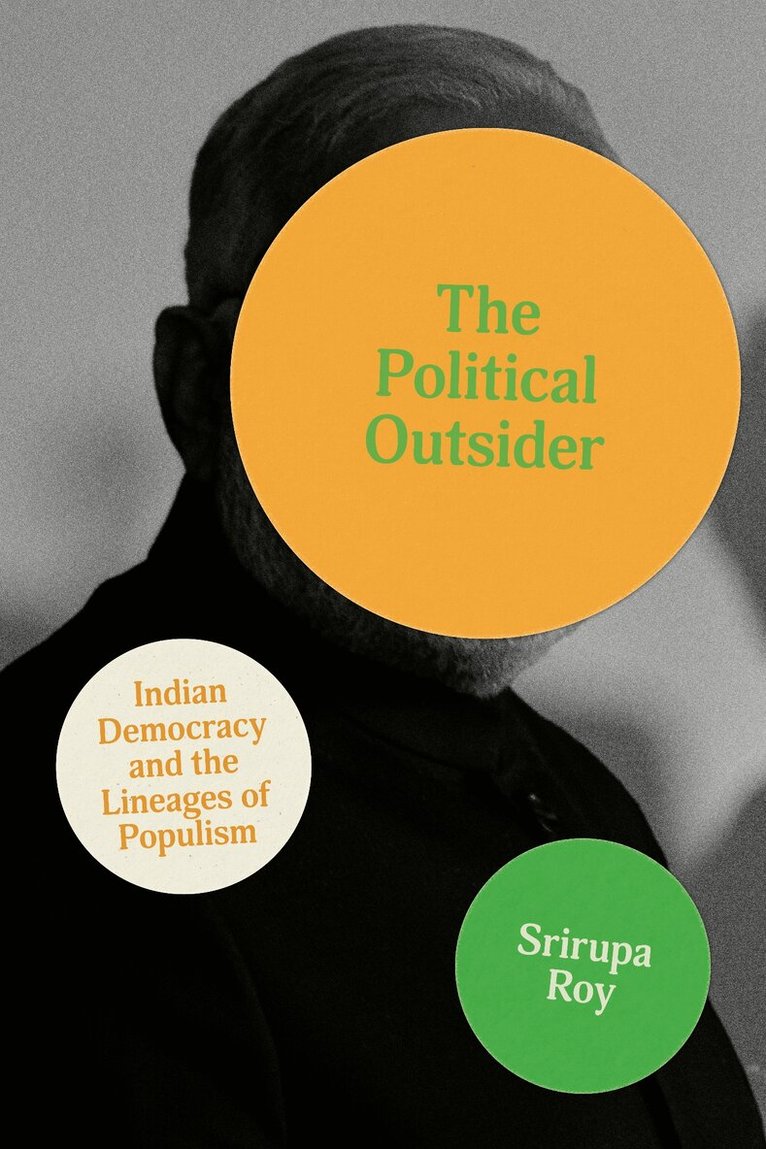
Political Outsider
Indian Democracy and the Lineages of Populism
Av Srirupa Roy
Häftad, 2024
397 kr
Lägg i varukorg
Defying the dire predictions that attended its birth as an independent nation-state in 1947, the Indian republic is more than seventy-five years old. And yet, it is a place where criticisms of actually existing democracy are intense and strident. In recent years, the trope of victimized people …
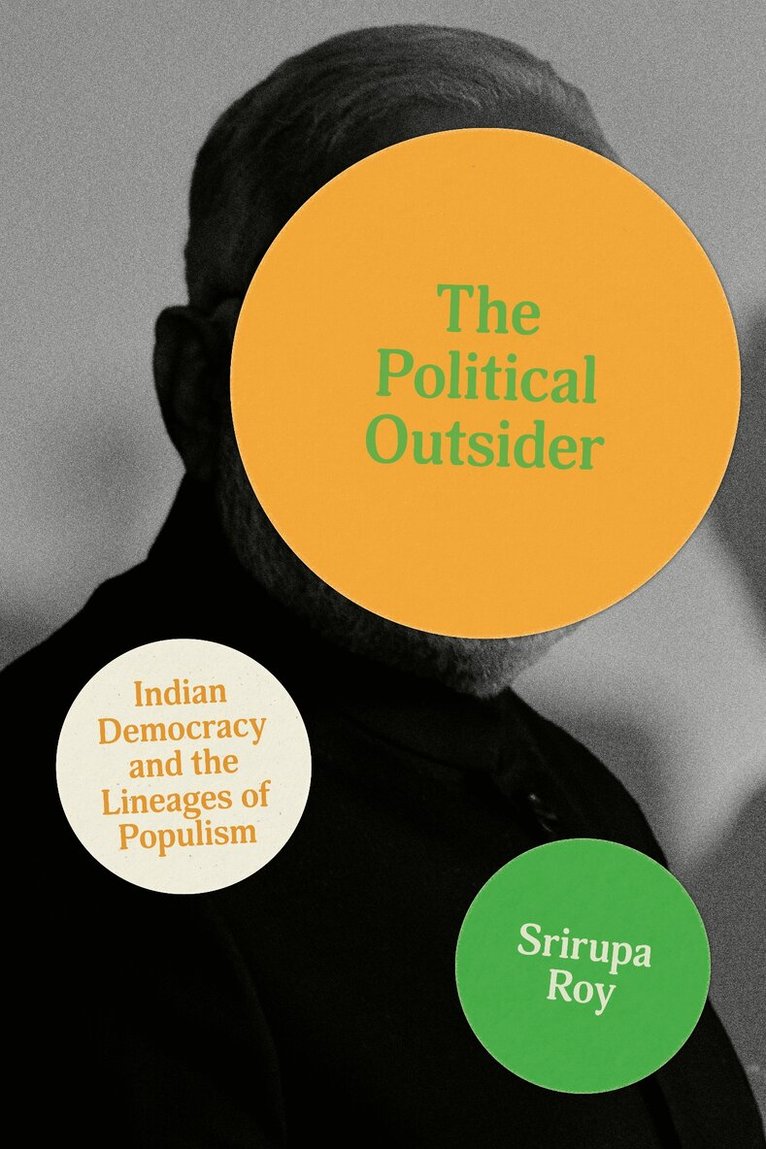
Political Outsider
Indian Democracy and the Lineages of Populism
Av Srirupa Roy
E-bok, 2024
464 kr
Lägg i varukorg
Defying the dire predictions that attended its birth as an independent nation-state in 1947, the Indian republic is more than seventy-five years old. And yet, it is a place where criticisms of actually existing democracy are intense and strident. In recent years, the trope of victimized people …
Visualizing Secularism and Religion
Egypt, Lebanon, Turkey, India
Av Maha Yahya, Alev Cinar m. fl.
Inbunden, 2012
1335 kr
Tillfälligt slut
Over the past two decades secular polities across the globe have witnessed an increasing turn to religion-based political movements, such as the rise of political Islam and Hindu nationalism, which have been fueling new and alternative notions of nationhood and national ideologies. The rise of such …
Beyond Belief
India and the Politics of Postcolonial Nationalism
Av Srirupa Roy
Inbunden, 2007
1269 kr
Tillfälligt slut
Beyond Belief is a bold rethinking of the formation and consolidation of nation-state ideologies. Analyzing India during the first two decades following its foundation as a sovereign nation-state in 1947, Srirupa Roy explores how nationalists are turned into nationals, subjects into citizens, and …
Saffron Republic
Hindu Nationalism and State Power in India
Av Thomas Blom Hansen, Srirupa Roy
Inbunden, 2022
1143 kr
Tillfälligt slut
This volume examines the phenomenon of contemporary Hindu nationalism or 'new Hindutva' that is presently the dominant ideological and political-electoral formation in India. There is a rich body of work on Hindu nationalism, but its main focus is on an earlier moment of insurgent movement politics …