Stacey-Ann Wilson – författare
Visar alla böcker från författaren . Handla med fri frakt och snabb leverans.
3 produkter
3 produkter
Inbunden, Engelska, 2014
1 269 kr
Skickas inom 3-6 vardagar
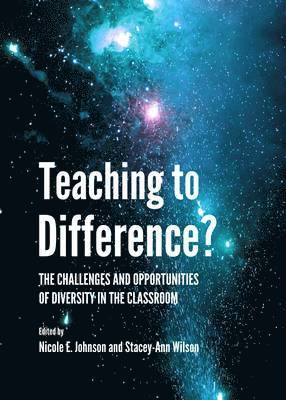
Teaching to Difference? The Challenges and Opportunities of Diversity in the Classroom offers a comparative perspective on the pedagogical and cultural issues in managing differences and diversity in the classroom. Using reflections and experiential analysis, the volume presents perspectives on the experiences of teaching and learning through differences of race/ethnicity, culture, sexual orientation and gender, language, special needs and geography, from contexts such as the United States, Canada, New Zealand and Israel. The reflections are presented from the viewpoint of minority teaching professionals and white educators teaching diverse student populations ranging from K-12 to college students and pre-service teachers.This volume provides a lens into the questions, reflections, and experiences of teachers and practitioners when they encounter difference in the classroom. The essays highlight the trepidation and frustration educators feel when they perceive themselves to be ill-prepared for diversity in their classrooms. However, there are also essays of triumph and success when teachers feel they have reached their students in a meaningful way. Additionally, through the experiences depicted, teachers describe their processes of connecting to students, how they determined what worked and did not work in their journey, and what they learned from the experience that continues to impact them.
Inbunden, Engelska, 2024
1 109 kr
Skickas inom 10-15 vardagar
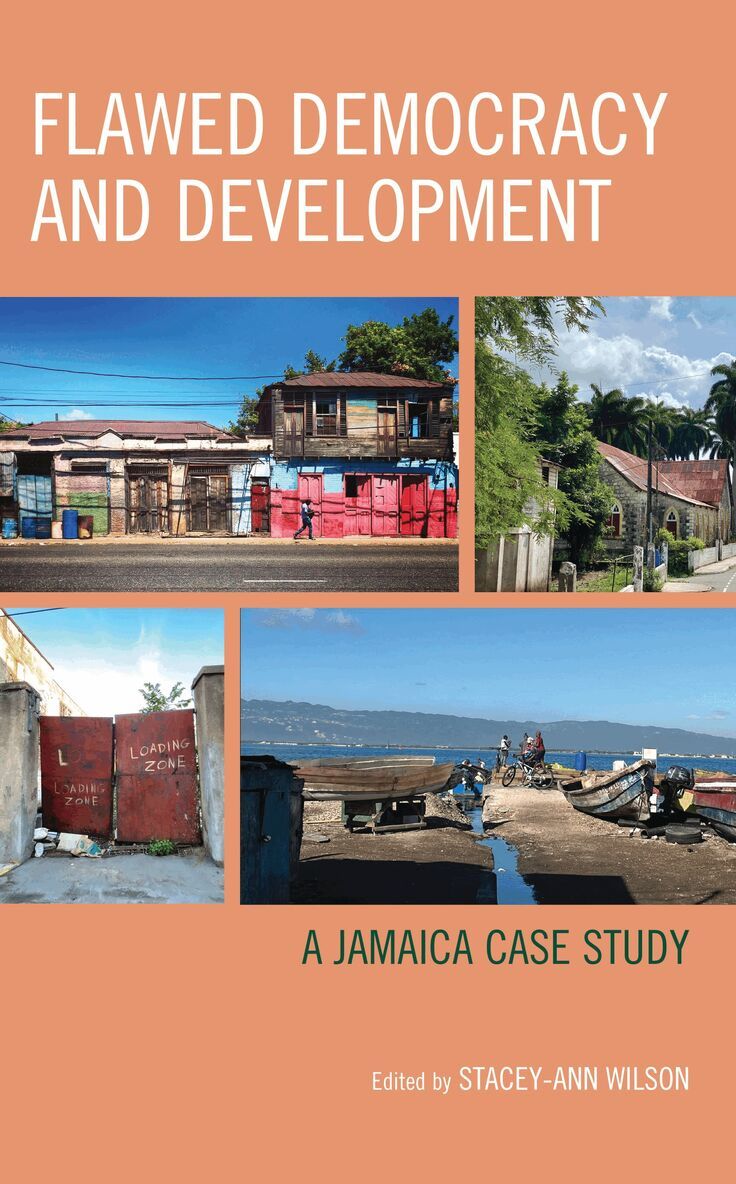
Flawed Democracy and Development: A Jamaica Case Study takes a critical look at the discourse on democracy and development in Jamaica and analyzes some of the core features and practices that have historically impeded economic growth, created a political culture of mistrust of government, and motivated political apathy among the electorate, especially the youth. The contributors in this book interrogate how flawed democracy is played out in the historical as well as the political and economic institutional set up of Jamaica. The contributors also address how political participation is impacted by the heightened perception of public corruption, the lack of accountability and transparency in government decision making, and the way election campaigns are conducted by the two main political parties: the Jamaica Labour Party (JLP) and the People’s National Party (PNP). The book addresses not just the economic and political issues normally associated with flawed democracy discussions but also includes discussion on social and cultural issues, including identity, language, and the cultural influence of geography. The contributors agree that the challenges faced by Jamaica, a small island developing state, are not irreconcilable but they require an engaged electorate and a overhaul of the political system to move the country away from a flawed democracy tag.
Inbunden, Engelska, 2027
1 432 kr
Kommande
While informality is often seen as marginal or illegal, in Jamaica it functions as a critical survival strategy that sustains livelihoods and provides social protections where the state has retreated. Jamaica’s informal economy has developed and persisted in the face of shifting global and domestic pressures. Tracing the historical trajectory from colonial dependency to neoliberal restructuring, Navigating the Grey Areas: The Informal Economy in Jamaica highlights how internal governance challenges and external pressures from international financial institutions have constrained state capacity, deepened inequality, and reinforced reliance on informal networks. Through case studies and sectoral analysis, it demonstrates the resilience and adaptability of informal actors, who create their own systems of support and community-based protections. Rather than treating informality as a problem to be eliminated, Navigating the Grey Areas contends that it is a central component of Jamaica’s political economy, one that both reveals the limits of state governance and underscores the creativity and agency of its people.