Staci Gem Scheiwiller – författare
Visar alla böcker från författaren Staci Gem Scheiwiller. Handla med fri frakt och snabb leverans.
11 produkter
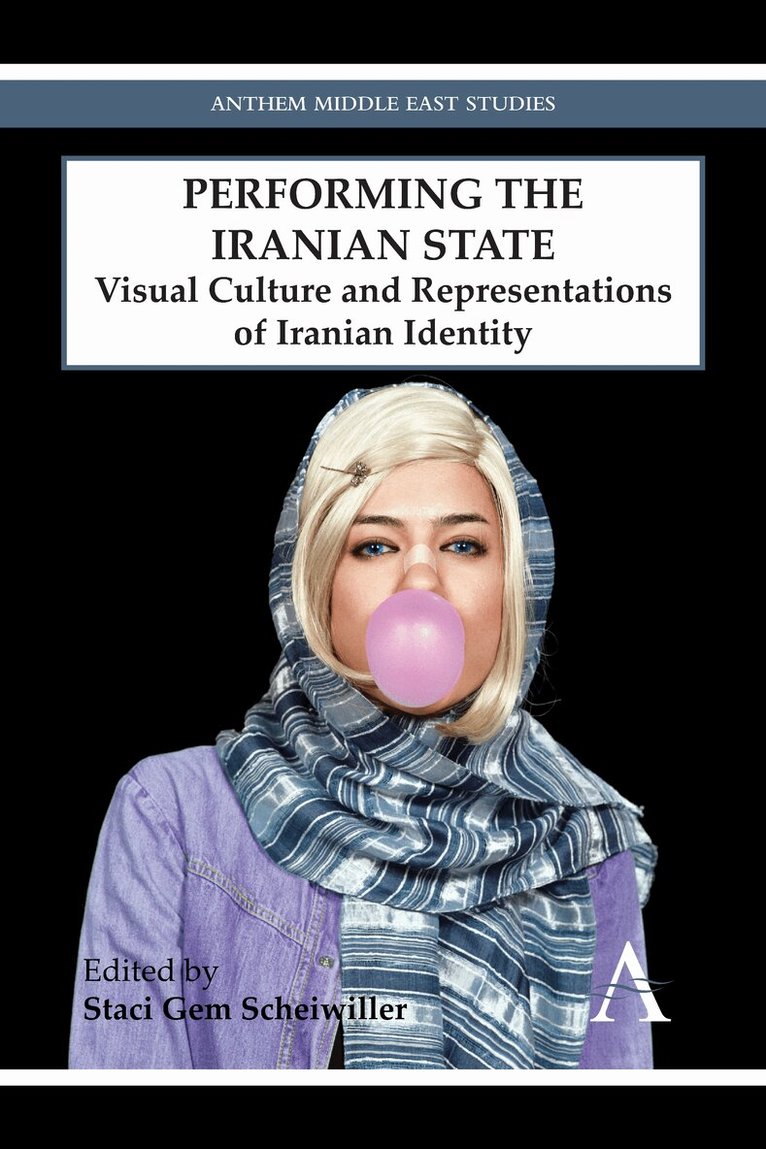
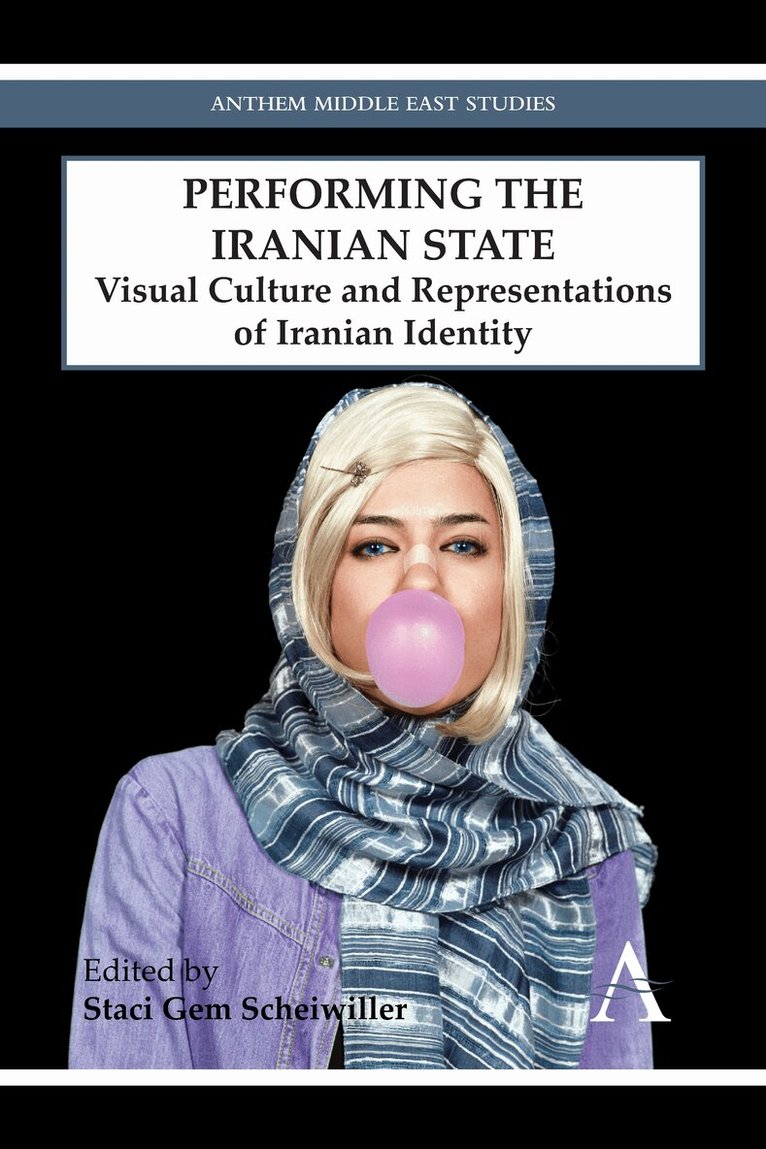
Performing the Iranian State
Visual Culture and Representations of Iranian Identity
Inbunden, 2013
1190 kr
Lägg i varukorg
This book discusses what it means to “perform the State,” what this action means in relation to the country of Iran and how these various performances are represented. The concept of the “State” as a modern phenomenon has had a powerful impact on the formation of the individual and collective, as …
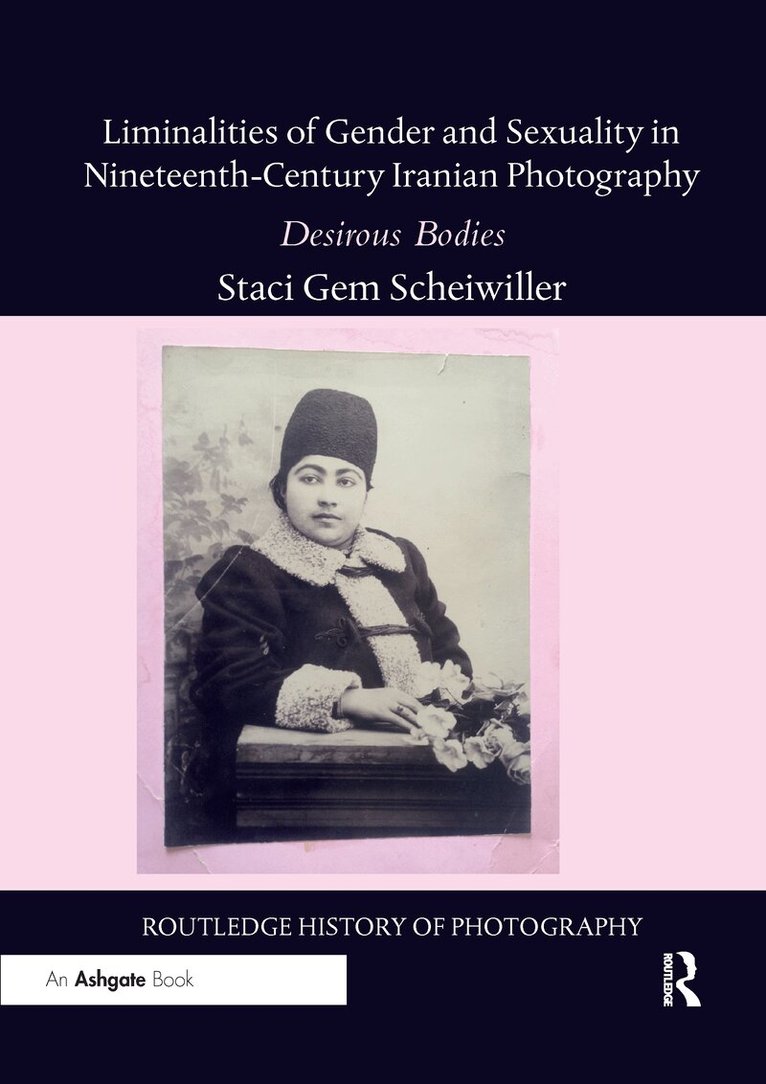
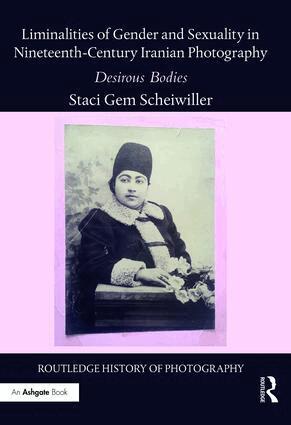
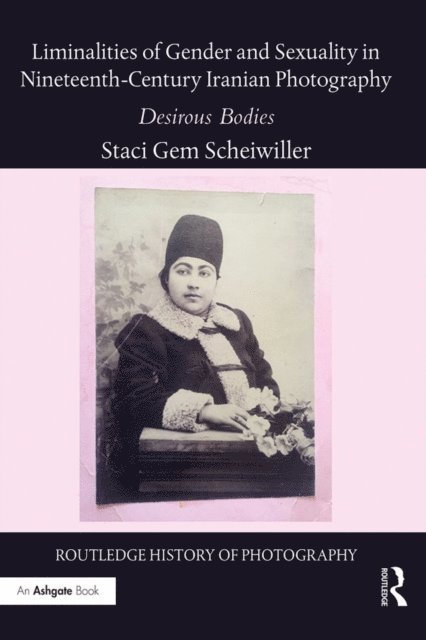
Liminalities of Gender and Sexuality in Nineteenth-Century Iranian Photography
Desirous Bodies
Häftad, 2021
667 kr
Lägg i varukorg
Nineteenth-century Iran was an ocularcentered society predicated on visuality and what was seen and unseen, and photographs became liminal sites of desire that maneuvered "betwixt and between" various social spaces—public, private, seen, unseen, accessible, and forbidden—thus mapping, graphing, and …
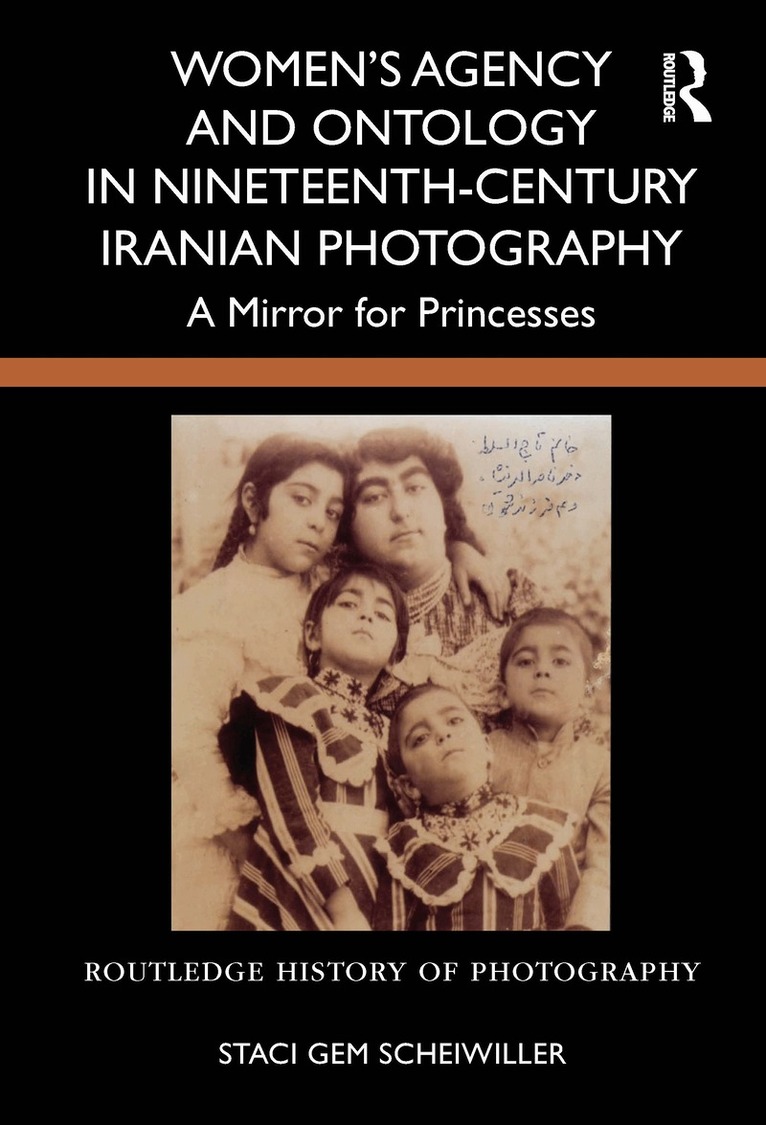
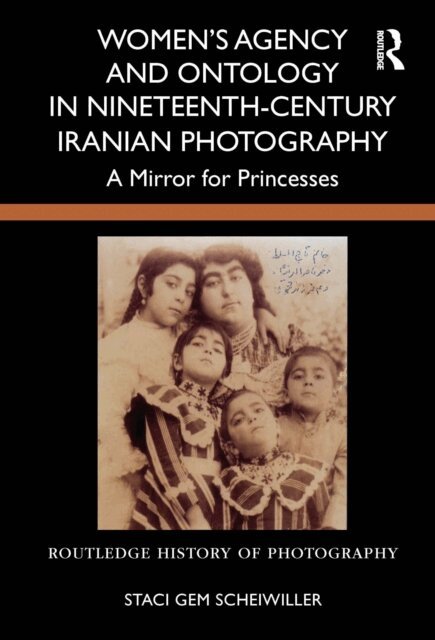
Women’s Agency and Ontology in Nineteenth-Century Iranian Photography
A Mirror for Princesses
Inbunden, 2025
2578 kr
Lägg i varukorg
This study argues that photographs from Qajar Iran (1785–1925) of harem women, royal women, and public women, such as sex workers, musicians, singers, and dancers, make profound statements on the institution of the harem in a time of flux and modernization.Depictions of the harem in photographs …
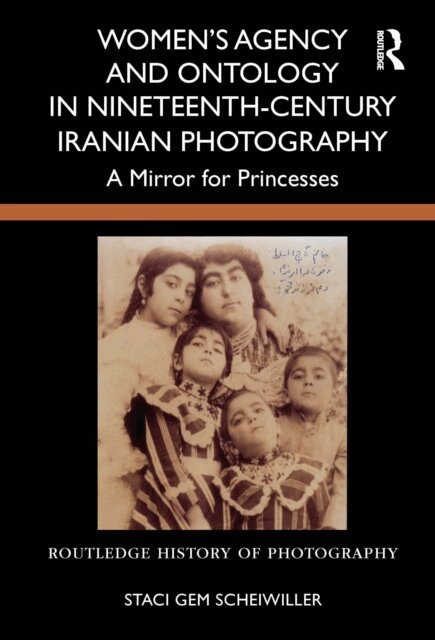
Women’s Agency and Ontology in Nineteenth-Century Iranian Photography
A Mirror for Princesses
Häftad, 2026
725 kr
Lägg i varukorg
This study argues that photographs from Qajar Iran (1785–1925) of harem women, royal women, and public women, such as sex workers, musicians, singers, and dancers, make profound statements on the institution of the harem in a time of flux and modernization.Depictions of the harem in photographs …
Women's Agency and Ontology in Nineteenth-Century Iranian Photography
A Mirror for Princesses
E-bok, 2025
767 kr
Lägg i varukorg
This study argues that photographs from Qajar Iran (1785–1925) of harem women, royal women, and public women, such as sex workers, musicians, singers, and dancers, make profound statements on the institution of the harem in a time of flux and modernization. Depictions of the harem in photographs …
Women's Agency and Ontology in Nineteenth-Century Iranian Photography
A Mirror for Princesses
E-bok, 2025
767 kr
Lägg i varukorg
This study argues that photographs from Qajar Iran (1785–1925) of harem women, royal women, and public women, such as sex workers, musicians, singers, and dancers, make profound statements on the institution of the harem in a time of flux and modernization. Depictions of the harem in photographs …
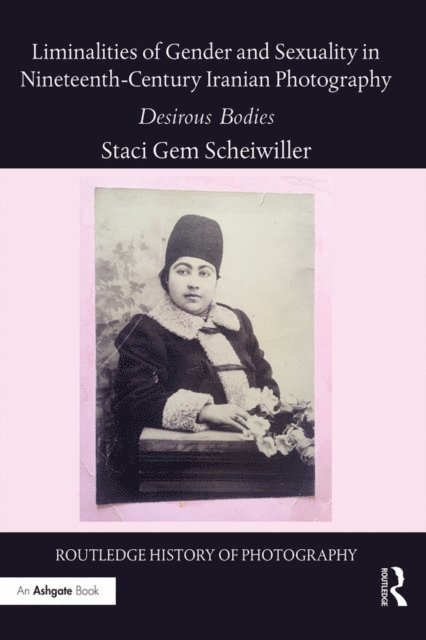
Liminalities of Gender and Sexuality in Nineteenth-Century Iranian Photography
Desirous Bodies
Inbunden, 2016
2818 kr
Lägg i varukorg
Nineteenth-century Iran was an ocularcentered society predicated on visuality and what was seen and unseen, and photographs became liminal sites of desire that maneuvered "betwixt and between" various social spaces—public, private, seen, unseen, accessible, and forbidden—thus mapping, graphing, and …
Liminalities of Gender and Sexuality in Nineteenth-Century Iranian Photography
Desirous Bodies
E-bok, 2016
760 kr
Lägg i varukorg
Nineteenth-century Iran was an ocularcentered society predicated on visuality and what was seen and unseen, and photographs became liminal sites of desire that maneuvered "betwixt and between" various social spaces—public, private, seen, unseen, accessible, and forbidden—thus mapping, graphing, and …
Liminalities of Gender and Sexuality in Nineteenth-Century Iranian Photography
Desirous Bodies
E-bok, 2016
785 kr
Lägg i varukorg
Nineteenth-century Iran was an ocularcentered society predicated on visuality and what was seen and unseen, and photographs became liminal sites of desire that maneuvered "betwixt and between" various social spaces—public, private, seen, unseen, accessible, and forbidden—thus mapping, graphing, and …
Performing the Iranian State
Visual Culture and Representations of Iranian Identity
Häftad, 2014
422 kr
Lägg i varukorg
This book discusses what it means to “perform the State,” what this action means in relation to the country of Iran and how these various performances are represented. The concept of the “State” as a modern phenomenon has had a powerful impact on the formation of the individual and collective, as …