Stanislaw Gomulka – författare
Visar alla böcker från författaren Stanislaw Gomulka. Handla med fri frakt och snabb leverans.
7 produkter
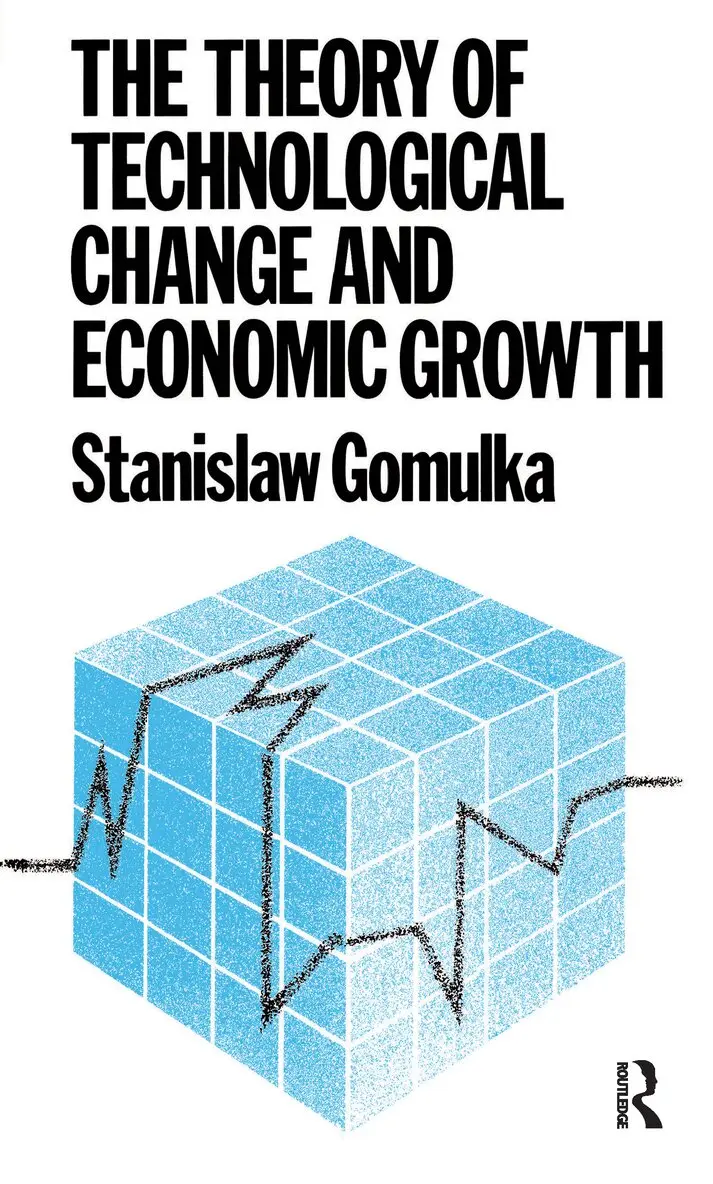
Theory of Technological Change and Economic Growth
Häftad, 1990
1217 kr
Lägg i varukorg
In this wide ranging exposition of the various economic theories of technological change, Stanislaw Gomulka relates them to rates of growth experienced by different economies in both the short and the long term.Analysis of countries as diverse as Japan, the Soviet Union and the United Kingdom …
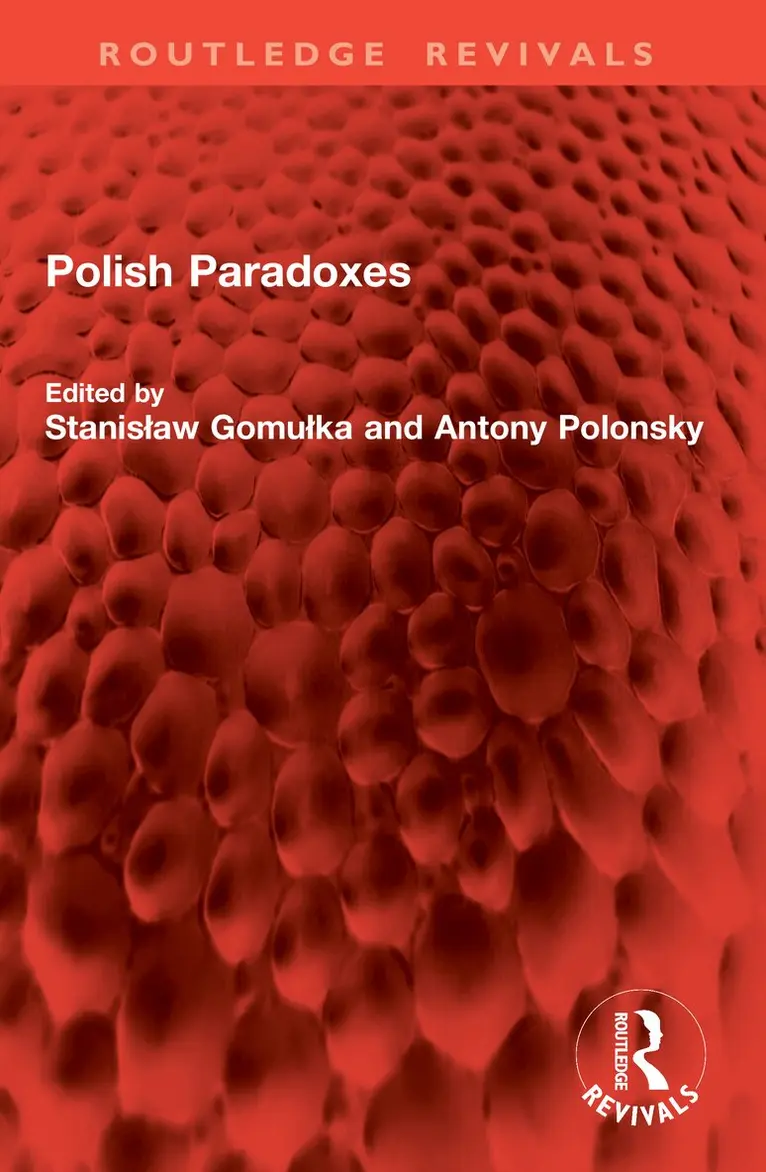
Polish Paradoxes
Av Antony Polonsky, Stanislaw Gomulka
E-bok, 2025
1019 kr
Lägg i varukorg
Paradox is no new feature of Polish political life. A Slavnation, fiercely Catholic, yet looking towards the non-Slavonic, largely non-Catholic west; a people whose sense of nationhood is uniquely strong, yet who have spent much of their history under foreign rule. Poland remains headline news, and …
Polish Paradoxes
Av Antony Polonsky, Stanislaw Gomulka
E-bok, 2025
1030 kr
Lägg i varukorg
Paradox is no new feature of Polish political life. A Slavnation, fiercely Catholic, yet looking towards the non-Slavonic, largely non-Catholic west; a people whose sense of nationhood is uniquely strong, yet who have spent much of their history under foreign rule. Poland remains headline news, and …
Polish Paradoxes
Av Stanisław Gomułka, Antony Polonsky
Inbunden, 2025
1569 kr
Lägg i varukorg
Paradox is no new feature of Polish political life. A Slavnation, fiercely Catholic, yet looking towards the non-Slavonic, largely non-Catholic west; a people whose sense of nationhood is uniquely strong, yet who have spent much of their history under foreign rule. Poland remains headline news, and …
Polish Paradoxes
Av Stanisław Gomułka, Antony Polonsky
Häftad, 2026
488 kr
Lägg i varukorg
Paradox is no new feature of Polish political life. A Slavnation, fiercely Catholic, yet looking towards the non-Slavonic, largely non-Catholic west; a people whose sense of nationhood is uniquely strong, yet who have spent much of their history under foreign rule. Poland remains headline news, and …
Theory of Technological Change and Economic Growth
Inbunden, 2017
3434 kr
Lägg i varukorg
In this wide ranging exposition of the various economic theories of technological change, Stanislaw Gomulka relates them to rates of growth experienced by different economies in both the short and the long term. Analysis of countries as diverse as Japan, the Soviet Union and the United Kingdom …
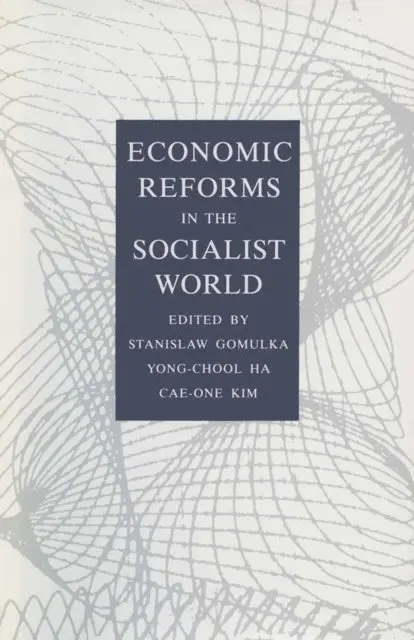
Economic Reforms in the Socialist World
E-bok, 1989
1101 kr
Lägg i varukorg
The reform ideas originated in Eastern Europe, and the results of reform experiments there, as well as in China and the USSR, can now be compared and evaluated. The essays in this important volume aim to accomplish this task. The authors are economists as well as political scientists, of whom …