Stefan C. Dombrowski – författare
Visar alla böcker från författaren Stefan C. Dombrowski. Handla med fri frakt och snabb leverans.
6 produkter
6 produkter
550 kr
Skickas inom 10-15 vardagar
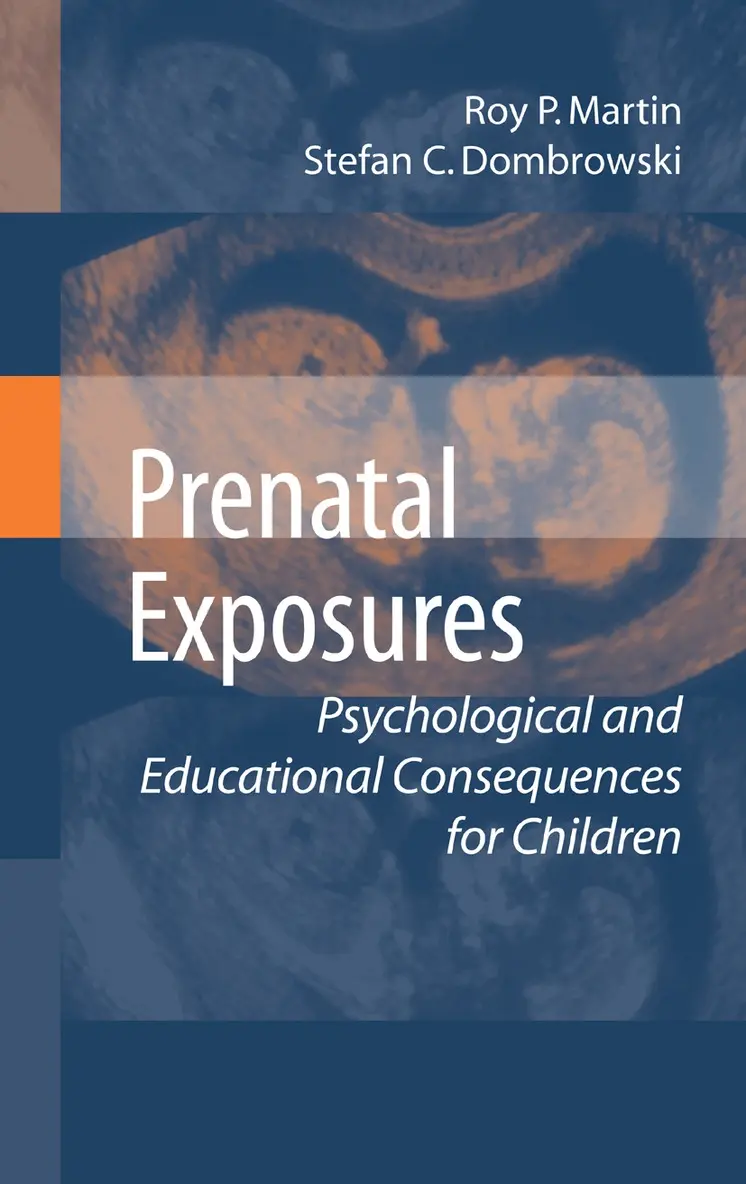
Children are being diagnosed with psychopathologies at alarming rates. Not surprisingly, their behavioral and educational outcomes are increasingly compromised. The financial costs of treating childhood disabilities are spiraling out of control, and the emotional and social toll on students, families, schools, the penal system, and society as a whole is staggering.With proper care during pregnancy, medical professionals can now help expectant mothers prevent many physical birth defects. But prevention and intervention techniques remain elusive for abnormal fetal development that manifests later in life as behavioral problems. Researchers in the field of behavioral teratology continue to search for answers – prevention and intervention techniques – that will lead to improved behavioral and education outcomes for children.In this first compendium in the growing literature of behavioral teratology, readers will discover an easy-to-access, concise presentation that: Synthesizes important findings that help explain why prenatal events may result in abnormal behavior and learning disabilities later in life; Examines the role of prenatal perturbations, along with genetics and the postnatal roles of caretakers and the social environment, in light of how each may – individually or together – contribute to conditions as varied as dyslexia, schizophrenia, fetal alcohol syndrome, and autism; Ensures that effective prevention and intervention can occur during the prenatal phases of development; Addresses the research needs in behavioral teratology that are likely to lead to discoveries that may ensure the birth of healthier babies who develop normally across the lifespan; Provides a brief medical glossary that details terminology specifically related to fetal development and birth.With its multidisciplinary approach, this volume is a must-have resource for clinical child and school psychologists; educational professionals; medicalpractitioners; social workers and counselors as well as researchers and graduate students in these areas. In addition, pediatricians, psychiatrists, and other medical professionals – including such disciplines as epidemiology, reproductive biology, psychiatry, pediatrics, obstetrics, neonatology, among others – will find this book highly useful.
550 kr
Skickas inom 10-15 vardagar
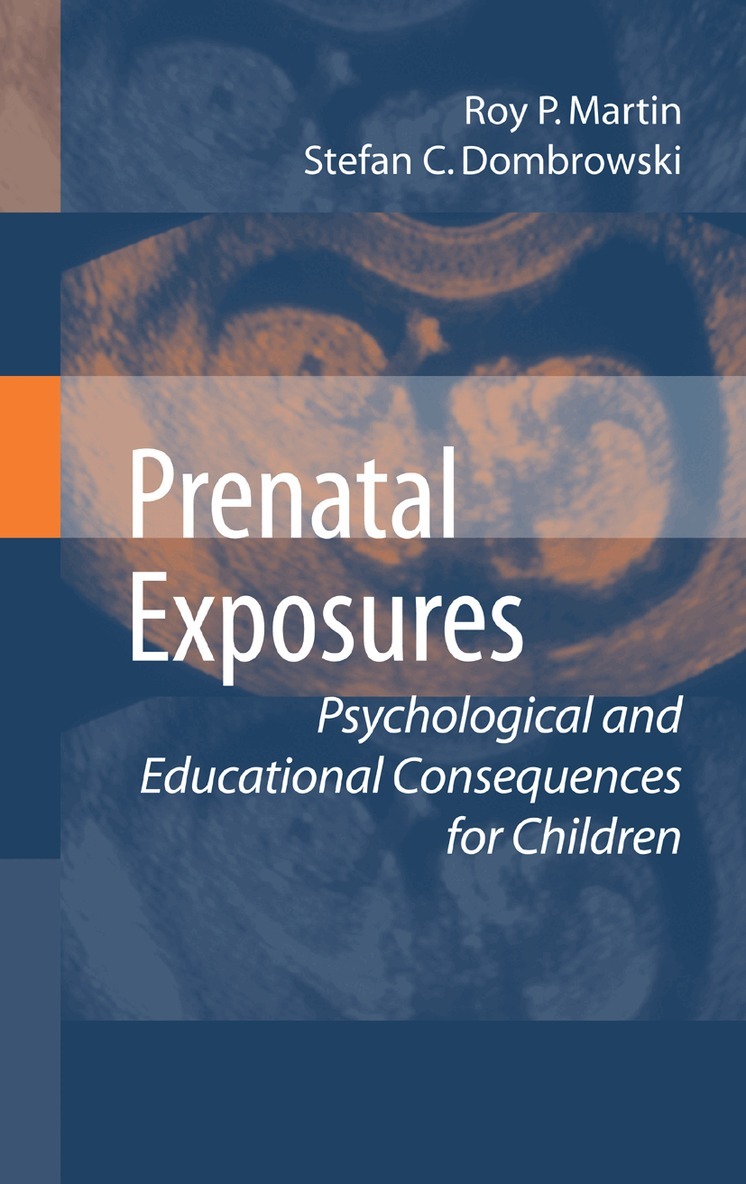
Children are being diagnosed with psychopathologies at alarming rates. Not surprisingly, their behavioral and educational outcomes are increasingly compromised. The financial costs of treating childhood disabilities are spiraling out of control, and the emotional and social toll on students, families, schools, the penal system, and society as a whole is staggering.With proper care during pregnancy, medical professionals can now help expectant mothers prevent many physical birth defects. But prevention and intervention techniques remain elusive for abnormal fetal development that manifests later in life as behavioral problems. Researchers in the field of behavioral teratology continue to search for answers – prevention and intervention techniques – that will lead to improved behavioral and education outcomes for children.In this first compendium in the growing literature of behavioral teratology, readers will discover an easy-to-access, concise presentation that: Synthesizes important findings that help explain why prenatal events may result in abnormal behavior and learning disabilities later in life; Examines the role of prenatal perturbations, along with genetics and the postnatal roles of caretakers and the social environment, in light of how each may – individually or together – contribute to conditions as varied as dyslexia, schizophrenia, fetal alcohol syndrome, and autism; Ensures that effective prevention and intervention can occur during the prenatal phases of development; Addresses the research needs in behavioral teratology that are likely to lead to discoveries that may ensure the birth of healthier babies who develop normally across the lifespan; Provides a brief medical glossary that details terminology specifically related to fetal development and birth.With its multidisciplinary approach, this volume is a must-have resource for clinical child and school psychologists; educational professionals; medicalpractitioners; social workers and counselors as well as researchers and graduate students in these areas. In addition, pediatricians, psychiatrists, and other medical professionals – including such disciplines as epidemiology, reproductive biology, psychiatry, pediatrics, obstetrics, neonatology, among others – will find this book highly useful.
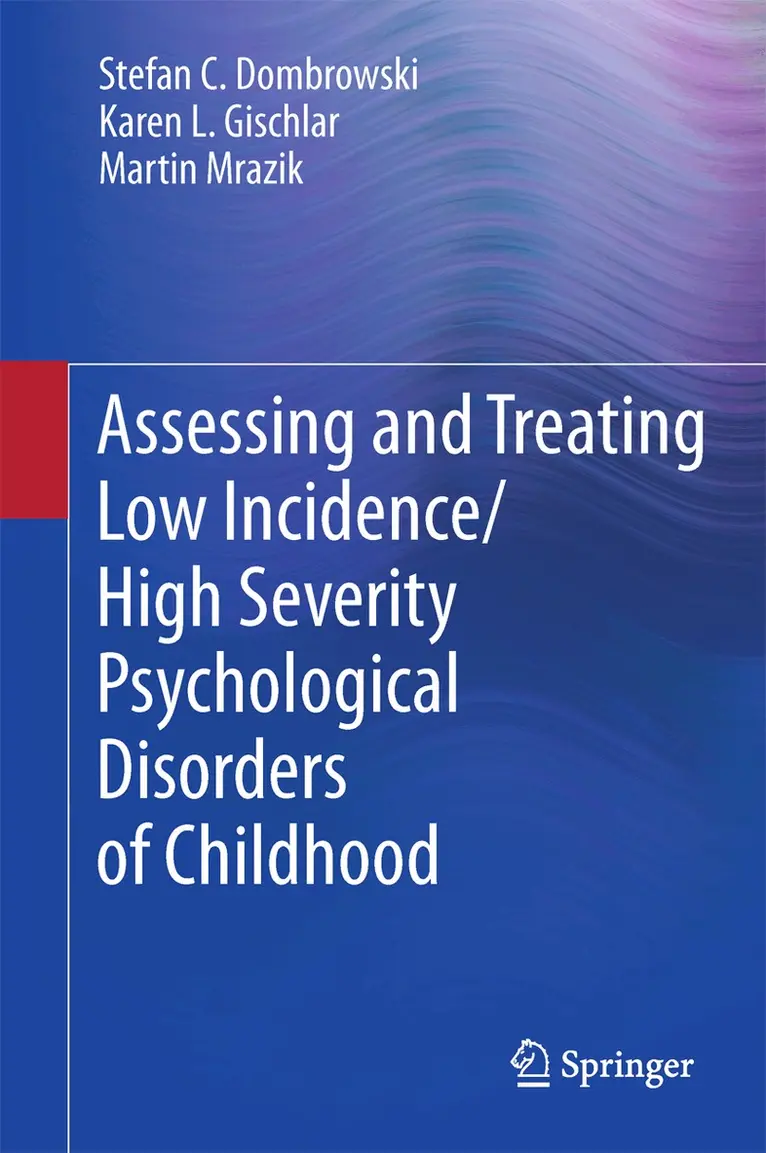
Assessing and Treating Low Incidence/High Severity Psychological Disorders of Childhood
Inbunden, Engelska, 2011
1 202 kr
Skickas inom 10-15 vardagar
Although this raises the odds that young people with more well-known disorders such as ADHD, autism, and learning disorders will receive much-needed professional assessment and intervention, children with less frequently encountered disorders may experience a higher risk of misdiagnosis and inappropriate treatment.
591 kr
Skickas inom 10-15 vardagar
This textbook provides in-depth instruction for conducting psychoeducational assessments of children in grades K-12 and conveying results through detailed, well-written reports.
1 750 kr
Skickas inom 10-15 vardagar
The second edition of this textbook provides expanded and updated guidance on the process of psychoeducational assessment and report writing for children in grades K-12. It casts the entire process within a newly proposed evidence-based psychoeducational assessment and report writing framework, and explains how to convey results through detailed, well-written reports. The new edition guides readers, step by step, through the assessment process – collecting data, writing reports, and communicating conclusions – for students with conditions spanning the range of IDEA classifications. Chapters offer a broad understanding of assessment and communication skills as well as the ethical, legal, cultural, and professional considerations that come with psychoeducational evaluation. In addition, chapters significantly expand on the coverage of learning disabilities, autism spectrum, intellectual disabilities, gifted, and other health-impaired and emotional disturbance assessment. The text updates sample reports from the previous edition, offering annotated commentary in the report explaining salient points and major decisions, and incorporates additional report samples to demonstrate fully the assessment and report writing process. Key topics addressed in the revised and expanded edition include:Psychoeducational assessment and report writing in school and clinic settings. Interview formats from various perspectives, including caregivers/parents, teachers, and students.Assessment of culturally and linguistically diverse youth.Assessment of social, emotional, behavioral and mental health difficulties that may affect students’ educational functioning. Common academic difficulties, including reading, writing and mathematics.Common recommendations and accommodations for behavioral, social, emotional, and learning needs.Incorporation of response-to-intervention/curriculum based assessment data into the psychoeducational report.Psychoeducational Assessment and Report Writing, 2nd Edition, is an essential textbook for graduate students as well as researchers, professors, and professionals in child and school psychology, educational assessment, testing, and evaluation, social work, and related disciplines.
1 237 kr
Skickas inom 10-15 vardagar
The second edition of this textbook provides expanded and updated guidance on the process of psychoeducational assessment and report writing for children in grades K-12. It casts the entire process within a newly proposed evidence-based psychoeducational assessment and report writing framework, and explains how to convey results through detailed, well-written reports. The new edition guides readers, step by step, through the assessment process – collecting data, writing reports, and communicating conclusions – for students with conditions spanning the range of IDEA classifications. Chapters offer a broad understanding of assessment and communication skills as well as the ethical, legal, cultural, and professional considerations that come with psychoeducational evaluation. In addition, chapters significantly expand on the coverage of learning disabilities, autism spectrum, intellectual disabilities, gifted, and other health-impaired and emotional disturbance assessment. The text updates sample reports from the previous edition, offering annotated commentary in the report explaining salient points and major decisions, and incorporates additional report samples to demonstrate fully the assessment and report writing process. Key topics addressed in the revised and expanded edition include:Psychoeducational assessment and report writing in school and clinic settings. Interview formats from various perspectives, including caregivers/parents, teachers, and students.Assessment of culturally and linguistically diverse youth.Assessment of social, emotional, behavioral and mental health difficulties that may affect students’ educational functioning. Common academic difficulties, including reading, writing and mathematics.Common recommendations and accommodations for behavioral, social, emotional, and learning needs.Incorporation of response-to-intervention/curriculum based assessment data into the psychoeducational report.Psychoeducational Assessment and Report Writing, 2nd Edition, is an essential textbook for graduate students as well as researchers, professors, and professionals in child and school psychology, educational assessment, testing, and evaluation, social work, and related disciplines.