Stefan Draminski – författare
Visar alla böcker från författaren Stefan Draminski. Handla med fri frakt och snabb leverans.
20 produkter
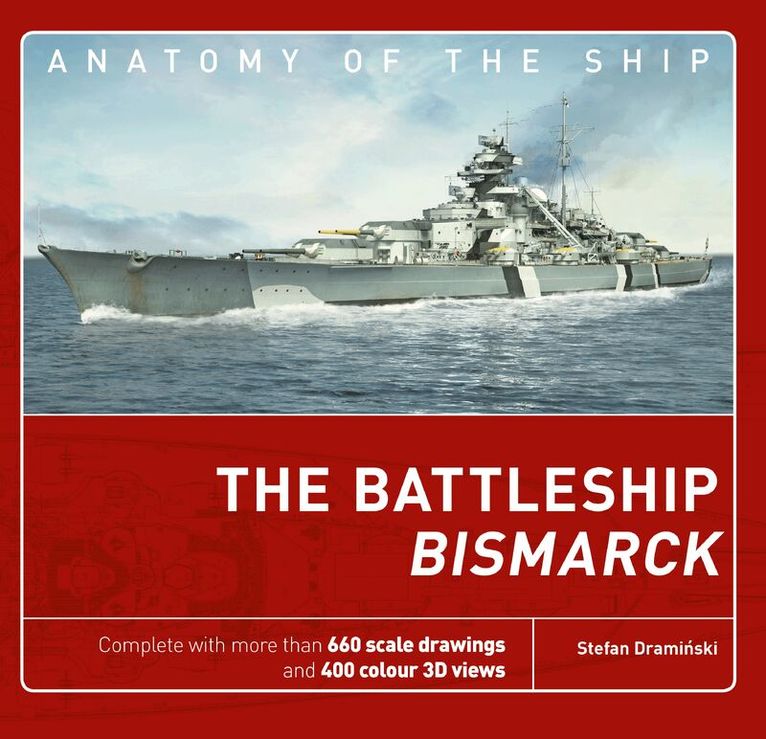
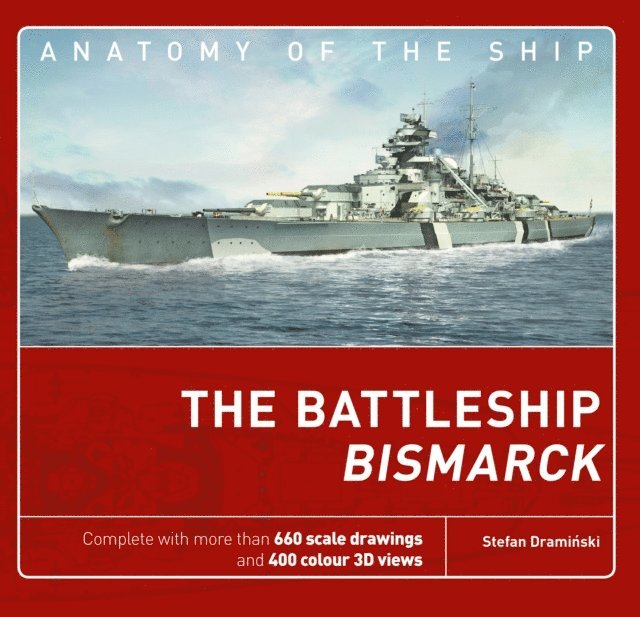
Battleship Bismarck
Inbunden, 2018
5,0 utav 5 stjärnor. Totalt antal röster: (1)
510 kr
Lägg i varukorg
The Bismarck is perhaps the most famous – and notorious – warship ever built.Completed in 1941, the 45,000-ton German battleship sank HMS Hood, the pride of the British Navy, during one of the most sensational encounters in naval history. Following the sinking, Bismarck was chased around the North …
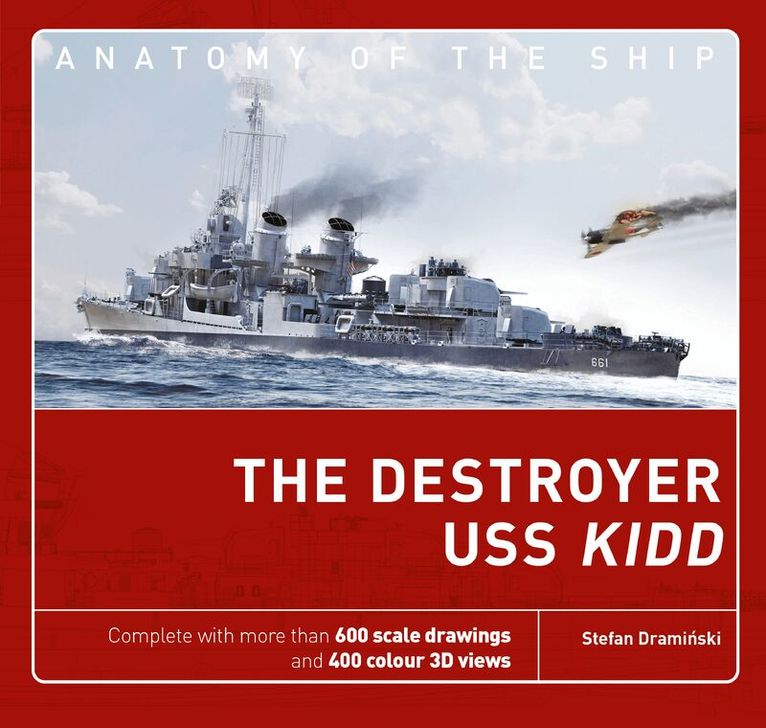
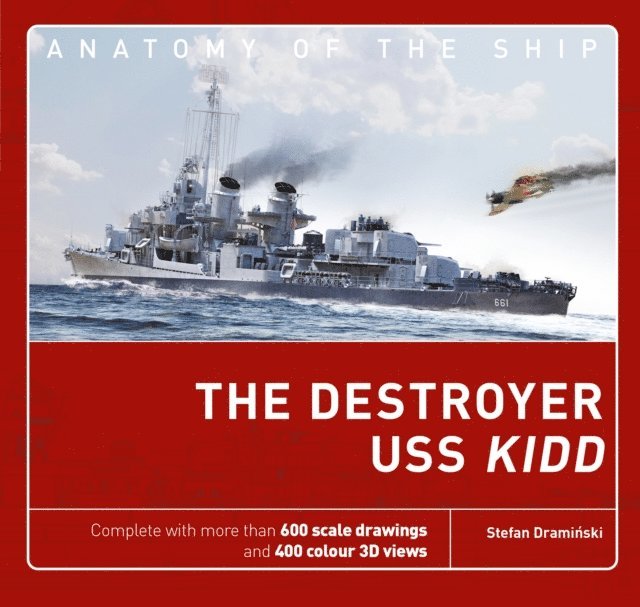
Destroyer USS Kidd
Inbunden, 2024
599 kr
Lägg i varukorg
A brilliantly detailed visual representation of the only US World War II destroyer to have retained its original configuration.Superbly illustrated with artwork of the ship through its career, reconstructions of deck layouts, and 3D illustrations of every detail of the ship from its rigging to its …
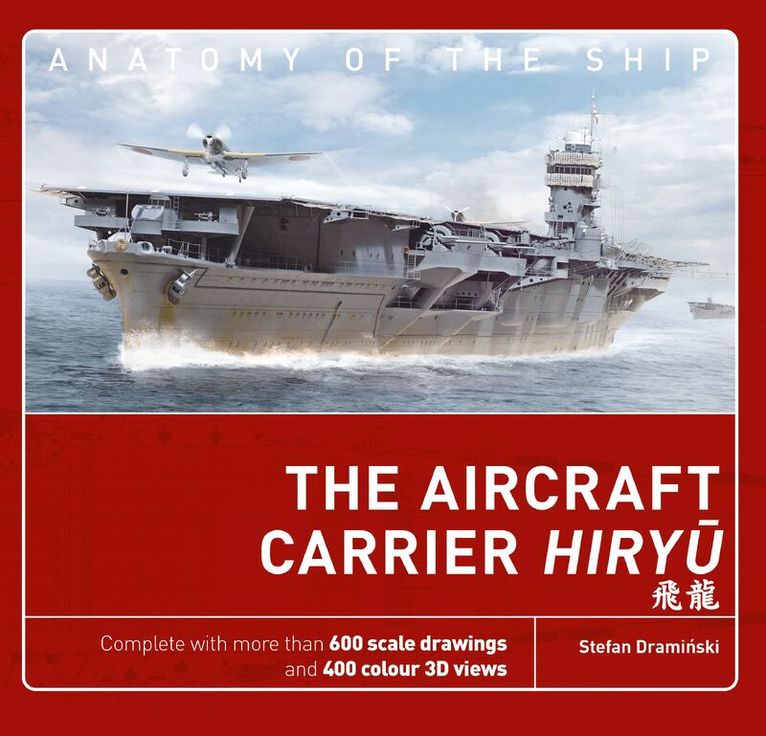
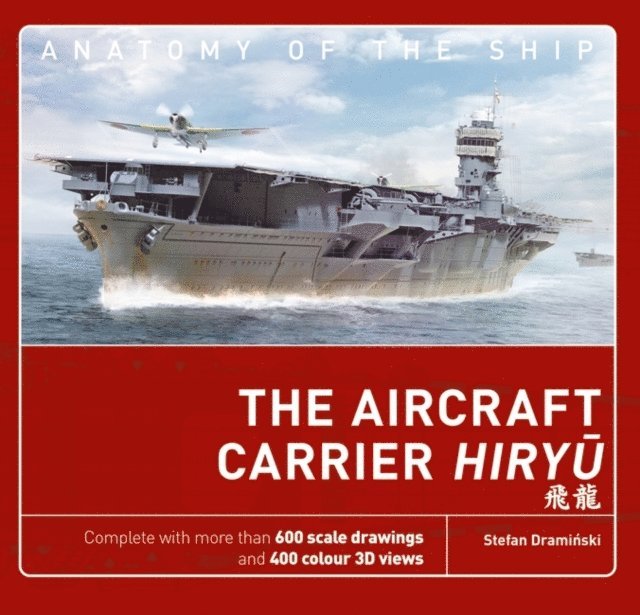
Aircraft Carrier Hiryu
Inbunden, 2022
654 kr
Lägg i varukorg
A uniquely detailed study of a Japanese aircraft carrier that took part in the attack on Pearl Harbor, before being sunk at Midway.Superbly illustrated with line drawings, full-colour artwork of the ship through its career, internal reconstructions of deck layouts, and 3D illustrations of every …
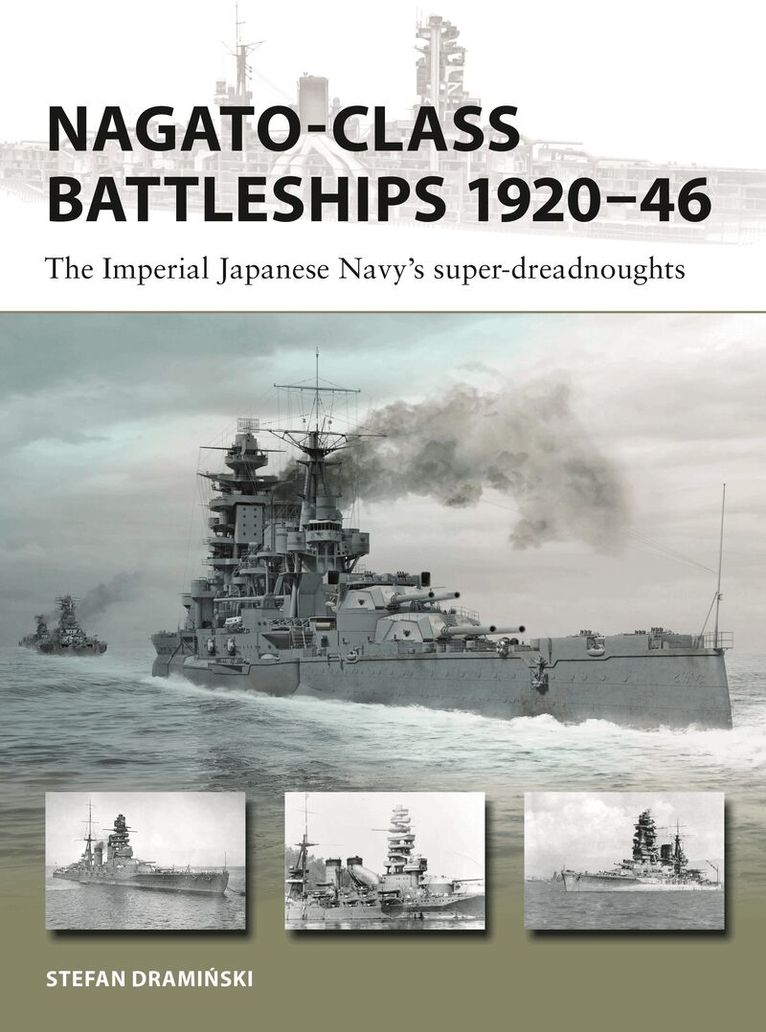
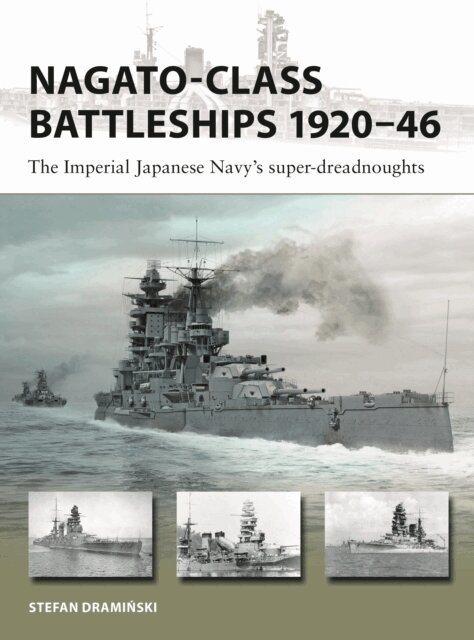
Nagato-class Battleships 1920–46
The Imperial Japanese Navy's super-dreadnoughts
Häftad, 2026
160 kr
Lägg i varukorg
An illustrated study of Japan’s Nagato-class battleships: the IJN’s powerful super-dreadnoughts, which were heavily modernized to fight in World War II. Illustrated with the author’s much-acclaimed 3D reconstructions, naval researcher Stefan Draminski offers a technical and operational study of …
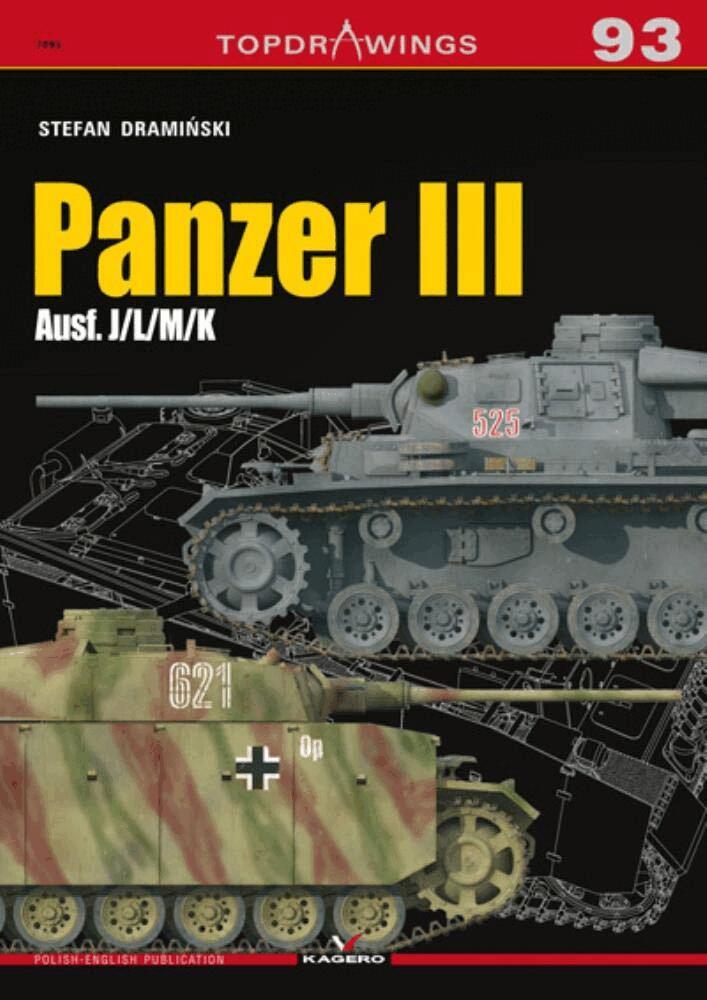
Panzer III
Ausf. J/L/M/K
Häftad, 2020
187 kr
Lägg i varukorg
The PzKpfw III (Panzerkampfwagen III) is a German medium tank designed by Daimler-Benz AG. The first tests of the vehicle took place in 1936. The construction of the PzKpfw III consisted of four main modules: the turret, the front of the hull, the rear of the hull with the engine compartment cover …
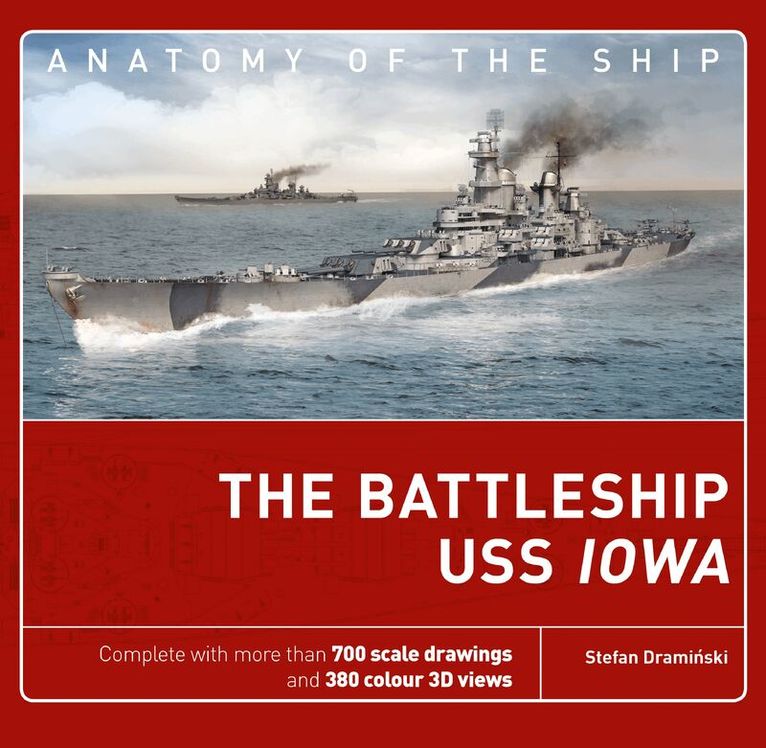
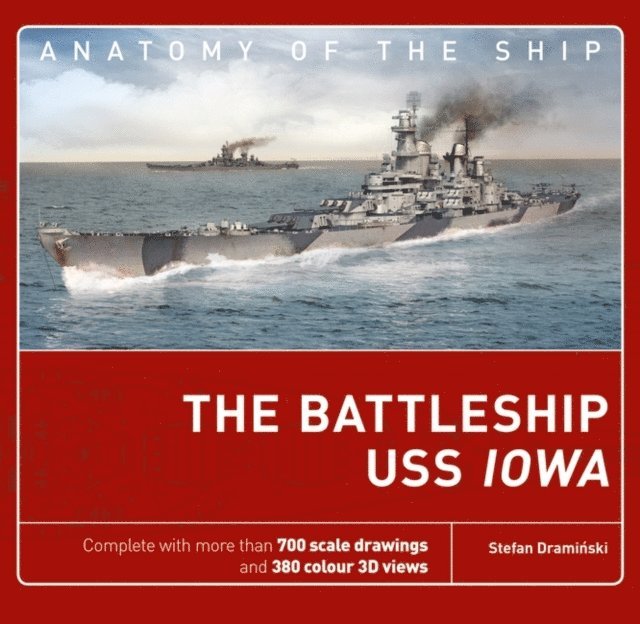
Battleship USS Iowa
Inbunden, 2020
654 kr
Lägg i varukorg
USS Iowa (BB-61) was the lead ship in one of the most famous classes of battleships ever commissioned into the US Navy.Transferred to the Pacific Fleet in 1944, the Iowa first fired her guns in anger in the Marshall Islands campaign, and sunk her first enemy ship, the Katori. The Iowa went on to …
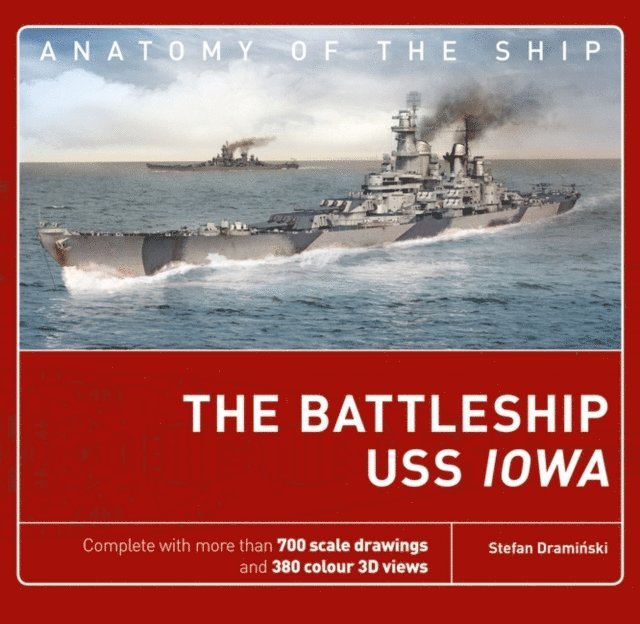
Battleship USS Iowa
E-bok, 2020
485 kr
Lägg i varukorg
USS Iowa (BB-61) was the lead ship in one of the most famous classes of battleships ever commissioned into the US Navy. Transferred to the Pacific Fleet in 1944, the Iowa first fired her guns in anger in the Marshall Islands campaign, and sunk her first enemy ship, the Katori . The Iowa went on to …
Destroyer USS Kidd
E-bok, 2024
723 kr
Lägg i varukorg
A brilliantly detailed visual representation of the only US World War II destroyer to have retained its original configuration. Superbly illustrated with artwork of the ship through its career, reconstructions of deck layouts, and 3D illustrations of every detail of the ship from its rigging to its …
Battleship Bismarck
E-bok, 2018
386 kr
Lägg i varukorg
The Bismarck is perhaps the most famous – and notorious – warship ever built. Completed in 1941, the 45,000-ton German battleship sank HMS Hood , the pride of the British Navy, during one of the most sensational encounters in naval history. Following the sinking, Bismarck was chased around the …
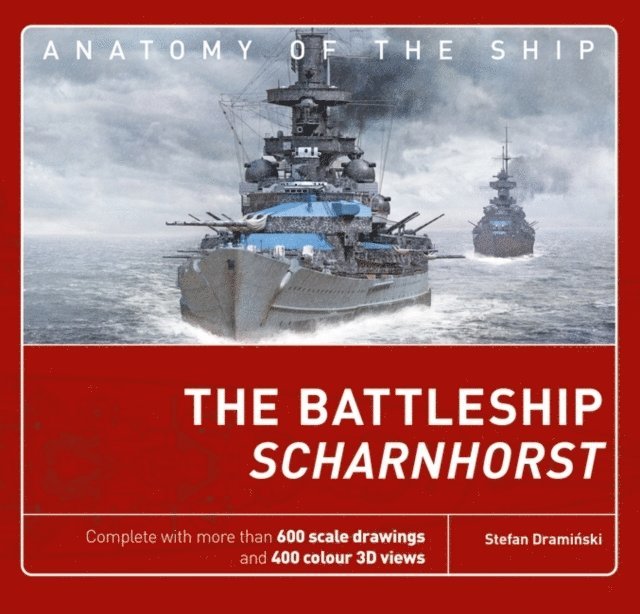
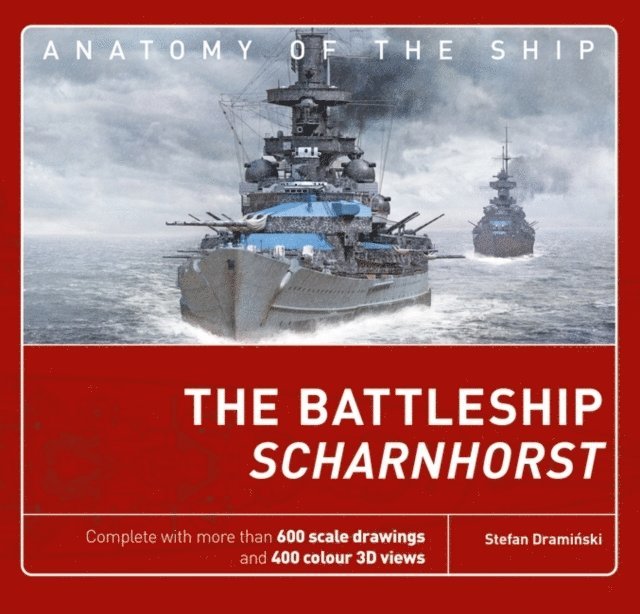
Battleship Scharnhorst
E-bok, 2021
431 kr
Lägg i varukorg
The Kriegsmarine''s Scharnhorst was a German capital ship, described either as a battleship or battlecruiser, and the lead ship of her class, which included one other ship, Gneisenau . She was launched on 3 October 1936 and completed in January 1939, armed with nine 28cm C/34 guns in three triple …
Battleship Scharnhorst
Inbunden, 2021
582 kr
Lägg i varukorg
The Kriegsmarine‘s Scharnhorst was a German capital ship, described either as a battleship or battlecruiser, and the lead ship of her class, which included one other ship, Gneisenau.She was launched on 3 October 1936 and completed in January 1939, armed with nine 28cm C/34 guns in three triple …
Aircraft Carrier Hiryu
E-bok, 2022
496 kr
Lägg i varukorg
A uniquely detailed study of a Japanese aircraft carrier that took part in the attack on Pearl Harbor, before being sunk at Midway. Superbly illustrated with line drawings, full-colour artwork of the ship through its career, internal reconstructions of deck layouts, and 3D illustrations of every …
Battleship USS Iowa
E-bok, 2020
496 kr
Lägg i varukorg
USS Iowa (BB-61) was the lead ship in one of the most famous classes of battleships ever commissioned into the US Navy. Transferred to the Pacific Fleet in 1944, the Iowa first fired her guns in anger in the Marshall Islands campaign, and sunk her first enemy ship, the Katori . The Iowa went on to …
Battleship Scharnhorst
E-bok, 2021
441 kr
Lägg i varukorg
The Kriegsmarine''s Scharnhorst was a German capital ship, described either as a battleship or battlecruiser, and the lead ship of her class, which included one other ship, Gneisenau . She was launched on 3 October 1936 and completed in January 1939, armed with nine 28cm C/34 guns in three triple …
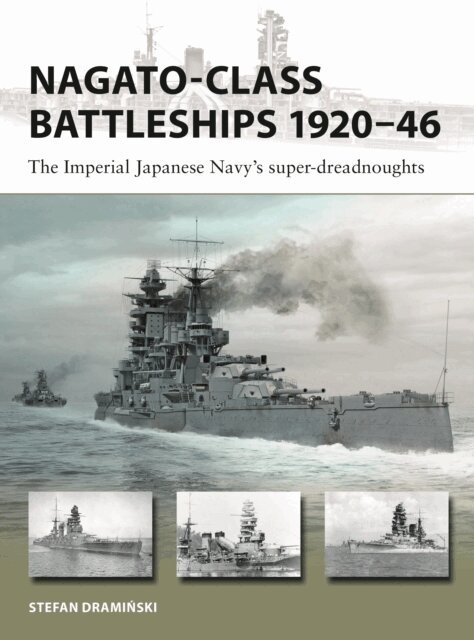
Nagato-class Battleships 1920–46
The Imperial Japanese Navy's Super-Dreadnoughts
E-bok, 2026
186 kr
Lägg i varukorg
An illustrated study of Japan's Nagato-class battleships: the IJN's powerful super-dreadnoughts, which were heavily modernized to fight in World War II. Illustrated with the author's much-acclaimed 3D reconstructions, naval researcher Stefan Draminski offers a technical and operational study of …
Nagato-class Battleships 1920–46
The Imperial Japanese Navy's Super-Dreadnoughts
E-bok, 2026
182 kr
Lägg i varukorg
An illustrated study of Japan's Nagato-class battleships: the IJN's powerful super-dreadnoughts, which were heavily modernized to fight in World War II. Illustrated with the author's much-acclaimed 3D reconstructions, naval researcher Stefan Draminski offers a technical and operational study of …
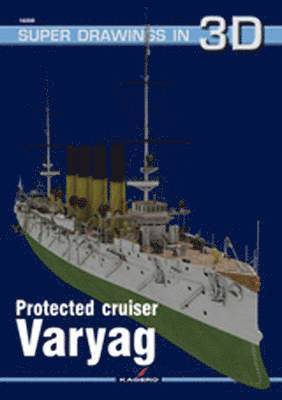
Varyag
Häftad, 2015
310 kr
Tillfälligt slut
In-depth look the Imperial Russian cruiser Varyag, famed for her crew's heroic defiance during the Russo-Japanese War, including design and construction notes, technical characteristics, data tables, machinery, propulsion, armament and operational history. Excellent visual guide to the ship from …
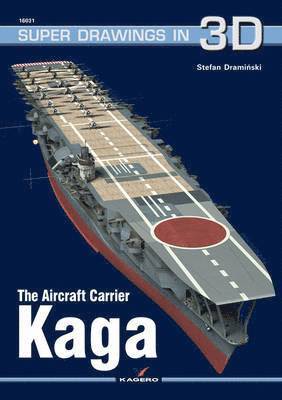
Aircraft Carrier Kaga
Häftad, 2014
375 kr
Tillfälligt slut
Japanese aircraft carrier “Kaga” was initially built as a battleship, but as a result of a coincidence it became one of the first large carriers in history. It was a part of Japanese Kidō Butai, a group of carriers that decided about the power of the Imperial Japanese Navy during the first …
Battleship USS North Carolina
Häftad, 2015
319 kr
Tillfälligt slut
Launched in 1940, North Carolina was the first U.S. newly built battleship to have taken part in the war in the Pacific. During her busy combat career she demonstrated that battleships could perform very well indeed in their new role as escorts for fleet aircraft carriers and weapon platforms …