Stefan Sciaraffa – författare
Visar alla böcker från författaren Stefan Sciaraffa. Handla med fri frakt och snabb leverans.
11 produkter
The Legacy of Ronald Dworkin
Av Wil Waluchow, Stefan Sciaraffa
Inbunden, 2016
1795 kr
Lägg i varukorg
This book assembles leading legal, political, and moral philosophers to examine the legacy of the work of Ronald Dworkin. They provide the most comprehensive critical treatment of Dworkin's accomplishments focusing on his work in all branches of philosophy, including his theory of value, political …
Legacy of Ronald Dworkin
Av Stefan Sciaraffa, Wil Waluchow
E-bok, 2016
1393 kr
Lägg i varukorg
This book assembles leading legal, political, and moral philosophers to examine the legacy of the work of Ronald Dworkin. They provide the most comprehensive critical treatment of Dworkin''s accomplishments focusing on his work in all branches of philosophy, including his theory of value, political …
Legacy of Ronald Dworkin
Av Stefan Sciaraffa, Wil Waluchow
E-bok, 2016
1393 kr
Lägg i varukorg
This book assembles leading legal, political, and moral philosophers to examine the legacy of the work of Ronald Dworkin. They provide the most comprehensive critical treatment of Dworkin''s accomplishments focusing on his work in all branches of philosophy, including his theory of value, political …
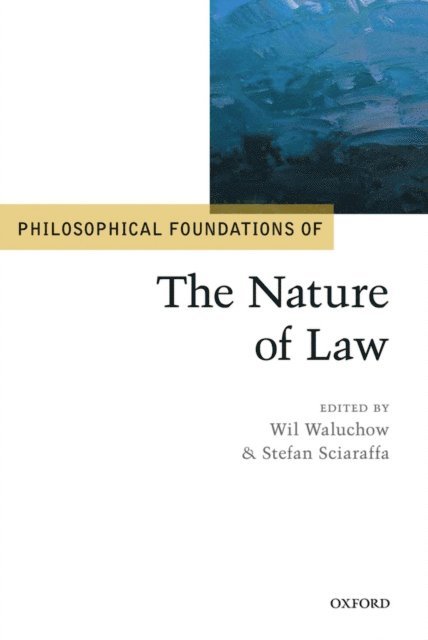
Philosophical Foundations of the Nature of Law
Av Stefan Sciaraffa, Wil Waluchow
E-bok, 2013
398 kr
Lägg i varukorg
In recent years we have witnessed major developments in philosophical inquiry concerning the nature of law and, with the continuing development of international and transnational legal institutions, in the phenomenon of law itself. This volume gathers leading writers in the field to take stock of …
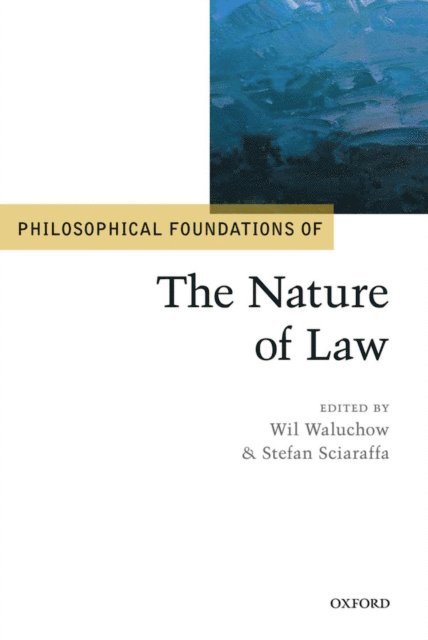
Philosophical Foundations of the Nature of Law
Av Stefan Sciaraffa, Wil Waluchow
E-bok, 2013
550 kr
Lägg i varukorg
In recent years we have witnessed major developments in philosophical inquiry concerning the nature of law and, with the continuing development of international and transnational legal institutions, in the phenomenon of law itself. This volume gathers leading writers in the field to take stock of …
Philosophical Foundations of the Nature of Law
Av Wil Waluchow, Stefan Sciaraffa
Häftad, 2017
663 kr
Lägg i varukorg
In recent years we have witnessed major developments in philosophical inquiry concerning the nature of law and, with the continuing development of international and transnational legal institutions, in the phenomenon of law itself. This volume gathers leading writers in the field to take stock of …
Philosophical Foundations of the Nature of Law
Av SCIARAFFA WALUCHOW, Wil Waluchow m. fl.
Inbunden, 2013
2856 kr
Lägg i varukorg
In recent years we have witnessed major developments in philosophical inquiry concerning the nature of law and, with the continuing development of international and transnational legal institutions, in the phenomenon of law itself. This volume gathers leading writers in the field to take stock of …
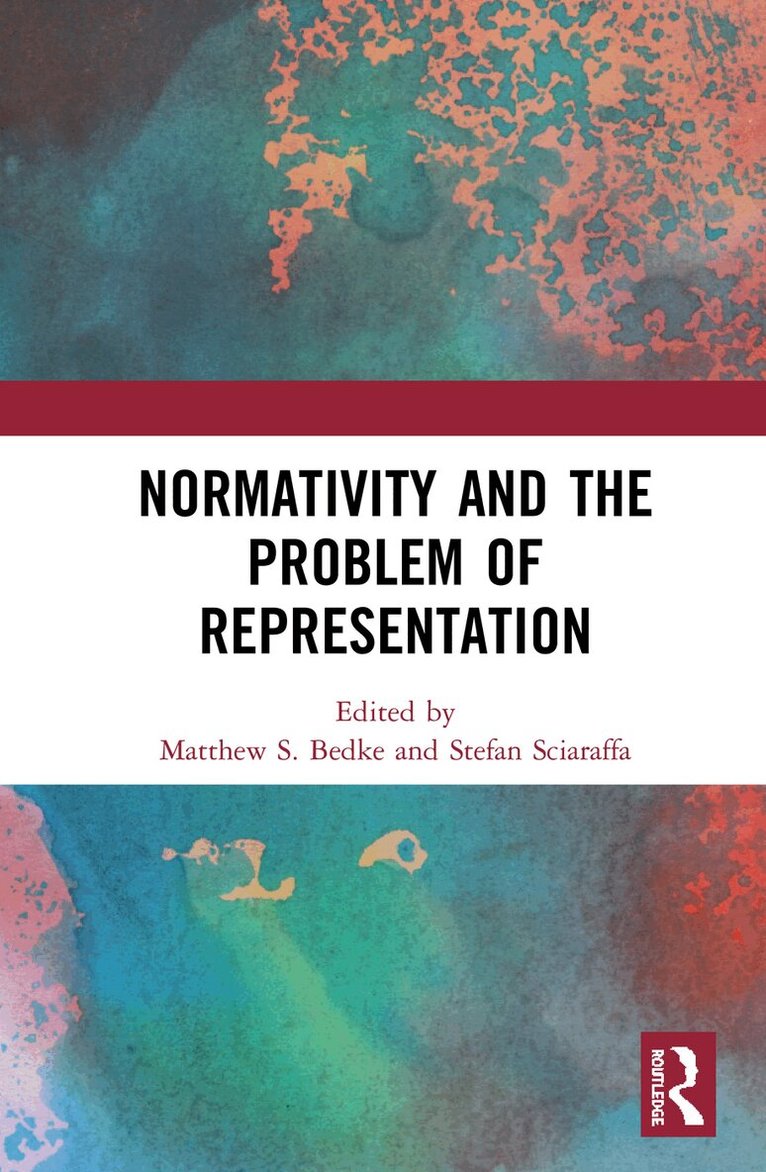
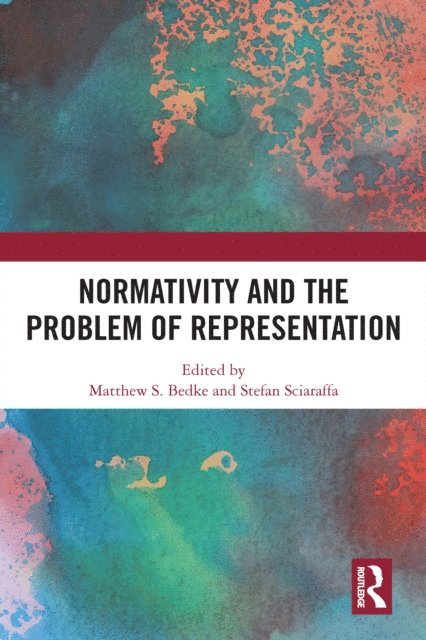
Normativity and the Problem of Representation
Av Matthew S. Bedke, Stefan Sciaraffa
Inbunden, 2019
2513 kr
Lägg i varukorg
This book tackles questions which revolve around the representational purport (or lack thereof) of evaluative and normative claims.Claims about what we ought to do, what is best, what is justified, or simply what counts as a good reason for action—in other words, evaluative or normative claims—are …
Normativity and the Problem of Representation
Av Stefan Sciaraffa, Matthew S. Bedke
E-bok, 2020
814 kr
Lägg i varukorg
This book tackles questions which revolve around the representational purport (or lack thereof) of evaluative and normative claims. Claims about what we ought to do, what is best, what is justified, or simply what counts as a good reason for action—in other words, evaluative or normative …
Normativity and the Problem of Representation
Av Stefan Sciaraffa, Matthew S. Bedke
E-bok, 2020
814 kr
Lägg i varukorg
This book tackles questions which revolve around the representational purport (or lack thereof) of evaluative and normative claims. Claims about what we ought to do, what is best, what is justified, or simply what counts as a good reason for action—in other words, evaluative or normative …
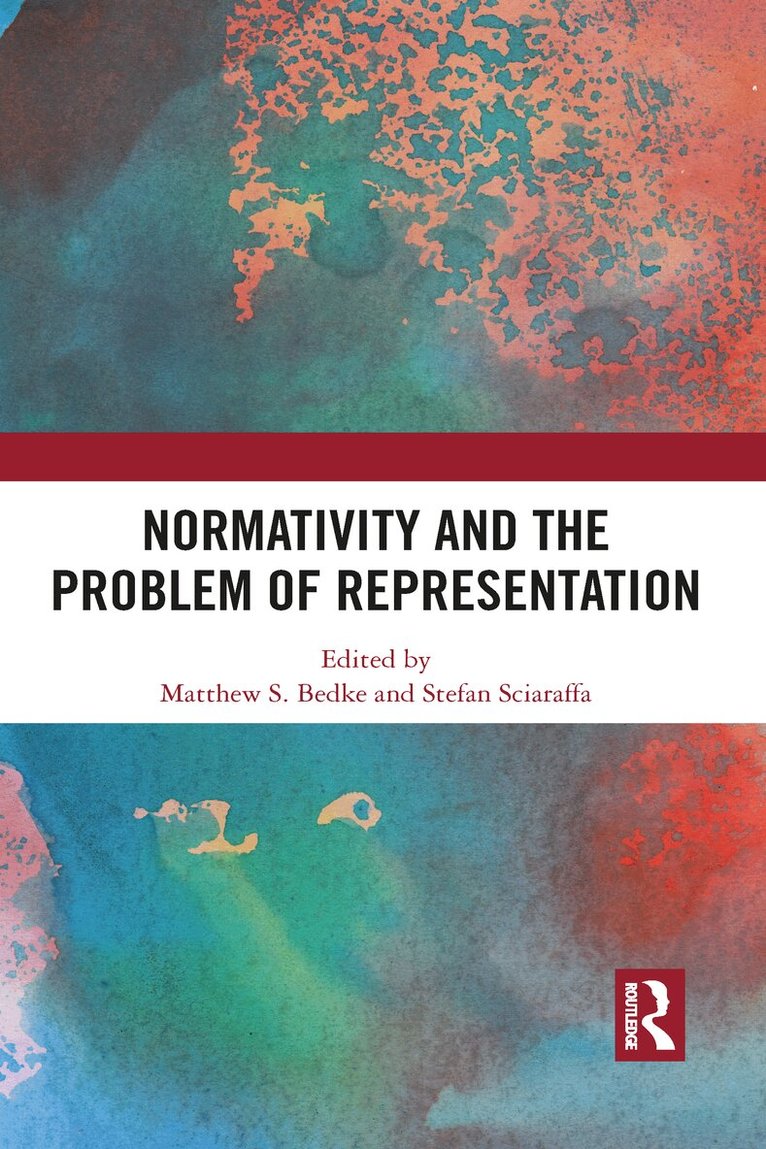
Normativity and the Problem of Representation
Av Matthew S. Bedke, Stefan Sciaraffa
Häftad, 2021
692 kr
Lägg i varukorg
This book tackles questions which revolve around the representational purport (or lack thereof) of evaluative and normative claims.Claims about what we ought to do, what is best, what is justified, or simply what counts as a good reason for action—in other words, evaluative or normative claims—are …