Stefan Trinks – författare
Visar alla böcker från författaren Stefan Trinks. Handla med fri frakt och snabb leverans.
8 produkter
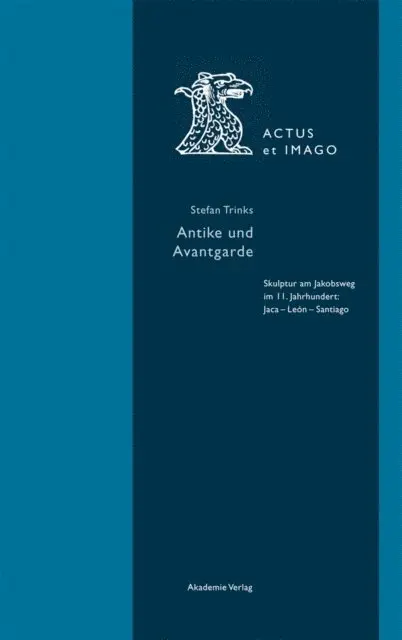
Antike und Avantgarde
Skulptur am Jakobsweg im 11. Jahrhundert: Jaca - León - Santiago
E-bok, 2013
1001 kr
Lägg i varukorg
Angesichts des alle Konventionen sprengenden Antikengehaltes der Skulptur der drei Pilgerwegskirchen in Jaca, Léon und Santiago scheint sich die Antike in Nordspanien bis in das elfte Jahrhundert kontinuierlich fortgesetzt zu haben. Voraussetzung für diese Bildsprache war die enorme künstlerische …
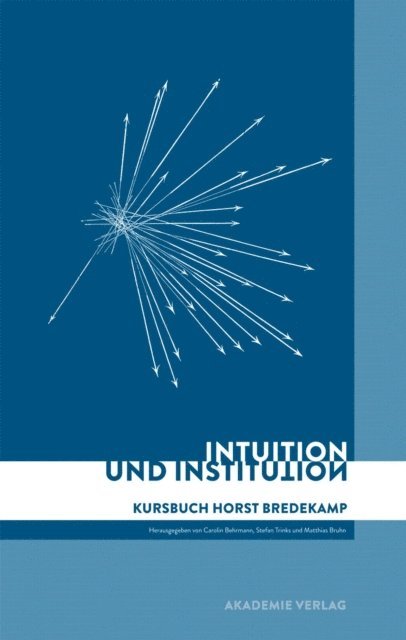
Intuition und Institution
Kursbuch Horst Bredekamp
Av Stefan Trinks, Matthias Bruhn m. fl.
E-bok, 2014
1710 kr
Lägg i varukorg
Als einer der prominentesten Vertreter seines Faches hat Horst Bredekamp nicht nur die Kunst- und Bildgeschichte tiefgehend geprägt, sondern auch in Kultur und Politik gewirkt. Dabei hat er es geschafft, belastbare Brücken zwischen diesen oft weit auseinander liegenden Bereichen zu schlagen. Ein …
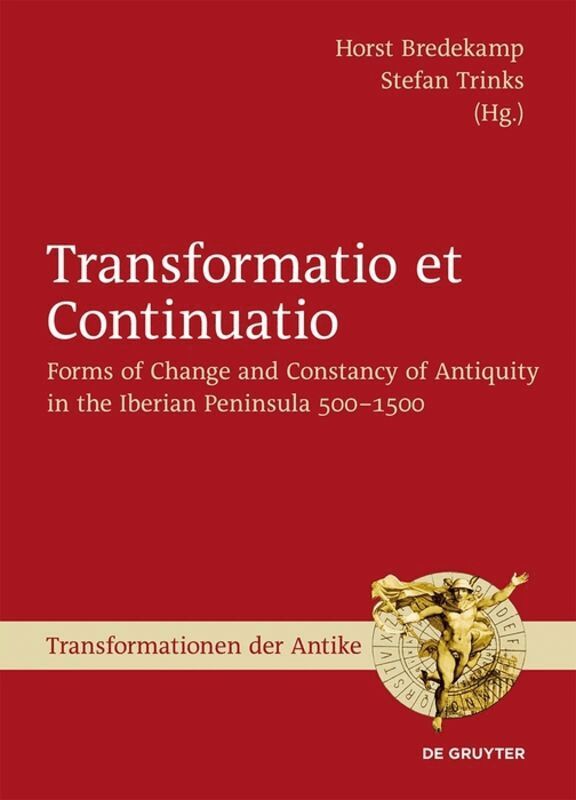
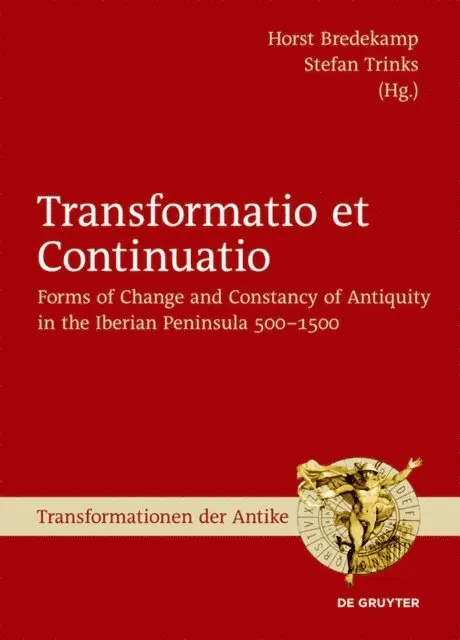
Transformatio et Continuatio
Forms of Change and Constancy of Antiquity in the Iberian Peninsula 500-1500
Av Horst Bredekamp, Stefan Trinks
Inbunden, 2017
1569 kr
Lägg i varukorg
"Medieval thinkers were convinced that they themselves were still citizens of the empire, which had been founded by Augustus." This book is devoted to substantiate this claim of William Heckscher. It does so by tracing Antiquity’s afterlife in various genres on the Iberian Peninsula. The book is a …
Transformatio et Continuatio
Forms of Change and Constancy of Antiquity in the Iberian Peninsula 500-1500
Av Stefan Trinks, Horst Bredekamp
E-bok, 2017
1491 kr
Lägg i varukorg
"Medieval thinkers were convinced that they themselves were still citizens of the empire, which had been founded by Augustus." This book is devoted to substantiate this claim of William Heckscher. It does so by tracing Antiquity’s afterlife in various genres on the Iberian Peninsula. The book is a …
Transformatio et Continuatio
Forms of Change and Constancy of Antiquity in the Iberian Peninsula 500-1500
Av Stefan Trinks, Horst Bredekamp
E-bok, 2017
1459 kr
Lägg i varukorg
"Medieval thinkers were convinced that they themselves were still citizens of the empire, which had been founded by Augustus." This book is devoted to substantiate this claim of William Heckscher. It does so by tracing Antiquity’s afterlife in various genres on the Iberian Peninsula. The book is a …
Antike und Avantgarde
Skulptur am Jakobsweg im 11. Jahrhundert: Jaca - León - Santiago
Inbunden, 2012
1034 kr
Tillfälligt slut
Angesichts des alle Konventionen sprengenden Antikengehaltes der Skulptur der drei Pilgerwegskirchen in Jaca, Léon und Santiago scheint sich die Antike in Nordspanien bis in das elfte Jahrhundert kontinuierlich fortgesetzt zu haben. Voraussetzung für diese Bildsprache war die enorme künstlerische …
Intuition Und Institution
Kursbuch Horst Bredekamp
Av Carolin Behrmann, Matthias Bruhn m. fl.
Inbunden, 2013
1738 kr
Tillfälligt slut
Als einer der prominentesten Vertreter seines Faches hat Horst Bredekamp nicht nur die Kunst- und Bildgeschichte tiefgehend geprägt, sondern auch in Kultur und Politik gewirkt. Dabei hat er es geschafft, belastbare Brücken zwischen diesen oft weit auseinander liegenden Bereichen zu schlagen. Ein …