Stefano Boriani – författare
Visar alla böcker från författaren . Handla med fri frakt och snabb leverans.
5 produkter
5 produkter
Inbunden, Engelska, 2017
2 001 kr
Skickas inom 10-15 vardagar
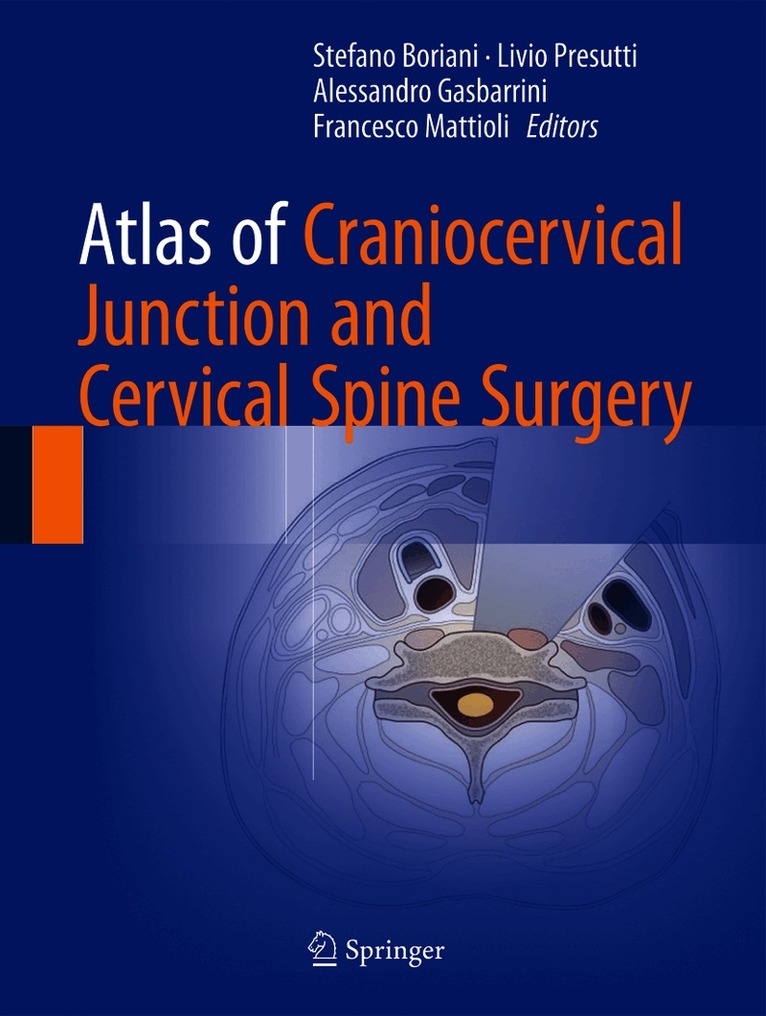
This atlas documents current surgical approaches to the craniocervical junction and the cervical spine, providing step-by-step guidance on procedures and cervical spine stabilization techniques. Opening chapters present essential information on anatomy, depict pathologies with the aid of illustrative cases, describe the role of imaging techniques in patient evaluation, and discuss surgical instrumentation and patient positioning. The different techniques employed in this delicate anatomic region, including transnasal and transoral endoscopic approaches to the craniocervical junction and posterior and anterior approaches to the cervical spine, are then explained and illustrated with a view to providing the surgeon with a clear reference that can be used in the operating room. In addition, practical advice is offered on the treatment of potential complications, postoperative management, and rehabilitation. This book will be of value not only to neurosurgeons but also to orthopedists, ENTsurgeons, neurologists, and physiatrists.
E-bok
Engelska, 20171 785 kr
Läs direkt efter köp
This atlas documents current surgical approaches to the craniocervical junction and the cervical spine, providing step-by-step guidance on procedures and cervical spine stabilization techniques. Opening chapters present essential information on anatomy, depict pathologies with the aid of illustrative cases, describe the role of imaging techniques in patient evaluation, and discuss surgical instrumentation and patient positioning. The different techniques employed in this delicate anatomic region, including transnasal and transoral endoscopic approaches to the craniocervical junction and posterior and anterior approaches to the cervical spine, are then explained and illustrated with a view to providing the surgeon with a clear reference that can be used in the operating room. In addition, practical advice is offered on the treatment of potential complications, postoperative management, and rehabilitation. This book will be of value not only to neurosurgeons but also to orthopedists, ENTsurgeons, neurologists, and physiatrists.
Häftad, Engelska, 2018
1 447 kr
Skickas inom 10-15 vardagar
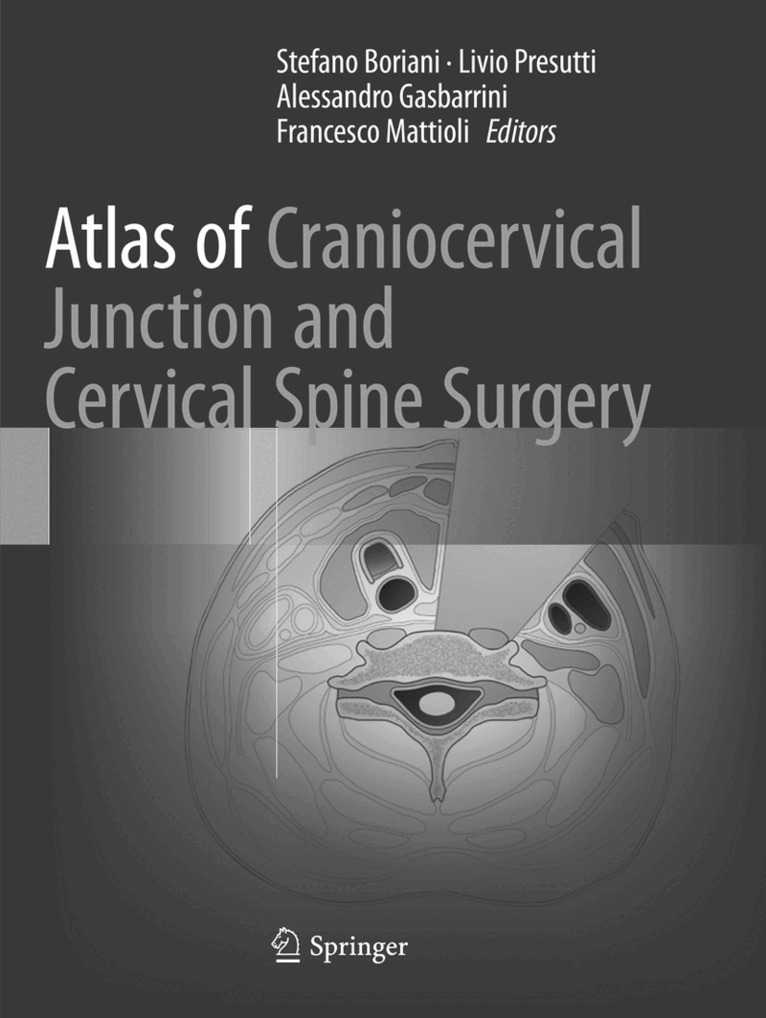
This atlas documents current surgical approaches to the craniocervical junction and the cervical spine, providing step-by-step guidance on procedures and cervical spine stabilization techniques. Opening chapters present essential information on anatomy, depict pathologies with the aid of illustrative cases, describe the role of imaging techniques in patient evaluation, and discuss surgical instrumentation and patient positioning. The different techniques employed in this delicate anatomic region, including transnasal and transoral endoscopic approaches to the craniocervical junction and posterior and anterior approaches to the cervical spine, are then explained and illustrated with a view to providing the surgeon with a clear reference that can be used in the operating room. In addition, practical advice is offered on the treatment of potential complications, postoperative management, and rehabilitation. This book will be of value not only to neurosurgeons but also to orthopedists, ENTsurgeons, neurologists, and physiatrists.
E-bok
PDF, Engelska, 20121 459 kr
Läs direkt efter köp
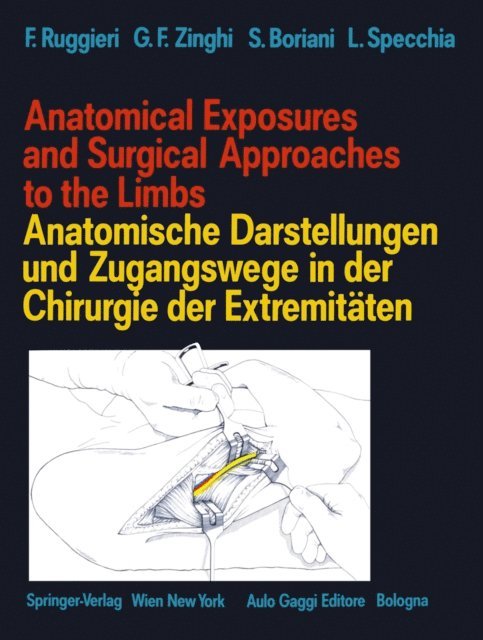
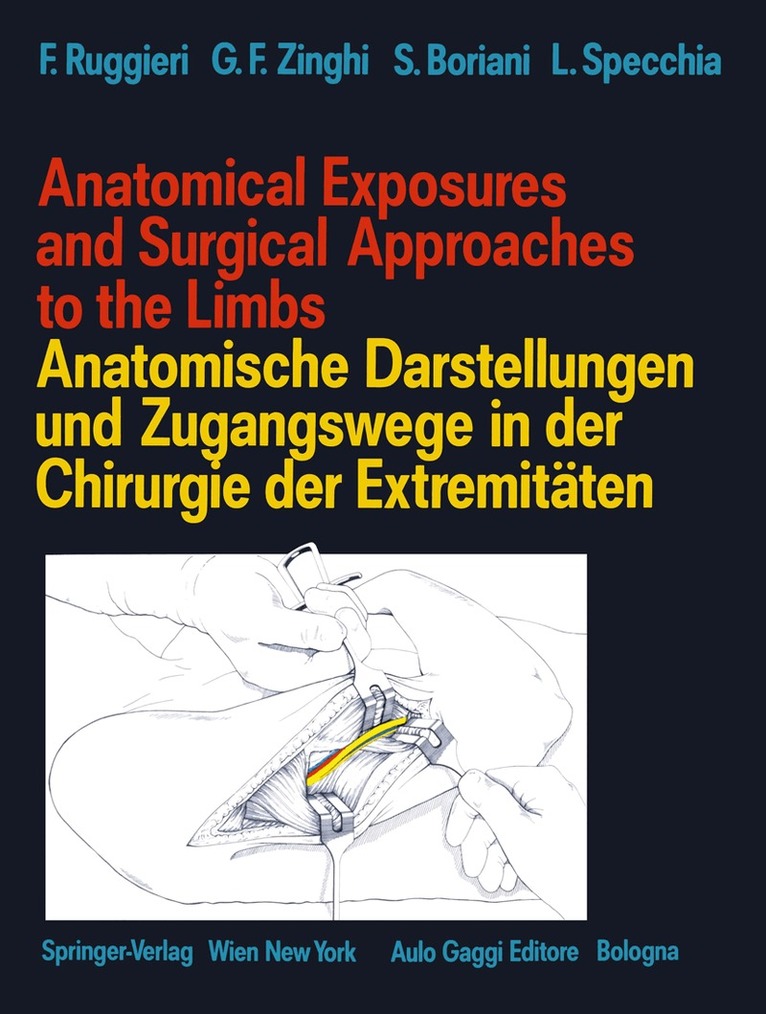
Our decision to dedicate several years to the writing of this Atlas was based on the professional acknowledgement of negative surgical results due to incorrect or incomplete approaches to the bones or joints requiring treatment. We are convinced that in order to obtain the best possible anatomic and functional results in surgery of the locomotor apparatus, it is necessary to obey several rules of behaviour con stituting the basis for correct surgical execution: a) to respect the anatomy of the muscular and neural formations; b) to safeguard the vascularization of these anatomical elements and consequently of the osteoarticular apparatus; c) to use the most appropriate surgical approaches fully respecting the regional anatomy and the least traumatic exposure of the skeleton; d) to correctly perform surgery, thus creating the best conditions for the excel lent recovery of the function of the limb. The anatomic findings and surgical approaches to the extremities described here are not complete: we have based our selection of the former on their frequency in the normal surgical activity of any specialised ward, and the latter on the surgi cal approaches most commonly used by the 3rd Division of the Rizzoli Orthopaedic Institute. Wide surgical approaches for the surgical treatment of bone tumors have been excluded as they deal with specific «compartmental» methods which do not involve the anatomic rules to be followed in the normal treatment of orthopaedic and trau matologic affections of the extremities.
Häftad, Engelska, 2011
1 115 kr
Skickas inom 10-15 vardagar
Our decision to dedicate several years to the writing of this Atlas was based on the professional acknowledgement of negative surgical results due to incorrect or incomplete approaches to the bones or joints requiring treatment. We are convinced that in order to obtain the best possible anatomic and functional results in surgery of the locomotor apparatus, it is necessary to obey several rules of behaviour con stituting the basis for correct surgical execution: a) to respect the anatomy of the muscular and neural formations; b) to safeguard the vascularization of these anatomical elements and consequently of the osteoarticular apparatus; c) to use the most appropriate surgical approaches fully respecting the regional anatomy and the least traumatic exposure of the skeleton; d) to correctly perform surgery, thus creating the best conditions for the excel lent recovery of the function of the limb. The anatomic findings and surgical approaches to the extremities described here are not complete: we have based our selection of the former on their frequency in the normal surgical activity of any specialised ward, and the latter on the surgi cal approaches most commonly used by the 3rd Division of the Rizzoli Orthopaedic Institute. Wide surgical approaches for the surgical treatment of bone tumors have been excluded as they deal with specific «compartmental» methods which do not involve the anatomic rules to be followed in the normal treatment of orthopaedic and trau matologic affections of the extremities.