Stefano Campana – författare
Visar alla böcker från författaren Stefano Campana. Handla med fri frakt och snabb leverans.
12 produkter
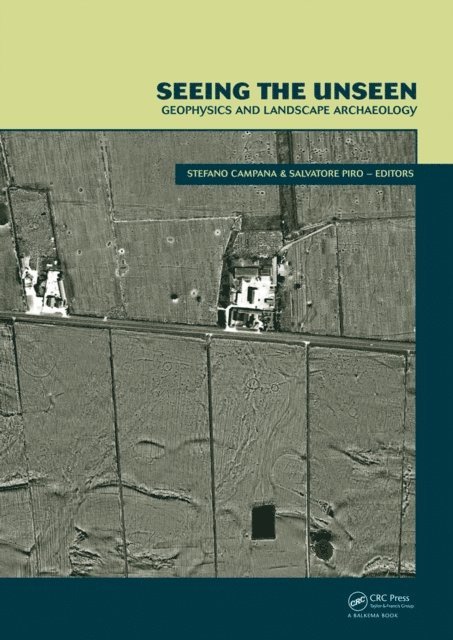
Seeing the Unseen. Geophysics and Landscape Archaeology
Av Salvatore Piro, Stefano Campana
E-bok, 2008
1302 kr
Lägg i varukorg
SEEING THE UNSEEN. GEOPHYSICS AND LANDSCAPE ARCHAEOLOGY is a collection of papers presented at the advanced XV International Summer School in ArchaeologyGeophysics for Landscape Archaeology (Grosseto, Italy, 10-18 July 2006). Bringing together the experience of some of the worlds greatest experts …
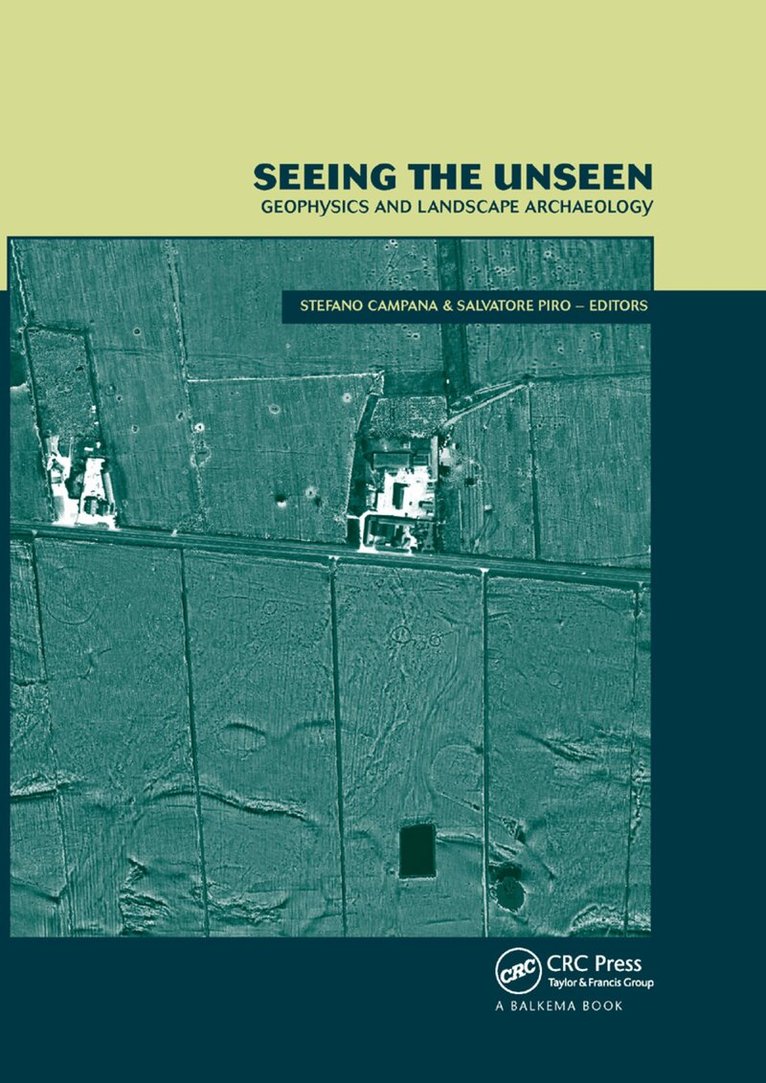
Seeing the Unseen. Geophysics and Landscape Archaeology
Av Stefano Campana, Salvatore Piro
Häftad, 2019
1098 kr
Lägg i varukorg
SEEING THE UNSEEN. GEOPHYSICS AND LANDSCAPE ARCHAEOLOGY is a collection of papers presented at the advanced XV International Summer School in Archaeology ‘Geophysics for Landscape Archaeology’ (Grosseto, Italy, 10-18 July 2006). Bringing together the experience of some of the world’s greatest …
Seeing the Unseen. Geophysics and Landscape Archaeology
Av Stefano Campana, Salvatore Piro
Inbunden, 2008
2586 kr
Lägg i varukorg
SEEING THE UNSEEN. GEOPHYSICS AND LANDSCAPE ARCHAEOLOGY is a collection of papers presented at the advanced XV International Summer School in Archaeology ‘Geophysics for Landscape Archaeology’ (Grosseto, Italy, 10-18 July 2006). Bringing together the experience of some of the world’s greatest …
Seeing the Unseen. Geophysics and Landscape Archaeology
Av Salvatore Piro, Stefano Campana
E-bok, 2008
1274 kr
Lägg i varukorg
SEEING THE UNSEEN. GEOPHYSICS AND LANDSCAPE ARCHAEOLOGY is a collection of papers presented at the advanced XV International Summer School in ArchaeologyGeophysics for Landscape Archaeology (Grosseto, Italy, 10-18 July 2006). Bringing together the experience of some of the worlds greatest experts …
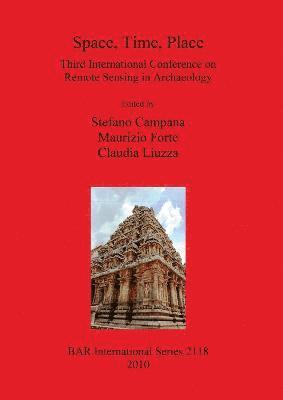
Space Time Place Third International Conference on Remote Sensing in Archaeology 17th-21st August 2009 Tiruchirappalli Tamil Nadu India
Third International Conference on Remote Sensing in Archaeology, 17th-21st August 2009, Tiruchirappalli, Tamil Nadu, India
Av Stefano Campana, Maurizio Forte m. fl.
Häftad, 2010
1945 kr
Lägg i varukorg
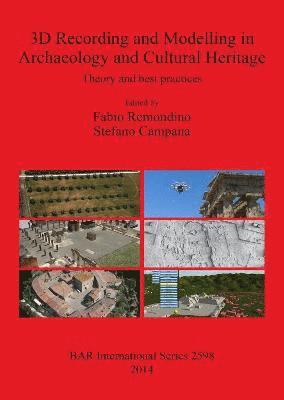
3D Recording and Modelling in Archaeology and Cultural Heritage Theory and best practices
Theory and best practices
Av Stefano Campana, Fabio Remondino
Häftad, 2014
399 kr
Lägg i varukorg
CAA2015. Keep The Revolution Going
Proceedings of the 43rd Annual Conference on Computer Applications and Quantitative Methods in Archaeology
Av Stefano Campana, Roberto Scopigno m. fl.
Häftad, 2016
2037 kr
Lägg i varukorg
This volume brings together all the successful peer-reviewed papers submitted for the proceedings of the 43rd conference on Computer Applications and Quantitative Methods in Archaeology that took place in Siena (Italy) from March 31st to April 2nd 2015.Altogether, within the four days of the …
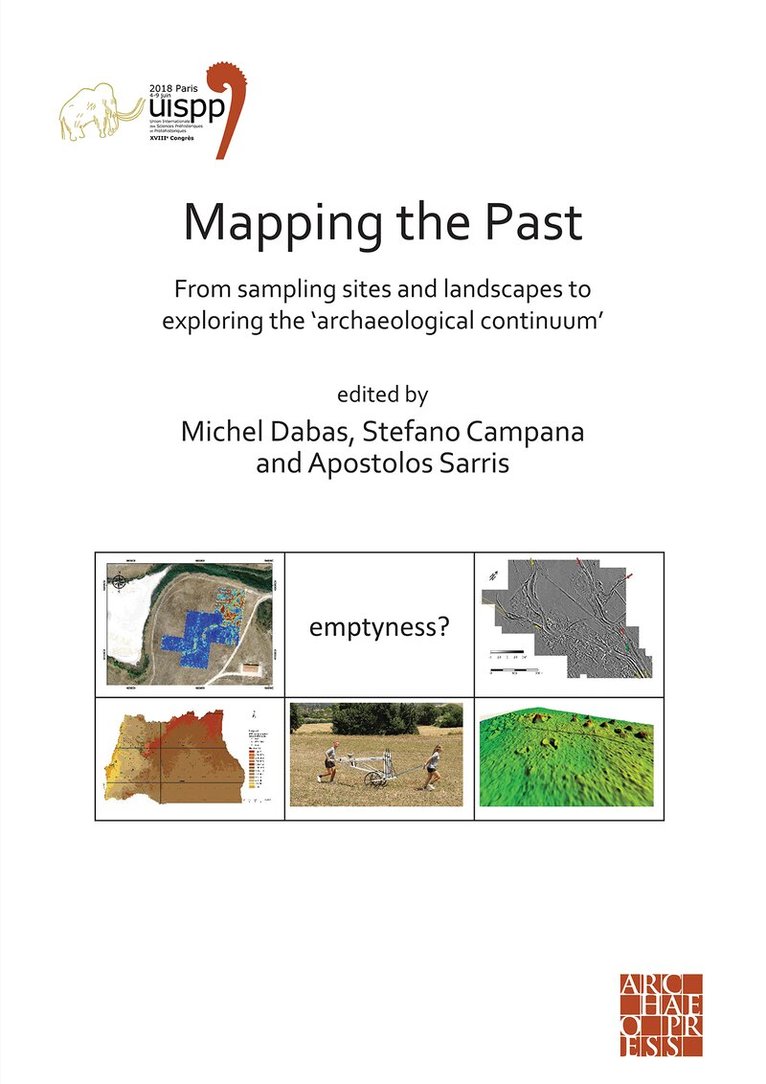
Mapping the Past: From Sampling Sites and Landscapes to Exploring the ‘Archaeological Continuum’
Proceedings of the XVIII UISPP World Congress (4-9 June 2018, Paris, France) Volume 8, Session VIII-1
Av Michel Dabas, Stefano Campana m. fl.
Häftad, 2020
377 kr
Lägg i varukorg
Session VIII-1 of UISPP 2018 in Paris ‘Mapping the Past’ brought together several contributions reflecting on the need to develop sustainable and reliable approaches to mapping our landscape heritage. The session was guided by the crucial concept termed the ‘archaeological continuum’. This concept …
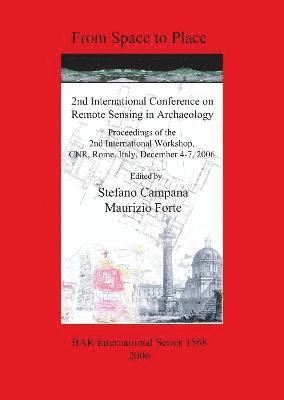
From Space to Place: 2nd International Conference on Remote Sensing in Archaeology. Proceedings of the 2nd International Workshop CNR Rome Italy Decem
Proceedings of the 2nd International Workshop, CNR, Rome, Italy, December 4-7, 2006
Av Stefano Campana, Maurizio Forte
Häftad, 2006
2103 kr
Lägg i varukorg
Digital Methods and Remote Sensing in Archaeology
Archaeology in the Age of Sensing
Av Maurizio Forte, Stefano Campana
Inbunden, 2017
1748 kr
Lägg i varukorg
This volume debuts the new scope of Remote Sensing, which was first defined as the analysis of data collected by sensors that were not in physical contact with the objects under investigation (using cameras, scanners, and radar systems operating from spaceborne or airborne platforms). A wider …
Digital Methods and Remote Sensing in Archaeology
Archaeology in the Age of Sensing
Av Stefano Campana, Maurizio Forte
E-bok, 2017
1670 kr
Lägg i varukorg
This volume debuts the new scope of Remote Sensing, which was first defined as the analysis of data collected by sensors that were not in physical contact with the objects under investigation (using cameras, scanners, and radar systems operating from spaceborne or airborne platforms). A wider …
Digital Methods and Remote Sensing in Archaeology
Archaeology in the Age of Sensing
Av Maurizio Forte, Stefano Campana
Häftad, 2018
1296 kr
Lägg i varukorg
This volume debuts the new scope of Remote Sensing, which was first defined as the analysis of data collected by sensors that were not in physical contact with the objects under investigation (using cameras, scanners, and radar systems operating from spaceborne or airborne platforms). A wider …