Stephan M. Funk – författare
Visar alla böcker från författaren Stephan M. Funk. Handla med fri frakt och snabb leverans.
8 produkter
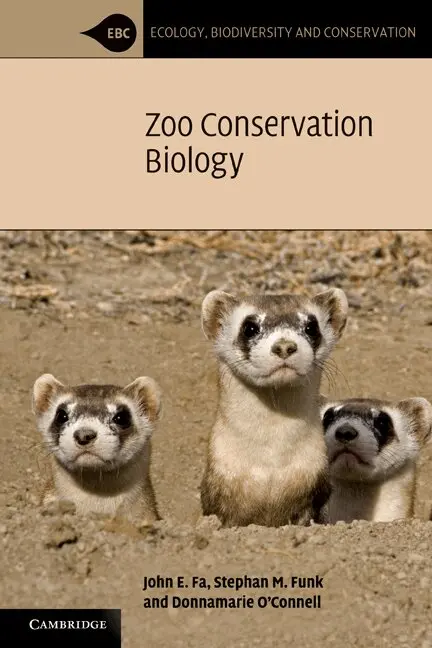
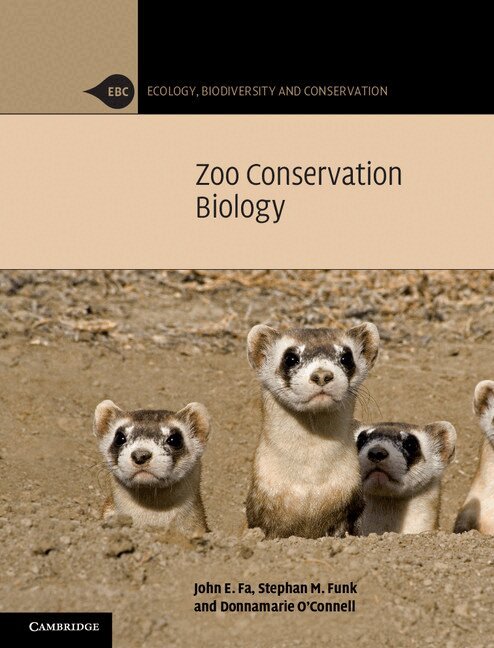
Zoo Conservation Biology
Av John E. Fa, Stephan M. Funk m. fl.
Häftad, 2011
924 kr
Lägg i varukorg
In the face of ever-declining biodiversity, zoos have a major role to play in species conservation. Written by professionals involved in in situ conservation and restoration projects internationally, this is a critical assessment of the contribution of zoos to species conservation through evidence …
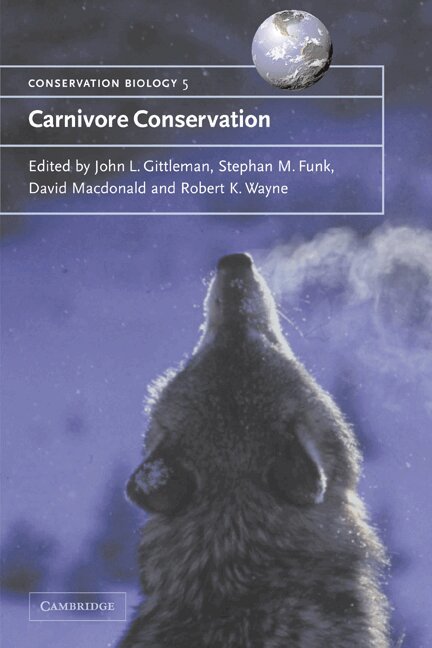
Carnivore Conservation
Av John L. Gittleman, Stephan M. Funk m. fl.
Inbunden, 2001
2866 kr
Lägg i varukorg
Carnivores are the focus of intense attention and resources in conservation biology. It is often argued that, because carnivores are at the top of the food chain, if they are protected, then other taxa will also be afforded adequate protection. Carnivores are also charismatic and compete with …
Carnivore Conservation
Av John L. Gittleman, Stephan M. Funk m. fl.
Häftad, 2001
1384 kr
Lägg i varukorg
Carnivores are the focus of intense attention and resources in conservation biology. It is often argued that, because carnivores are at the top of the food chain, if they are protected, then other taxa will also be afforded adequate protection. Carnivores are also charismatic and compete with …
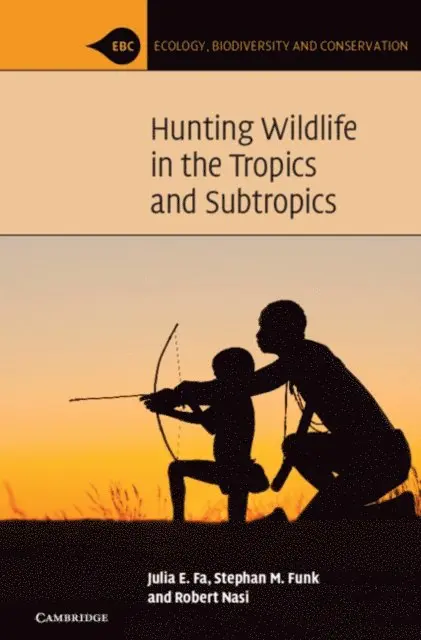
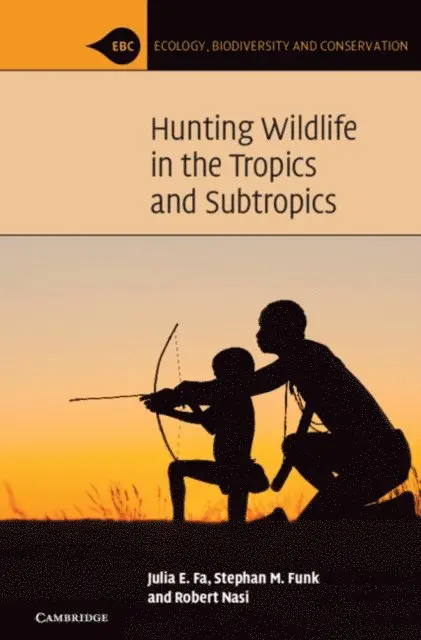
Hunting Wildlife in the Tropics and Subtropics
Av Robert Nasi, Stephan M. Funk m. fl.
E-bok, 2022
717 kr
Lägg i varukorg
The hunting of wild animals for their meat has been a crucial activity in the evolution of humans. It continues to be an essential source of food and a generator of income for millions of Indigenous and rural communities worldwide. Conservationists rightly fear that excessive hunting of many animal …
Hunting Wildlife in the Tropics and Subtropics
Av Robert Nasi, Stephan M. Funk m. fl.
E-bok, 2022
717 kr
Lägg i varukorg
The hunting of wild animals for their meat has been a crucial activity in the evolution of humans. It continues to be an essential source of food and a generator of income for millions of Indigenous and rural communities worldwide. Conservationists rightly fear that excessive hunting of many animal …
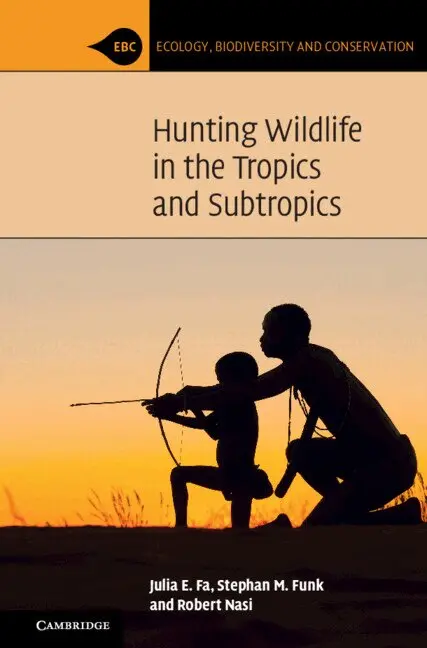
Hunting Wildlife in the Tropics and Subtropics
Av Julia E. Fa, Stephan M. Funk m. fl.
Inbunden, 2022
1466 kr
Lägg i varukorg
The hunting of wild animals for their meat has been a crucial activity in the evolution of humans. It continues to be an essential source of food and a generator of income for millions of Indigenous and rural communities worldwide. Conservationists rightly fear that excessive hunting of many animal …
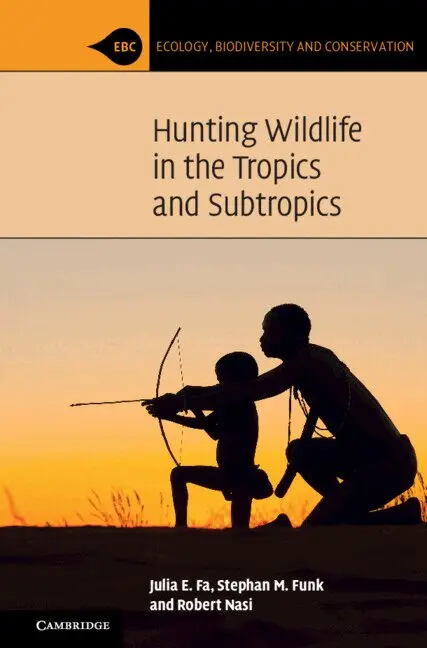
Hunting Wildlife in the Tropics and Subtropics
Av Julia E. Fa, Stephan M. Funk m. fl.
Häftad, 2022
673 kr
Lägg i varukorg
The hunting of wild animals for their meat has been a crucial activity in the evolution of humans. It continues to be an essential source of food and a generator of income for millions of Indigenous and rural communities worldwide. Conservationists rightly fear that excessive hunting of many animal …
Zoo Conservation Biology
Av John E. Fa, Stephan M. Funk m. fl.
Inbunden, 2011
1780 kr
Tillfälligt slut
In the face of ever-declining biodiversity, zoos have a major role to play in species conservation. Written by professionals involved in in situ conservation and restoration projects internationally, this is a critical assessment of the contribution of zoos to species conservation through evidence …