Stephan Sigrist – författare
Visar alla böcker från författaren Stephan Sigrist. Handla med fri frakt och snabb leverans.
11 produkter
11 produkter
Inbunden, Engelska, 2023
298 kr
Skickas inom 5-8 vardagar
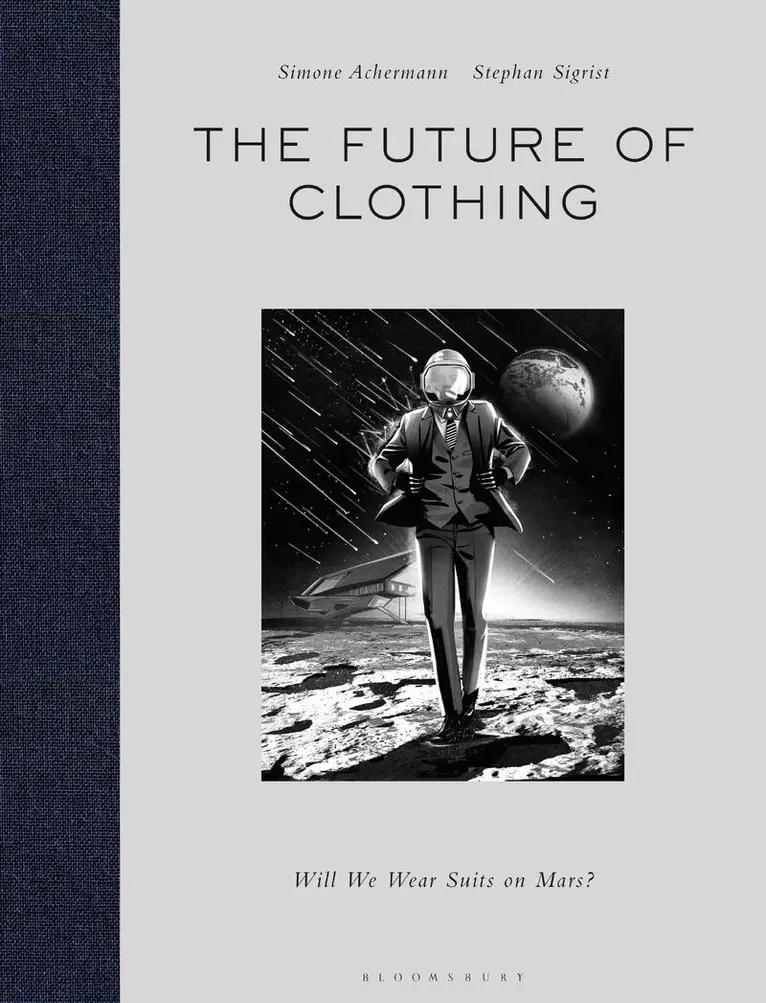
Disappearing dress codes, customers as designers and wearable technology; in recent years the production and function of clothing has undergone massive change. New manufacturing technologies have brought bespoke design within reach of many consumers for the first time. Miniature sensors can turn ordinary garments into smart devices. And blurring gender roles and class distinctions point the way towards a more fluid approach to clothing, fashion and design. The Future of Clothing offers a critical introduction to these developments from an interdisciplinary perspective, engaging with their implications for the clothing industry and related fields. You'll learn how mass-personalization impacts the luxury market, the effects of automation on craftsmanship and how AI design may affect individual style choices.Contributors include fashion historian, author and broadcaster Amber Butchart, adventurer, ecologist and head of the Sculpt the Future Foundation David de Rothschild, and best-selling author Yuval Noah Harari. There are also 8 exclusive illustrations by Salvador Dali, depicting the surrealist master’s extraordinary vision of how fine-tailored clothing might evolve in the 21st century. Together they form a truly unique guide to the future of this most creative industry.
E-bok
Engelska, 2023316 kr
Läs direkt efter köp
Disappearing dress codes, customers as designers and wearable technology; in recent years the production and function of clothing has undergone massive change. New manufacturing technologies have brought bespoke design within reach of many consumers for the first time. Miniature sensors can turn ordinary garments into smart devices. And blurring gender roles and class distinctions point the way towards a more fluid approach to clothing, fashion and design. The Future of Clothing offers a critical introduction to these developments from an interdisciplinary perspective, engaging with their implications for the clothing industry and related fields. You''ll learn how mass-personalization impacts the luxury market, the effects of automation on craftsmanship and how AI design may affect individual style choices.Contributors include fashion historian, author and broadcaster Amber Butchart, adventurer, ecologist and head of the Sculpt the Future Foundation David de Rothschild, and best-selling author Yuval Noah Harari. There are also 8 exclusive illustrations by Salvador Dali, depicting the surrealist master''s extraordinary vision of how fine-tailored clothing might evolve in the 21st century. Together they form a truly unique guide to the future of this most creative industry.
E-bok
PDF, Engelska, 2023316 kr
Läs direkt efter köp
Disappearing dress codes, customers as designers and wearable technology; in recent years the production and function of clothing has undergone massive change. New manufacturing technologies have brought bespoke design within reach of many consumers for the first time. Miniature sensors can turn ordinary garments into smart devices. And blurring gender roles and class distinctions point the way towards a more fluid approach to clothing, fashion and design. The Future of Clothing offers a critical introduction to these developments from an interdisciplinary perspective, engaging with their implications for the clothing industry and related fields. You''ll learn how mass-personalization impacts the luxury market, the effects of automation on craftsmanship and how AI design may affect individual style choices.Contributors include fashion historian, author and broadcaster Amber Butchart, adventurer, ecologist and head of the Sculpt the Future Foundation David de Rothschild, and best-selling author Yuval Noah Harari. There are also 8 exclusive illustrations by Salvador Dali, depicting the surrealist master''s extraordinary vision of how fine-tailored clothing might evolve in the 21st century. Together they form a truly unique guide to the future of this most creative industry.
Inbunden, Engelska, 2013
645 kr
Skickas inom 5-8 vardagar
Optogenetics combines genetic engineering with optics to observe and control the function of cells using light, with clinical implications for restoration of vision and treatment of neurological diseases. As a new discipline much of the basic science and methods are currently under investigation and active development, thus there is a strong need for introductory literature in this field. This graduate level textbook provides an overview of the field of optogenetics in 5 concise chapters: Optogenetic tools, Applications in cellular systems, Mapping neuronal networks, Clinical applications and Restoration of vision and hearing. The concept and content was developed with top international researchers and students at a prestigious Dahlem Conference workshop.
E-bok
PDF, Engelska, 2013750 kr
Läs direkt efter köp
Optogenetics combines genetic engineering with optics to observe and control the function of cells using light, with clinical implications for restoration of vision and treatment of neurological diseases. As a new discipline much of the basic science and methods are currently under investigation and active development, thus there is a strong need for introductory literature in this field. This graduate level textbook provides an overview of the field of optogenetics in 5 concise chapters: Optogenetic tools, Applications in cellular systems, Mapping neuronal networks, Clinical applications and Restoration of vision and hearing. The concept and content was developed with top international researchers and students at a prestigious Dahlem Conference workshop.
E-bok
PDF, Tyska, 2021287 kr
Läs direkt efter köp
Sport hat den Menschen seit jeher durch spielerischen Wettbewerb auf die Herausforderungen des Lebens vorbereitet. Aktuell ist der Sportsektor jedoch von beispiellosen Veränderungen geprägt: Steigende Gesundheitskosten, technologische Disruptionen und der Klimawandel stellen existenzielle Risiken für Gesellschaft, Wirtschaft und Umwelt dar. Kann Sport dazu beitragen, einige der grössten Probleme unserer Zeit zu bewältigen?Wahrscheinlich ja — denn auch die Welt des Sports befindet sich an einem Wendepunkt: Algorithmen entscheiden auf und neben dem Spielfeld. Die Machtverschiebung nach Asien wird die Organisation, Finanzierung und Ausübung von Sport fundamental verändern. Und Athleten werden zunehmend virtuelle Plattformen nutzen, um selbstbestimmter denn je zu agieren. Die Publikation Brave New Sport zeigt auf, dass die nächste Generation des Sports das Potenzial hat, den Weg in die Zukunft vorzuzeichnen. Dabei geht es nicht nur um die Integration des Sports in die öffentliche Infrastruktur oder die Sensibilisierung des Publikums für Nachhaltigkeit, sondern auch um ein verändertes Verständnis darüber, wie Maschinen und Menschen künftig interagieren — das heisst wie Sport die Gesellschaft im 21. Jahrhundert voranbringen wird.
E-bok
PDF, Engelska, 2021290 kr
Läs direkt efter köp
Sport has always prepared people for their life challenges through playful competition. Today, the sports landscape is embedded in a context of unprecedented change: rising health care costs, techno logical disruptions, and climate change pose existential risks for society, economy, and environment. Can sport empower humanity to tackle some of the biggest issues of our time?The answer might be yes – because the world of sports is also at a tipping point. Algorithms will replace human decision-making processes both on center stage and behind the scenes. The rise of Asia will reshape how sports are organized, financed, and performed. And athletes will increasingly use virtual platforms to act more independently than ever.Brave New Sport indicates that the next generation of participation and spectator sports has the transformative potential to lead the way into the future. This involves not only integrating sport into the public infrastructure or sensitizing audiences for sustainability, but also redefining how humans interact with autonomous machines – in the bigger picture of how sport will empower 21st century society.
275 kr
Läs direkt efter köp
Der medizinische Fortschritt und mehr Wohlstand haben dazu beigetragen, dass wir nicht nur länger leben, sondern auch länger gesund bleiben. Doch nun zeigen sich die Schattenseiten der immer höheren Convenience: Die nächste Pandemie wird durch lebensstilbedingte Krankheiten geprägt sein und sich – anders als das Coronavirus – langsam und ohne grosse mediale Aufmerksamkeit verbreitet. Eine wachsende Zahl von Kreislauf-Krankheiten, Diabetes Typ 2 oder Krebs als Folge des modernen Lebensstils mit weniger Bewegung und mehr Fast Food, mehr psychischen Krankheiten durch Leistungsdruck, Einsamkeit und die Abhängigkeit von digitalen Hilfsmitteln sind Teil der neuen Normalität. Betroffen sind nicht nur ältere, sondern immer mehr junge Menschen.Diese «langsamen Pandemien» entstehen im Alltag und lassen sich nicht durch einen Spitalaufenthalt oder ein Medikament behandeln. Sie erfordern ein neues Gesundheitssystem, das den Alltag in den Mittelpunkt rückt – und den Einbezug aller öffentlichen und privaten Akteure, die unsere Umwelt und unser Verhalten prägen. Der Fokus auf einen gesunden Lebensstil eröffnet dabei neue Märkte für Prävention – aber nur mit einer neuen Verantwortung gegenüber der Gesellschaft, der Zusammenarbeit aller Akteure in einem datenbasierten Gesundheitssystem und der Neudefinition von Lebensqualität.
E-bok
Engelska, 2022275 kr
Läs direkt efter köp
Medical progress and greater prosperity have helped us to not only live longer, but also to stay healthy longer. However, the downsides of ever greater convenience are now becoming apparent: the next pandemic will be characterised by lifestyle-related diseases and – unlike the coronavirus – will spread slowly and without much media attention. A growing number of circulatory diseases, type 2 diabetes and cancer are part of the new normal, resulting from a modern lifestyle with less exercise and more fast food. An increasing number of mental illnesses due to pressure to perform, loneliness and dependence on digital aids have become part of our daily life. Not only older people are affected but more and more young people also suffer from these symptoms.These "slow pandemics" arise in everyday life and cannot be treated by a hospital stay or a drug. They require a new healthcare system that focuses on daily life – and the involvement of all public and private actors who shape our environment and behaviour. The focus on healthy lifestyles opens up new, interlinked markets for prevention – provided that society also assumes responsibility. The foundations are selective rather than a complete evaluation of behavioural data, and builds health-promoting infrastructure and redefines quality of life by combining control and enjoyment.
251 kr
Läs direkt efter köp
Es ist ein Fakt: Wir werden immer älter. In den nächsten 30 Jahren wird sich der Anteil der über 50-Jährigen weltweit verdoppeln. Dank medizinischer Erfolge leben wir abernicht nur länger, sondern auch länger gesund. Dennoch wird die Alterung der Gesellschaft meist einseitig und emotional diskutiert. Selbstbestimmtheit im Alter wird chronischen Krankheiten und tieferer Produktion gegenübergestellt. Viele Entwürfe greifen zu kurz, denn sie analysieren nur die letzten Lebensphasen. Angesichts technologischer und medizinischer Fortschritte, voranschreitender Digitalisierungund neuer Wertehaltungen im Bezug aufs Alter eröffnet der Zugewinn an Lebenszeit aber ungeahnte Möglichkeiten in der Lebensführung. Das Buch zeigt neueGestaltungsräume im Zeitalter des langen Lebens auf und gibt Denkanstösse zu Fragen wie: Was sind Alternativen zum herkömmlichen Lebensmodell? Welche neuen Märkte entstehen? Welche Art von Innovation ist gefordert, undwelche Entwicklungen wollen wir fördern?
E-bok
Tyska, 2020172 kr
Läs direkt efter köp
Das Fundament von Finanzdienstleistungen wird daten- und algorithmenbasiert. Doch die Zukunft von Banken wird nicht primär durch künstlich intelligente Robo-Advisors geprägt, sondern durch offene Netzwerke aus traditionellen und neuen Anbietern, die gemeinsam Lösungen für Kunden entwickeln. Solche Ökosysteme erfordern eine Anpassung der Architektur des Bankensystems, bei der nicht wettbewerbsrelevante Basisleistungen und regulatorische Prozesse zentralisiert ausgelagert werden. Vor allem braucht es aber eine klare Zielsetzung. Denn eine Technologieplattform ist nicht ausreichend und digitale Lösungen sind nur Mittel zum Zweck. Nachhaltige Innovation erfordert die Ausrichtung auf künftige Bedürfnisse von Kunden – und der Gesellschaft.Mit Blick auf die künftigen Herausforderungen von Wirtschaft und Gesellschaft liegt die Zukunft von Banken möglicherweise nahe bei ihrer ursprünglichen Rolle: dem Ermöglichen von Fortschritt und einer Repositionierung als Transformatoren, die Individuen, Unternehmen und Gesellschaft voranbringen. Die Voraussetzung dafür ist eine Stärkung von Werten, die marktwirtschaftlichen Erfolg mit gesellschaftlicher Verantwortung verknüpft. Dazu gehört ein Aufbau von Partnerschaften mit Technologieanbietern und neuen Partnern in übergreifenden Netzwerken. Dies ermöglicht einen Fokus auf Sicherheit oder holistische Beratung und dadurch eine differenzierte internationale Positionierung.