Stéphane Castonguay - Böcker
Visar alla böcker från författaren Stéphane Castonguay. Handla med fri frakt och snabb leverans.
4 produkter
4 produkter
Government of Natural Resources
Science, Territory, and State Power in Quebec, 1867–1939
Inbunden, Engelska, 2021
818 kr
Skickas inom 7-10 vardagar
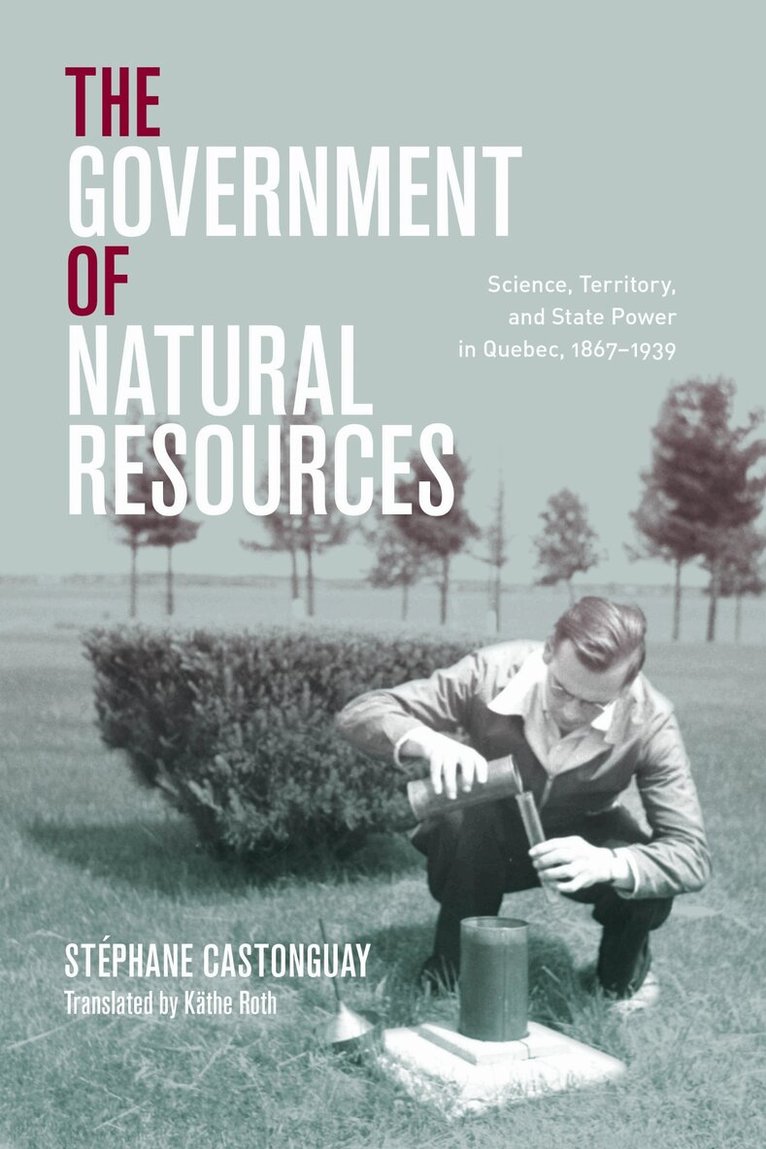
The Government of Natural Resources explores scientific and technical activity in Quebec from Confederation until the eve of the Second World War. Scientific and technical personnel are an often quiet presence within the state, but they play an integral role.At the turn of the twentieth century, the provincial government created geology, forestry, fishery, and agronomy services. These new services drew from recently established university technical programs to amass a corps of skilled employees to support their mission: exploiting resources and occupying territory. Stéphane Castonguay traces the history of mining, logging, hunting, fishing, and agriculture in Quebec to reveal how territorial and environmental transformations thus became a tool of government. By helping to define and shape such interventions, scientific activity contributed to state formation and expanded administrative capacity. The lessons that this thoughtful reconceptualization of resource development offers reach well beyond provincial borders.
Government of Natural Resources
Science, Territory, and State Power in Quebec, 1867–1939
Häftad, Engelska, 2022
345 kr
Skickas inom 7-10 vardagar
The Government of Natural Resources explores scientific and technical activity in Quebec from Confederation until the eve of the Second World War. Scientific and technical personnel are an often quiet presence within the state, but they play an integral role.At the turn of the twentieth century, the provincial government created geology, forestry, fishery, and agronomy services. These new services drew from recently established university technical programs to amass a corps of skilled employees to support their mission: exploiting resources and occupying territory. Stéphane Castonguay traces the history of mining, logging, hunting, fishing, and agriculture in Quebec to reveal how territorial and environmental transformations thus became a tool of government. By helping to define and shape such interventions, scientific activity contributed to state formation and expanded administrative capacity. The lessons that this thoughtful reconceptualization of resource development offers reach well beyond provincial borders.
821 kr
Skickas inom 7-10 vardagar
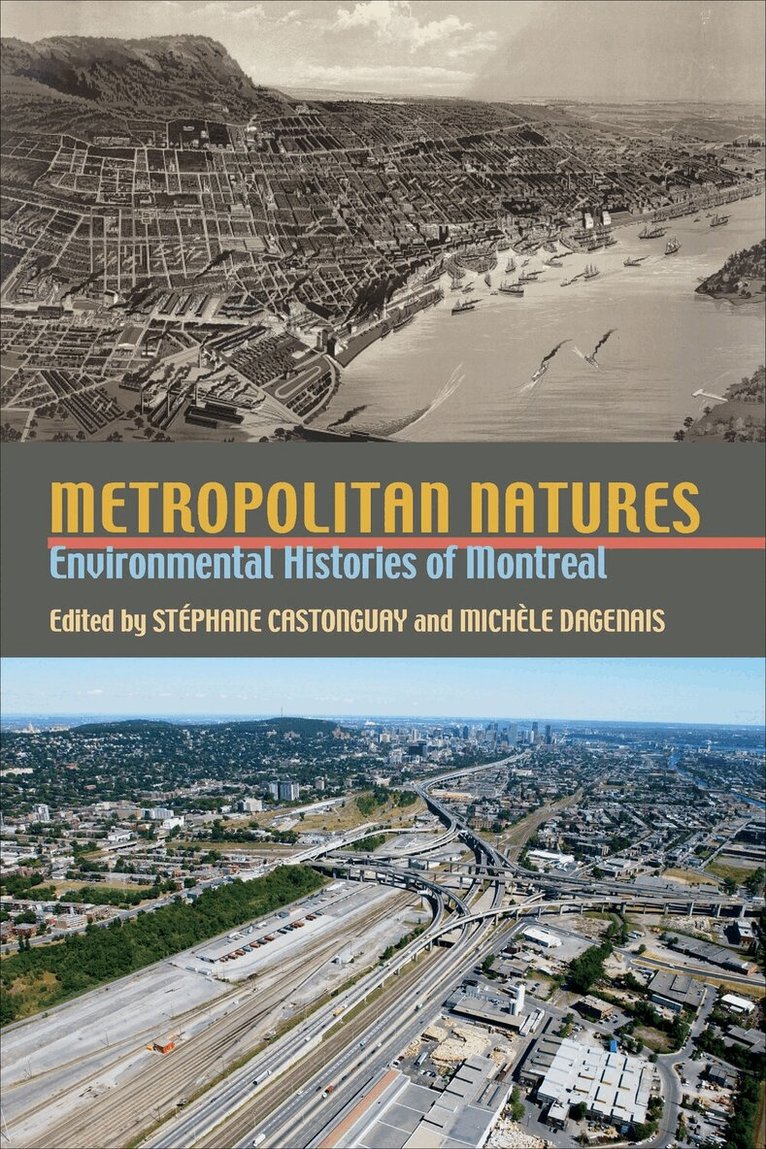
One of the oldest metropolitan areas in North America, Montreal has evolved from a remote fur-trading post in New France into an international center for services and technology. A city and an island located at the confluence of the Ottawa and St. Lawrence Rivers, it is uniquely situated to serve as an international port while also providing rail access to the Canadian interior. The historic capital of the Province of Canada, once Canada's foremost metropolis, Montreal has a multifaceted cultural heritage drawn from European and North American influences. Thanks to its rich past, the city offers an ideal setting for the study of an evolving urban environment.Metropolitan Natures presents original histories of the diverse environments that constitute Montreal and it region. It explores the agricultural and industrial transformation of the metropolitan area, the interaction of city and hinterland, and the interplay of humans and nature. The fourteen chapters cover a wide range of issues, from landscape representations during the colonial era to urban encroachments on the Kahnawake Mohawk reservation on the south shore of the island, from the 1918-1920 Spanish flu epidemic and its ensuing human environmental modifications to the urban sprawl characteristic of North America during the postwar period.Situations that politicize the environment are discussed as well, including the economic and class dynamics of flood relief, highways built to facilitate recreational access for the middle class, power-generating facilities that invade pristine rural areas, and the elitist environmental hegemony of fox hunting. Additional chapters examine human attempts to control the urban environment through street planning, waterway construction, water supply, and sewerage.
661 kr
Skickas inom 7-10 vardagar
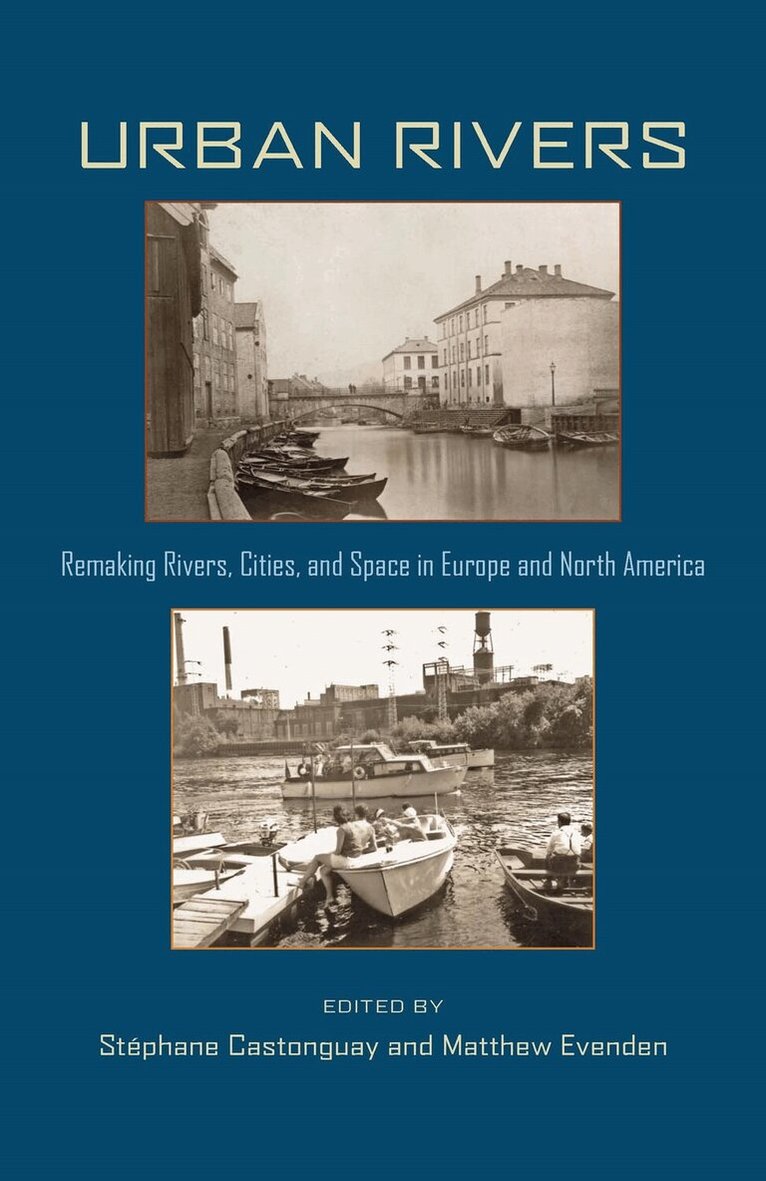
Urban Rivers examines urban interventions on rivers through politics, economics, sanitation systems, technology, and societies; how rivers affected urbanization spatially, in infrastructure, territorial disputes, and in floodplains, and via their changing ecologies. Providing case studies from Vienna to Manitoba, the chapters assemble geographers and historians in a comparative survey of how cities and rivers interacted from the seventeenth century to the present.Rising cities and industries were great agents of social and ecological changes, particularly during the nineteenth century, when mass populations and their effluents were introduced to river environments. Accumulated pollution and disease mandated the transfer of wastes away from population centers. In many cases, potable water for cities now had to be drawn from distant sites. These developments required significant infrastructural improvements, creating social conflicts over land jurisdiction and affecting the lives and livelihood of nonurban populations. The effective reach of cities extended and urban space was remade. By the mid-twentieth century, new technologies and specialists emerged to combat the effects of industrialization. Gradually, the health of urban rivers improved.From protoindustrial fisheries, mills, and transportation networks, through industrial hydroelectric plants and sewage systems, to postindustrial reclamation and recreational use, Urban Rivers documents how Western societies dealt with the needs of mass populations while maintaining the viability of their natural resources. The lessons drawn from this study will be particularly relevant to today's emerging urban economies situated along rivers and waterways.