Stephanie Döpper - Böcker
Visar alla böcker från författaren . Handla med fri frakt och snabb leverans.
5 produkter
5 produkter
Del 2 - Arabia Orientalis: Studien zur Archäologie Ostarabiens
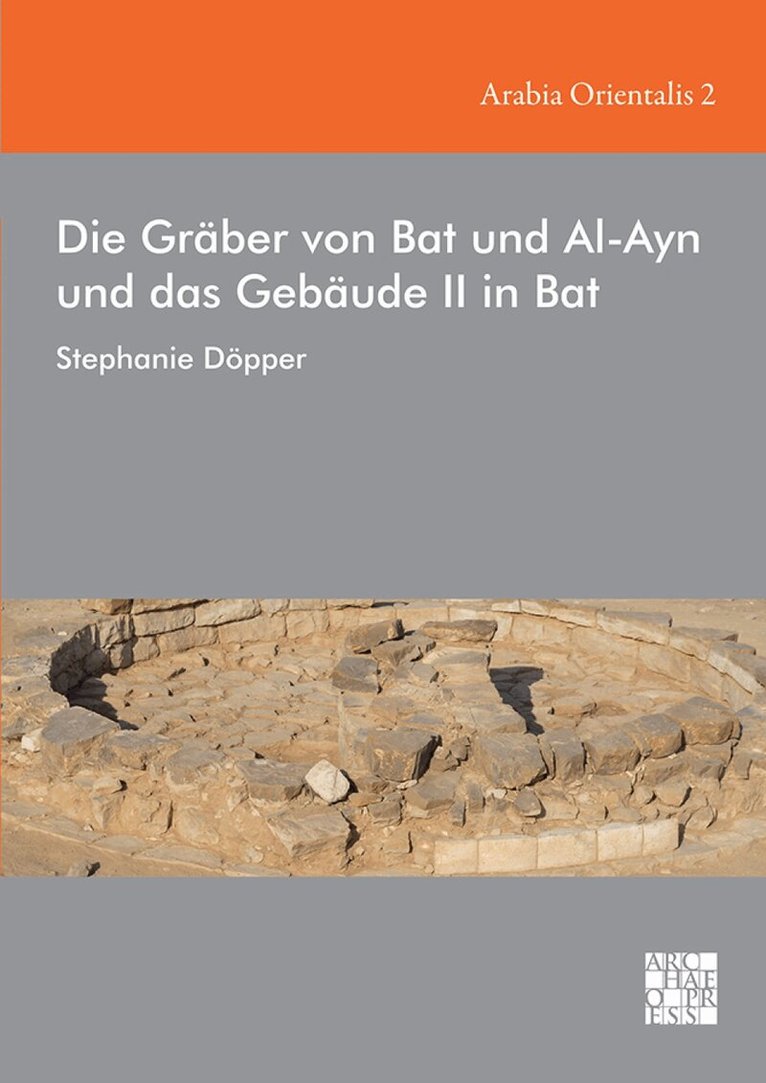
Die Gräber von Bat und Al-Ayn und das Gebäude II in Bat
Inbunden, Tyska, 2021
1 204 kr
Skickas
A study of the Early Bronze Age necropolises of the UNESCO world heritage sites Bat and Al-Ayn, and the monumental tower structure Building II at Bat, this volume reports on the architecture and stratigraphy, find assemblages from the excavated buildings (including pottery and small finds), along with anthropological and anthracological studies.
Del 5 - Arabia Orientalis: Studien zur Archäologie Ostarabiens
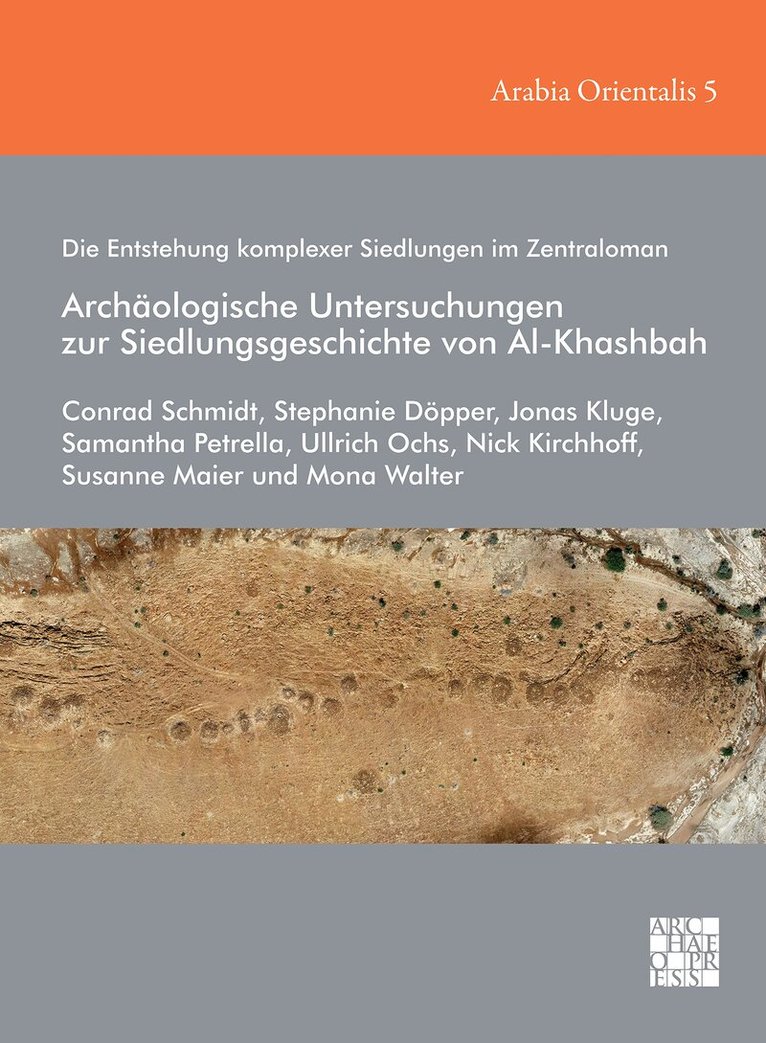
Die Entstehung komplexer Siedlungen im Zentraloman: Archäologische Untersuchungen zur Siedlungsgeschichte von Al-Khashbah
Inbunden, Tyska, 2021
1 443 kr
Skickas
This volume presents the results of a survey conducted in 2015 and beyond in Al-Khashbah, one of the largest Early Bronze Age sites on the Omani Peninsula. Ten monumental buildings, 273 tombs and other structures from the Hafit (3100-2700 BC) and Umm an-Nar periods (2700-2000 BC) were documented here.
Del 7 - Arabia Orientalis: Studien zur Archäologie Ostarabiens
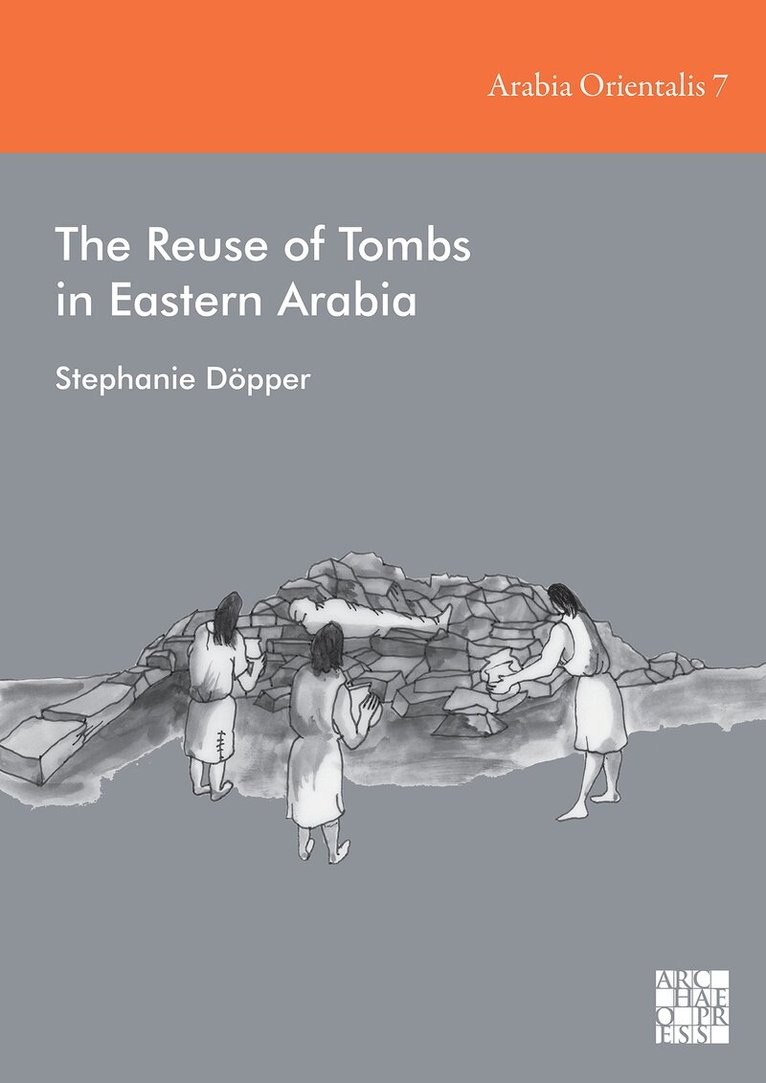
The Reuse of Tombs in Eastern Arabia
Inbunden, Engelska, 2023
905 kr
Skickas
People in the past were always confronted with surviving remains from previous periods, and reacted to and engaged with them in varying ways. One activity through which this becomes visible is the reuse of tombs. If this reuse is an intentional reference to the past, it explicitly communicates meaning and thus cultural memory. In Eastern Arabia, however, this phenomenon received little attention in archaeological research, often having been discounted by the excavators as a disturbance to the first use of a tomb.This book will investigate reuse of tombs from the beginning of the Early Bronze Age until the end of the Sasanian period in order to understand the underlying purposes and social context of this practice. In Eastern Arabia, where the adding of new burials to the original content of the tomb is common, such reuse might have functioned to make sense of the present, to give orientation in new situations and to help shape a cultural identity. Reuse occurred more often in the Iron Age and Samad/PIR periods than in all other periods investigated, combined. These are also times of visible social hierarchies. The resulting tensions made counter-measures that both promoted social cohesion and group identity and legitimised the role of the elites necessary. This might have been achieved through creating cultural memory by reusing old tombs.
Del 8 - Arabia Orientalis: Studien zur Archäologie Ostarabiens
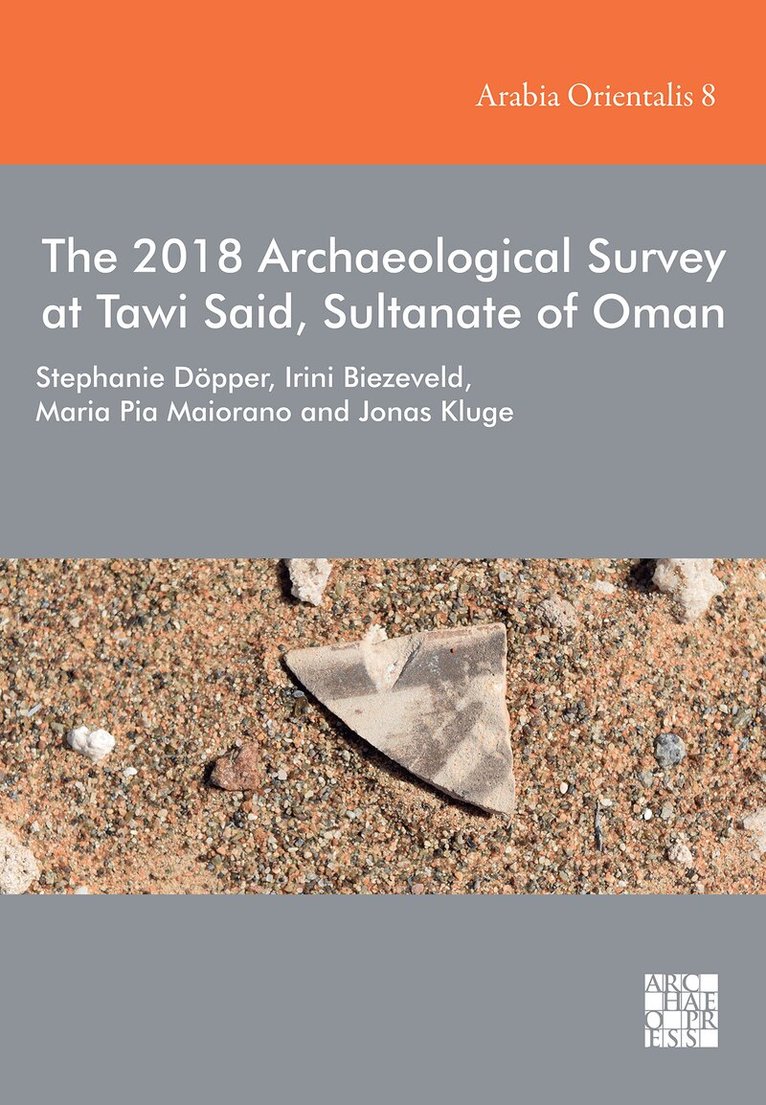
The 2018 Archaeological Survey at Tawi Said, Sultanate of Oman
Inbunden, Engelska, 2024
830 kr
Skickas
This book outlines the results of the 2018 archaeological survey at Tawi Said, located on the edge of the Sharqiyah desert in the Sultanate of Oman. The surveyed area of 150 x 125 m yielded close to 8,600 artifacts, with pottery sherds comprising the majority of the finds. Additional discoveries include shells, lithic tools, copper production waste, jewellery and fragments of soft-stone vessels. Of particular interest are two stamp seals, one of which bears a resemblance to the seals of Dilmun style. Two significant phases are attested by the finds from Tawi Said: the Wadi Suq period (2000-1600 BCE) and the Late Islamic period (1650-1970 CE). Together with other discoveries, the Dilmun-inspired stamp seal illustrates the interconnectedness of Tawi Said in interregional exchange during the Wadi Suq period. The connectivity of the Late Islamic period is similarly evidenced by imported pottery, glass bangles and other artefacts. The absence of architectural remains suggests that Tawi Said was a temporary place used by mobile groups throughout its existence.
Del 13 - The Archaeological Heritage of Oman
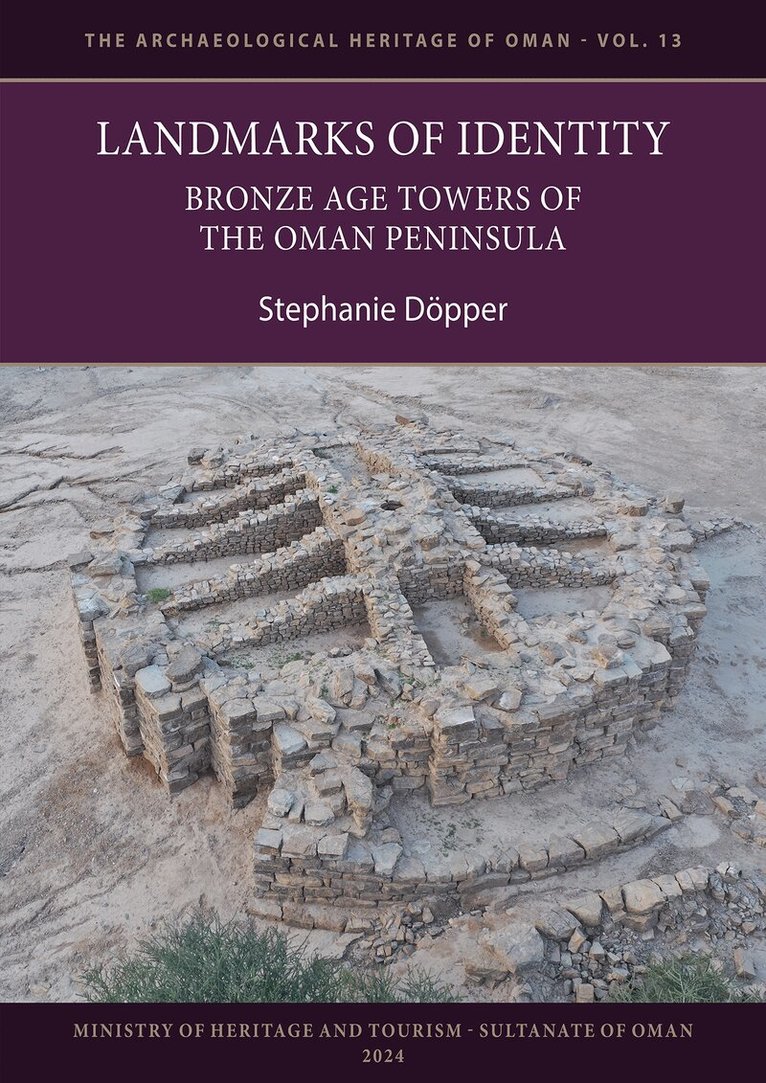
Landmarks of Identity: Bronze Age Towers of the Oman Peninsula
Häftad, Engelska, 2024
725 kr
Skickas
Five thousand years ago, in the Early Bronze Age, monumental stone and mud-brick structures known as towers appeared on the landscape of the Oman Peninsula. Since then, they have served as distinctive landmarks of identity for the people of the region. Despite many years of archaeological research and intensive excavations of some of them, much remains unknown about these impressive structures. This book aims to update the long-standing discussions on these towers and to assess their chronological depth of more than a millennium, with the first of them constructed as early as the end of the 4th millennium BCE and the last substantial building activities at the beginning of the 2nd millennium BCE. The book also reassesses their possible functions, such as defence, refuge, demarcation of property, residence of elites, involvement in complex irrigation systems, arenas for cultic practices, in the light of recent archaeological research. The book will also provide a richly illustrated catalogue with extensive bibliography, research history and coordinates of all the nearly hundred towers known to date in the Sultanate of Oman and the United Arab Emirates, creating a record for researchers and visitors alike.