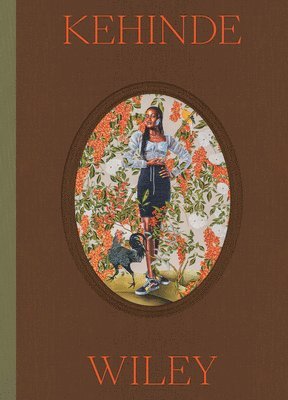
New paintings from Wiley that examine how nature is depicted and symbolized in Japanese artThis striking volume presents a new body of work by American painter Kehinde Wiley, who is best known for his vibrant portraiture of Black people that subverts the hierarchies and conventions of classical European and American portraiture. Drawing inspiration from Japanese nature paintings of the Edo period (ca. 1600–1868), Wiley parallels traditional techniques and materials in these monumental works. Exposed linen in the background of the paintings highlights the natural elements of the scenes while also preserving a delicate balance of untouched picture space. In recontextualizing the naturalist landscape genre from a non-Western perspective, Wiley activates diverse ways of thinking about man’s relationship to nature.Following the artist’s sixth solo show at Roberts Projects, Los Angeles, this amply illustrated catalog includes commissioned essays placing Wiley’s work within the historical context of Japanese painting as well as contemporary Black art. In Wiley’s own words, “In this new turn, I’m trying to break open the conversation again toward what nature really means in the 21st century, in an era of widespread ecological disasters. Our relationship with nature is increasingly in a perilous position. It invites a reinterpretation of not only an incredible opportunity to explore the vastness and the beauty of nature, but also the astonishing fragility and sadness that surrounds us, and lost opportunities.”Kehinde Wiley (born 1977) was the first Black artist to paint an official US presidential portrait for former US President Barack Obama. Wiley has held solo exhibitions throughout the United States and internationally, and his works are included in the collections of over 40 public institutions worldwide.

Turning what architect Rem Koolhaas famously referred to as "junkspace", the spatial flotsam of the Anthropocene, into candy-coloured dreamscapes, George Byrne depicts the gritty urbanism of Los Angeles in sublime otherworldliness. Arriving a decade ago, the Australian artist was immediately enthralled by the sprawling cityscape, mesmerized by the way the sunlight transformed it into two-dimensional, almost painterly abstractions, underpinned by a distinctive pastel color palette. Extending his practice beyond the confines of the lens by extracting elements from various images, his series Post Truth dwells in the liminal space between real and imagined. Reassembling the urban landscape into striking, ascetic collages of color and geometric fragments, Byrne creates postmodernist oases in the metropolis that masterfully harness the malleability of the photographic medium. Byrne's compositions evoke associations with Miami Beach's Art Deco, the Memphis Group's designs, as well as the work of David Hockney or Ed Ruscha, and at the same time tap into the specific aesthetics of today's visual culture played out on Instagram. They are filled with a sense of suspended reality-and never fail to convey a feeling of joy. This limited special edition of 50 copies includes an original print.
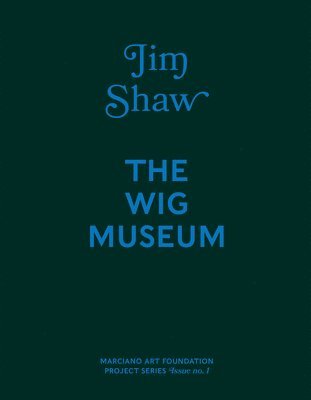
The inaugural exhibition of the Marciano Art Foundation, Jim Shaw: The Wig Museum highlights Shaw’s (born 1952) career-long engagement with America’s diverse histories. The Los Angeles local used the enigmatic artifacts found during the transformation of the former Scottish Rite Masonic Temple where the foundation resides—stage sets, robes, costumes and wigs—to construct a metaphor for the wig-wearing masonic and judiciary Anglo-Saxon power that is coming to an end.
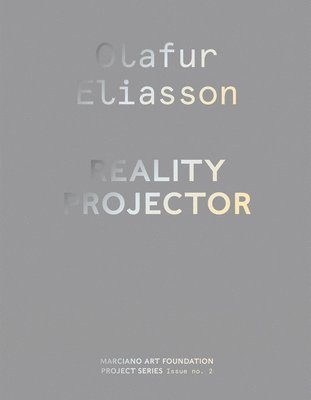
In collaboration with Sigur Rós musician Jónsi, Icelandic-Danish artist Olafur Eliasson (born 1967) conceived a complex installation for his site-specific exhibition at the Marciano Art Foundation. Using projected light and the existing architecture of the museum, he created a dynamic shadow play referencing both Los Angeles' history of filmmaking and the gallery's former function as a theater.
New paintings from Wiley that examine how nature is depicted and symbolized in Japanese artThis striking volume presents a new body of work by American painter Kehinde Wiley, who is best known for his vibrant portraiture of Black people that subverts the hierarchies and conventions of classical European and American portraiture. Drawing inspiration from Japanese nature paintings of the Edo period (ca. 1600–1868), Wiley parallels traditional techniques and materials in these monumental works. Exposed linen in the background of the paintings highlights the natural elements of the scenes while also preserving a delicate balance of untouched picture space. In recontextualizing the naturalist landscape genre from a non-Western perspective, Wiley activates diverse ways of thinking about man’s relationship to nature.Following the artist’s sixth solo show at Roberts Projects, Los Angeles, this amply illustrated catalog includes commissioned essays placing Wiley’s work within the historical context of Japanese painting as well as contemporary Black art. In Wiley’s own words, “In this new turn, I’m trying to break open the conversation again toward what nature really means in the 21st century, in an era of widespread ecological disasters. Our relationship with nature is increasingly in a perilous position. It invites a reinterpretation of not only an incredible opportunity to explore the vastness and the beauty of nature, but also the astonishing fragility and sadness that surrounds us, and lost opportunities.”Kehinde Wiley (born 1977) was the first Black artist to paint an official US presidential portrait for former US President Barack Obama. Wiley has held solo exhibitions throughout the United States and internationally, and his works are included in the collections of over 40 public institutions worldwide.
Turning what architect Rem Koolhaas famously referred to as "junkspace", the spatial flotsam of the Anthropocene, into candy-coloured dreamscapes, George Byrne depicts the gritty urbanism of Los Angeles in sublime otherworldliness. Arriving a decade ago, the Australian artist was immediately enthralled by the sprawling cityscape, mesmerized by the way the sunlight transformed it into two-dimensional, almost painterly abstractions, underpinned by a distinctive pastel color palette. Extending his practice beyond the confines of the lens by extracting elements from various images, his series Post Truth dwells in the liminal space between real and imagined. Reassembling the urban landscape into striking, ascetic collages of color and geometric fragments, Byrne creates postmodernist oases in the metropolis that masterfully harness the malleability of the photographic medium. Byrne's compositions evoke associations with Miami Beach's Art Deco, the Memphis Group's designs, as well as the work of David Hockney or Ed Ruscha, and at the same time tap into the specific aesthetics of today's visual culture played out on Instagram. They are filled with a sense of suspended reality-and never fail to convey a feeling of joy. This limited special edition of 50 copies includes an original print.
The inaugural exhibition of the Marciano Art Foundation, Jim Shaw: The Wig Museum highlights Shaw’s (born 1952) career-long engagement with America’s diverse histories. The Los Angeles local used the enigmatic artifacts found during the transformation of the former Scottish Rite Masonic Temple where the foundation resides—stage sets, robes, costumes and wigs—to construct a metaphor for the wig-wearing masonic and judiciary Anglo-Saxon power that is coming to an end.
In collaboration with Sigur Rós musician Jónsi, Icelandic-Danish artist Olafur Eliasson (born 1967) conceived a complex installation for his site-specific exhibition at the Marciano Art Foundation. Using projected light and the existing architecture of the museum, he created a dynamic shadow play referencing both Los Angeles' history of filmmaking and the gallery's former function as a theater.