Stephanie Ratkai – författare
Visar alla böcker från författaren . Handla med fri frakt och snabb leverans.
5 produkter
5 produkter
E-bok
Engelska, 2017849 kr
Läs direkt efter köp
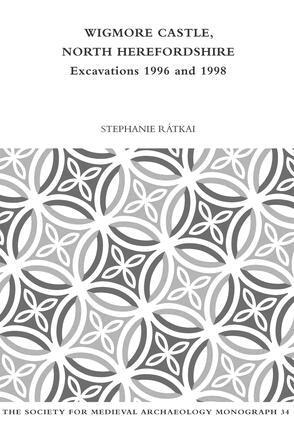
"Excavations at Wigmore Castle were carried out in 1996 and 1998 as a precursor to repair and consolidation of the castle by English Heritage. The castle had remained the honorial caput of the Mortimer family from the late 11th century through to 1425, an unusually long tenure amongst Marcher lordships. The Mortimer family became increasingly important players in the history of England. Thereafter the Mortimer inheritance passed to the Dukes of York and from there to the Crown. Evidence of the earliest castle was found during the excavations, including part of a substantial 12th-century timber building, part of which had been used as a kitchen. Here remains of a sequence of hearths, cooking pots and food remains were found. The construction of defences in stone probably began in the 12th century. The effect of conflict on the castle was indicated by the presence of ballista balls, arrowheads, a possible crannequin and fragments of plate armour. A possible period of neglect occurred in the later 14th century but by the 15th century the castle was the scene of renewed activity including the rebuilding of the curtain wall. Dietary evidence and some of the artefacts indicate that there was high-status occupation, in which hunting played an important role that continued throughout the 15th century. By the 16th century the castle fabric was beginning to fall into disrepair and evidence of repairs and modifications were noted. Nevertheless, high-status occupation continued and the castle remained to play an important role as a secondary seat of the Council of the Marches. However, by the early 17th century decline at the castle appears to have been terminal. The castle was now owned by the Harley family and it is they who are credited with the pre-emptive slighting of the castle during the Civil War. The slighting is not evident in the excavated areas, and the area in and around the East Tower appears to have been derelict well before the mid-17th century. Pottery, clay pipe and other artefacts which can definitely be ascribed to the Civil War are few. An oxshoe found in the latest deposits may well be associated with the removal of fallen stone for building elsewhere. Thereafter the castle appears to have been little visited and almost total ruination had set in by the early 18th century. In 1995 the castle was taken into English Heritage Guardianship and has been consolidated and restored as a romantic ruin.
E-bok
PDF, Engelska, 2017849 kr
Läs direkt efter köp
"Excavations at Wigmore Castle were carried out in 1996 and 1998 as a precursor to repair and consolidation of the castle by English Heritage. The castle had remained the honorial caput of the Mortimer family from the late 11th century through to 1425, an unusually long tenure amongst Marcher lordships. The Mortimer family became increasingly important players in the history of England. Thereafter the Mortimer inheritance passed to the Dukes of York and from there to the Crown. Evidence of the earliest castle was found during the excavations, including part of a substantial 12th-century timber building, part of which had been used as a kitchen. Here remains of a sequence of hearths, cooking pots and food remains were found. The construction of defences in stone probably began in the 12th century. The effect of conflict on the castle was indicated by the presence of ballista balls, arrowheads, a possible crannequin and fragments of plate armour. A possible period of neglect occurred in the later 14th century but by the 15th century the castle was the scene of renewed activity including the rebuilding of the curtain wall. Dietary evidence and some of the artefacts indicate that there was high-status occupation, in which hunting played an important role that continued throughout the 15th century. By the 16th century the castle fabric was beginning to fall into disrepair and evidence of repairs and modifications were noted. Nevertheless, high-status occupation continued and the castle remained to play an important role as a secondary seat of the Council of the Marches. However, by the early 17th century decline at the castle appears to have been terminal. The castle was now owned by the Harley family and it is they who are credited with the pre-emptive slighting of the castle during the Civil War. The slighting is not evident in the excavated areas, and the area in and around the East Tower appears to have been derelict well before the mid-17th century. Pottery, clay pipe and other artefacts which can definitely be ascribed to the Civil War are few. An oxshoe found in the latest deposits may well be associated with the removal of fallen stone for building elsewhere. Thereafter the castle appears to have been little visited and almost total ruination had set in by the early 18th century. In 1995 the castle was taken into English Heritage Guardianship and has been consolidated and restored as a romantic ruin.
Del 528 - BAR British Series
Five sites in Cambridgeshire: Excavations at Woodhurst, Fordham, Soham, Buckden and St. Neots, 1998-2002
Excavations at Woodhurst, Fordham, Soham, Buckden and St Neots, 1998-2002
Häftad, Engelska, 2011
896 kr
Skickas inom 5-8 vardagar
E-bok
Engelska, 2021123 kr
Läs direkt efter köp
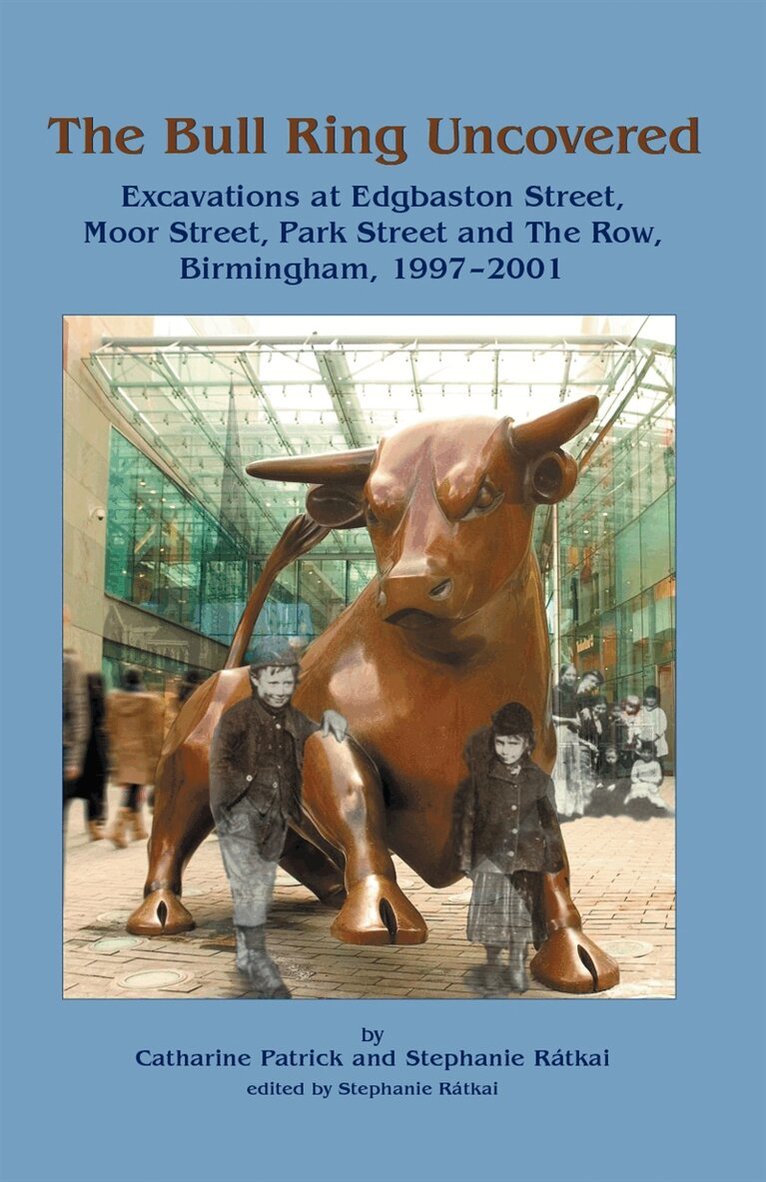
The excavations in the centre of Birmingham uncovered evidence of habitation from prehistoric and Roman times, but the 12th to 19th centuries presented by far the most evidence, from artefacts, environmental samples and structural remains. The medieval industrial past was of particular interest, with tanning and the manufacture of hemp and linen all playing a large role in the city's prosperity. Metal working reached its peak in the seventeenth century, with brass founding becoming important from the eighteenth century onwards. Most of the artefactual evidence attests to Birmingham's industrial past, indeed the evidence for domestic life is comparatively scant, with an anomalous burial of two people at Park Street presenting something of a mystery. This volume presents insights into the early industrial past of this important city and is an invaluable record covering eight hundred years of occupation.
Häftad, Engelska, 2015
429 kr
Tillfälligt slut
Excavations at Wigmore Castle were carried out in 1996 and 1998 as a precursor to repair and consolidation of the castle by English Heritage. Wigmore Castle, North Herefordshire details the results of that excavation providing the most up-to-date archaeological information yet available on this interesting site.