Stephanie Trigg – författare
Visar alla böcker från författaren Stephanie Trigg. Handla med fri frakt och snabb leverans.
14 produkter
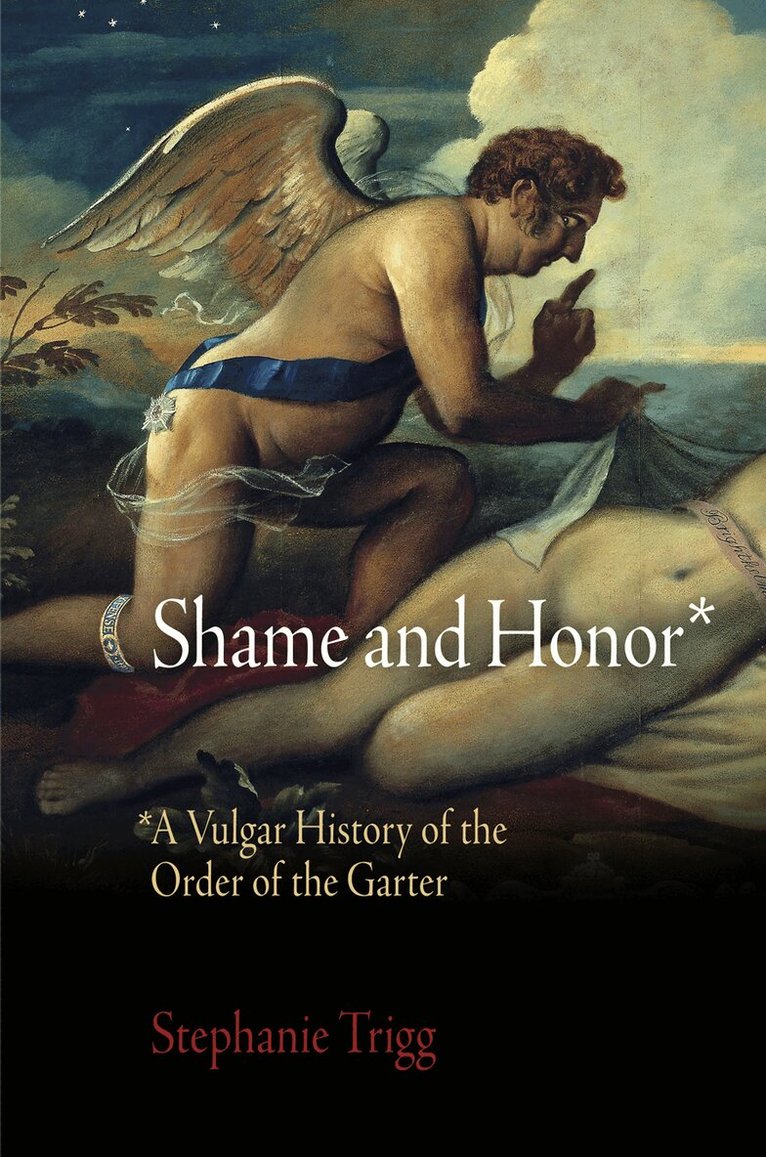
Shame and Honor
A Vulgar History of the Order of the Garter
Häftad, 2015
387 kr
Lägg i varukorg
"It's a nice piece of pageantry. . . . Rationally it's lunatic, but in practice, everyone enjoys it, I think."-HRH Prince Philip, Duke of EdinburghFounded by Edward III in 1348, the Most Noble Order of the Garter is the highest chivalric honor among the gifts of the Queen of England and an …
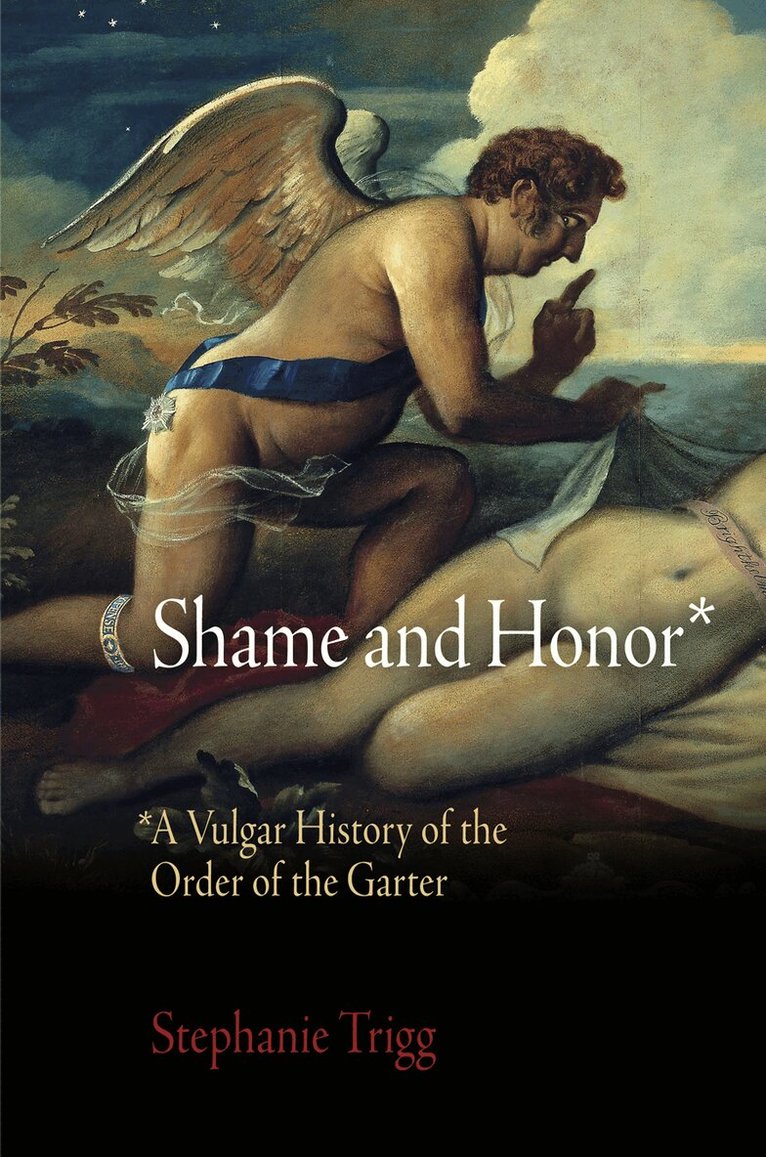
Shame and Honor
A Vulgar History of the Order of the Garter
E-bok, 2012
479 kr
Lägg i varukorg
"It's a nice piece of pageantry. . . . Rationally it's lunatic, but in practice, everyone enjoys it, I think."-HRH Prince Philip, Duke of EdinburghFounded by Edward III in 1348, the Most Noble Order of the Garter is the highest chivalric honor among the gifts of the Queen of England and an …
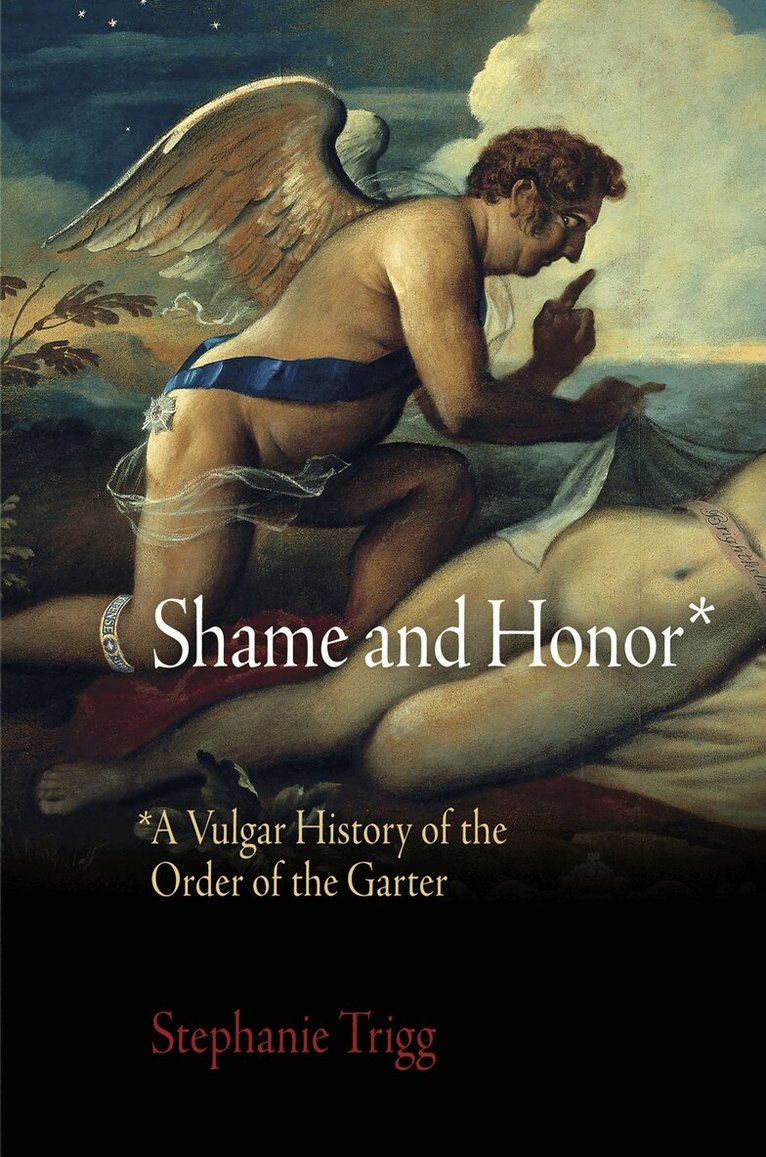
Shame and Honor
A Vulgar History of the Order of the Garter
Inbunden, 2012
627 kr
Lägg i varukorg
"It's a nice piece of pageantry. . . . Rationally it's lunatic, but in practice, everyone enjoys it, I think."-HRH Prince Philip, Duke of EdinburghFounded by Edward III in 1348, the Most Noble Order of the Garter is the highest chivalric honor among the gifts of the Queen of England and an …
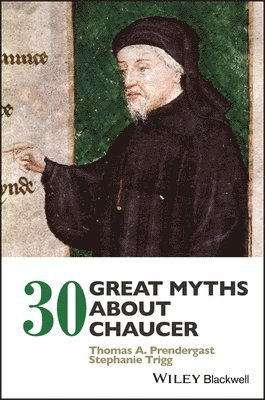
30 Great Myths about Chaucer
Av Thomas A. Prendergast, Stephanie Trigg
Häftad, 2020
241 kr
Lägg i varukorg
The facts and fictions that continue to shape our understanding of Chaucer and his place in literary traditionIs Chaucer the father of English literature? The first English poet? Was he a feminist? A political opportunist? A spy? Is Chaucer’s language too difficult for modern readers? 30 Great …
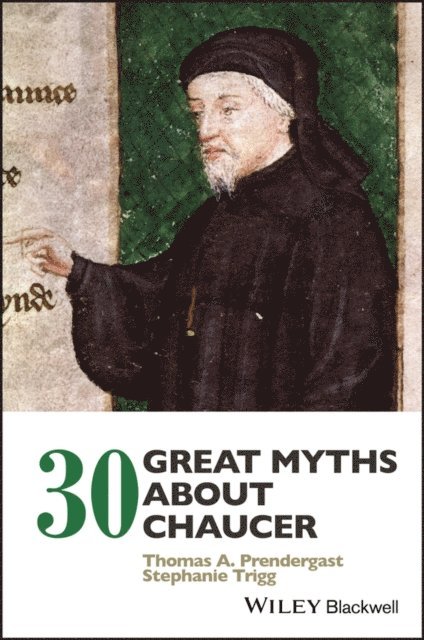
30 Great Myths about Chaucer
Av Stephanie Trigg, Thomas A. Prendergast
E-bok, 2020
295 kr
Lägg i varukorg
The facts and fictions that continue to shape our understanding of Chaucer and his place in literary tradition Is Chaucer the father of English literature? The first English poet? Was he a feminist? A political opportunist? A spy? Is Chaucer’s language too difficult for modern readers? 30 Great …
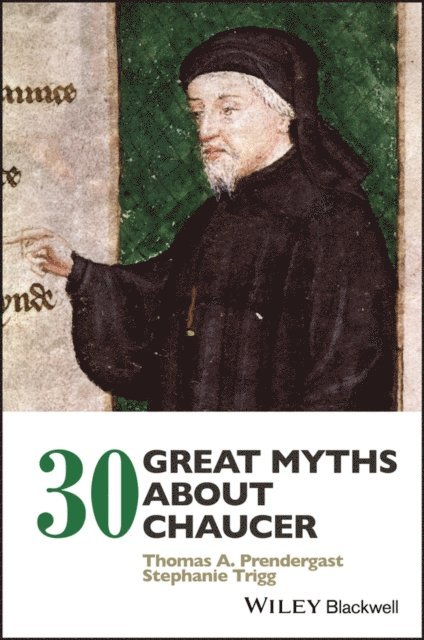
30 Great Myths about Chaucer
Av Stephanie Trigg, Thomas A. Prendergast
E-bok, 2020
295 kr
Lägg i varukorg
The facts and fictions that continue to shape our understanding of Chaucer and his place in literary tradition Is Chaucer the father of English literature? The first English poet? Was he a feminist? A political opportunist? A spy? Is Chaucer’s language too difficult for modern readers? 30 Great …
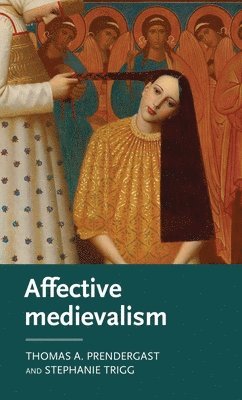
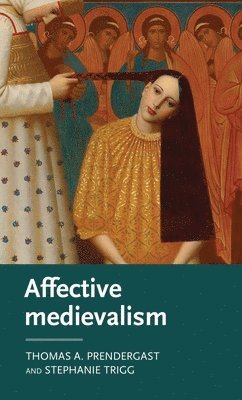
Affective Medievalism
Love, Abjection and Discontent
Av Thomas A. Prendergast, Stephanie Trigg
Inbunden, 2018
904 kr
Lägg i varukorg
This book investigates the troubled relationship between medieval studies and medievalism. Acknowledging that the medieval and medievalism are mutually constitutive, and that their texts can be read using similar strategies, it argues that medieval writers offer powerful models for the ways in …
Affective Medievalism
Love, Abjection and Discontent
Av Thomas A. Prendergast, Stephanie Trigg
Häftad, 2020
414 kr
Lägg i varukorg
This book investigates the troubled relationship between medieval studies and medievalism. Acknowledging that the medieval and medievalism are mutually constitutive, and that their texts can be read using similar strategies, it argues that medieval writers offer powerful models for the ways in …
Facing up to the History of Emotions
Av Stephanie Downes, Stephanie Trigg
Inbunden, 2023
1676 kr
Lägg i varukorg
This book brings together several strands of medieval and medievalist work in the history of emotions, with a focus on literary, historical and cinema studies. It asks how we may best ‘face up’ to work that has been done already in these fields, and speculates about work that might yet be done, …
Facing up to the History of Emotions
Av Stephanie Trigg, Stephanie Downes
E-bok, 2023
2133 kr
Lägg i varukorg
This book brings together several strands of medieval and medievalist work in the history of emotions, with a focus on literary, historical and cinema studies. It asks how we may best ‘face up’ to work that has been done already in these fields, and speculates about work that might yet be done, …
Facing up to the History of Emotions
Av Stephanie Downes, Stephanie Trigg
Häftad, 2025
1676 kr
Kommande
This book brings together several strands of medieval and medievalist work in the history of emotions, with a focus on literary, historical and cinema studies. It asks how we may best ‘face up’ to work that has been done already in these fields, and speculates about work that might yet be done, …
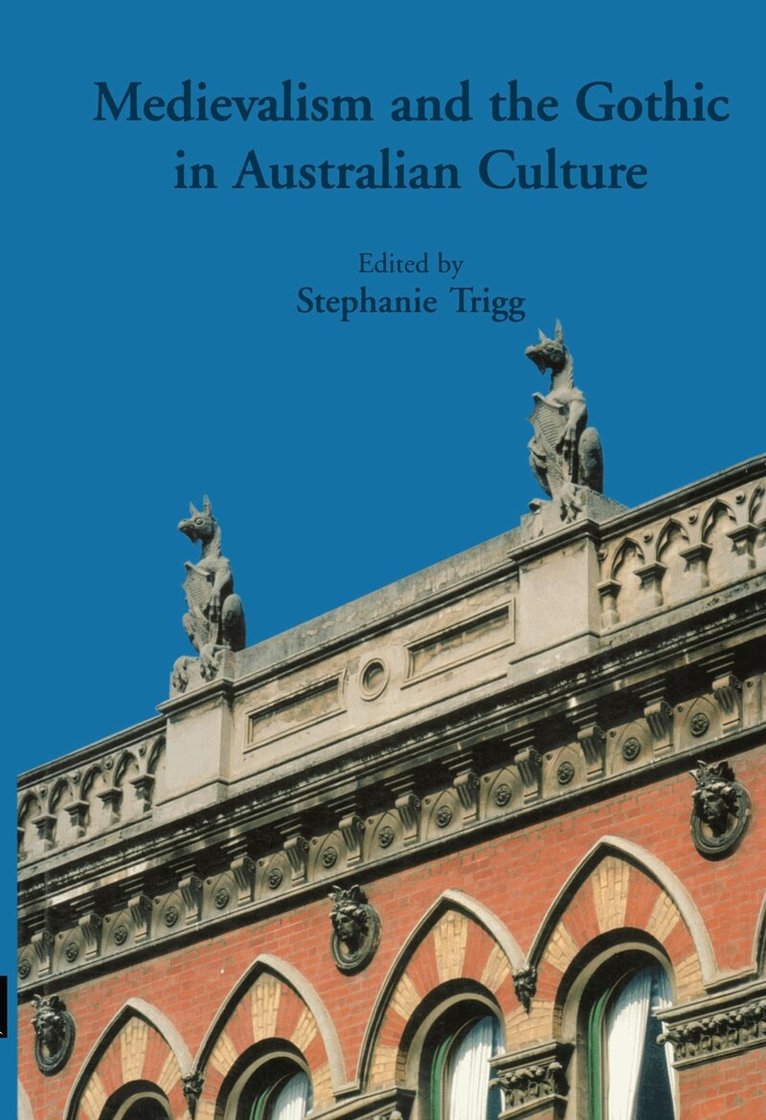
Medievalism and the Gothic in Australian Culture
Häftad, 2006
393 kr
Tillfälligt slut
These essays examine the early narratives of Australian 'discovery' and the settlement of what was perceived as a hostile, gothic environment; exercises of medieval revivalism and association consonant with the British nineteenth-century rediscovery of chivalric ideals and aesthetic, spiritual and …