Stephen A. Kent – författare
Visar alla böcker från författaren Stephen A. Kent. Handla med fri frakt och snabb leverans.
5 produkter
5 produkter
Inbunden, Engelska, 2017
824 kr
Skickas inom 10-15 vardagar
This multidisciplinary study of Scientology examines the organization and the controversies around it through the lens of popular culture, referencing movies, television, print, and the Internet—an unusual perspective that will engage a wide range of readers and researchers.For more than 60 years, Scientology has claimed alternative religious status with a significant number of followers, despite its portrayals in popular culture domains as being bizarre. What are the reasons for the vital connections between Scientology and popular culture that help to maintain or challenge it as an influential belief system? This book is the first academic treatment of Scientology that examines the movement in a popular-culture context from the perspective of several Western countries. It documents how the attention paid to Scientology by high-profile celebrities and its mention in movies, television, and print as well as on the Internet results in millions of people being aware of the organization—to the religious organization's benefit and detriment.The book leads with a background on Scientology and a discussion of science fiction concepts, pulps, and movies. The next section examines Scientology's ongoing relationship with the Hollywood elite, including the group's use of celebrities in its drug rehabilitation program, and explores movies and television shows that contain Scientology themes or comedic references. Readers will learn about how the Internet and the mainstream media of the United States as well as of Australia, Germany, and the UK have regarded Scientology. The final section investigates the music and art of Scientology.
E-bok
Engelska, 2017876 kr
Läs direkt efter köp
This multidisciplinary study of Scientology examines the organization and the controversies around it through the lens of popular culture, referencing movies, television, print, and the Internet—an unusual perspective that will engage a wide range of readers and researchers.For more than 60 years, Scientology has claimed alternative religious status with a significant number of followers, despite its portrayals in popular culture domains as being bizarre. What are the reasons for the vital connections between Scientology and popular culture that help to maintain or challenge it as an influential belief system? This book is the first academic treatment of Scientology that examines the movement in a popular-culture context from the perspective of several Western countries. It documents how the attention paid to Scientology by high-profile celebrities and its mention in movies, television, and print as well as on the Internet results in millions of people being aware of the organization—to the religious organization's benefit and detriment.The book leads with a background on Scientology and a discussion of science fiction concepts, pulps, and movies. The next section examines Scientology's ongoing relationship with the Hollywood elite, including the group's use of celebrities in its drug rehabilitation program, and explores movies and television shows that contain Scientology themes or comedic references. Readers will learn about how the Internet and the mainstream media of the United States as well as of Australia, Germany, and the UK have regarded Scientology. The final section investigates the music and art of Scientology.
Inbunden, Engelska, 2025
1 619 kr
Skickas inom 10-15 vardagar
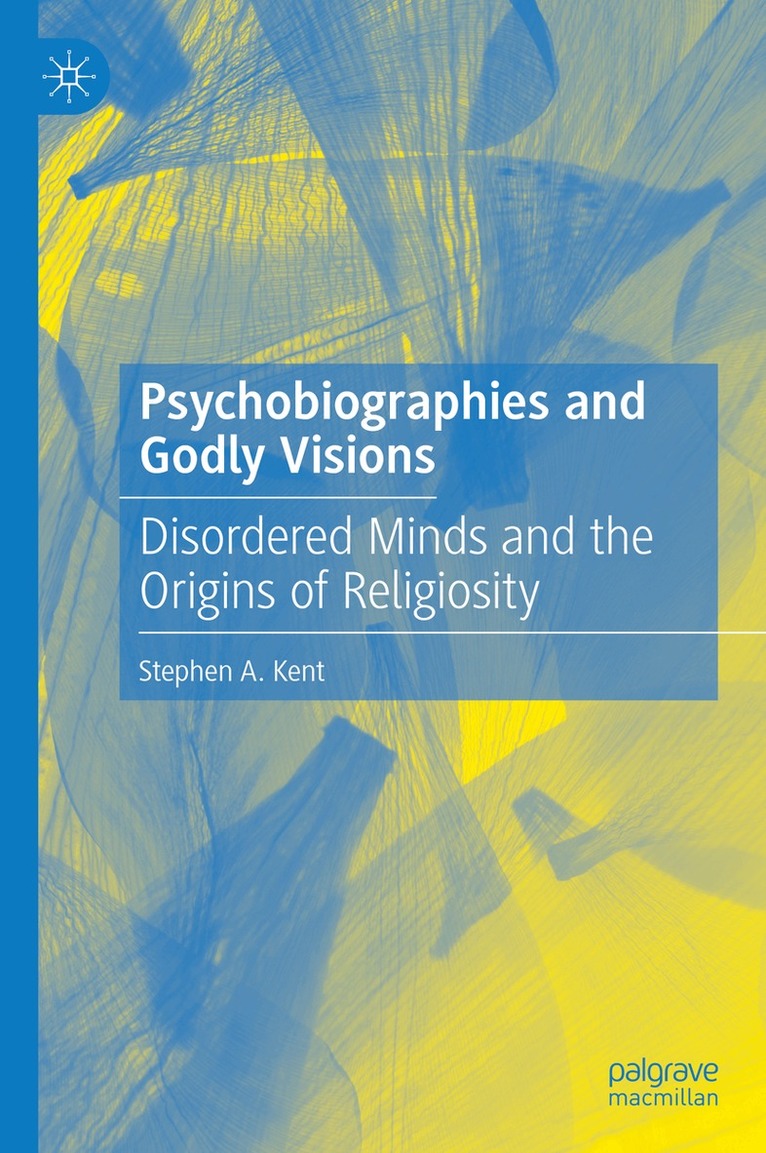
mso-bidi-language: AR-SA;">This book argues that the religious visions and experiences of many religious founders were the result of mental health disorders or neurological conditions, thereby calling into question supernatural origins about the faiths that they developed.
E-bok
Engelska, 20251 977 kr
Läs direkt efter köp
This book argues that the religious visions and experiences of many religious founders were the result of mental health disorders or neurological conditions, thereby calling into question supernatural origins about the faiths that they developed. It constructs this argument by extensively utilizing psychiatric and other mental health and medical material that social scientists and religious studies scholars have underutilized in their analyses of religious experiences. Using a multi-disciplinary approach to examine psychobiographies of numerous major and minor religious figures in Judaism, Christianity, and Islam (Ezekiel, Sabbatai Sevi, St. Paul, John Wesley, and Muhammad), along with leaders of many newer or alternative sects and cults (Rajneesh, Charles Manson, L. Ron Hubbard, David Berg, Marshall Applewhite, Jim Jones, Sun Myung Moon, and Elizabeth Clare Prophet). The book integrates material from religious studies, psychiatry and psychology, neurology, and the social sciences to address issues related to religions’ origins. Its extensive bibliography makes it an indispensable resource for scholars of psychiatry and religion, new religious movements, and religious narcissism.
E-bok
Engelska, 2017876 kr
Läs direkt efter köp
This multidisciplinary study of Scientology examines the organization and the controversies around it through the lens of popular culture, referencing movies, television, print, and the Internet—an unusual perspective that will engage a wide range of readers and researchers.For more than 60 years, Scientology has claimed alternative religious status with a significant number of followers, despite its portrayals in popular culture domains as being bizarre. What are the reasons for the vital connections between Scientology and popular culture that help to maintain or challenge it as an influential belief system? This book is the first academic treatment of Scientology that examines the movement in a popular-culture context from the perspective of several Western countries. It documents how the attention paid to Scientology by high-profile celebrities and its mention in movies, television, and print as well as on the Internet results in millions of people being aware of the organization—to the religious organization's benefit and detriment.The book leads with a background on Scientology and a discussion of science fiction concepts, pulps, and movies. The next section examines Scientology's ongoing relationship with the Hollywood elite, including the group's use of celebrities in its drug rehabilitation program, and explores movies and television shows that contain Scientology themes or comedic references. Readers will learn about how the Internet and the mainstream media of the United States as well as of Australia, Germany, and the UK have regarded Scientology. The final section investigates the music and art of Scientology.