Stephen Boulter – författare
Visar alla böcker från författaren Stephen Boulter. Handla med fri frakt och snabb leverans.
7 produkter
Why Medieval Philosophy Matters
Av Stephen Boulter, Constantine Sandis
Inbunden, 2019
1204 kr
Lägg i varukorg
Tackling the question of why medieval philosophy matters in the current age, Stephen Boulter issues a passionate and robust defence of this school in the history of ideas. He examines both familiar territory and neglected texts and thinkers whilst also asking the question of why, exactly, this …
Why Medieval Philosophy Matters
Av Stephen Boulter, Constantine Sandis
Häftad, 2019
387 kr
Lägg i varukorg
Tackling the question of why medieval philosophy matters in the current age, Stephen Boulter issues a passionate and robust defence of this school in the history of ideas. He examines both familiar territory and neglected texts and thinkers whilst also asking the question of why, exactly, this …
Why Medieval Philosophy Matters
E-bok, 2019
421 kr
Lägg i varukorg
Tackling the question of why medieval philosophy matters in the current age, Stephen Boulter issues a passionate and robust defence of this school in the history of ideas. He examines both familiar territory and neglected texts and thinkers whilst also asking the question of why, exactly, this …
Why Medieval Philosophy Matters
E-bok, 2019
421 kr
Lägg i varukorg
Tackling the question of why medieval philosophy matters in the current age, Stephen Boulter issues a passionate and robust defence of this school in the history of ideas. He examines both familiar territory and neglected texts and thinkers whilst also asking the question of why, exactly, this …
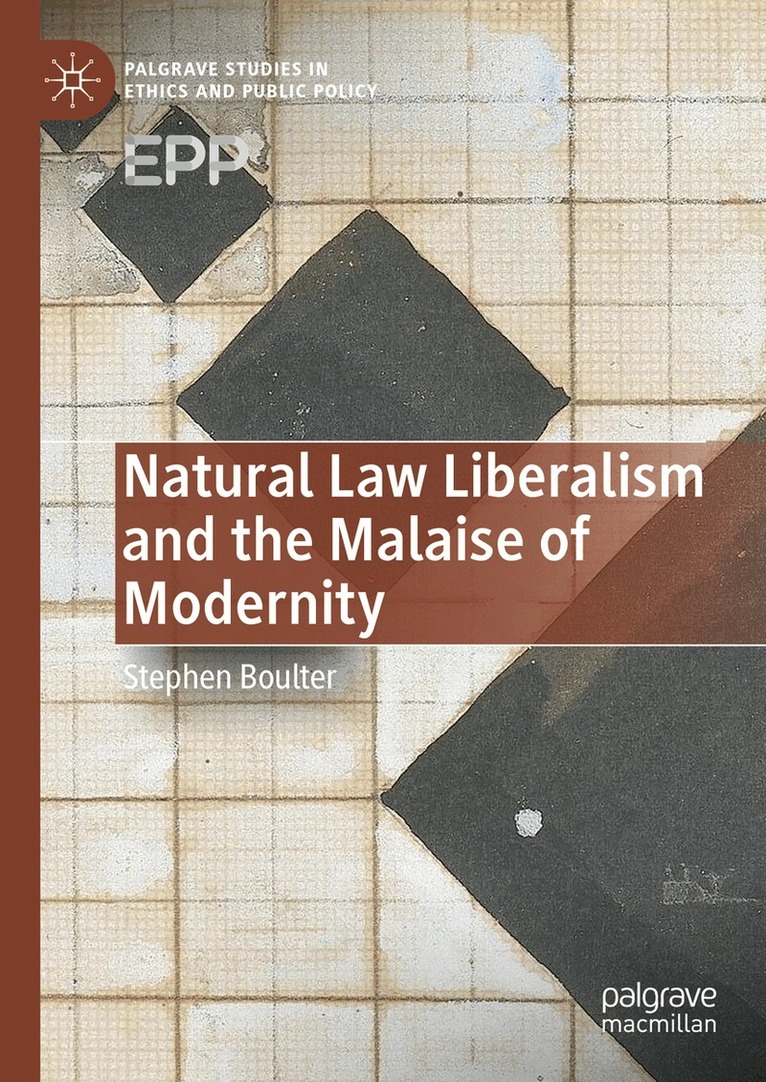
Natural Law Liberalism and the Malaise of Modernity
Inbunden, 2024
1422 kr
Lägg i varukorg
This book examines modernity itself. A single overarching policy recommendation is defended, namely, that the West ought not to defect from modernity’s core commitments to the sciences, market economics and liberal democracy despite the litany of complaints that have been, and continue to be …
Natural Law Liberalism and the Malaise of Modernity
E-bok, 2024
1630 kr
Lägg i varukorg
This book examines modernity itself. A single overarching policy recommendation is defended, namely, that the West ought not to defect from modernity’s core commitments to the sciences, market economics and liberal democracy despite the litany of complaints that have been, and continue to be …
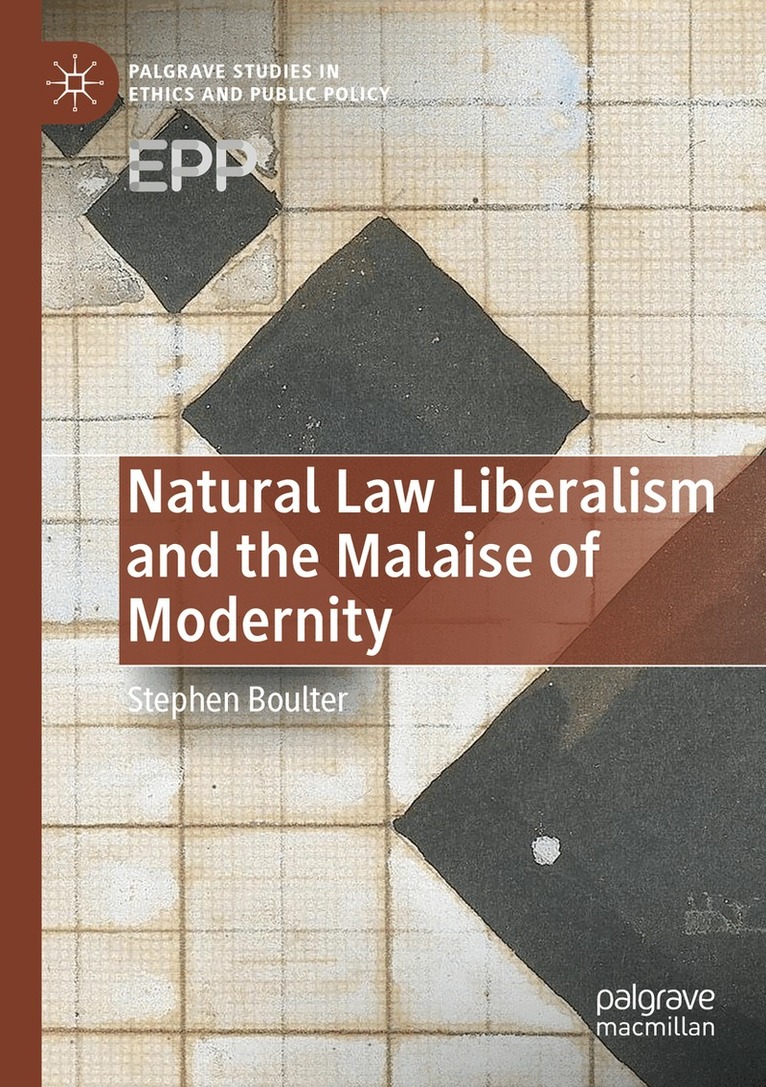
Natural Law Liberalism and the Malaise of Modernity
Häftad, 2025
1204 kr
Lägg i varukorg
This book examines modernity itself. A single overarching policy recommendation is defended, namely, that the West ought not to defect from modernity’s core commitments to the sciences, market economics and liberal democracy despite the litany of complaints that have been, and continue to be …