Stephen Burge – författare
Visar alla böcker från författaren Stephen Burge. Handla med fri frakt och snabb leverans.
7 produkter
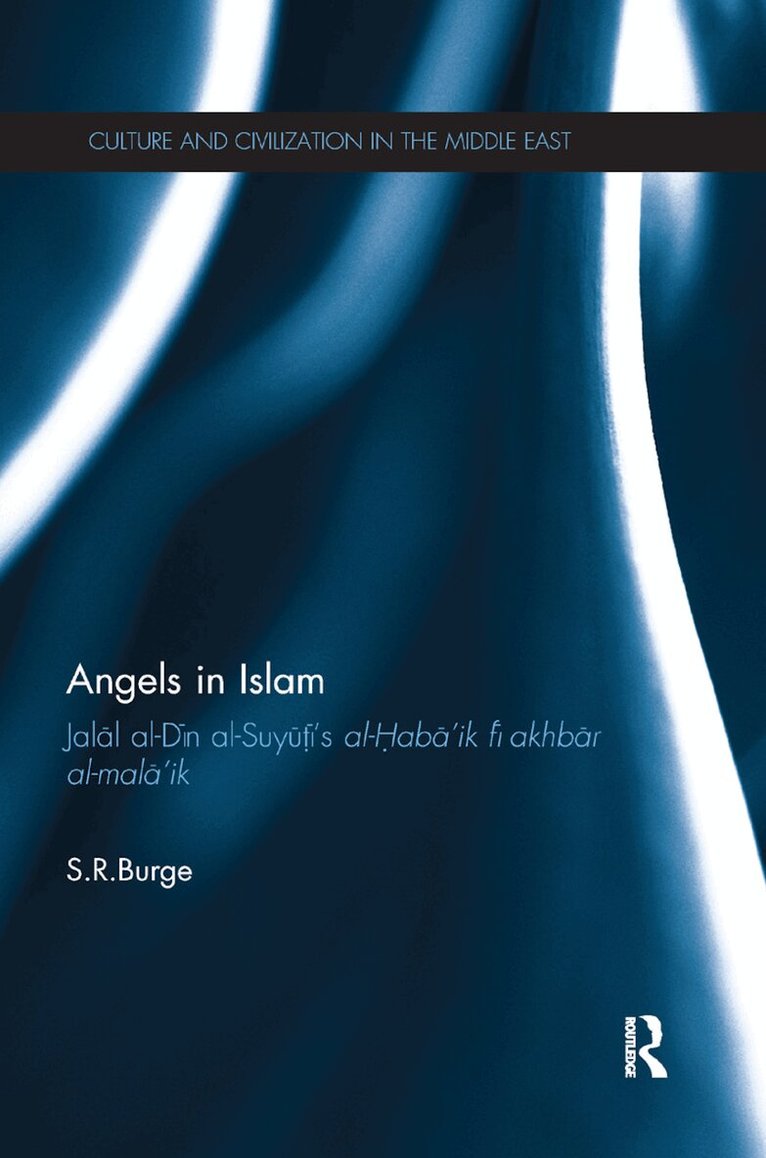
Angels in Islam
Jalal al-Din al-Suyuti's al-Haba'ik fi akhbar al-mala'ik
Häftad, 2019
718 kr
Lägg i varukorg
Angels are a basic tenet of belief in Islam, appearing in various types and genres of text, from eschatology to law and theology to devotional material. This book presents the first comprehensive study of angels in Islam, through an analysis of a collection of traditions (hadīth) compiled by the …
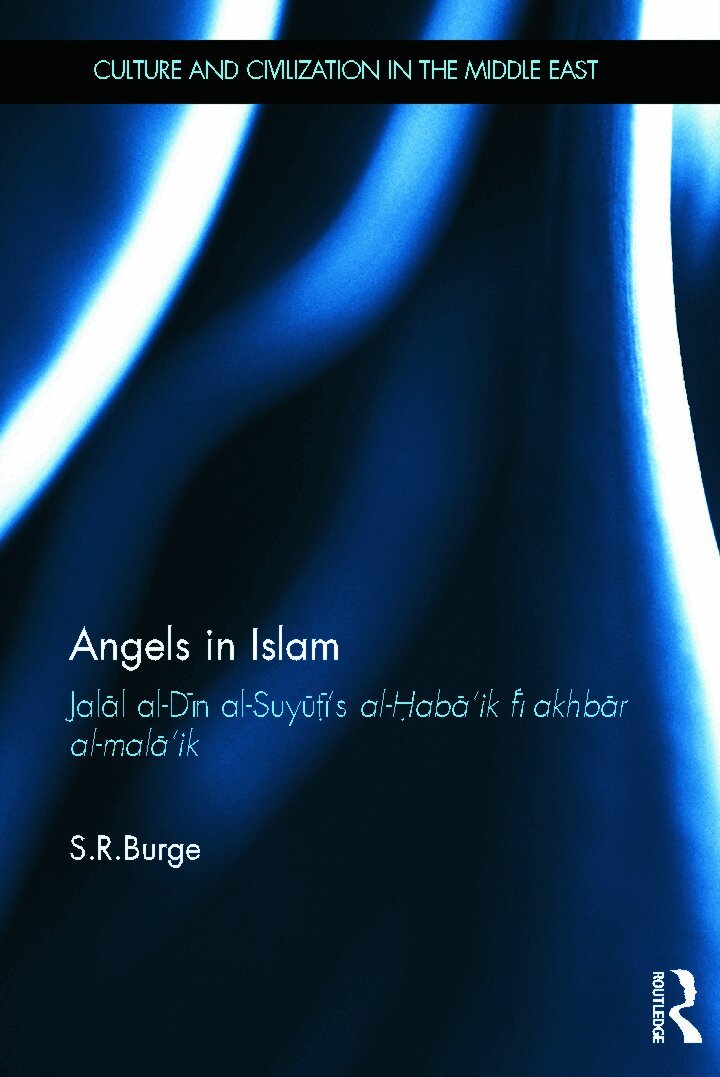
Angels in Islam
Jalal al-Din al-Suyuti's al-Haba'ik fi akhbar al-mala'ik
Inbunden, 2011
2504 kr
Lägg i varukorg
Angels are a basic tenet of belief in Islam, appearing in various types and genres of text, from eschatology to law and theology to devotional material. This book presents the first comprehensive study of angels in Islam, through an analysis of a collection of traditions (hadīth) compiled by the …
Angels in Islam
Jalal al-Din al-Suyuti''s al-Haba''ik fi akhbar al-mala''ik
E-bok, 2015
849 kr
Lägg i varukorg
Angels are a basic tenet of belief in Islam, appearing in various types and genres of text, from eschatology to law and theology to devotional material. This book presents the first comprehensive study of angels in Islam, through an analysis of a collection of traditions ( hadīth ) compiled by the …
Angels in Islam
Jalal al-Din al-Suyuti''s al-Haba''ik fi akhbar al-mala''ik
E-bok, 2015
830 kr
Lägg i varukorg
Angels are a basic tenet of belief in Islam, appearing in various types and genres of text, from eschatology to law and theology to devotional material. This book presents the first comprehensive study of angels in Islam, through an analysis of a collection of traditions ( hadīth ) compiled by the …
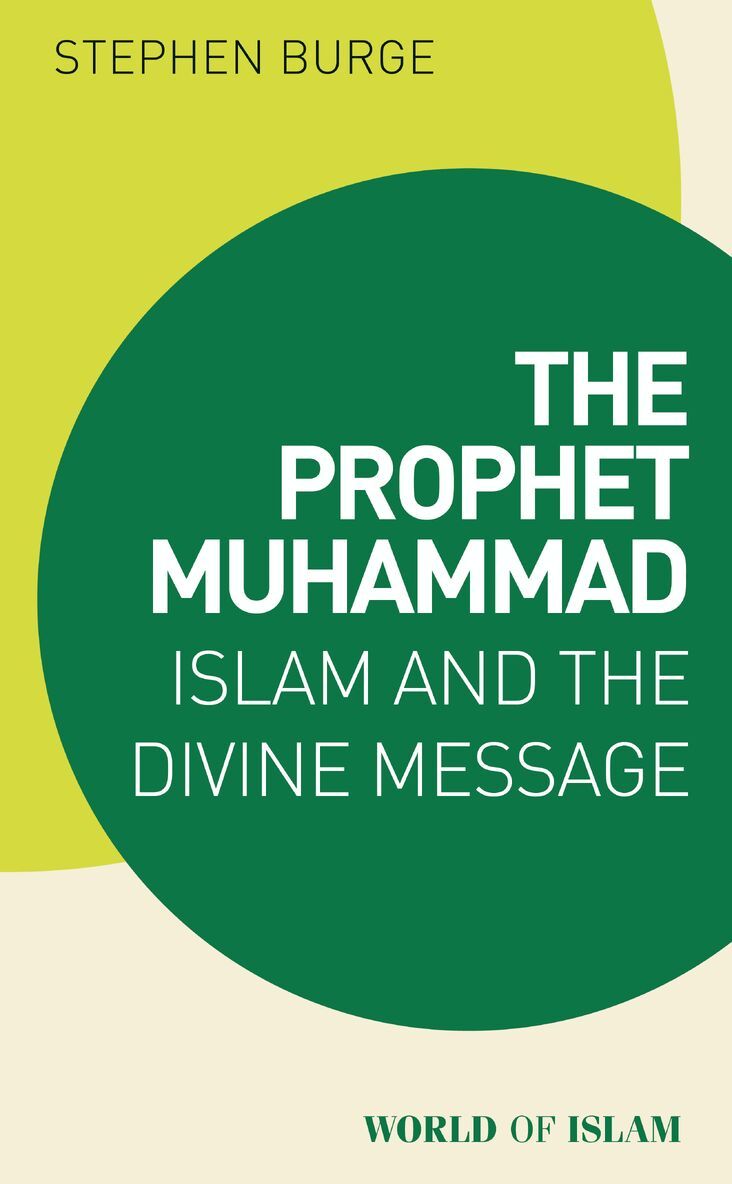
Prophet Muhammad
Islam and the Divine Message
Häftad, 2020
187 kr
Lägg i varukorg
I.B. Tauris in association with the Institute of Ismaili StudiesProphets serve as intermediaries between the human and divine worlds, granting them a special status in history across diverse religions and cultures. For Muslims, the Prophet Muhammad (570–632 CE) represents the culmination of the …
Prophet Muhammad
Islam and the Divine Message
E-bok, 2020
199 kr
Lägg i varukorg
I.B. Tauris in association with the Institute of Ismaili StudiesProphets serve as intermediaries between the human and divine worlds, granting them a special status in history across diverse religions and cultures. For Muslims, the Prophet Muhammad (570–632 CE) represents the culmination of the …
Prophet Muhammad
Islam and the Divine Message
E-bok, 2020
195 kr
Lägg i varukorg
I.B. Tauris in association with the Institute of Ismaili StudiesProphets serve as intermediaries between the human and divine worlds, granting them a special status in history across diverse religions and cultures. For Muslims, the Prophet Muhammad (570–632 CE) represents the culmination of the …