Stephen Cory – Författare
Visar alla böcker från författaren Stephen Cory. Handla med fri frakt och snabb leverans.
4 produkter
4 produkter
564 kr
Skickas inom 10-15 vardagar
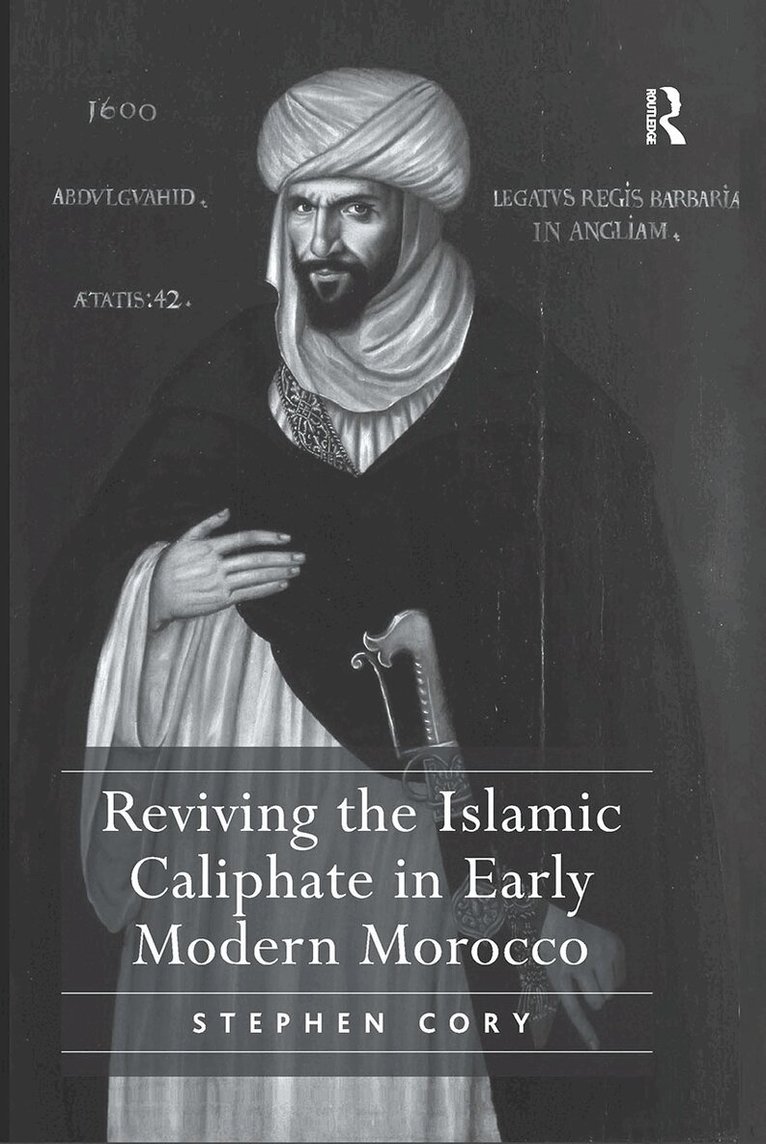
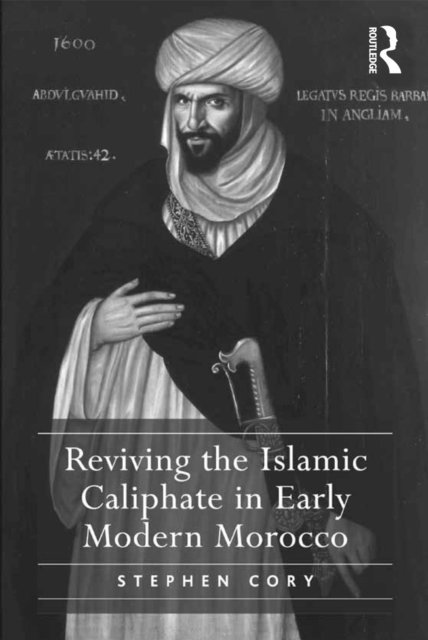
Historians have long grappled with the question of how Islamic civilization - so clearly dominant during the medieval period - could fall completely under Western hegemony in the modern age? Many Western writers answer this question by referencing European ingenuity, initiative, and transformative energy in contrast with Islamic parochialism, passivity, and resistance to change. This book challenges such assumptions by studying the career of an aggressive sultan in early-modern Morocco, Mulay Ahmad al-Mansur (r. 1578-1603), who dared to take on the international super-powers of his day and sought to redraw the map of Islamic Africa. Al-Mansur is best known for launching a bold invasion across the Sahara desert to conquer the West African Songhay Empire. Most historians ascribe strictly economic motives for this assault, stating that the sultan wished to capture the prosperous gold trade that had traveled for centuries from West Africa to the Mediterranean. Dr Cory argues instead that Mulay Ahmad was pursuing more expansive goals than simply stuffing his coffers with West African gold, as evidenced by audacious claims made on his behalf in numerous panegyric texts produced by the sultan's court. Through a detailed analysis of official histories, documents and correspondence, writings by European observers, and architectural evidence, he contends that the sultan sought to establish a Western caliphate that would eclipse the Ottoman Empire. Mulay Ahmad advanced this agenda through panegyric literature, elaborate court ceremonies, grand constructions, stunning military conquests, and astute diplomacy with European powers, Ottoman officials, and sub-Saharan rulers. Such assertions of universal caliphal authority had not been seriously promoted in Islam for over three hundred years before al-Mansur's reign. Thus al-Mansur sought to move his country forward into the modern age by returning to an institution that had governed Muslim lands during the fabled golden age of the Abbasid and Andalusian Umayyad caliphates. Through an investigation of the sultan's ambitions and achievements Dr Cory provides new insight into the history of relations between Muslim states and the West.
2 181 kr
Skickas inom 10-15 vardagar
Historians have long grappled with the question of how Islamic civilization - so clearly dominant during the medieval period - could fall completely under Western hegemony in the modern age? Many Western writers answer this question by referencing European ingenuity, initiative, and transformative energy in contrast with Islamic parochialism, passivity, and resistance to change. This book challenges such assumptions by studying the career of an aggressive sultan in early-modern Morocco, Mulay Ahmad al-Mansur (r. 1578-1603), who dared to take on the international super-powers of his day and sought to redraw the map of Islamic Africa. Al-Mansur is best known for launching a bold invasion across the Sahara desert to conquer the West African Songhay Empire. Most historians ascribe strictly economic motives for this assault, stating that the sultan wished to capture the prosperous gold trade that had traveled for centuries from West Africa to the Mediterranean. Dr Cory argues instead that Mulay Ahmad was pursuing more expansive goals than simply stuffing his coffers with West African gold, as evidenced by audacious claims made on his behalf in numerous panegyric texts produced by the sultan's court. Through a detailed analysis of official histories, documents and correspondence, writings by European observers, and architectural evidence, he contends that the sultan sought to establish a Western caliphate that would eclipse the Ottoman Empire. Mulay Ahmad advanced this agenda through panegyric literature, elaborate court ceremonies, grand constructions, stunning military conquests, and astute diplomacy with European powers, Ottoman officials, and sub-Saharan rulers. Such assertions of universal caliphal authority had not been seriously promoted in Islam for over three hundred years before al-Mansur's reign. Thus al-Mansur sought to move his country forward into the modern age by returning to an institution that had governed Muslim lands during the fabled golden age of the Abbasid and Andalusian Umayyad caliphates. Through an investigation of the sultan's ambitions and achievements Dr Cory provides new insight into the history of relations between Muslim states and the West.
1 687 kr
Skickas inom 10-15 vardagar
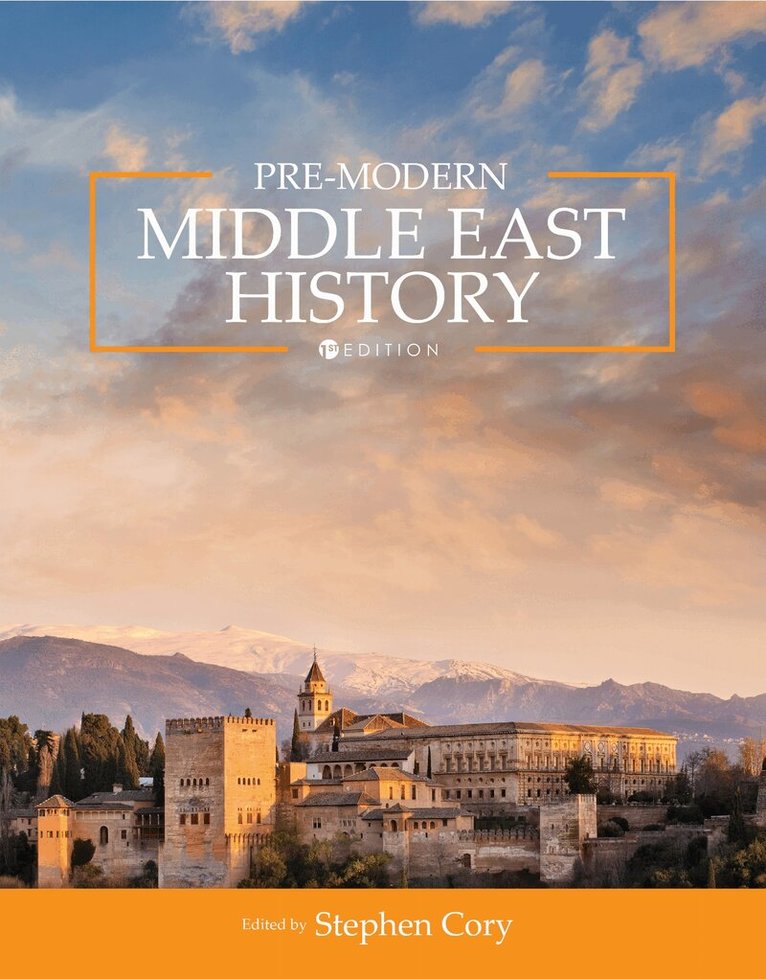
Pre-Modern Middle East History provides students with the opportunity to connect directly with pre-modern Middle East history via a selection of carefully curated primary sources. Through these documents, students are privy to the circumstances, challenges, values, thoughts, and worldviews of individuals who lived during this time period. They are encouraged to think critically and read carefully to better understand the underlying reasons for key historical events and ideas of pre-modern Middle East history.The anthology progresses chronologically and presents texts from a variety of historical periods, geographical locations, and types of literature. Each selection is supported by a brief introduction to provide context for the source material. The anthology includes modern translations and excerpts of works including The Origins of the Islamic State, The History of the Mohammedan Dynasties in Spain, Judaism: History, Belief and Practice, The Confessions of al-Ghazzali, The Adventures of ibn Battuta: A Muslim Traveler of the Fourteenth Century, and more.Pre-Modern Middle East History is a unique anthology that breathes life and understanding into a vibrant and influential historical period. It is an ideal resource for courses in Middle East history or world history.
4 332 kr
Skickas inom 3-6 vardagar