Stephen D. Crocco – författare
Visar alla böcker från författaren Stephen D. Crocco. Handla med fri frakt och snabb leverans.
5 produkter
5 produkter
1 013 kr
Skickas inom 5-8 vardagar
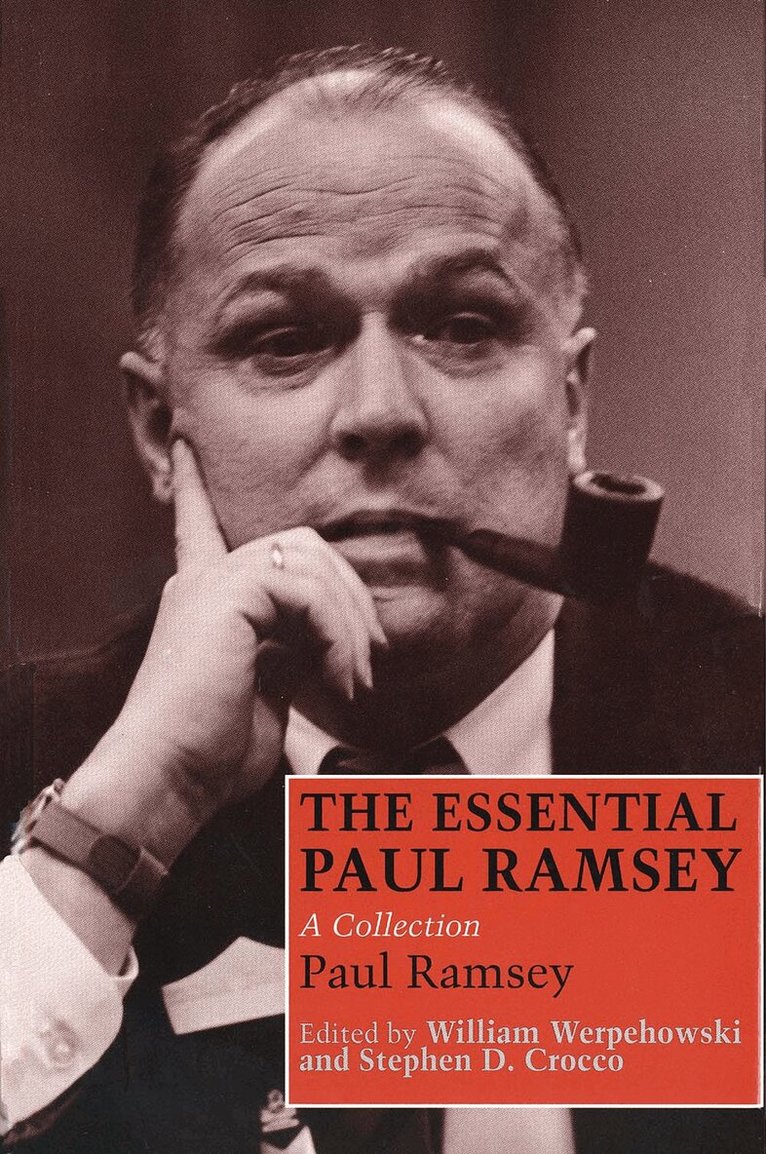
Paul Ramsey was one of this century's most important ethicists. From the publication of his classic Basic Christian Ethics in 1950 until his death in 1988, his writings decisively shaped moral discourse and reflection in the areas of theology, law, politics, and medicine.This collection of Ramsey's most important essays on Christian, political, and medical ethics displays the scope and depth of his vision, highlighting both the character of his theological commitments and the continuing significance of his work for the pressing moral problems of our day. Selections deal with such issues as race relations, sexuality and marriage, war, the meaning of Christian love, abortion, and medical care for the sick and dying. A general introduction by William Werpehowski and Stephen Crocco evaluates Ramsey's career and accomplishments and reviews contemporary criticism of his output and legacy. Shorter introductions to each selection point out crucial themes and lines of development in Ramsey's thought.
181 kr
Skickas inom 3-6 vardagar
164 kr
Skickas inom 3-6 vardagar
342 kr
Kommande
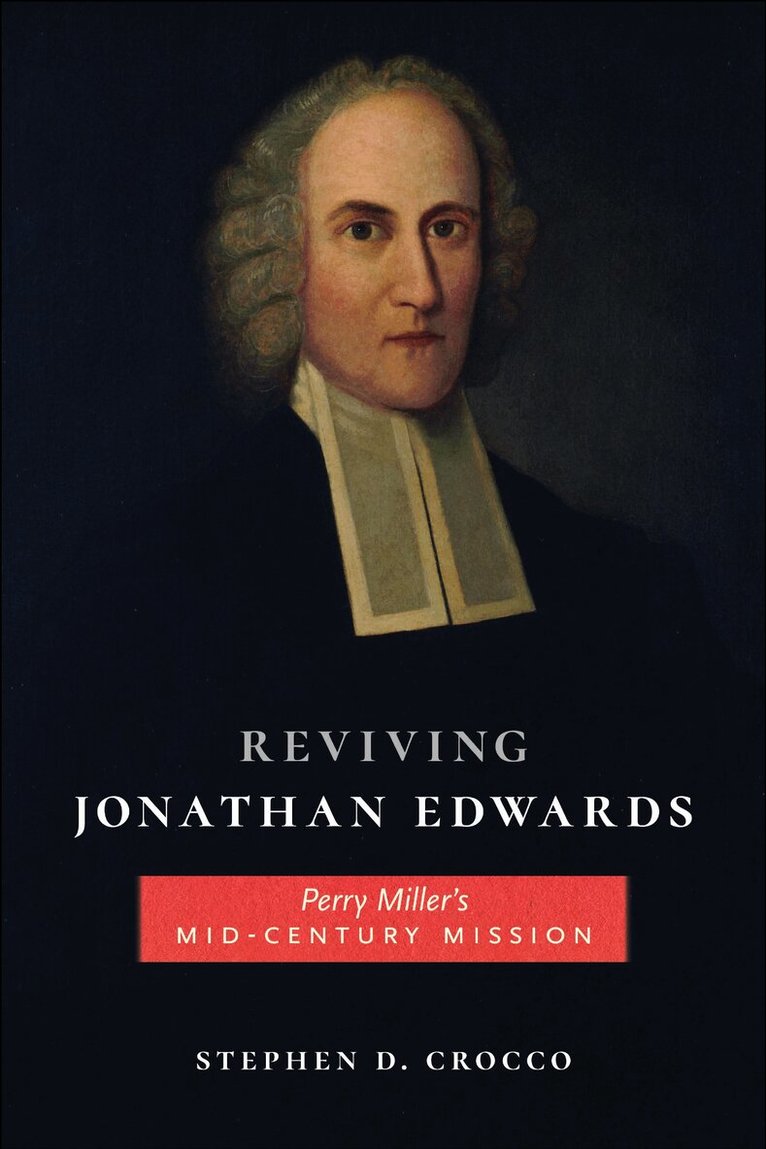
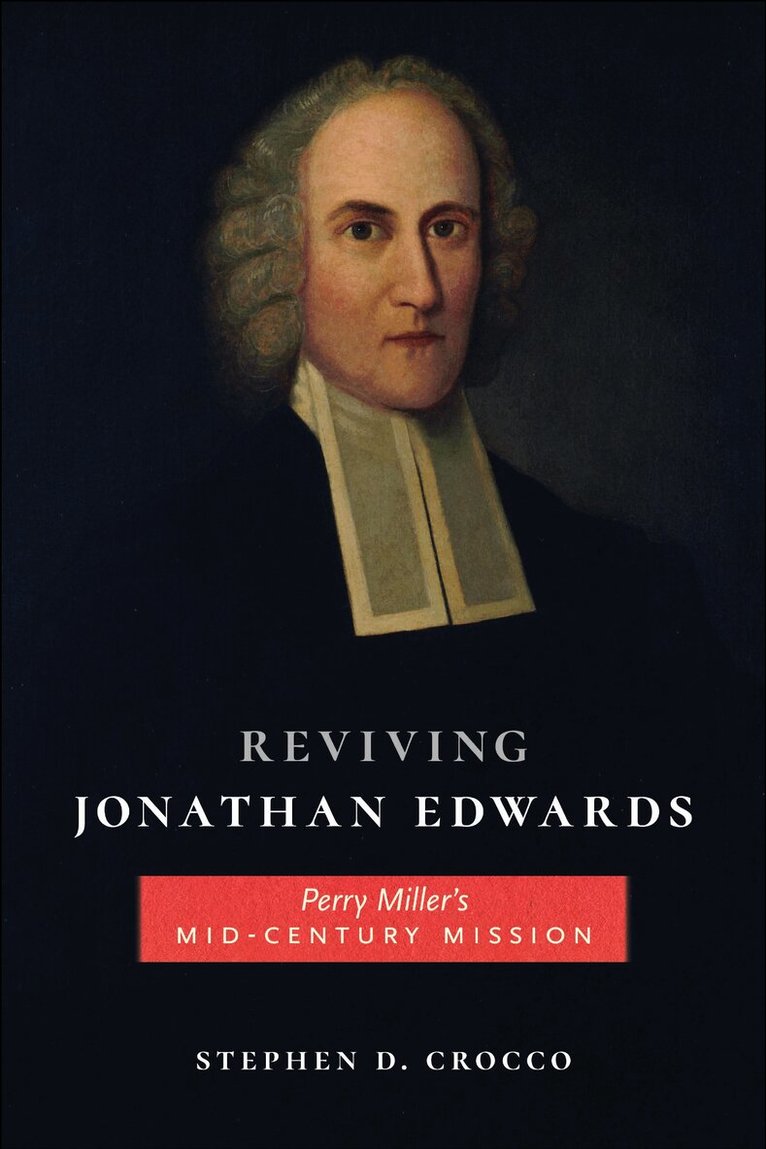
The untold story of how an unlikely Harvard atheist helped resurrect one of America’s greatest Puritans Jonathan Edwards is widely regarded as one of America’s most important and original thinkers. Prior to the mid-twentieth century, however, he was largely unknown to the learned community, except, perhaps, as a preacher of terror due to his well-known sermon, “Sinners in the Hands of an Angry God.” In 1948 and 1949, Harvard professor of English Perry Miller published four pieces on him, including the acclaimed biography, Jonathan Edwards, and only a few years later he became the general editor of Edwards’s collected works. Miller’s efforts helped to resurrect Edwards as America’s greatest Puritan and to solidify him as central to the American experience, and their names have been closely intertwined ever since. Miller, an iconoclastic scholar widely considered to be the founder of American studies, was known for his brilliant scholarship, devoted teaching, and hard living. Dying prematurely in 1963, he remains an enigmatic and controversial figure, with no biography available. In Reviving Jonathan Edwards, Stephen D. Crocco explores why this Harvard atheist, with an eerie sense that his time was short, delayed work on his planned magnum opus—a sweeping intellectual history of early America—to edit the works of the greatest of all American Puritans. In a riveting history that combines biographical insight with a detailed look into mid-century academia, Crocco draws on a large body of unpublished correspondence to offer an intricate detective tale of a decades-long publishing endeavor. He provides fresh portraits of Miller and the editorial committee he assembled, which included Sydney Ahlstrom, Roland Bainton, H. Richard Niebuhr, Norman Holmes Pearson, Paul Ramsey, and John E. Smith, and follows the story long after Miller’s death, tracing the repeated, sometimes seemingly intractable challenges that publishing the many volumes on Edwards’s work faced. He concludes by tracing Edwards studies up to 2003, the 300th anniversary of his birth, when the quiet revival of this colonial minister had evolved into a full scholarly renaissance.

899 kr
Kommande
The untold story of how an unlikely Harvard atheist helped resurrect one of America’s greatest Puritans Jonathan Edwards is widely regarded as one of America’s most important and original thinkers. Prior to the mid-twentieth century, however, he was largely unknown to the learned community, except, perhaps, as a preacher of terror due to his well-known sermon, “Sinners in the Hands of an Angry God.” In 1948 and 1949, Harvard professor of English Perry Miller published four pieces on him, including the acclaimed biography, Jonathan Edwards, and only a few years later he became the general editor of Edwards’s collected works. Miller’s efforts helped to resurrect Edwards as America’s greatest Puritan and to solidify him as central to the American experience, and their names have been closely intertwined ever since. Miller, an iconoclastic scholar widely considered to be the founder of American studies, was known for his brilliant scholarship, devoted teaching, and hard living. Dying prematurely in 1963, he remains an enigmatic and controversial figure, with no biography available. In Reviving Jonathan Edwards, Stephen D. Crocco explores why this Harvard atheist, with an eerie sense that his time was short, delayed work on his planned magnum opus—a sweeping intellectual history of early America—to edit the works of the greatest of all American Puritans. In a riveting history that combines biographical insight with a detailed look into mid-century academia, Crocco draws on a large body of unpublished correspondence to offer an intricate detective tale of a decades-long publishing endeavor. He provides fresh portraits of Miller and the editorial committee he assembled, which included Sydney Ahlstrom, Roland Bainton, H. Richard Niebuhr, Norman Holmes Pearson, Paul Ramsey, and John E. Smith, and follows the story long after Miller’s death, tracing the repeated, sometimes seemingly intractable challenges that publishing the many volumes on Edwards’s work faced. He concludes by tracing Edwards studies up to 2003, the 300th anniversary of his birth, when the quiet revival of this colonial minister had evolved into a full scholarly renaissance.