Stephen De Wijze – författare
823 kr
Skickas inom 10-15 vardagar
2 359 kr
Skickas inom 10-15 vardagar
1 053 kr
Skickas inom 5-8 vardagar
694 kr
Skickas inom 10-15 vardagar
957 kr
Läs direkt efter köp
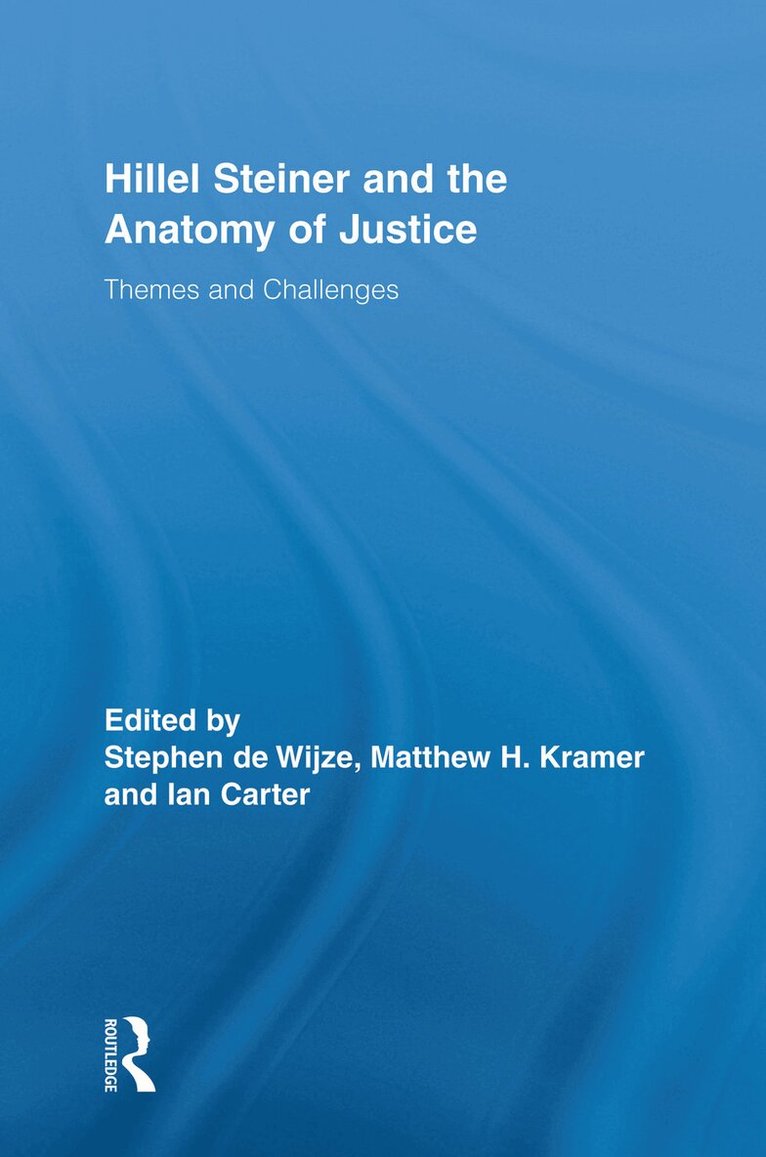
Throughout the English-speaking world, and in the many other countries where analytic philosophy is studied, Hillel Steiner is esteemed as one of the foremost contemporary political philosophers. This volume is designed as a festschrift for Steiner and as an important collection of philosophical essays in its own right. The editors have assembled a roster of highly distinguished international contributors, all of whom are eager to pay tribute to Steiner by focusing on topics on which he himself has concentrated. Some of the contributors engage directly with Steiner''s work, whereas others focus not directly on his writings but instead grapple with issues that have figured prominently therein. Each essay seeks to advance the debates in which Steiner himself has so notably participated. The study concludes with a response by Steiner himself.
957 kr
Läs direkt efter köp
Throughout the English-speaking world, and in the many other countries where analytic philosophy is studied, Hillel Steiner is esteemed as one of the foremost contemporary political philosophers. This volume is designed as a festschrift for Steiner and as an important collection of philosophical essays in its own right. The editors have assembled a roster of highly distinguished international contributors, all of whom are eager to pay tribute to Steiner by focusing on topics on which he himself has concentrated. Some of the contributors engage directly with Steiner''s work, whereas others focus not directly on his writings but instead grapple with issues that have figured prominently therein. Each essay seeks to advance the debates in which Steiner himself has so notably participated. The study concludes with a response by Steiner himself.
3 396 kr
Skickas inom 10-15 vardagar
811 kr
Läs direkt efter köp
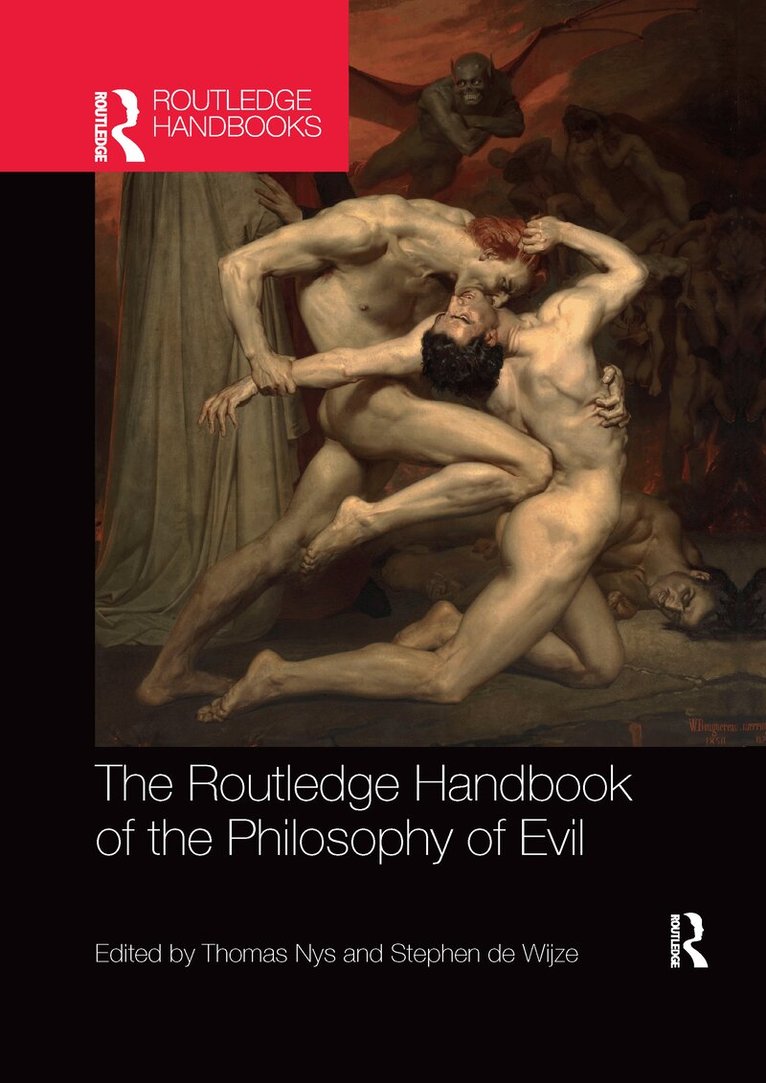
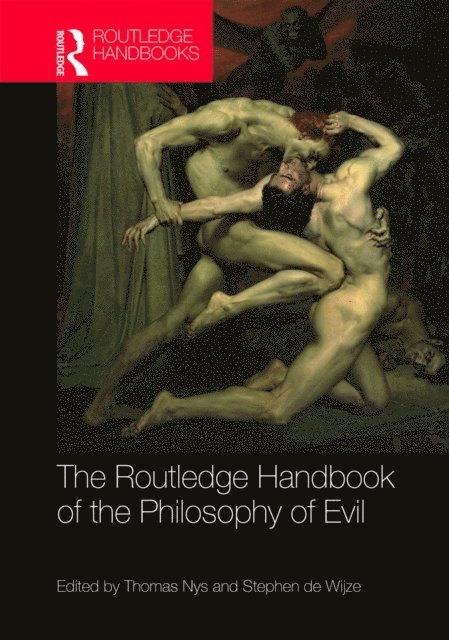
Why ought we concern ourselves with understanding a concept of evil? It is an elusive and politically charged concept which critics argue has no explanatory power and is a relic of a superstitious and primitive religious past. Yet its widespread use persists today: we find it invoked by politicians, judges, journalists, and many others to express the view that certain actions, persons, institutions, or ideologies are not just morally problematic but require a special signifier to mark them out from the ordinary and commonplace. Therefore, the question of what a concept of evil could mean and how it fits into our moral vocabulary remains an important and pressing concern.
The Routledge Handbook of the Philosophy of Evil provides an outstanding overview and exploration of these issues and more, bringing together an international team of scholars working on the concept of evil. Its 27 chapters cover the crucial discussions and arguments, both historical and contemporary, that are needed to properly understand the historical development and complexity of the concept of evil. The Handbook is divided into three parts:
Historical explorations of evil Recent secular explorations of evil Evil and other issues.
The Routledge Handbook of the Philosophy of Evil is essential reading for students and researchers in the fields of ethics and philosophy of psychology. It also provides important insights and background for anyone exploring the concept of evil in related subjects such as literature, politics, and religion.
811 kr
Läs direkt efter köp
Why ought we concern ourselves with understanding a concept of evil? It is an elusive and politically charged concept which critics argue has no explanatory power and is a relic of a superstitious and primitive religious past. Yet its widespread use persists today: we find it invoked by politicians, judges, journalists, and many others to express the view that certain actions, persons, institutions, or ideologies are not just morally problematic but require a special signifier to mark them out from the ordinary and commonplace. Therefore, the question of what a concept of evil could mean and how it fits into our moral vocabulary remains an important and pressing concern.
The Routledge Handbook of the Philosophy of Evil provides an outstanding overview and exploration of these issues and more, bringing together an international team of scholars working on the concept of evil. Its 27 chapters cover the crucial discussions and arguments, both historical and contemporary, that are needed to properly understand the historical development and complexity of the concept of evil. The Handbook is divided into three parts:
Historical explorations of evil Recent secular explorations of evil Evil and other issues.
The Routledge Handbook of the Philosophy of Evil is essential reading for students and researchers in the fields of ethics and philosophy of psychology. It also provides important insights and background for anyone exploring the concept of evil in related subjects such as literature, politics, and religion.