Stephen G. Engelmann – författare
Visar alla böcker från författaren Stephen G. Engelmann. Handla med fri frakt och snabb leverans.
8 produkter
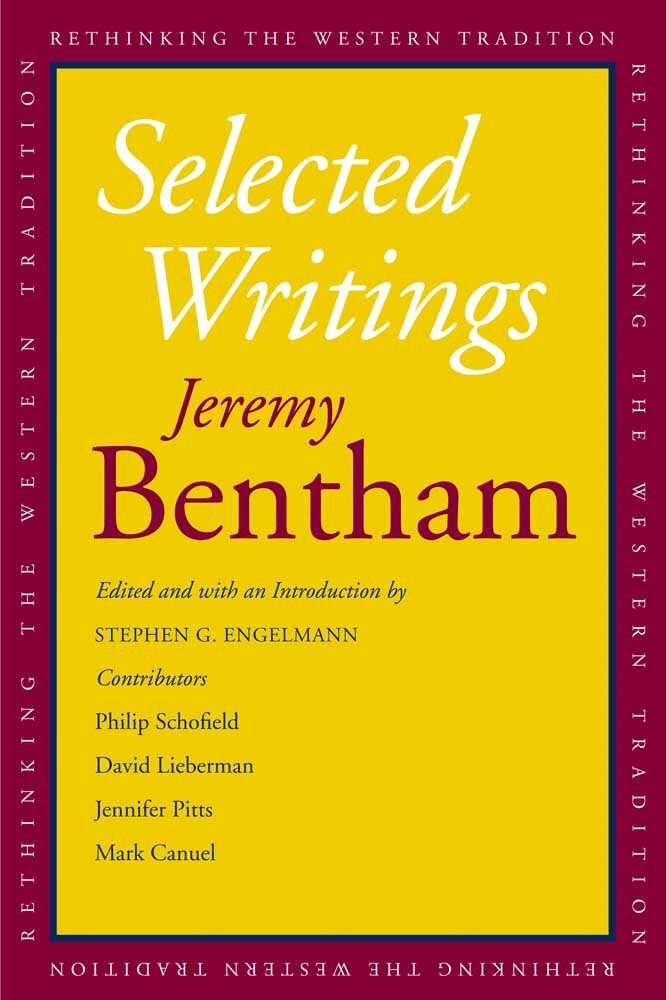
Selected Writings
Av Jeremy Bentham, Stephen G. Engelmann
Häftad, 2011
586 kr
Lägg i varukorg
Jeremy Bentham (1748–1832), philosopher and reformer, is one of the most influential thinkers of the modern age. This introduction to his writings presents a representative selection of texts authoritatively restored by the Bentham Project, University College London. As well as more familiar pieces …
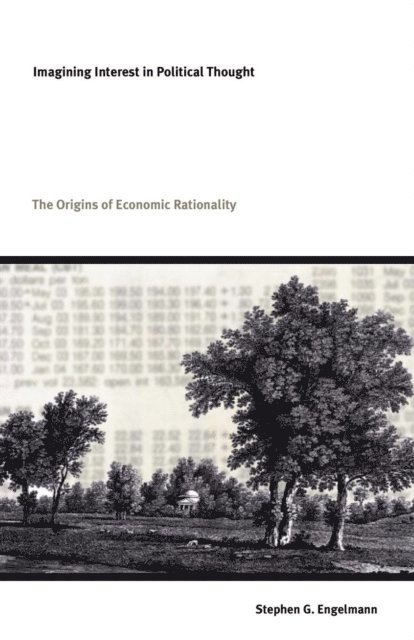
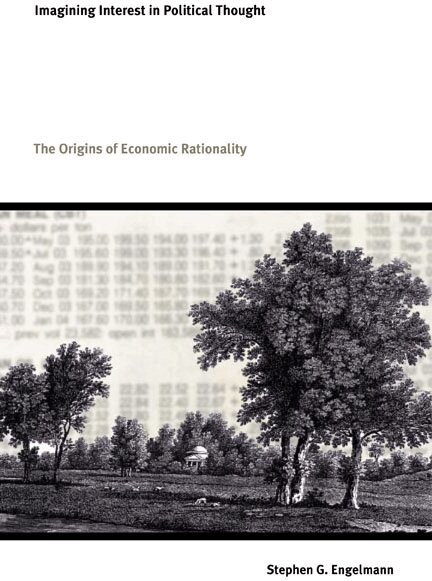
Imagining Interest in Political Thought
Origins of Economic Rationality
E-bok, 2003
505 kr
Lägg i varukorg
Imagining Interest in Political Thought argues that monistic interest—or the shaping and coordination of different pursuits through imagined economies of self and public interest—constitutes the end and means of contemporary liberal government. The paradigmatic theorist of monistic interest is the …
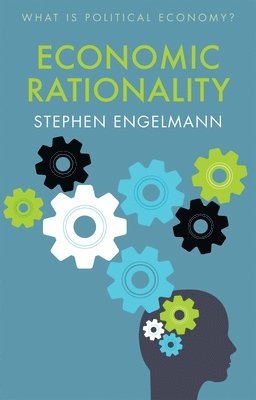
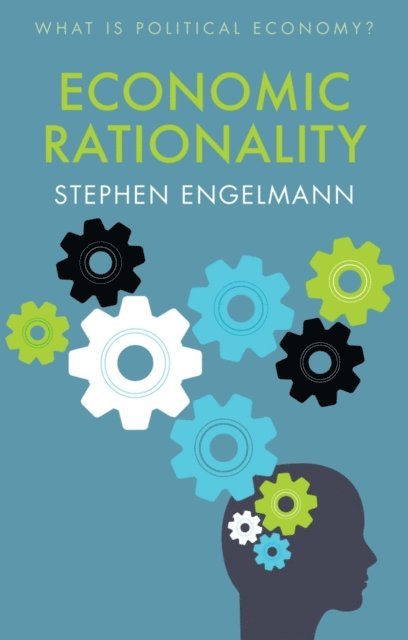
Economic Rationality
Inbunden, 2022
654 kr
Lägg i varukorg
Economics used to be called political economy, and the loss of the “political” tracks the ascendance of the idea of rational choice within the discipline. Where does this idea of economic rationality – choosing to maximize benefits and minimize costs – come from? What are the consequences of its …
Economic Rationality
Häftad, 2022
223 kr
Lägg i varukorg
Economics used to be called political economy, and the loss of the “political” tracks the ascendance of the idea of rational choice within the discipline. Where does this idea of economic rationality – choosing to maximize benefits and minimize costs – come from? What are the consequences of its …
Economic Rationality
E-bok, 2022
245 kr
Lägg i varukorg
Economics used to be called political economy, and the loss of the “political” tracks the ascendance of the idea of rational choice within the discipline. Where does this idea of economic rationality – choosing to maximize benefits and minimize costs – come from? What are the consequences of its …
Economic Rationality
E-bok, 2022
756 kr
Lägg i varukorg
Economics used to be called political economy, and the loss of the “political” tracks the ascendance of the idea of rational choice within the discipline. Where does this idea of economic rationality – choosing to maximize benefits and minimize costs – come from? What are the consequences of its …
Imagining Interest in Political Thought
Origins of Economic Rationality
Häftad, 2003
342 kr
Tillfälligt slut
Imagining Interest in Political Thought argues that monistic interest-or the shaping and coordination of different pursuits through imagined economies of self and public interest-constitutes the end and means of contemporary liberal government. The paradigmatic theorist of monistic interest is the …
Imagining Interest in Political Thought
Origins of Economic Rationality
Inbunden, 2003
1235 kr
Tillfälligt slut
Imagining Interest in Political Thought argues that monistic interest-or the shaping and coordination of different pursuits through imagined economies of self and public interest-constitutes the end and means of contemporary liberal government. The paradigmatic theorist of monistic interest is the …