Stephen H. Haber - Böcker
Visar alla böcker från författaren Stephen H. Haber. Handla med fri frakt och snabb leverans.
4 produkter
4 produkter
1 229 kr
Skickas inom 7-10 vardagar
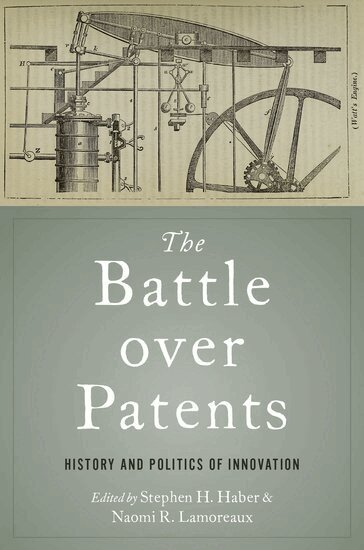
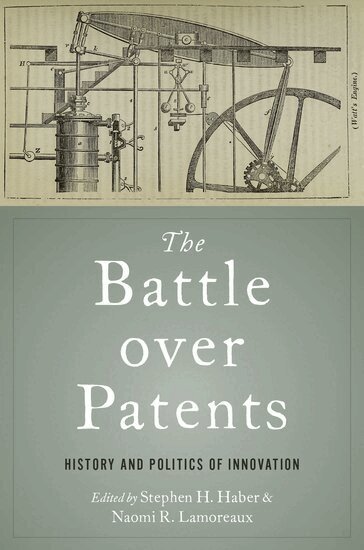
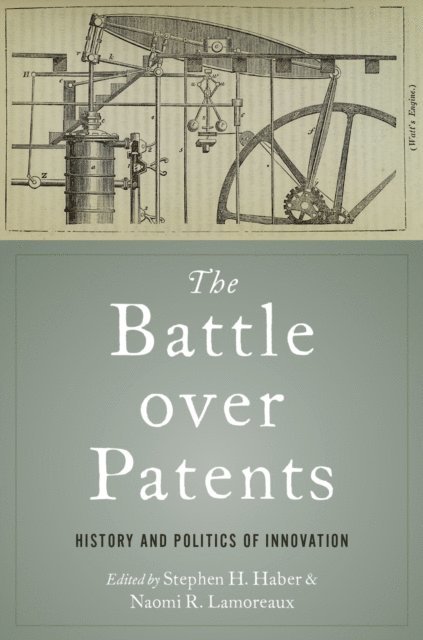
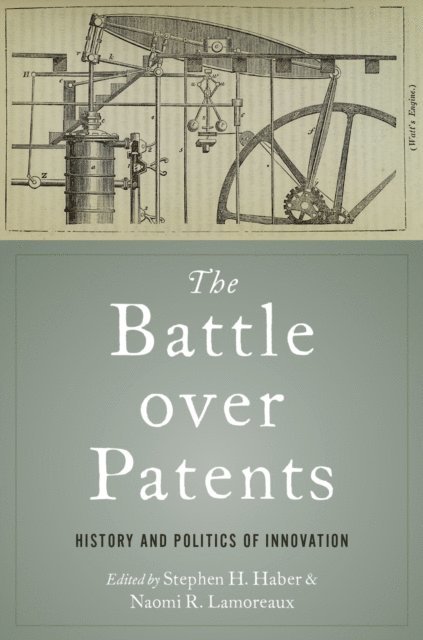
An examination of how the patent system works, imperfections and all, to incentivize innovation Do patents facilitate or frustrate innovation? Lawyers, economists, and politicians who have staked out strong positions in this debate often attempt to validate their claims by invoking the historical record--but they frequently get the history wrong. The Battle over Patents gets it right. Bringing together thoroughly researched essays from prominent historians and social scientists, this volume traces the long and contentious history of patents and examines how they have worked in practice. Editors Stephen H. Haber and Naomi R. Lamoreaux show that patent systems are the result of contending interests at different points in production chains battling over economic surplus. The larger the potential surplus, the more extreme are the efforts of contending parties-now and in the past-to search out, generate, and exploit any and all sources of friction. Patent systems, as human creations, are therefore necessarily ridden with imperfections. This volume explores these shortcomings and explains why, despite all the debate, historically US-style patent systems still dominate all other methods of encouraging inventive activity.
199 kr
Skickas inom 5-8 vardagar
An examination of how the patent system works, imperfections and all, to incentivize innovation Do patents facilitate or frustrate innovation? Lawyers, economists, and politicians who have staked out strong positions in this debate often attempt to validate their claims by invoking the historical record--but they frequently get the history wrong. The Battle over Patents gets it right. Bringing together thoroughly researched essays from prominent historians and social scientists, this volume traces the long and contentious history of patents and examines how they have worked in practice. Editors Stephen H. Haber and Naomi R. Lamoreaux show that patent systems are the result of contending interests at different points in production chains battling over economic surplus. The larger the potential surplus, the more extreme are the efforts of contending parties-now and in the past-to search out, generate, and exploit any and all sources of friction. Patent systems, as human creations, are therefore necessarily ridden with imperfections. This volume explores these shortcomings and explains why, despite all the debate, historically US-style patent systems still dominate all other methods of encouraging inventive activity.
1 211 kr
Skickas inom 10-15 vardagar
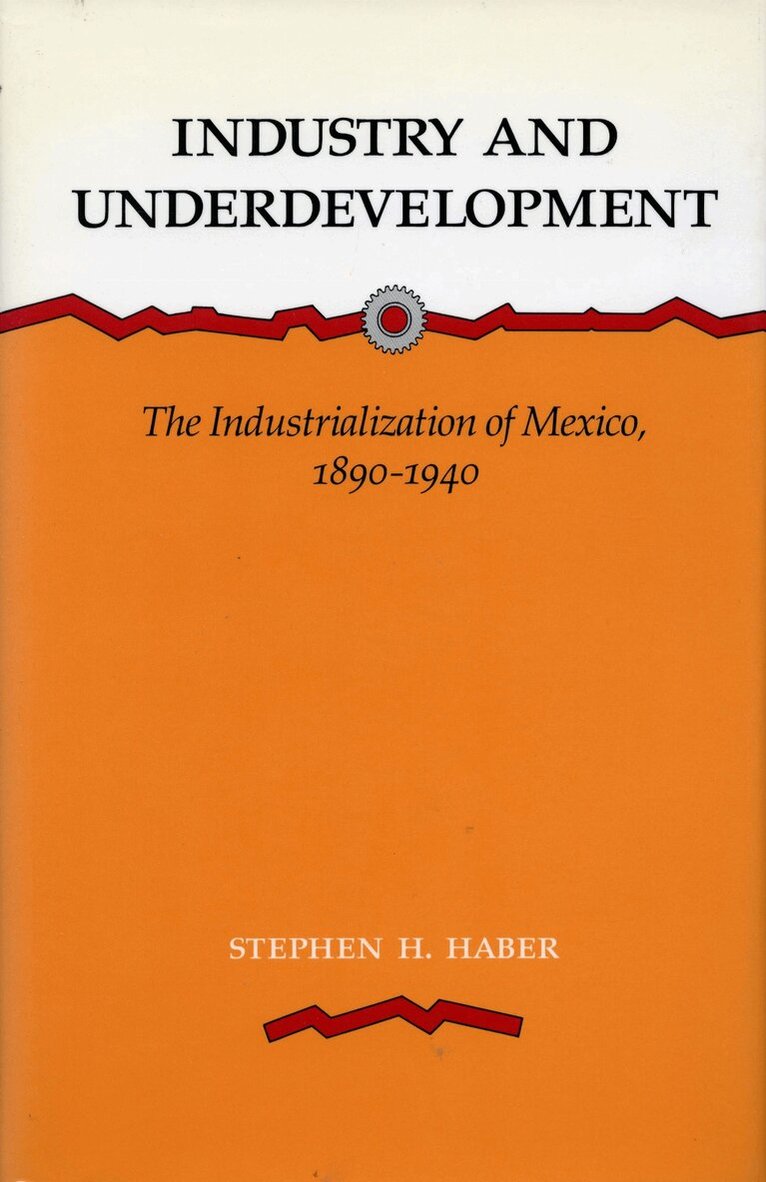
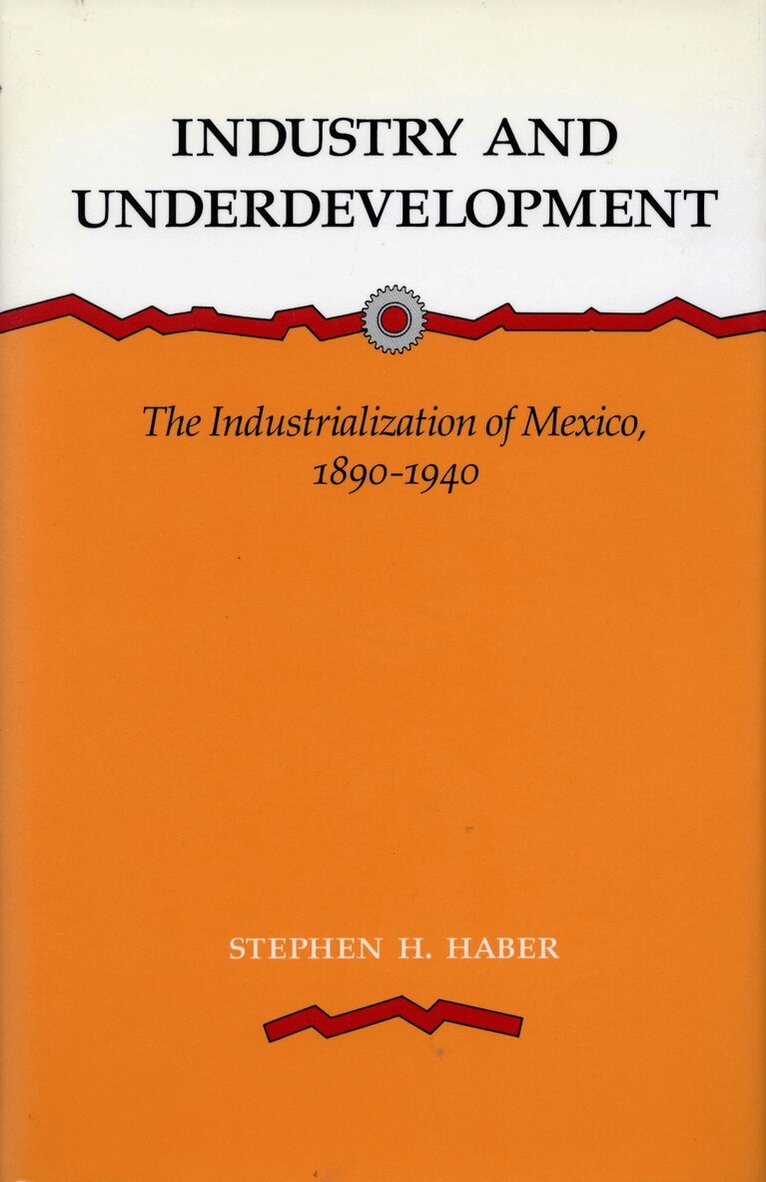
The recent economic troubles of Mexico should have surprised no one, for the Mexican economy is an unhealthy one whose basic problems extend back to the nineteenth century - that is the major theme of this study of the formative years of industrialization in Mexico. The author focuses on the forces - economic, political, and technological - that have thwarted Mexican efforts to become a competitive member of the international economic community. Unlike most previous studies, which have relied on aggregate data published by the Mexican government that lump together all industries and all firms, this study is based almost entirely on new material concerning individual companies and individual entrepreneurs. This approach enables the author to examine a wide range of new questions. What were the social origins of Mexico's industrial entrepreneurs? What was their relation to the government of Porfirio Diaz? How profitable were the major manufacturing companies? What effects did the Revolution of 1910-1917 have on the nation's physical plant and on investor confidence? What strategies did firms follow to protect their markets and to prevent competition? The author argues that the roots of modern Mexican industrialization are not to be found in the restructuring of the Mexican economy associated with the Revolution (indeed he contends that the Revolution's effect on the economy has been exaggerated) or in the economic growth stemming from World War II. Rather, he sees the Porfiriato as the decisive era in Mexico's industrialization. By examining the economic constraints on large-scale industrialization during the Porfiriato, he explains the factors that led to an industrial sector marked by concentration of ownership, oligopoly and monopoly production, the inability to compete in international markets, and the need for constant government protection and subsidies.
290 kr
Skickas inom 7-10 vardagar
The recent economic troubles of Mexico should have surprised no one, for the Mexican economy is an unhealthy one whose basic problems extend back to the nineteenth century - that is the major theme of this study of the formative years of industrialization in Mexico. The author focuses on the forces - economic, political, and technological - that have thwarted Mexican efforts to become a competitive member of the international economic community. Unlike most previous studies, which have relied on aggregate data published by the Mexican government that lump together all industries and all firms, this study is based almost entirely on new material concerning individual companies and individual entrepreneurs. This approach enables the author to examine a wide range of new questions. What were the social origins of Mexico's industrial entrepreneurs? What was their relation to the government of Porfirio Diaz? How profitable were the major manufacturing companies? What effects did the Revolution of 1910-1917 have on the nation's physical plant and on investor confidence? What strategies did firms follow to protect their markets and to prevent competition? The author argues that the roots of modern Mexican industrialization are not to be found in the restructuring of the Mexican economy associated with the Revolution (indeed he contends that the Revolution's effect on the economy has been exaggerated) or in the economic growth stemming from World War II. Rather, he sees the Porfiriato as the decisive era in Mexico's industrialization. By examining the economic constraints on large-scale industrialization during the Porfiriato, he explains the factors that led to an industrial sector marked by concentration of ownership, oligopoly and monopoly production, the inability to compete in international markets, and the need for constant government protection and subsidies.